Morning Brief: Satellites to Improve Air Traffic Control
By experts and staff
- Published
- Renewing America Staff
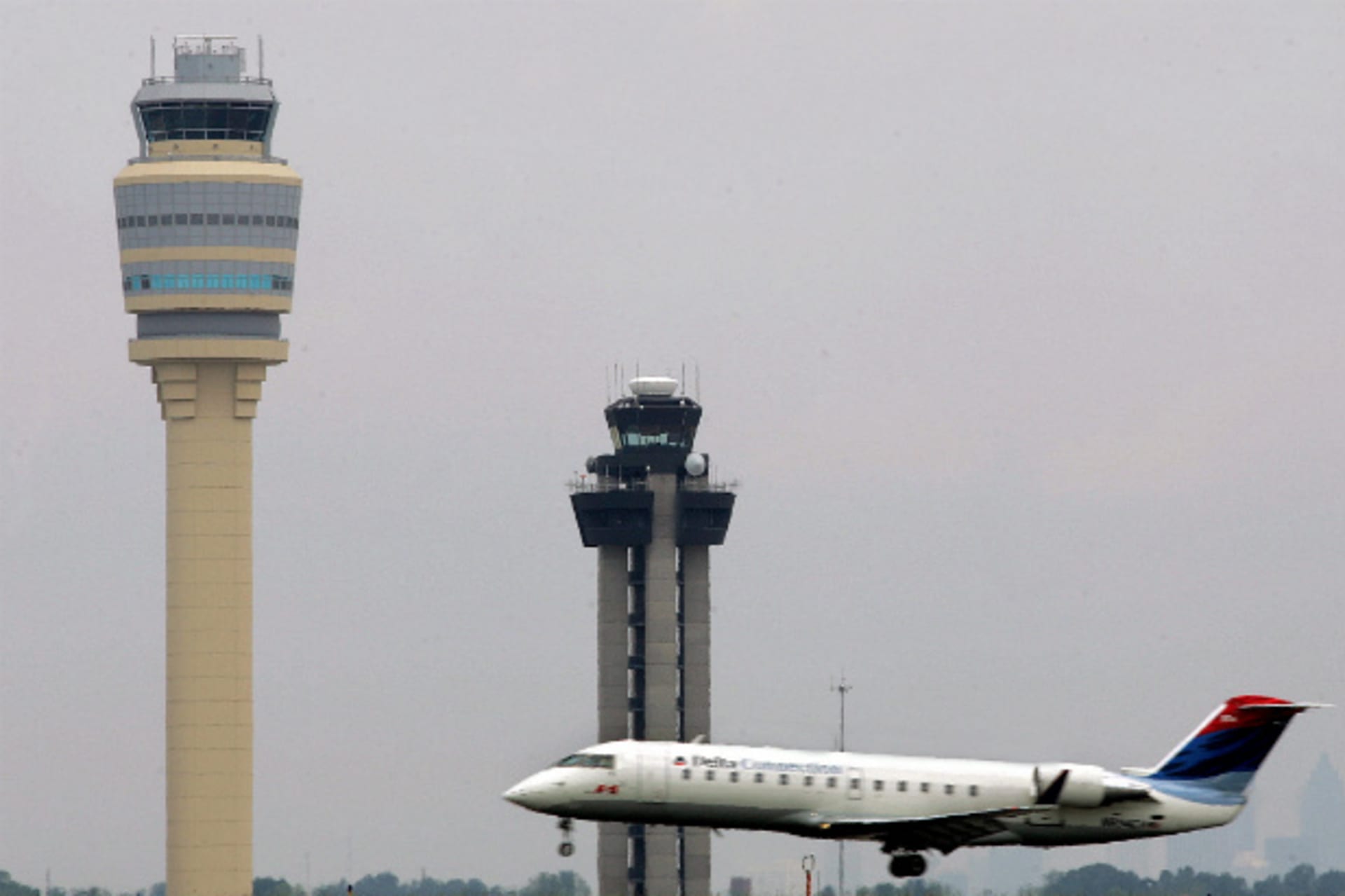
The Seattle-Tacoma International Airport and Alaskan Airlines will begin testing satellite-based air traffic control systems (NYT). Moving from radar to GPS systems will safely reduce the distance required between flying aircraft. Airport capacities can grow without constructing new runways because takeoffs and landings can occur more frequently. Passengers should experience fewer delays and shorter, more direct approaches to airports with smoother descents. This technology is part of the FAA’s broader NextGen plan to upgrade the nation’s air traffic control system by 2025 that may cost up to $45 billion.
Infrastructure. Read more on how upgrading the nation’s aging network of roads, bridges, airports, railways, and water systems is essential to maintaining U.S. competitiveness.
Corporate regulation and taxation. Read more from top economists and business experts on solutions for addressing corporate tax reform.
Students Should Read More Non-fiction
While reading fiction is important, success in college and career often depends upon the ability to understand and analyze non-fiction sources. Even in schools with high literacy rates, many students have a marked preference for novels and literature and are assigned little reading from informational texts. Education Week discusses the challenges educators will face in getting students to read 70 percent non-fiction, the goal set by the Common Core State.
Education and human capital. Read more from experts discussing ways to improve U.S. education and immigration policies.
Steven J. Markovich holds an MBA from the University of Chicago’s Booth School of Business.