Nigeria’s Chibok School Girls as Suicide Bombers?
By experts and staff
- Published
- John CampbellRalph Bunche Senior Fellow for Africa Policy Studies
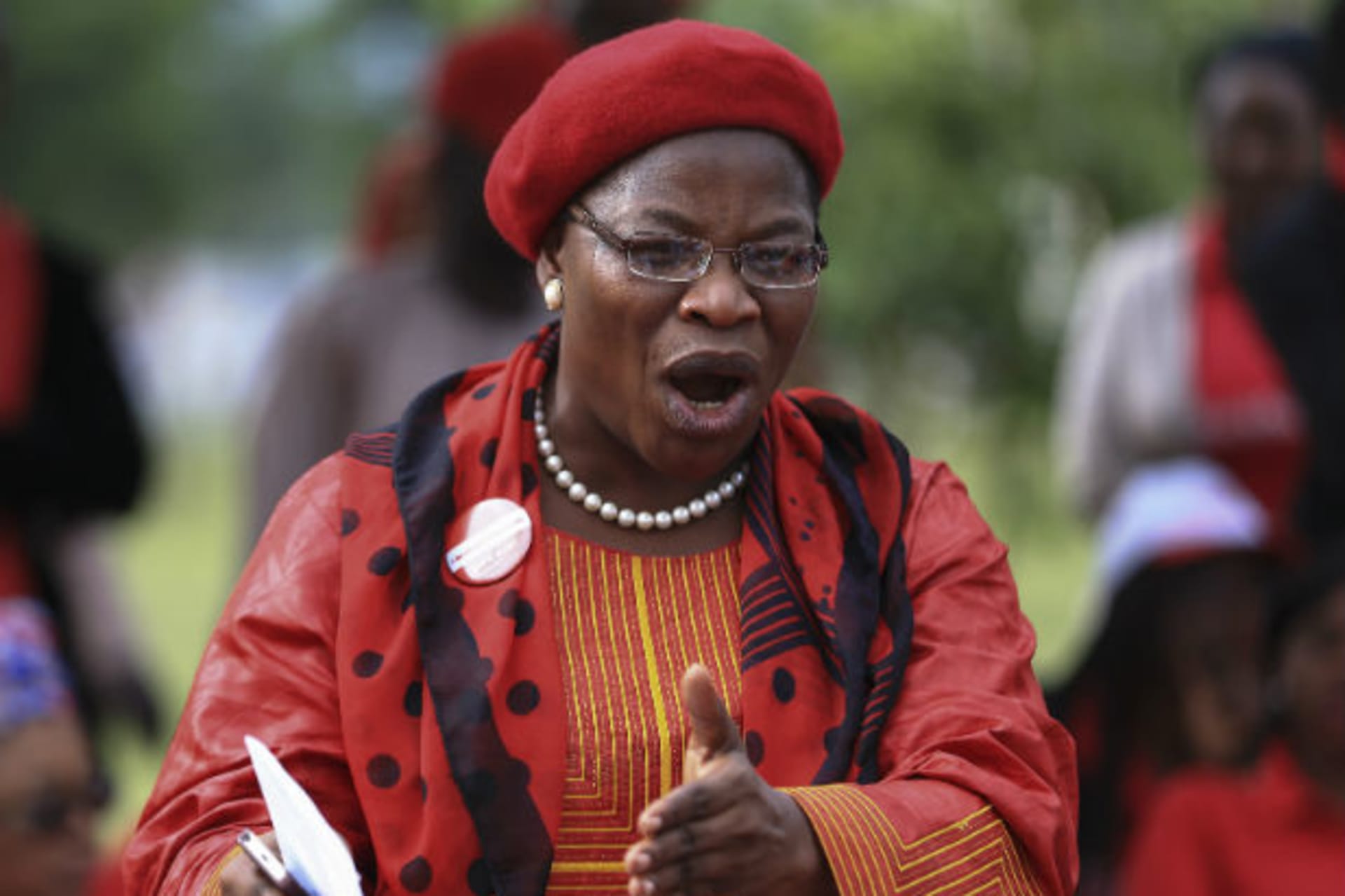
It has been nearly four months since Boko Haram kidnapped up to three hundred school girls from a school in Chibok, Borno state. Thus far, there has been little public evidence that the government has located them or is about to rescue them. Nor do the offers of assistance from friendly governments such as the United States appear to have had much impact. Frustration is growing, articulated by former education minister Obiageli Ezekwesili, an animator of the #BringBackOurGirls protests in Abuja.
In the past week, there have been four suicide bomb attacks in Kano state carried out by teenage girls. Though the Nigerian media assumes that the attacks were perpetrated by Boko Haram, warlord Abubakar Shekau has not yet claimed responsibility for them. Boko Haram issues video messages from Shekau claiming responsibility for the movement’s atrocities, though not always directly after an event. He did not claim responsibility for the kidnapping of the Chibok school girls until a month following the incident. Nevertheless, there is now speculation reported in the Nigerian media that the perpetrators of the recent suicide bombings in Kano may be some of the Chibok school girls who have been “brainwashed.”
One would think that this speculation could be run aground fast. Presumably the identities of the suicide bombers can be determined and checked against the lists of those kidnapped. But, it is not clear to me that the necessary forensics have been carried out on the suicide bombers, nor that there is a definitive list of the Chibok girls (and numerous others) who have been kidnapped. That lack of information likely contributes to the frustration of those like Ezekwesili, who feel a sense of urgency about the Chibok schoolgirls and dissatisfaction with the government’s efforts thus far.