Prabowo’s Rocky First Months as Indonesia’s President
Indonesian President Prabowo Subianto entered office with bold promises and ambitions for global leadership, but his first months have been marked by domestic unrest, inconsistent foreign policy, and growing concerns over governance.
By experts and staff
- Published
 Joshua KurlantzickCFR ExpertSenior Fellow for Southeast Asia and South Asia
- Global Conflict Analyst
Indonesian President Prabowo Subianto, a long-time member of the Indonesian elite, was inaugurated in October last year. He started the job with his usual bluster and bullishness about Indonesia’s potential and abilities to transform the country. He vowed to make good on his campaign promises of a vastly expanded free meal program and to boost Indonesia’s place on the world stage. Unlike his predecessor, Joko Widodo, or Jokowi, Prabowo has an intense interest in foreign policy and intends to make Indonesia a more significant regional and global power.
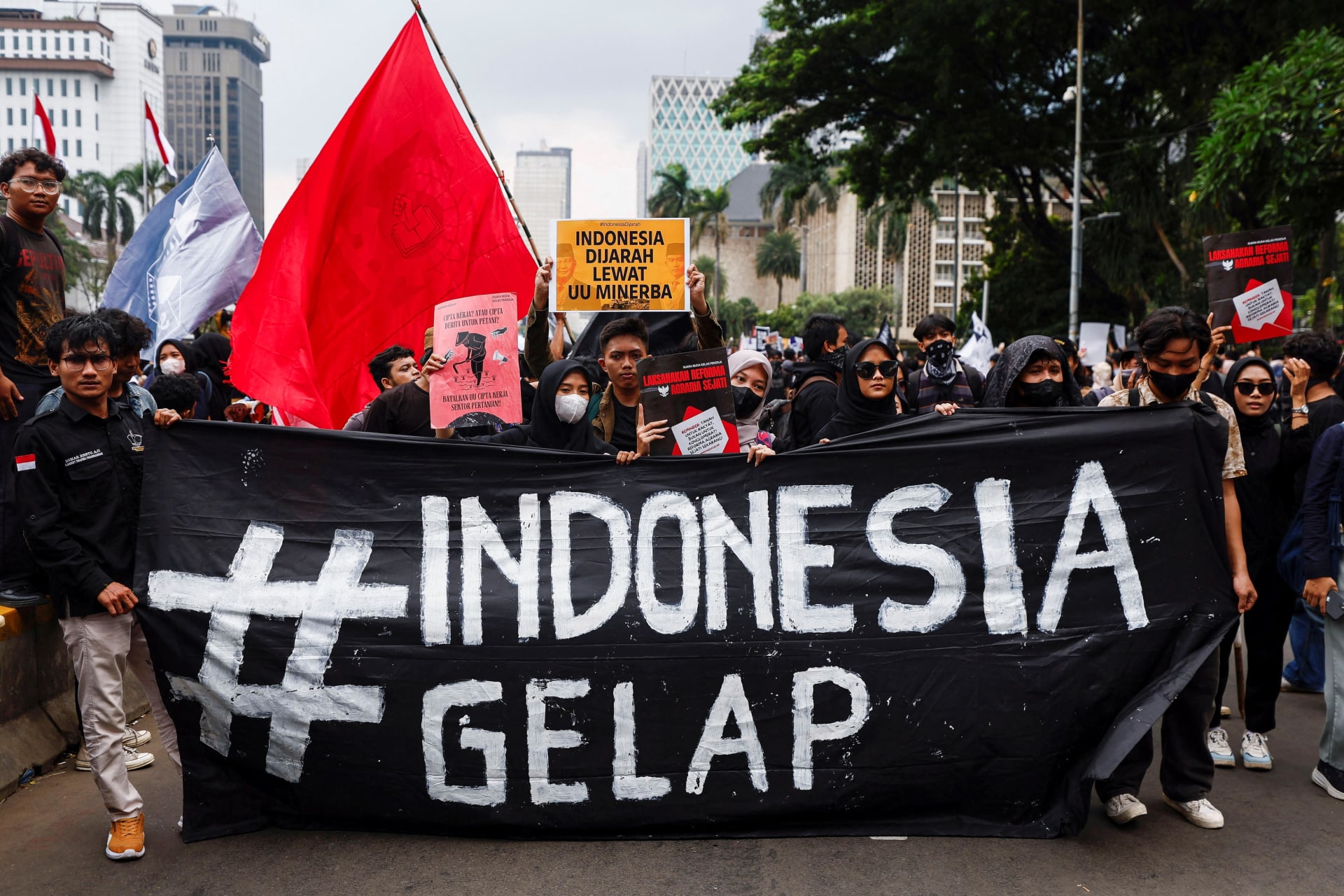
But less than six months into his five-year term as president, Prabowo faces many challenges. Large, angry recent street protests, led by students, poked holes in some economic plans, and Prabowo responded to the demonstrations poorly. He has built a massively bloated cabinet without doing anything to prevent corruption. Even on foreign affairs, his specialty, Prabowo, has seemed unable to find foreign policy consistency and sometimes appears to be pursuing contradictory foreign policy plans during the same overseas trip. For more on Prabowo’s troubles, see our new article for World Politics Review.
This publication is part of the Diamonstein-Spielvogel Project on the Future of Democracy.