Should the United States Fear Boko Haram?
By experts and staff
- Published
- John CampbellRalph Bunche Senior Fellow for Africa Policy Studies
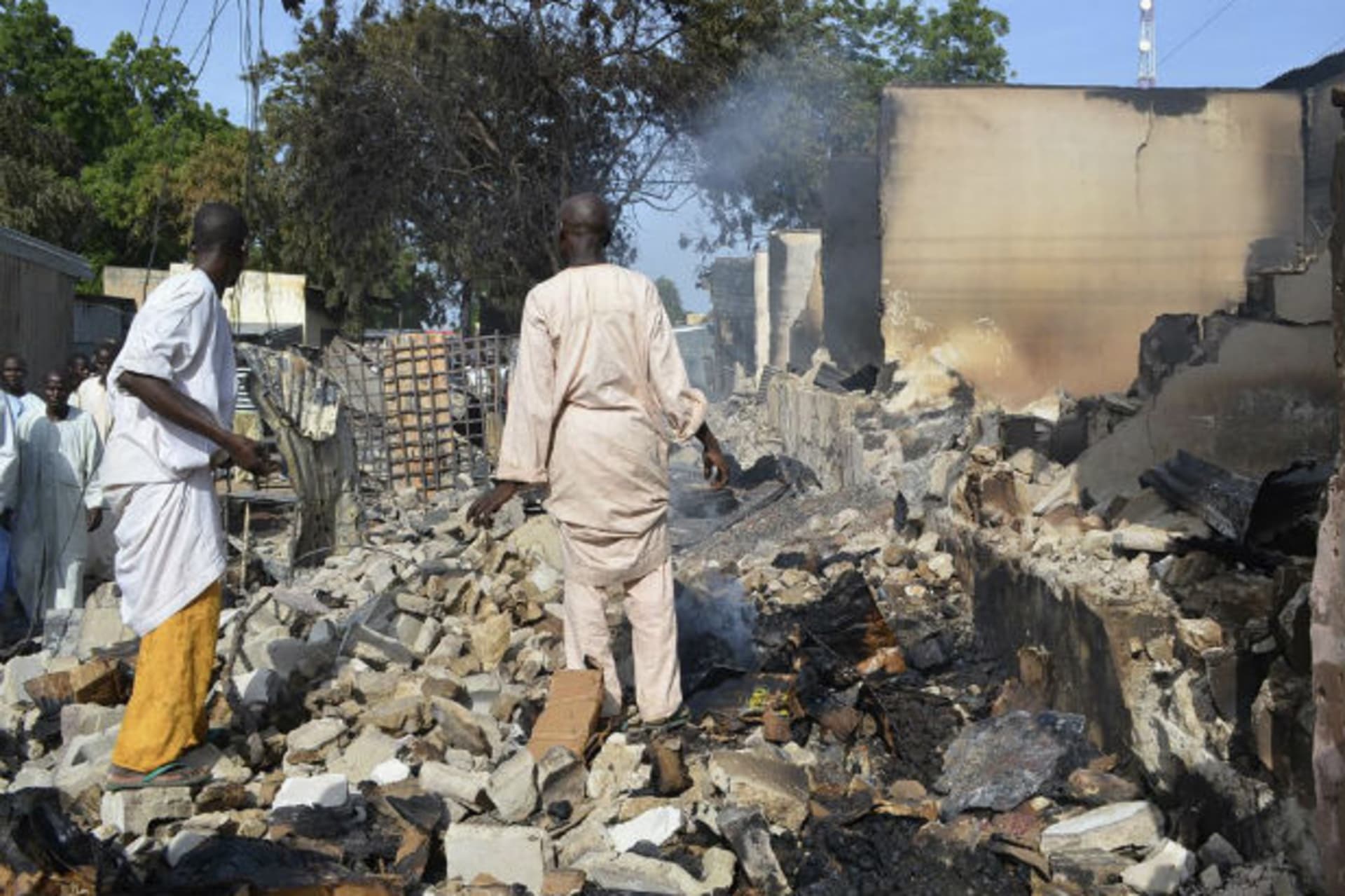
Whether the United States should fear Boko Haram is a big question, and one that perhaps has even greater urgency in the aftermath of the massacre in Nairobi perpetrated by another jidahist group, al-Shabaab. I have written a piece for CNN that explores this question in the aftermath of the horrific massacre last weekend at a northern Nigerian agricultural college of some sixty-five students, many while they slept. While Boko Haram has not yet claimed responsibility, it is the likely perpetrator. My CNN piece is intended as a brief primer on Boko Haram, which remains a mysterious organization in many ways, even after some four years of carnage. The Council’s Nigeria Security Tracker has tracked the violence since 2011.
My conclusion is that while Boko Haram poses a serious challenge to the Nigerian state, an historical partner of the United States, it does not pose a threat to the American homeland. Further, American interests in northern Nigeria where Boko Haram operates are few. However, should ties between the United States and the Abuja government strengthen under the guise of a common “war on terror,” Americans could become a Boko Haram target.