The Clock Is Ticking: Fertilizer, Food, and the Fragility of Global Agriculture
The conflict in the Middle East has turned the Strait of Hormuz into a critical failure point for global food security. Immediate and coordinated action is critical as the window to respond rapidly closes.
By experts and staff
- Published
- Máximo Torrero CullenChief Economist, Food and Agriculture Organization (FAO)
Máximo Torero Cullen is the chief economist of the Food and Agriculture Organization (FAO) of the United Nations.
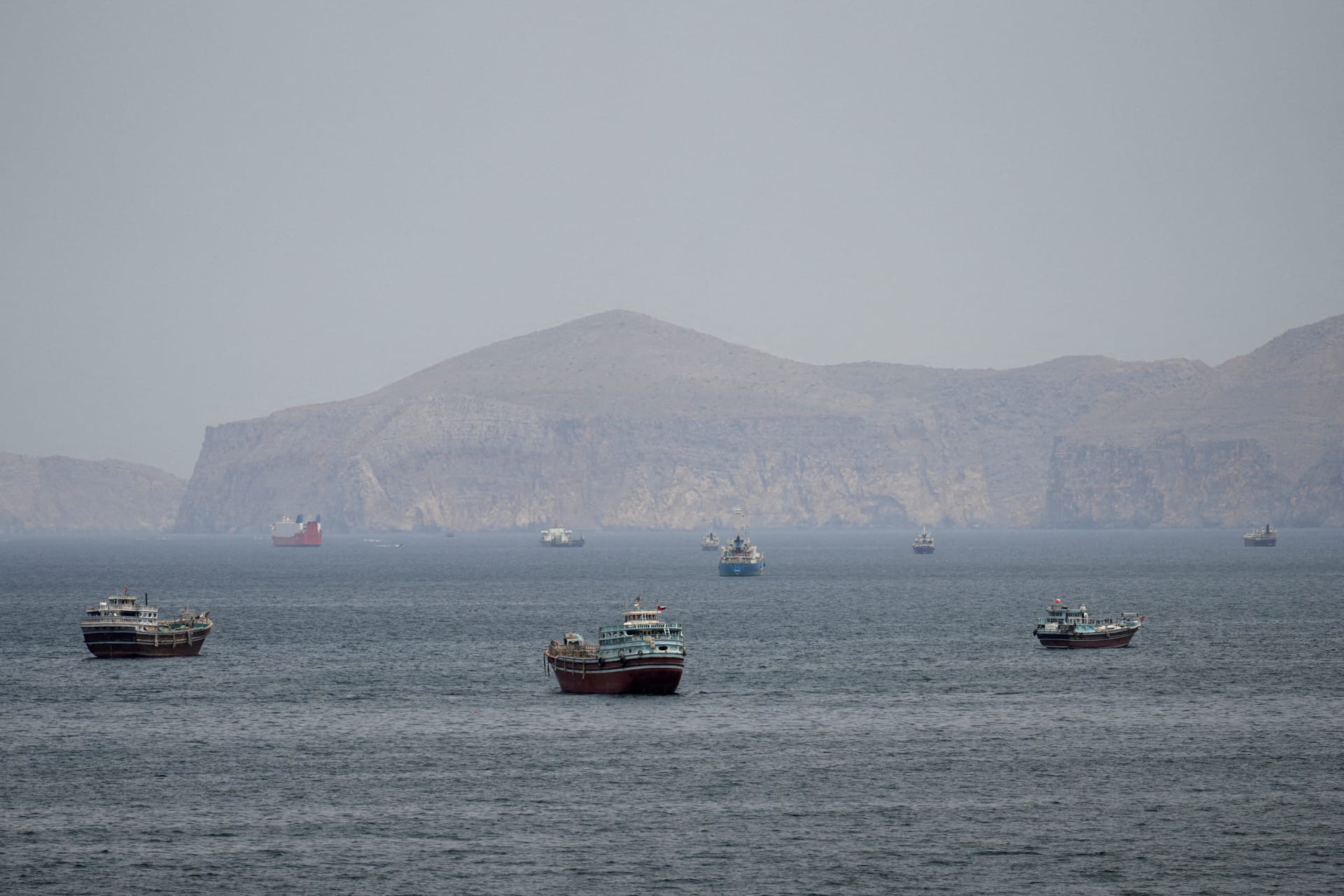
The conflict in the Middle East has turned the Strait of Hormuz into a critical failure point for global food security. The strait’s closure has reduced tanker traffic by more than 95 percent, disrupting millions of tons of fertilizer shipments each month and resulting in an unprecedented shock to agricultural inputs. Unlike the energy crisis of 2022, this disruption hits supply and demand at the same time—with no option for an alternative supply response. Meanwhile, Persian Gulf countries that depend heavily on food imports are cut off, further destabilizing global markets.
Farmers now face difficult decisions that will shape global food production through 2027. They need to reduce fertilizer use and accept lower yields, shift to alternative crops, or absorb much higher costs and risk financial collapse. FAO estimates suggest that cereal producers, specifically, could face income losses of up to 5 percent in 2026, with lasting impacts through 2030. The consequences extend well beyond agriculture, threatening higher food prices, higher food inflation, reduced economic growth, and increased hunger worldwide. Immediate and coordinated action is critical as the window to respond rapidly closes.
Why the Strait of Hormuz Matters: The World’s Most Dangerous Choke Point
The Strait of Hormuz is one of the most strategically important waterways in the global economy. The strait is only twenty-one miles wide at its narrowest point, but it carries approximately 25 percent of global seaborne oil, 20 percent of liquefied natural gas, and up to 30 percent of internationally traded fertilizers. Under normal conditions, around twenty million barrels of oil and several million tons of fertilizer pass through the strait each month.
Since the escalation of conflict in late February 2026, maritime traffic has declined dramatically, as shown in figure 1. By mid-March, export volumes had fallen to less than 5 percent of their pre-conflict levels. Oil production has also been constrained, with export bottlenecks preventing millions of barrels per day from reaching global markets.
The fertilizer sector has been even more severely affected. Unlike oil, no globally coordinated strategic reserves exist for fertilizers. The conflict has damaged key production facilities in the Gulf region or forced them to shut down. Major producers in Iran, Qatar, Saudia Arabia, and the United Arab Emirates have reduced or suspended operations. The loss of those facilities has removed a critical source of supply for global agriculture.
Commodity prices reflect the magnitude of the shock. Urea prices in the Middle East remain between 75 and 108 percent above pre-conflict levels. Oil prices have risen by more than 30 percent, and European natural gas prices have increased sharply, raising the cost of nitrogen fertilizer production worldwide.
The Strait of Hormuz’s importance extends beyond energy. It is a vital conduit for the nutrients that sustain global food production, including nitrogen, phosphorus, and sulfur. Disrupting that flow creates immediate and severe consequences. Agricultural production operates on biological timelines that cannot be delayed. Planting seasons proceed regardless of geopolitical developments.
The Farmer’s Dilemma: Produce Less, Switch Crops, or Lose Everything
The timing of the crisis has intensified its impact. In the Northern Hemisphere, farmers are forced to reconsider their production strategies for the spring as fertilizer prices rise sharply, in some cases doubling or tripling, as figure 2 shows.
One option is to reduce fertilizer use. Although doing so could be rational at the individual level, reducing use leads to significant declines in yield. The relationship between fertilizer application and crop output is highly nonlinear, particularly in low input systems. In regions such as sub-Saharan Africa, where fertilizer use is already minimal, even small reductions can result in large drops in productivity.
Another option is to shift to crops requiring less synthetic fertilizer. Soybeans, for example, can fix nitrogen naturally through biological processes. Many farmers are already reallocating land away from nitrogen-intensive crops, such as maize and wheat, to soybeans. Market data confirms that trend, with soybean-related prices rising relative to cereals.
[Interactive content — https://cfr-vallenato-media.s3.amazonaws.com/vallenato/wpvip/dw.html?group=HUtrF,mABcI,MdfYi,NOGtC,z8dbR,oJqPQ,iSvIR,jnoh1&gap=50&innerPadding=20,0&chartMinWidth=250]
However, that shift creates new challenges. Soybeans are not a direct substitute for staple grains in human diets, such as wheat or rice. A widespread transition to oilseeds could tighten global grain supplies, increase food prices, and disproportionately affect low-income countries that rely on cereal imports.
A third option is to continue production as usual despite rising costs. For many farmers, that is not financially viable. Fertilizer prices have increased much faster than crop prices, compressing profit margins and pushing many producers toward losses. Without intervention, this situation could lead to widespread financial distress in the agricultural sector.
What the Models Say: A Slower, Poorer, and Hungrier World
To assess the broader effects of the crisis, FAO used a global economic model to simulate different scenarios based on the duration of disruptions. The results are concerning across all scenarios.
At the global level, even moderate disruptions lead to declines in household income and food consumption. Although percentage changes appear small, they translate into tens of millions of people experiencing increased hunger and poverty. Agricultural incomes also decline, with cereal producers facing particularly large losses.
The effects are uneven across regions. Gulf countries experience severe declines in income and food consumption from their heavy reliance on imports. Latin America faces significant consequences as an agricultural exporter dependent on imported fertilizers. Asia, with its intensive use of fertilizers, sees reductions in welfare and risks to key cropping seasons.
Africa presents a mixed picture. Oil exporting countries could benefit from higher energy prices, but most countries in the region are net importers of both food and fuel. For those countries, the crisis exacerbates existing vulnerabilities, including high debt levels and food insecurity.
In the most severe scenario, where disruptions persist into 2027, the global economy fails to return to its previous trajectory. Even by 2030, income and food consumption remain below baseline levels. The crisis leaves a lasting impact, reshaping global agriculture and economic outcomes.
What Governments Must Do
The analysis makes clear that waiting for a resolution to the conflict is not an option. Governments need to act immediately and decisively across multiple time horizons.
In the short term, supporting farmers during the current planting season is the priority. That includes providing access to fertilizers, expanding credit to offset rising costs, and ensuring that trade routes remain open. Governments should also take measures to prevent the diversion of food crops into fuel production and to avoid energy and fertilizer export restrictions that could worsen global shortages.
In the medium term, countries need to diversify their sources of fertilizer and reduce dependence on a single region. Regional cooperation can help establish buffer stocks and improve resilience to future shocks. Financial support mechanisms are also essential for countries facing balance-of-payments pressures.
In the long term, the crisis highlights the need for structural transformation. Investment in sustainable fertilizer production, including green ammonia, can reduce reliance on fossil fuels. Strengthening domestic agricultural systems and improving supply chain resilience will be critical to managing future risks.
Conclusion: The Clock Does Not Move Backward
The crisis in the Strait of Hormuz is not a temporary disruption. It represents a structural shock that exposes the fragility of global food systems. Agriculture operates within fixed biological constraints, and delayed responses lead to irreversible consequences.
Farmers are already making decisions that will shape next year’s production. Households are already adjusting consumption as prices rise. Governments that delay action risk deeper, more prolonged effects.
The path forward requires coordinated action across trade, finance, agriculture, and energy. Without it, the world will face higher food prices, increased hunger, and lasting economic damage. The urgency is clear. The clock is ticking.
This work represents the views and opinions solely of the authors. The Council on Foreign Relations is an independent, nonpartisan membership organization, think tank, and publisher, and takes no institutional positions on matters of policy.