The Specter of Genocide Returns to Darfur
As Sudan’s civil war approaches its fourth year, the atrocities that have amassed are showing clear signs of genocide. The city of El Fasher illustrates the horror unfolding.

David J. Scheffer is a senior fellow at the Council on Foreign Relations with a focus on international law and international criminal justice. He was the lead U.S. negotiator for four war crimes tribunals and the creation of the International Criminal Court.
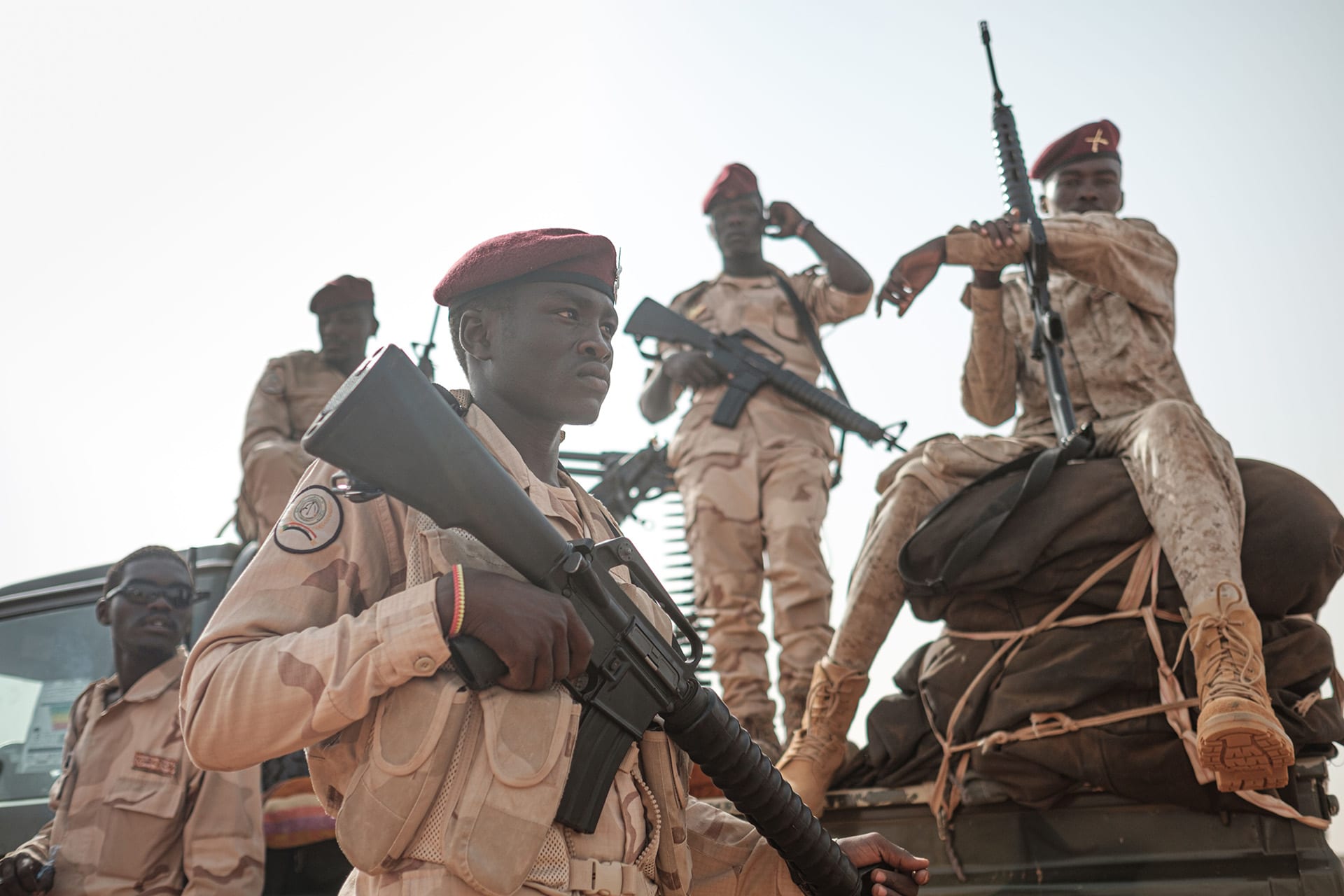
The specter of genocide once again has descended upon Sudan, where civil war has raged between the Sudanese Armed Forces (SAF) and the paramilitary Rapid Support Forces (RSF) since April 2023. The recent theater of atrocity crimes has been El Fasher, a city in the country’s western Darfur region.
On February 19, the UN Human Rights Council’s Independent International Fact-Finding Mission for the Sudan (Fact-Finding Mission) reported that mass killings and related atrocities during the RSF’s takeover of El Fasher last October revealed “indicators of a genocidal path.” What happened there surpasses what most people can imagine and compels a reckoning with international justice.
Accountability for Sudan’s violent past and indicted fugitives still at large
Sudan’s current bloodshed mirrors that of its not-so-distant past. The murderous violence two decades ago in Darfur, orchestrated by Sudan’s then-President Omar al-Bashir and executed by the Janjaweed militia against several Darfur tribes, seized global attention that far surpassed today’s momentary interest. The United States designated it as genocide in 2004, and by the next year, the UN Security Council referred the situation in Darfur to the International Criminal Court (ICC) for investigation and prosecution of genocide, crimes against humanity, and war crimes.
Today, there are four fugitives resisting ICC arrest for the Darfur crimes, including al-Bashir, who is charged with the crime of genocide. Last October, an ICC trial chamber convicted a Janjaweed leader of crimes against humanity and war crimes that he committed in Darfur during 2003 and 2004, and he has been sentenced to twenty years of imprisonment. (He has appealed the judgment.) The ICC is the only international court seized with the Darfur atrocity crimes—and its jurisdiction remains open-ended to investigate such crimes being committed in Darfur now and in the future.
The legal requirements of genocide
A February 2026 UN report titled “Hallmarks of Genocide in El-Fasher” paints a grisly picture of what transpired in the city where 1.5 million Sudanese had lived before the civil war broke out. Several governments took immediate notice. On the heels of similar actions by the United Kingdom and the European Union, on February 19, the U.S. Treasury Department sanctioned three RSF commanders for their participation in the siege and full-scale assault against El Fasher.
The Fact-Finding Mission focused on whether genocide occurred at El Fasher alongside crimes against humanity and war crimes. Genocide is not an easy crime to investigate or prosecute. So for the Fact-Finding Mission to report so profoundly on the crime’s seeming presence at El Fasher should ring a global alarm bell.
The crime of genocide has three critical requirements [PDF] under the Convention on the Prevention and Punishment of the Crime of Genocide and in the governing statutes of the modern criminal tribunals, including the ICC.
First, the act of genocide must fall within one of five categories: killing members of the protected group, causing serious bodily or mental harm to members of the group, deliberately inflicting on the group conditions of life calculated to bring about its physical destruction in whole or in part, imposing measures intended to prevent births within the group, and forcibly transferring children of the group to another group.
Second, the protected group must be identified in one of four categories: national, ethnic, racial, or religious in character.
Third, the perpetrator must commit the act of genocide with the specific intent to destroy, in whole or in substantial part, one of the protected groups.
The case of El Fasher
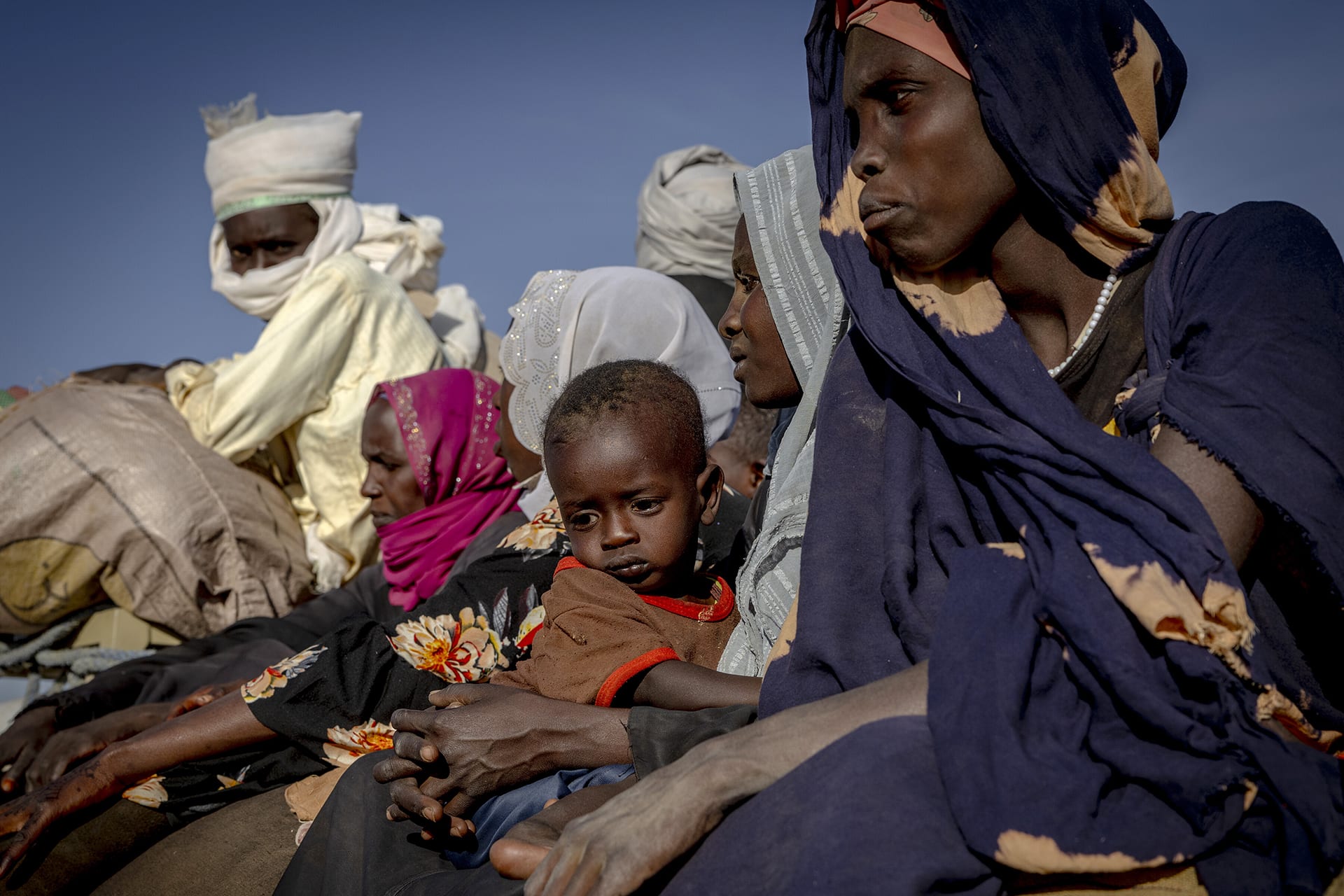
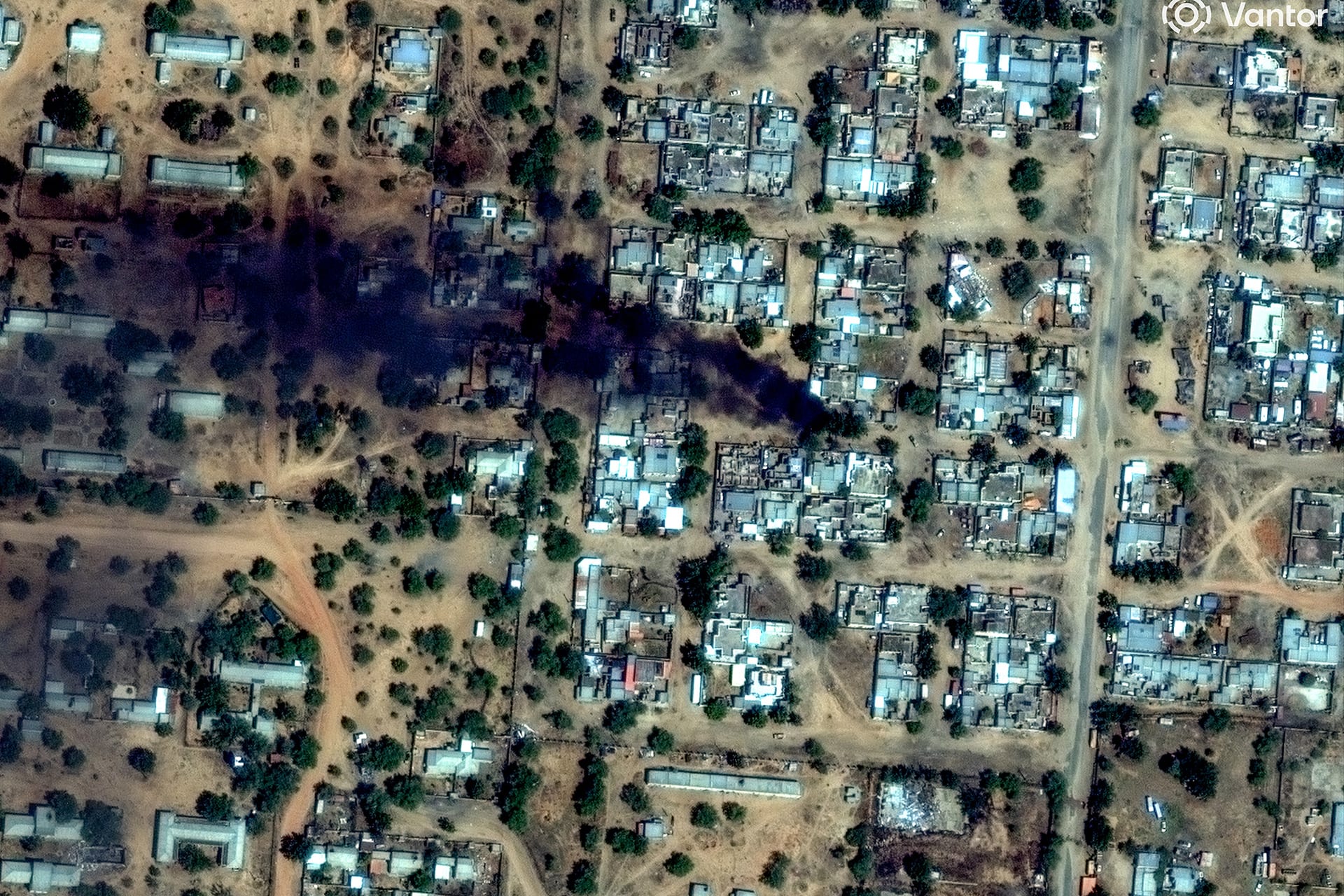
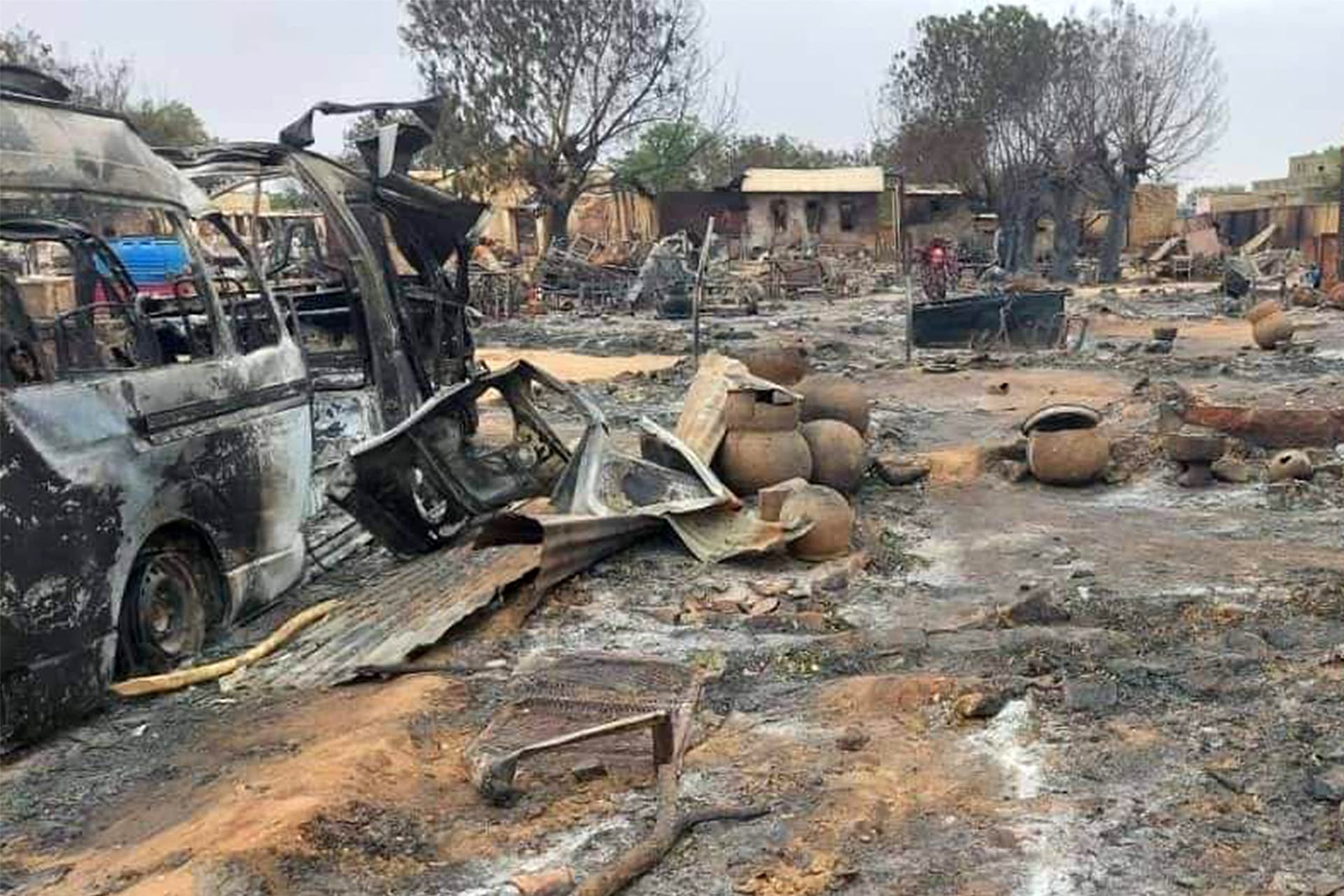
El Fasher suffered an eighteen-month siege until it fell to the RSF in late October 2025. During those months, civilians in the city faced worsening food shortages and the destruction of water systems, which led many to risk being shot or detained while seeking food and water. They also faced severe limits on medical supplies, attacks on health facilities that rendered many dysfunctional, and attacks on humanitarian centers, convoys, and health workers.
Survivors described individuals being gunned down in the streets, trenches and public buildings where they were hiding, while bodies of men, women and children filled the roads.
The last remnants of the SAF withdrew from El Fasher on October 25, 2025. The next day, the RSF entered the city where an estimated 260,000 besieged residents were waiting. (Fortunately, about 100,000 of them reportedly fled El Fasher in subsequent weeks.) There then commenced three days of intense violence against the civilian population. Roughly six thousand civilians perished during that period, and there are estimates of many more being killed since then.
In its report, the Fact-Finding Mission invoked “the war crime of starvation, which may also amount to the crime against humanity of extermination,” considering the deprivation of access to food and medicine through repeated, indiscriminate shelling and attacks on civilian and humanitarian infrastructure. “By the time the Rapid Support Forces entered the city,” the report said, “its residents were physically weakened, malnourished, traumatized, and in part unable to flee, leaving them defenceless against the extreme level of violence that ensued.”
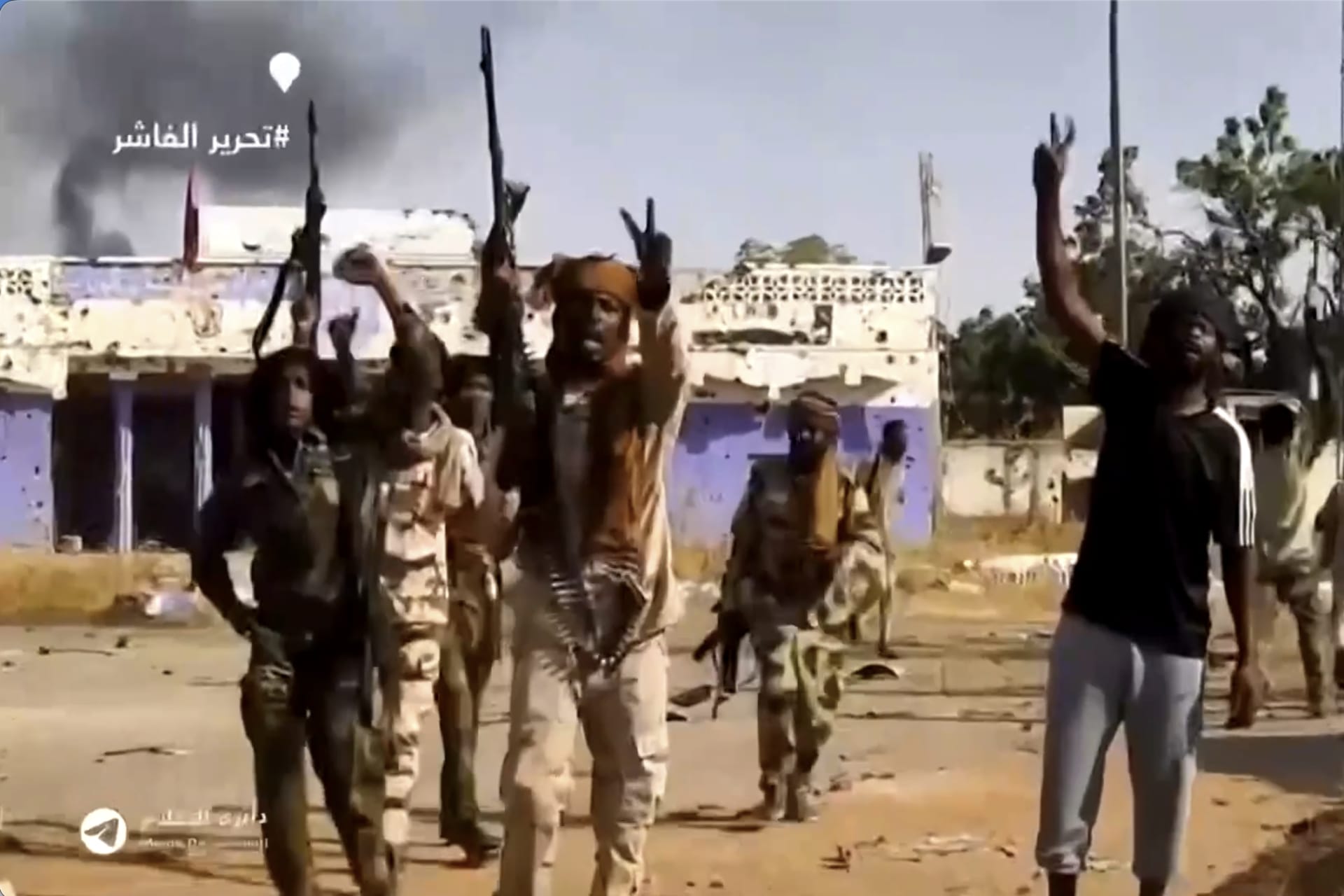
The Fact-Finding Mission detailed acts committed by the RSF in El Fasher that are crimes against humanity and war crimes and, in particular, “are overwhelmingly present” as acts of genocide. These include:
Mass killings. Mass killings occurred throughout the city. Survivors “described individuals being gunned down in the streets, trenches and public buildings where they were hiding, while bodies of men, women and children filled the roads.” The RSF committed mass executions at three main exit points as civilians sought to flee and further executions at the earthen berms and trenches that the RSF had constructed around the city. The RSF “opened fire indiscriminately on those attempting to flee, killing those who could not get out of the berms or move away quickly.” The RSF filmed themselves doing this.
At El Fasher University, the RSF went on a torture and killing spree against thousands of civilians seeking refuge there. The Fact-Finding Mission reported:
Survivors described the Rapid Support Forces commander, who identified himself as “Abu Lulu”, as particularly ruthless. He became known as the “Butcher of El-Fasher”. On 27 October 2025, a family of 13 was forced at gunpoint to walk to El-Fasher University, passing numerous corpses along the way. Upon arrival, “Abu Lulu” identified himself, shouting, “I will kill you like fat autumn locusts.” Shooting at people at random and killing several, at one stage he stopped, saying, “I was planning to kill 2000 people today, but I lost count, so I will start all over again”. He resumed the shooting.
Shooting at people at random, Abu Lulu stopped, saying, ‘I was planning to kill 2,000 people today, but I lost count, so I will start all over again.’ He resumed the shooting.
An estimated 460 patients and others were killed at El Saudi Hospital, and their corpses were later burned.
Civilians—women, children, and men—attempting to flee the city were killed. Survivors estimated that hundreds of people were killed by perpetrators “chasing people in open fields, firing at them with automatic rifles and mounted submachine guns, and running over fleeing persons with vehicles, causing mass casualties.” Verified video supports many of these assaults on civilians.
Causing serious bodily or mental harm to members of the group. The Fact-Finding Mission described the RSF actions that caused serious bodily or mental harm and thus might trigger genocide charges. Primary among these were many categories of rape and sexual violence. The introductory paragraph of this section of the report sums up the findings:
At the centre of the takeover and its aftermath were widespread, systematic and coordinated acts of sexual violence primarily targeting women and girls from non-Arab communities, particularly the Zaghawa. Women and girls ranging from 7 to 70 years old, including pregnant women, were subjected to rape and other forms of sexual and gender-based violence. This included acts of killings, whipping, beatings, humiliation, forced nudity, and sexual harassment while looting of their belongings. Survivors consistently reported that numerous women were raped during the same incidents, which indicates that the cases documented by the Mission represent only a fraction of a far wider pattern.
Also cited in addition to serious bodily and mental harm were examples of forcible detention, torture, humiliation, extortion, ransom, and disappearances.
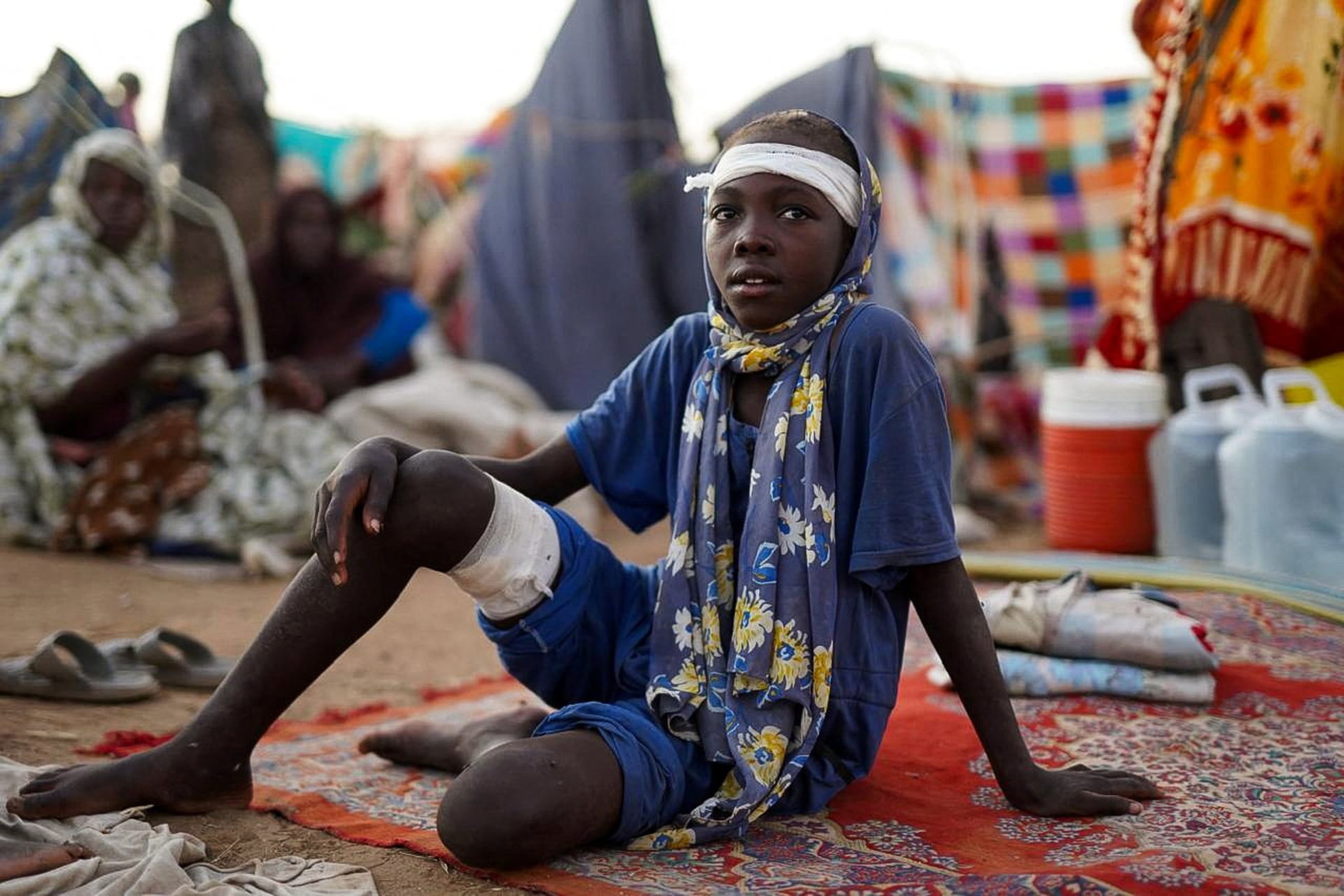
Conditions of life calculated to bring about physical destruction. The Fact-Finding Mission described conditions of life calculated to bring about the physical destruction of a group (in this case the Zaghawa and the Fur) that occurred before and after the three days of horror. One prominent example was the siege of El Fasher and the life-threatening conditions imposed under it. Another was the fate of the survivors who suffered lasting trauma and grief.
International crimes and accountability
Any act of genocide must be paired with the perpetrator’s specific intent to destroy, in whole or in part, a national, ethnical, racial, or religious group to be successfully prosecuted. The Fact-Finding Mission concluded that the RSF committed “serious violations of international humanitarian law and international human rights law, amounting to international crimes, in and around El-Fasher during the siege and following the takeover of the city.” The report continued, “While individual acts constitute war crimes and crimes against humanity, their consolidation, scale, systematic nature, and cumulative effects may indicate a path to genocide.” On February 24, the members of the UN Security Council condemned the RSF’s lethal operations elsewhere, in the Kordofan region east of Darfur. The Council should now adopt a resolution expanding the jurisdiction of the ICC beyond Darfur to investigate atrocity crimes allegedly being committed by the RSF or the SAF anywhere in Sudan.
Further, one or more countries that are party to the Genocide Convention should file a case at the International Court of Justice against Sudan, which is party to the Convention, to establish legal findings of genocide. This would open doors to order actions for all warring parties in Sudan to prevent and punish the crime of genocide. Paramount among such measures is terminating arms trade with external actors that fuel the fires of genocide.
This work represents the views and opinions solely of the author. The Council on Foreign Relations is an independent, nonpartisan membership organization, think tank, and publisher, and takes no institutional positions on matters of policy.
Colophon
Data Visualization
- Will Merrow
- Austin Steinhart
Additional Reporting
CFR Research Associate Alexander Sarchet provided research for this article.