Andy Burnham Is the Seventh UK Prime Minister Since Brexit. What Happened to the Others?
Andy Burnham will be the United Kingdom’s seventh prime minister in a decade. Here’s a rundown of the country’s previous six leaders and why they left office.
By experts and staff
- Updated
- Roxy EkbergDigital Editorial Intern
The United Kingdom (UK) is experiencing an unprecedented wave of political leadership turnover. Six prime ministers have stepped down since the 2016 Brexit referendum.
The volatility in the UK’s highest executive office has been fueled by economic instability, political polarization, and personal scandals. The prime minister is head of the UK government, but is also a member of the legislature and remains in power only as long as they retain enough support to govern. They can be forced out of office if they lose a vote of no confidence from their own party or Parliament, if their party loses a general election, or, in some instances, if their administration experiences mass resignations that effectively paralyze the government.
Just shy of two years in office, Keir Starmer became the country’s most recent prime minister to step down after announcing his resignation on June 22. His successor, Andy Burnham, was sworn in on Monday, becoming the UK’s seventh leader in a decade. Here’s a look at who has held the position in that time and what caused them to leave office.
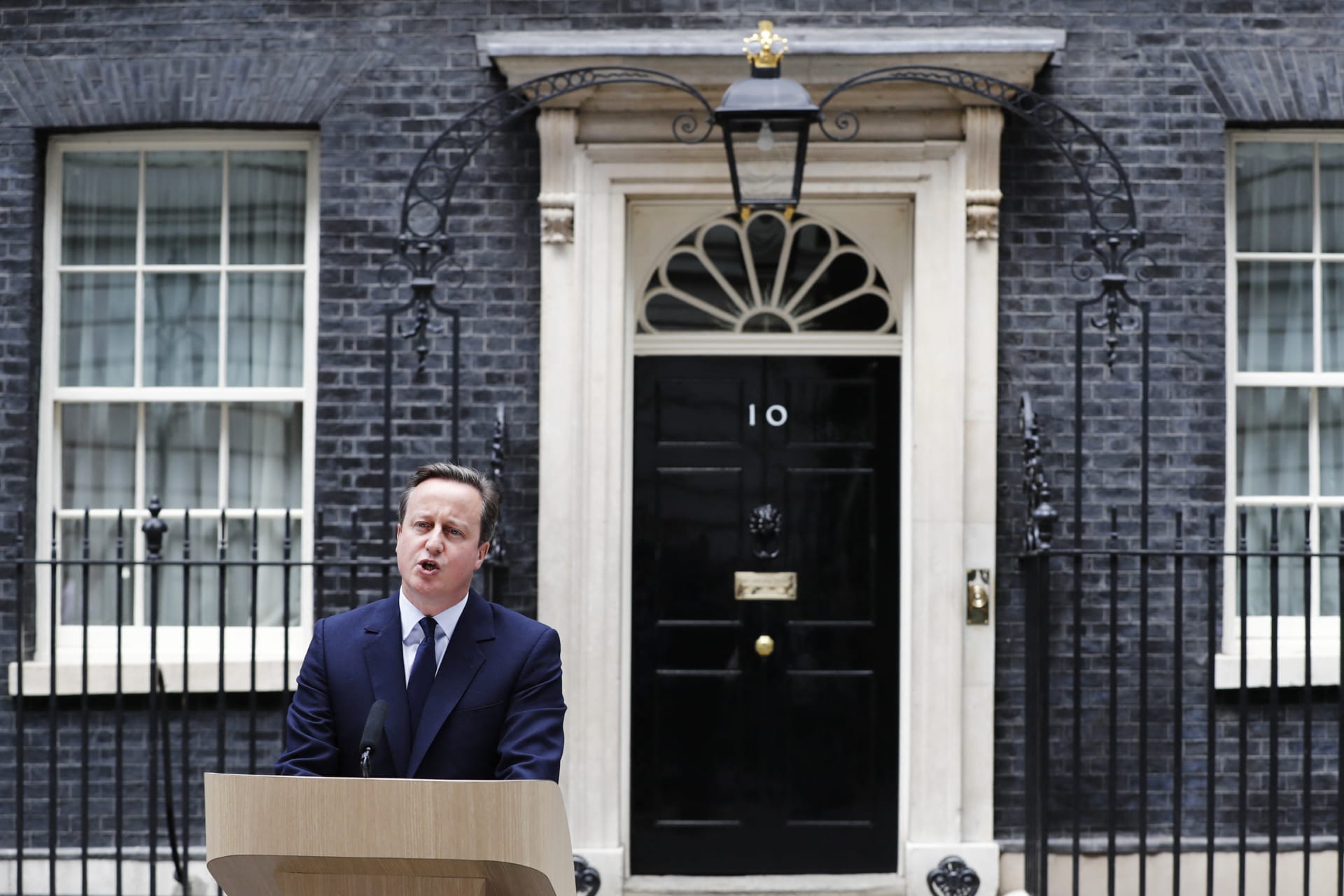
David Cameron
May 2010–July 2016
Taking office in the wake of the global financial crisis, Cameron formed the first coalition government since World War II, between his Conservative Party and the Liberal Democrats. In his second term, he secured the Conservatives’ first parliamentary majority in more than two decades.
However, Cameron’s premiership was ultimately defined by Brexit—Britain’s withdrawal from the European Union (EU). Cameron campaigned hard against turning away from the bloc after nearly five decades of membership, arguing the move would amount to “economic self-harm.” Instead, he advocated for reforms on immigration, economic governance, competitiveness, and British sovereignty. In February 2016, he set a June referendum on the issue, leaving it up to the public to decide. He resigned a day after 52 percent of voters backed leaving the EU.
Theresa May
July 2016–July 2019
May was the UK’s second-ever female prime minister, and her time at Downing Street was initially marked by economic progress: the national debt fell, employment peaked, and income taxes were slashed for tens of millions of people.
However, her tenure was plagued by major controversies. In response to evidence that Syria’s Bashar al-Assad regime used chemical weapons on its own people, May ordered British forces to join U.S. and French strikes on Syria in 2018 without seeking parliamentary approval. This was followed by the resignation of May’s home secretary, Amber Rudd, over her department’s handling of a controversial immigration policy that May introduced in 2012 when she was home secretary.
But perhaps the biggest test of May’s tenure was Brexit. As Cameron’s successor, she was responsible for managing the UK’s withdrawal from the EU. But she resigned in July 2019 after her separation agreements repeatedly failed to win approval from Parliament.
Boris Johnson
July 2019–September 2022
Johnson, a prominent May critic, successfully oversaw the UK’s departure from the EU in January 2020 after securing parliamentary approval of a revised withdrawal agreement.
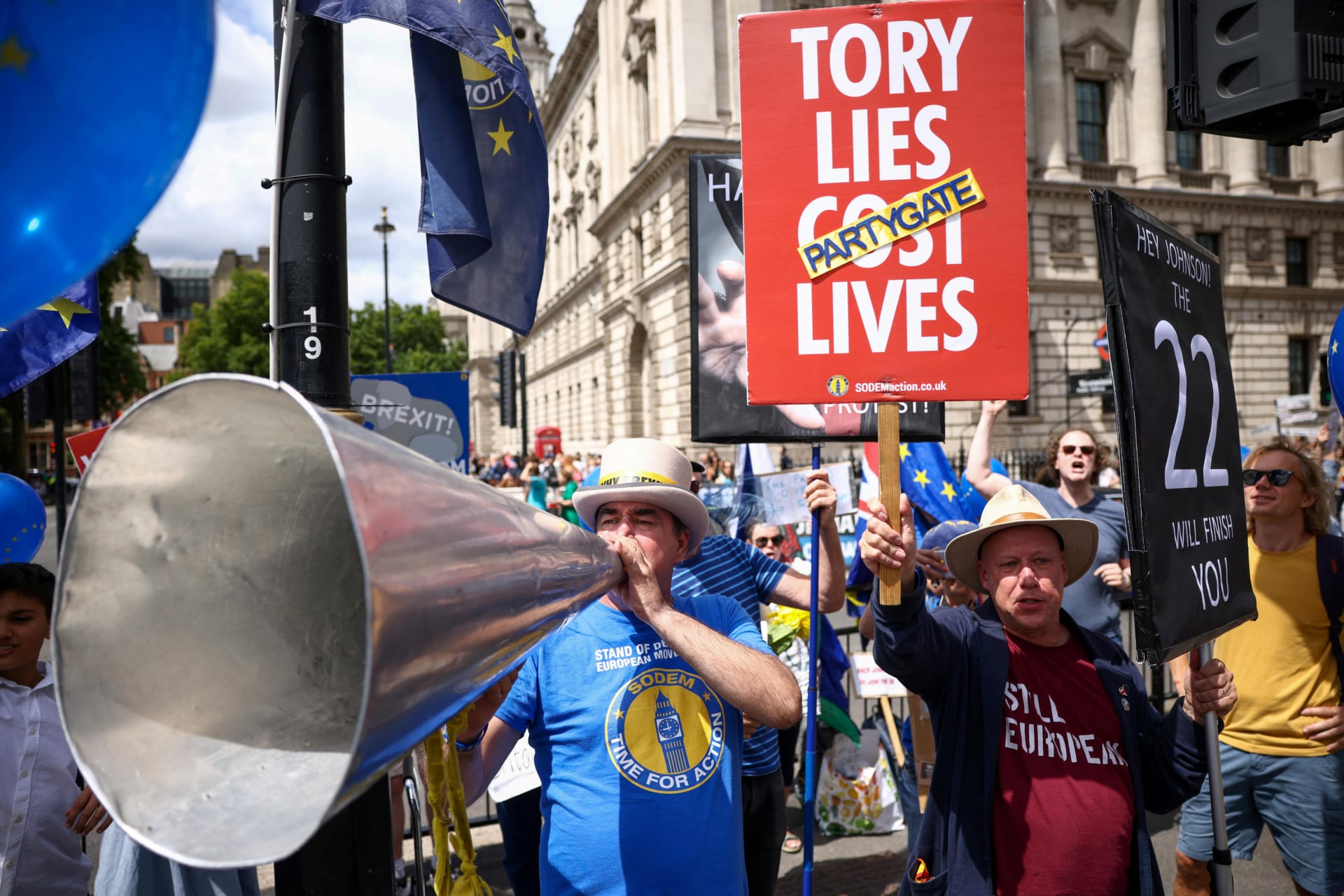
Yet Johnson became embroiled in multiple high-profile scandals of his own. These included his controversial handling of sexual misconduct allegations against a fellow Conservative Party member, as well as so-called partygate, which involved reports that Johnson and members of his cabinet and staff violated lockdown rules by attending large parties during the COVID-19 pandemic. The incident made Johnson the first incumbent prime minister found to have broken the law. He stepped down after dozens of his own ministers and government officials resigned.
Liz Truss
September 2022–October 2022
Prior to becoming prime minister, Truss held various cabinet positions under Cameron, May, and Johnson.
Truss’ tenure in office—just forty-nine days—is the shortest in British history. Her administration was notably forced to pause its economic and policy agenda for ten days following the death of Queen Elizabeth II. She ultimately resigned after her so-called mini-budget, which proposed tens of billions in unfunded tax cuts, triggered a severe economic crisis that saw the British pound plummet and government bond yields soar.
Rishi Sunak
October 2022–July 2024
Within a week of Truss’ resignation, the ruling Conservative Party elected Sunak to take her place. He was the UK’s first British Asian and first millennial to hold the prime minister position, taking office at only age forty-two.
Sunak served for less than two years, and his domestic agenda was often overshadowed by the lackluster economy he inherited, the continued war in Ukraine, and conflict in the Middle East. In a surprise move, Sunak called an early general election for July 2024, which some political analysts speculated was because he wanted to capitalize on improving economic conditions. However, the election saw the Labour Party secure a landslide victory. Sunak subsequently resigned, ending fourteen consecutive years of Conservative leadership.
Keir Starmer
July 2024–July 2026
Starmer pledged to bring about a “national renewal” for Britain, but his premiership was marred by a series of political missteps. One of the most prominent was Starmer’s appointment of Peter Mandelson as UK ambassador to the United States in late 2024, when Mandelson’s close ties to the late convicted sex offender Jeffery Epstein were already known. Starmer fired Mandelson in late 2025 after new documentation released by the U.S. Justice Department revealed Mandelson had lied about the extent of his relationship with Epstein.
Starmer also faced party infighting, which worsened after his Labour Party suffered heavy losses in May 2026 local elections. The party’s poor performance, which Starmer took responsibility for, ultimately pushed him to announce his resignation.