Asia

Nepal

  • COVID-19
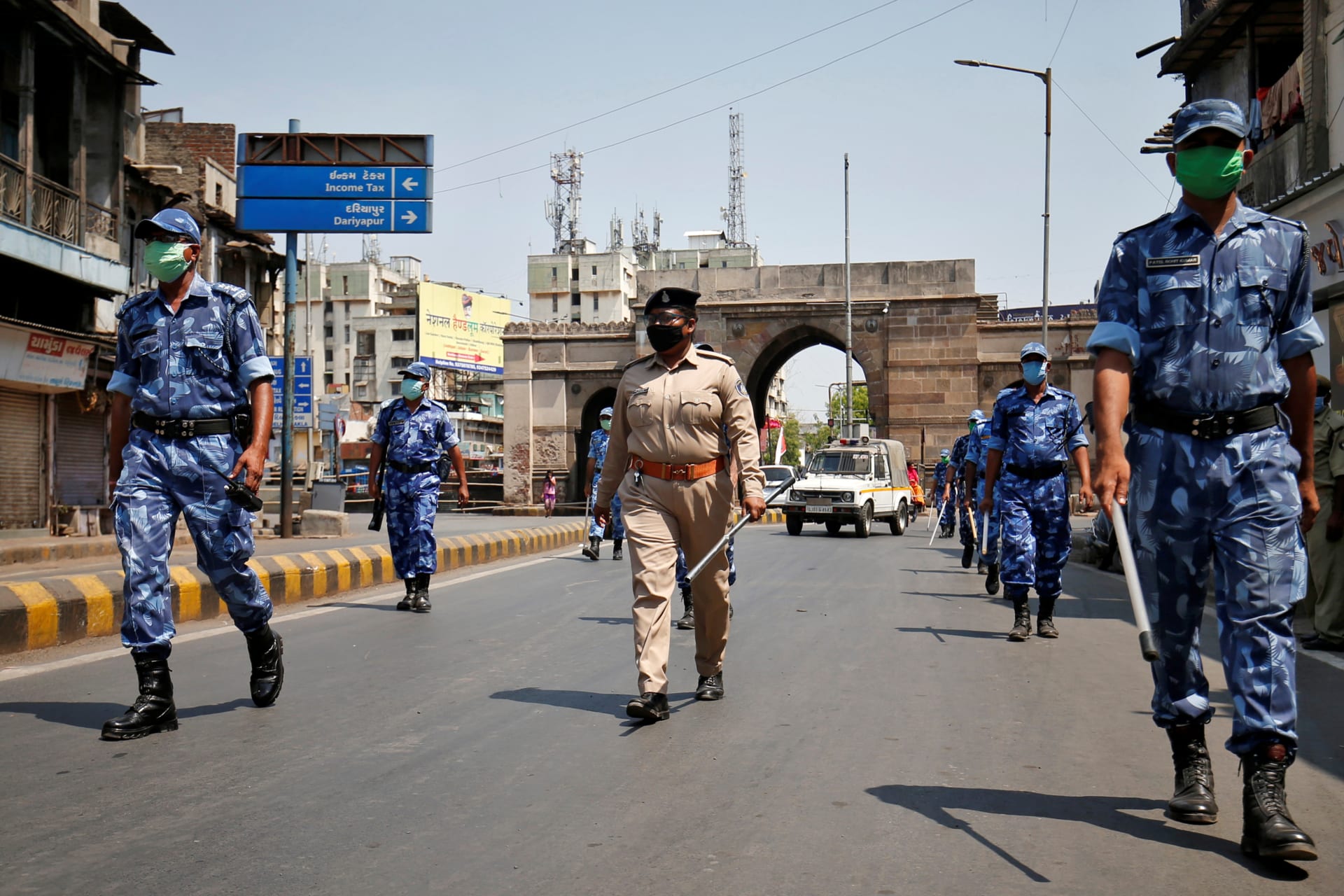
    Coronavirus in South Asia, April 15, 2020: India, Pakistan, and Others Extend Lockdowns; Surge in Bangladesh
    As Modi, Khan, Hasina, and other leaders tackle COVID-19 (coronavirus) by prolonging national shutdowns, economic forecasts indicate a rocky year ahead for South Asia.
  • India
    South Asia Reads: January 27, 2020
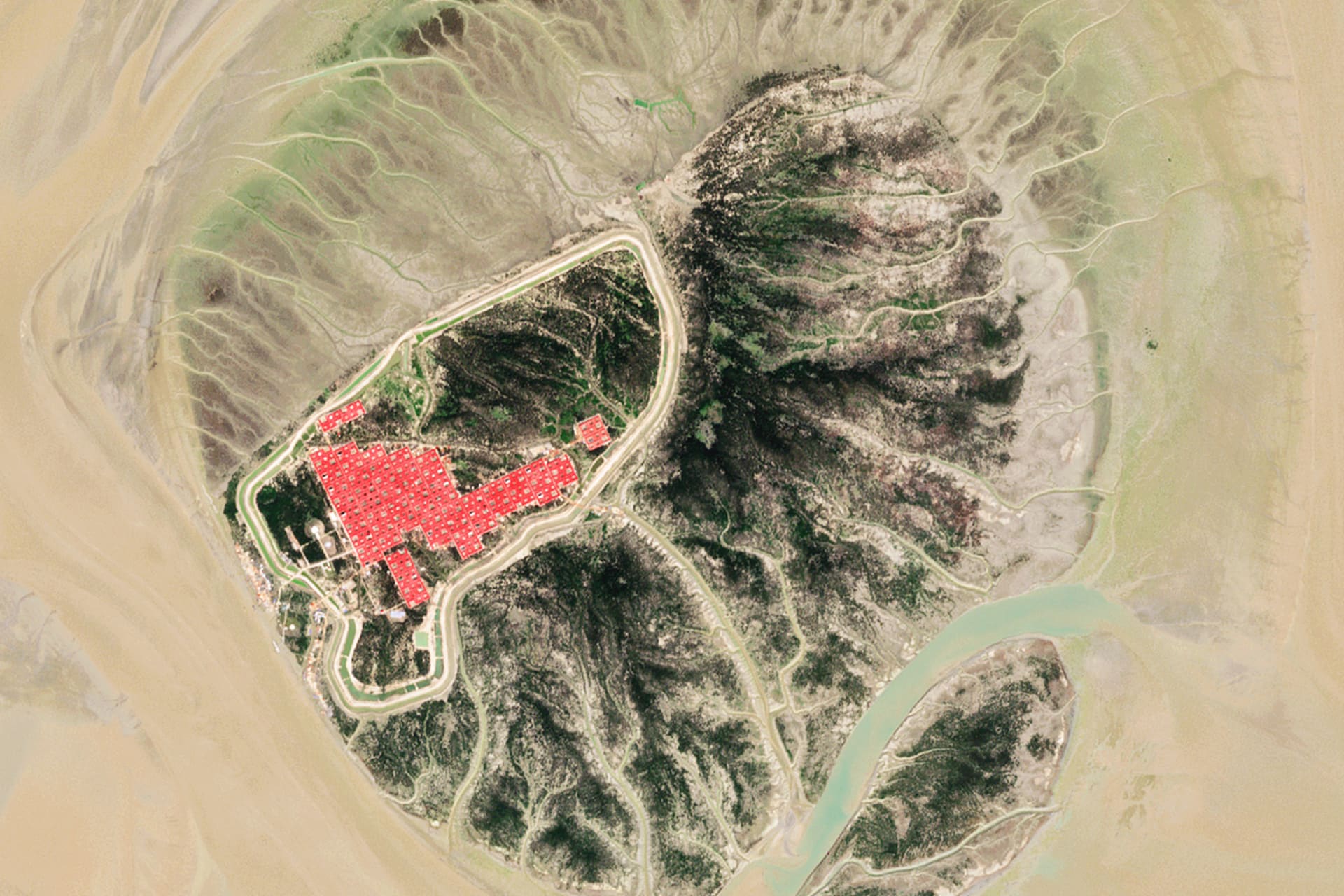
    As 2019 came to a close, annual reports showed just how nations' economies and governments measured up—and how countries in South Asia slid backward on many metrics. Plus: an island settlement for Rohingya refugees that leaves questions unanswered, continued protests in India, and a new approach to counter poaching in Nepal.
  • Colombia
    Women This Week: First Female Mayor of Bogota
    Welcome to “Women Around the World: This Week,” a series that highlights noteworthy news related to women and U.S. foreign policy. This week’s post, covering October 25 to November 1, was compiled by Yuxin Lei and Rebecca Turkington.
  • India
    Bilateral Mishap: A View From Nepal
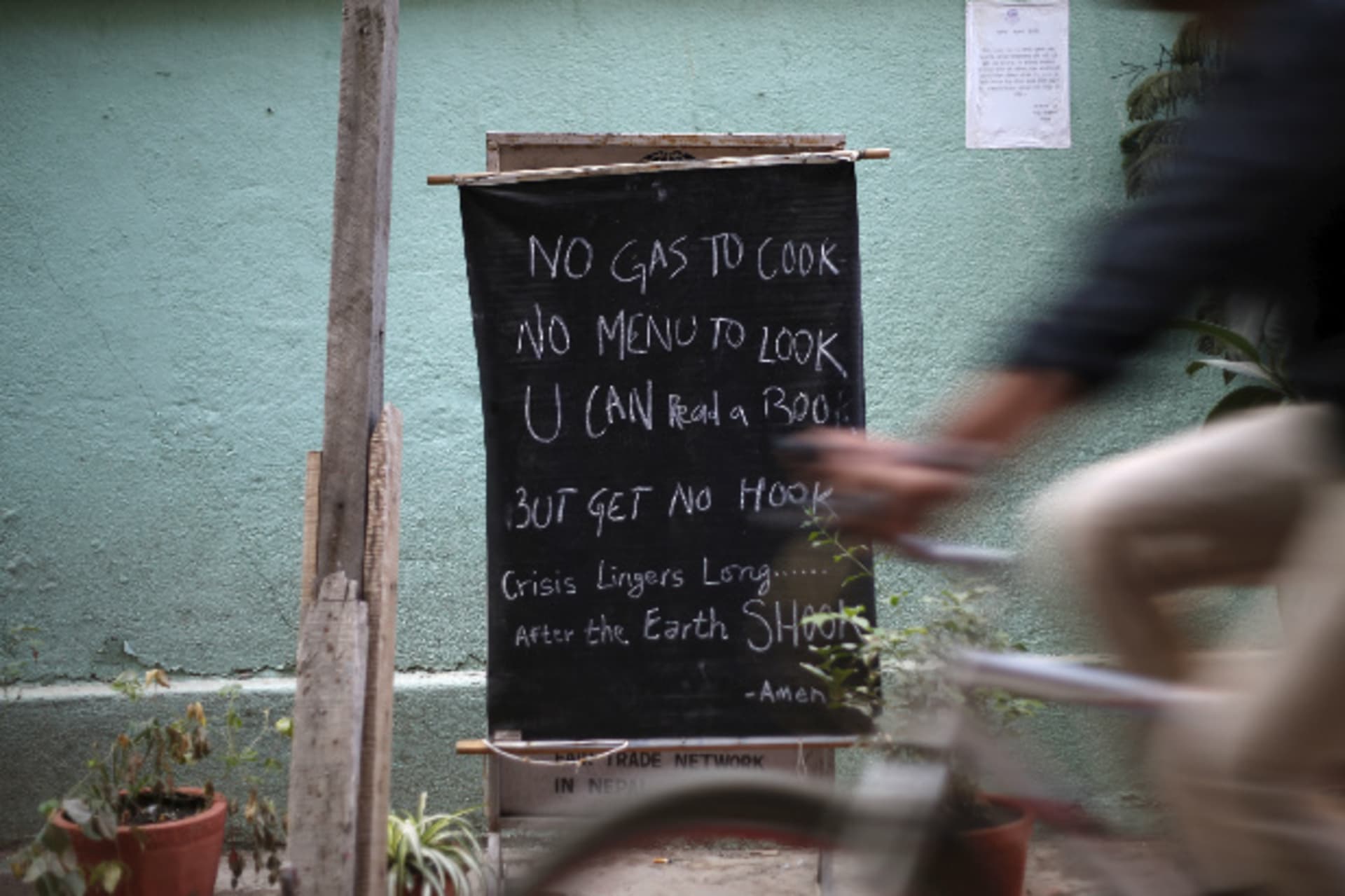
    Sujeev Shakya is the author of Unleashing Nepal and chairs the Nepal Economic Forum. www.sujeevshakya.com  India has a lot to do to rebuild its relationship with Nepal. Nepali Prime Minister K. P. Oli visits India this week with a jumbo delegation at a time when Nepal-India ties have plunged to their lowest point in recent history. India had just shored up its image in Nepal with two successful visits of Indian Prime Minister Narendra Modi in August and November of 2014, followed by unprecedented support in the relief and rescue efforts after the April 2015 earthquake. But the warmth chilled by September 2015, with the announcement of a new constitution in Nepal and an “informal” blockade on trucks heading across India’s border with Nepal. Nepal officially promulgated a new constitution on September 20, 2015. The constitution resulted from eight years of deliberation, and 90 percent of the constituent assembly approved the text. It was the culmination of hard-won peace in Nepal after the end of a ten-year Maoist insurgency. Nepal has seen the end of 240 years of monarchy and transitioned to a federal republic through a difficult but ultimately successful peace process that incorporated the one-time Maoist insurgents into mainstream politics. When India merely noted the completion of Nepal’s constitution in a press statement, it was clear that New Delhi was not satisfied with the end product. Although a big achievement, contentious provisions in the new constitution triggered controversy within Nepal and attracted criticism from India. The most critical issue concerns citizenship rights. The constitution does not treat Nepali women and men equally when it comes to passing on citizenship to their children. Questions also remain over whether a foreigner naturalized as a Nepali citizen can hold political positions. Additionally, some—especially the Madhesi communities living along the border with India—are dissatisfied with the way the constitution demarcates states. “Informal” Blockade The Madhesis, many of whom are of Indian origin and live in the plains near the Nepal-India border, launched protests against the constitution before its adoption, as they felt their interests were not well represented in the process. Historically, Nepal has been ruled by members of what are called “the hill community” in Kathmandu. During Nepal’s transition from monarchy to federal republic, the Madhesis agitated for greater representation in the political process. Following the official release of the constitution, activists of the Madhesi community took out protests at the border and appealed to the Indian government for an intervention. From Nepal’s perspective, India obliged by tightening the border points, effectively imposing an “informal blockade,” in order to pressure Nepal into making changes to the constitution. (The Indian government denied imposing a blockade, and said that drivers feared entering areas of unrest.) Nepal, a landlocked country, depends on Indian ports and transit routes, formalized through a bilateral transit agreement. Nepal’s biggest import is petroleum products that come through India. The choking of petroleum products and other supplies took a massive toll on Nepal, especially since the country was just recovering from the devastating earthquake. In the cold winter months, the largely hydropower-generated electricity supply experiences up to one hundred hours of disruption per week. The blockade only ended after Nepali leaders announced plans to amend the constitution to address Madhesi concerns. Delhi Is Far Away Before India’s capital was moved to New Delhi from Calcutta (present-day Kolkata) in 1912, the Indian government was physically closer to its neighbors to the northeast. With India’s capital now in New Delhi, India’s Himalayan neighbors appear distant not only geographically, but also in thought, culture, and economic sphere of influence. One result is that countries such as Nepal are seen as buffer states in a strategic competition between India and China. The two fought a border war in 1962, and the border to this day remains unresolved. India watches closely to see how China’s influence may be growing in Nepal. The months of the blockade led the Nepali government to seek fuel supplies for the first time in history from China, across the far more difficult northern border terrain. Oli’s Temporary Triumph and Days Ahead Prime Minister Oli of the United Communist Party - United Marxist Leninist (UML) has benefitted the most from this Indian strategic mishap. The blockade gave him a platform to raise anti-India slogans—a nationalist sentiment key to political survival in Nepal. Oli leads a delicate coalition of rightists, leftists, and prominent opportunists at a moment when governance has plummeted to a historic low and corruption has risen to a historic high. The blockade led to a proliferation of black markets for fuel through networks that allegedly involved politicians, security forces, bureaucrats, and businesses. Oli knows that, after the blockade, people will turn their sights to his dismal performance. India Needs to Recalibrate For India, the challenge is restoring its image in Nepal. New Delhi’s repeated denials of its involvement at Nepal’s border will only add fuel to the anti-India feelings already running high in Kathmandu. Instead, India should shift the focus of the bilateral relationship to areas where Indian states border Nepali provinces. One route is through subregional initiatives like the Bangladesh, Bhutan, India, and Nepal (BBIN) corridor, which will help link India’s Himalayan neighbors with its own states in the northeast. They are the bridge to economic integration with the Southeast Asian economies, critical to unleashing equitable economic growth in India. For this, perhaps India will need to set up a mechanism that trains specialists in the Indian Foreign Service to acquire greater knowledge of countries in the Himalayan region in order to avoid future mishaps. India spends millions of dollars each year to support its Himalayan neighbors, and recently pledged an additional $1 billion to Nepal for earthquake recovery.  Many of India’s citizens in the northeast depend on trade and labor opportunities across the border. To move past the current mood of Nepal-India ties, India should take Oli’s visit as an opportunity to don a fresh set of lenses and make amends.
  • Nepal
    Disaster Relief: China and India Come Together
    Chinese and Indian relief efforts in the aftermath of the 2015 Nepal earthquake set a precedent for trust building between two countries whose cooperation will be crucial to the prosperity of South Asia, write CFR’s Alyssa Ayres and Ashlyn Anderson.
  • Global
    The World Next Week: April 30, 2015
    Podcast
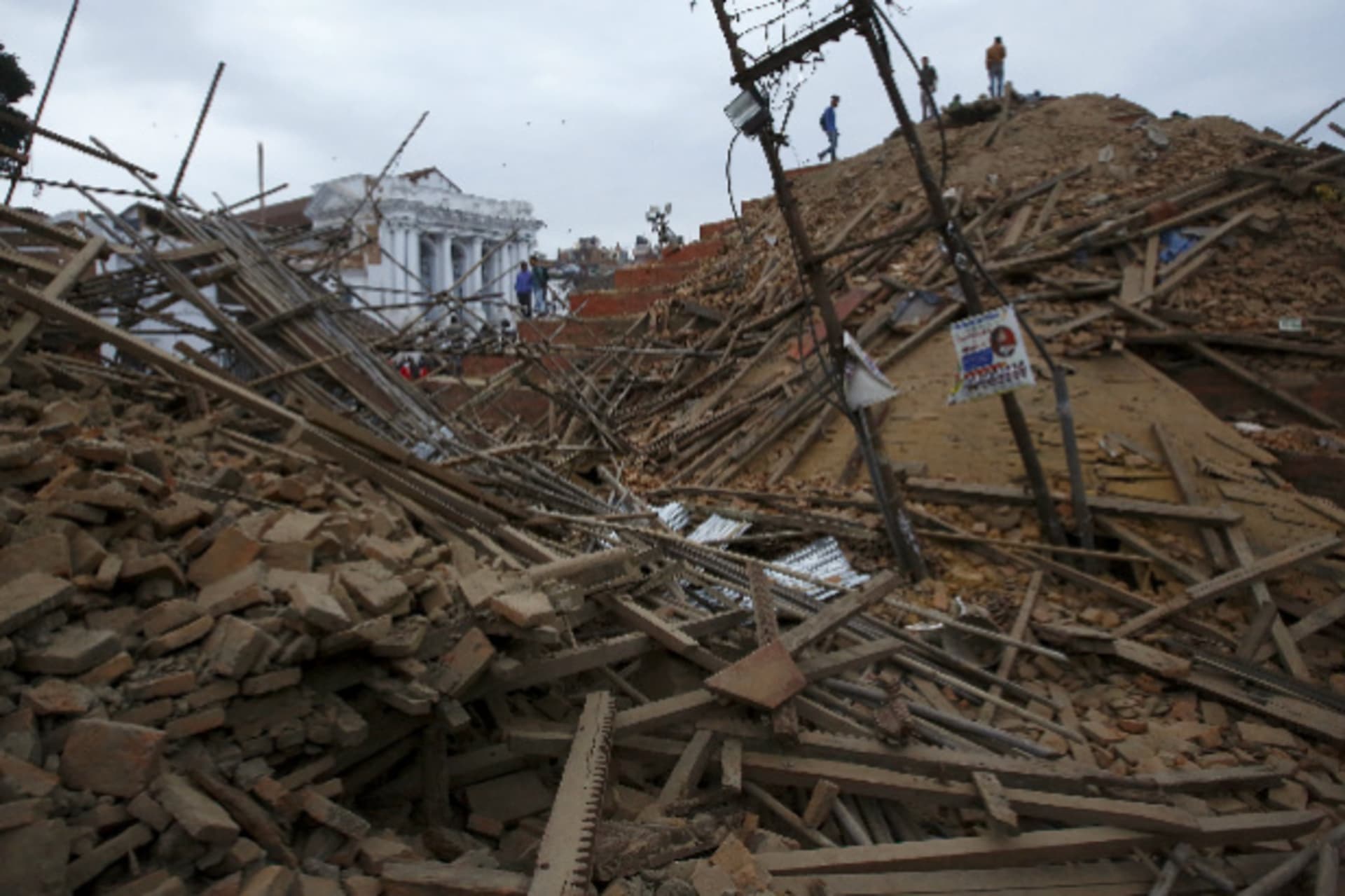
    The U.S. Senate may vote on legislation to review the Iran nuclear deal; Nepal recovers from its earthquake; and the UK holds general elections.
  • Nepal
    Fragile Nepal’s Steep Challenges
    Already struggling to meet the needs of its people before its earthquake, the weak government of Nepal faces enormous obstacles in warding off further disaster and harnessing outside aid, writes CFR’s Laurie Garrett.
  • Nepal
    Rebuilding Nepal
    Nepal’s earthquake underscores how vital it is for governments to invest in resilient infrastructure, says U.S. Institute of Peace President Nancy Lindborg.
  • Nepal
    Nepal Quake: Governance Matters
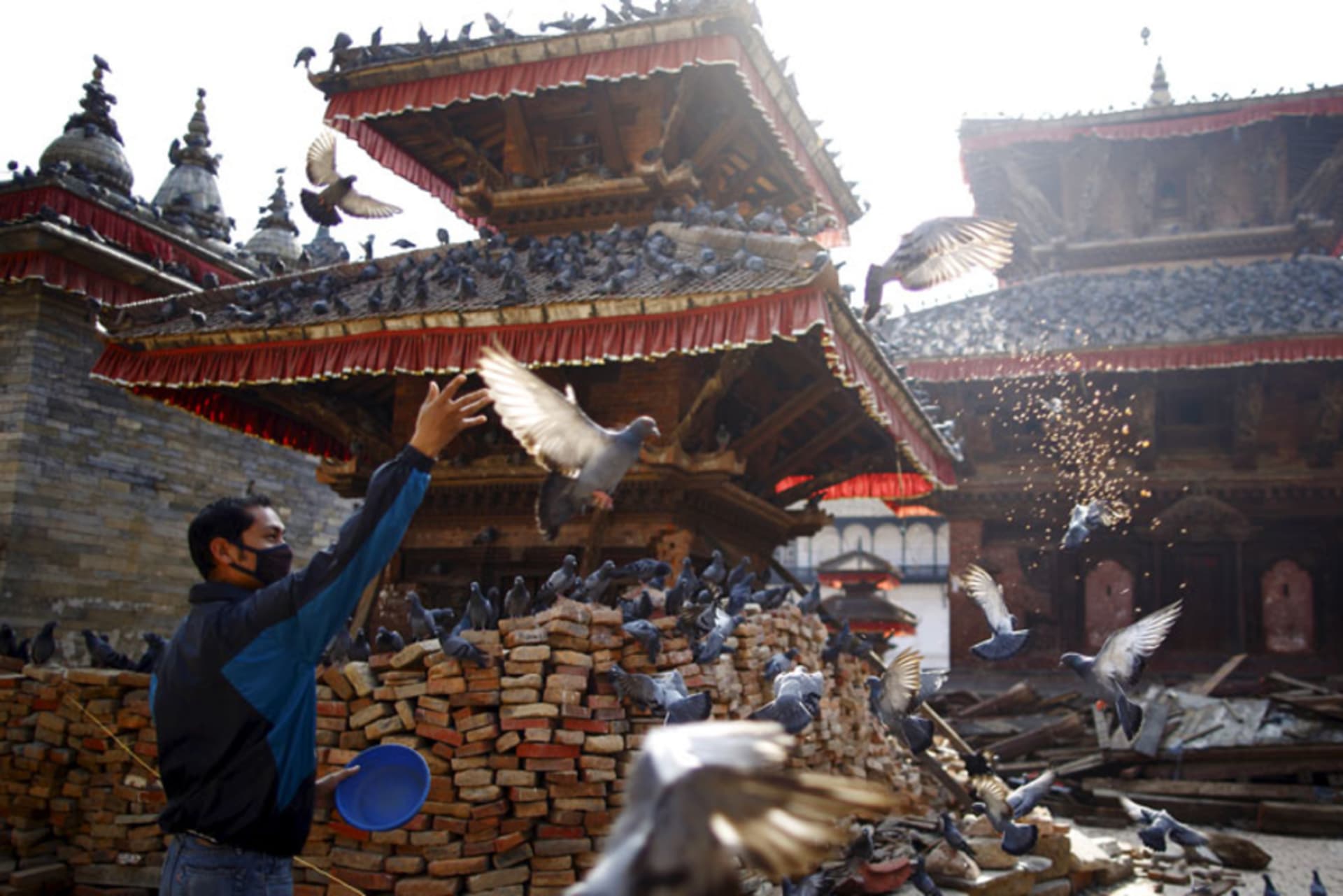
    Several years ago, I went on an “Earthquake Walk” in downtown Kathmandu, a walk designed to raise awareness about the city’s vulnerability to a major earthquake. As we ducked into a traditional courtyard, winding our way through a low narrow corridor before emerging into an open square surrounded by high traditional homes, we saw a big stick propping one edge of a building up against another. I’ve thought a lot about that stick today—its inadequacy, its fragility—as news of Nepal’s quake poured in. Nepal has been waiting for the quake of April 25, 2015 for some years, conscious that it was “overdue” for another. The U.S. Geological Survey has called Nepal “one of the most seismically hazardous regions on Earth.” It sits at the intersection of two tectonic plates, the India and Eurasia, colliding together quickly in geological terms—forty to fifty millimeters each year. That pressure eventually gets released as earthquakes. Source: Reuters Nepal’s last significant earthquake—8.1 on the Richter scale—occurred in 1934. That quake resulted in nearly eleven thousand deaths (around seventeen thousand in both India and Nepal), and caused significant devastation to buildings in the Kathmandu Valley. Prior to that, a quake of between 7.5 and 7.9 took place in 1833. The quake on April 25, measuring 7.8 on the Richter scale, had its epicenter forty-eight miles (seventy-seven kilometers) northwest of Kathmandu. It shook the city; ancient buildings crumbled; and as of late evening Nepal time on April 25, the Nepali government estimated the death toll at nearly fifteen hundred with the expectation it would rise. A major part of Nepal’s vulnerability to earthquake disaster lies in poor infrastructure governance—like the stick serving as a makeshift buttress between buildings. Since the quake of 1934, Nepal’s population has grown, become more urban, and therefore denser. Urban population growth results in rapid building, and Nepal has seen the mushrooming of brittle, multistory concrete structures with little seismic resistance throughout the Valley. Additional levels perched on top of narrow structures originally designed two to three stories high dot Kathmandu’s urban landscape. Buildings like this are clearly not to code by any definition, and create man-made hazard. Due to this known seismic vulnerability, the Nepali government has been focused for some years on a disaster risk reduction approach. The United Nations Development Program (UNDP) and supporting governments, including the United States, have worked with Nepal to identify steps it can take. A brief on UNDP’s Comprehensive Disaster Risk Management Programme is available here. Those steps run the gamut from retrofitting buildings for seismic resistance; strengthening governance practices on matters of zoning and building codes; helping Nepal develop a more robust disaster response management capacity; creating better advance preparations for search and rescue to save more lives; and raising public awareness to the steps individuals can take to prepare themselves better. Nepal developed a National Strategy for Disaster Risk Management in 2008, and has been working to implement it. But progress has been halting due to the country’s problem of on-again-off-again government especially during 2012 and 2013. Nepal has declared a state of emergency now. UNESCO World Heritage sites in downtown Kathmandu have crumbled, and more news of widespread damage will likely emerge in the coming days. Nepal will need all the help it can get from its neighbors. India is taking the lead on humanitarian assistance and has already sent flights with relief and rescue personnel; Pakistan has offered assistance as well, and Nepal has asked for help from China. Other international partners are mobilizing quickly—the United States has sent $1 million and a team of disaster relief experts. It will be grim work to identify and rescue those trapped, and then rebuild in the days to come. I am quietly hoping that the courtyard homes with the jerry-rigged stick repaired their walls since that earthquake walk, and that they and their families are safe. Follow me on Twitter: @AyresAlyssa