Iceland’s Lessons for the #MeToo Era
What can the #MeToo movement learn from Iceland? The history of successful women’s protests show that mass mobilization is key.
By experts and staff
- Published
- Rachel B. VogelsteinDouglas Dillon Senior Fellow and Director of the Women and Foreign Policy Program
- Meighan StoneAdjunct Senior Fellow for Women and Foreign Policy
On Thursday, thousands gathered at the U.S. Capitol to protest the possible confirmation of Brett Kavanaugh, who has been accused of sexual assault, as a member of the Supreme Court. In a sign of how divisive the Kavanaugh nomination has become, demonstrators were greeted not only by police, who arrested around 300 people, but also by signs female staffers posted in their Senate office windows: “We believe survivors.”
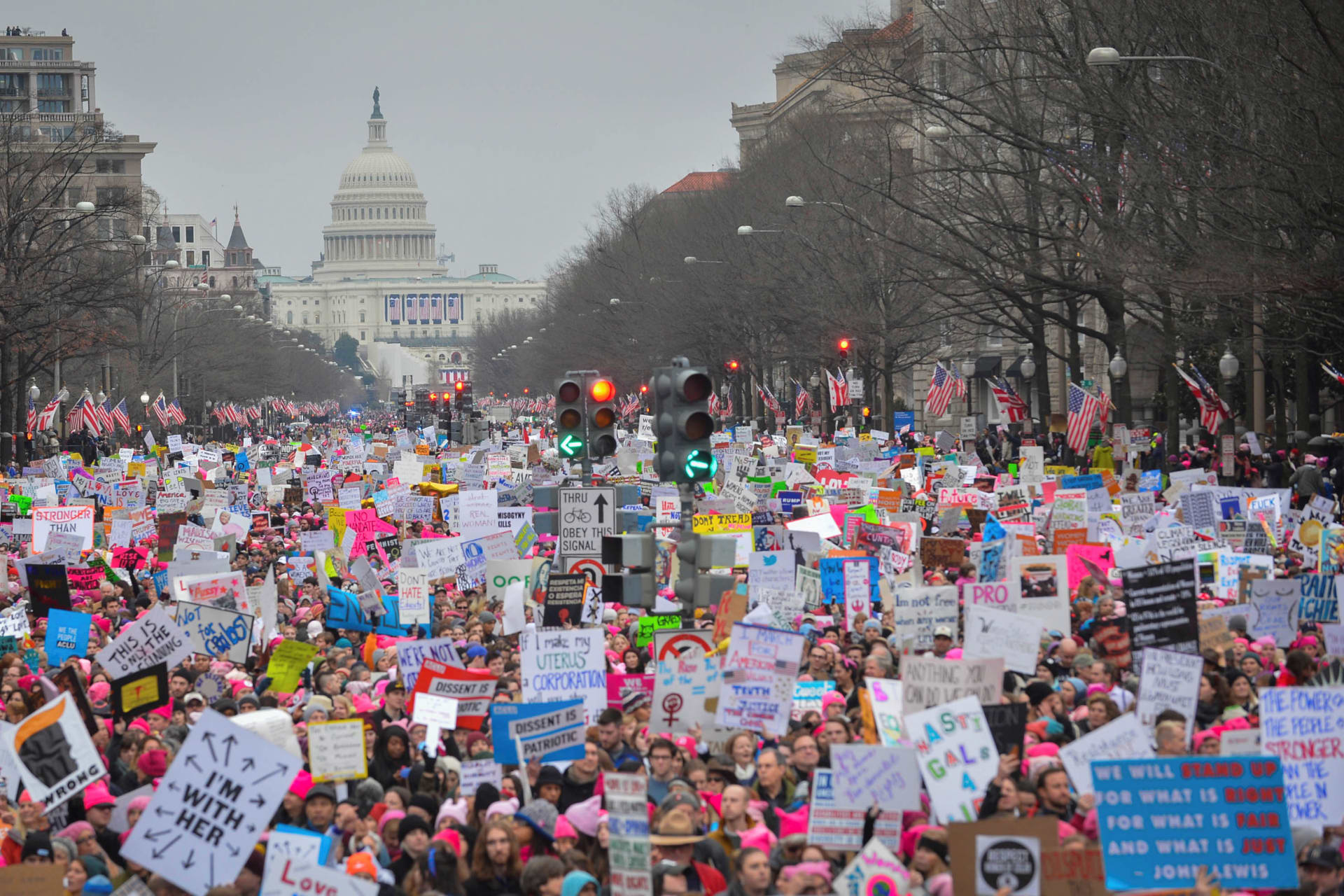
The protest against Kavanaugh was the latest upswell in a wave of women’s activism that started with the Women’s March in 2017—the largest single-day mass action in U.S. history, with as many as 5 million marchers participating on every continent—followed quickly by the explosion of the #MeToo campaign against sexual harassment and assault, which engaged millions more. Today, one year after the #MeToo movement went viral online, women in nearly 100 countries are using the hashtag to fight violence, harassment, and discrimination.
What can the #MeToo movement learn from Iceland? The history of successful women’s protests show that mass mobilization is key.