- Thought leadership
Why You Should Teach About the UN General Assembly
Learn why the upcoming meeting of world leaders is a great opportunity for your students to learn about pressing issues and international cooperation.
By experts and staff
- Updated
Have you ever wondered to yourself, “There is so much going on! How can countries come together to figure out the world’s problems?” If you’ve had this thought, it’s a good bet your students have as well, especially during times of conflict and uncertainty.
Whether in the context of regulating AI, addressing the impacts of climate change, negotiating conflict resolution, or grappling with any number of issues that do not respect national boundaries, the idea that the world’s leaders convene with the intention of working together to find and implement solutions is inspiring.
So while two weeks of meetings in New York might not scream “pay attention” for your students, once they know what the UN General Assembly is, they might actually want to learn about it.
In this blog post, we cover why the occasion of the UN General Assembly is a teachable moment, for three main reasons:
- It demonstrates that governments can work together
- It also highlights the flaws in our existing system
- It discusses the issues your students care about
Incorporating lessons and highlights from this year’s UN General Assembly can help you teach complex issues in the classroom and do so with real-time examples of how the world’s leaders are working with - and at times against - each other to do so.
Teaching That Governments Can Work Together
In an interconnected and interdependent world, some issues are too big for countries to handle on their own. Countries need to work together, and they do so in part through international organizations that facilitate cooperation and encourage diplomatic solutions to global problems.
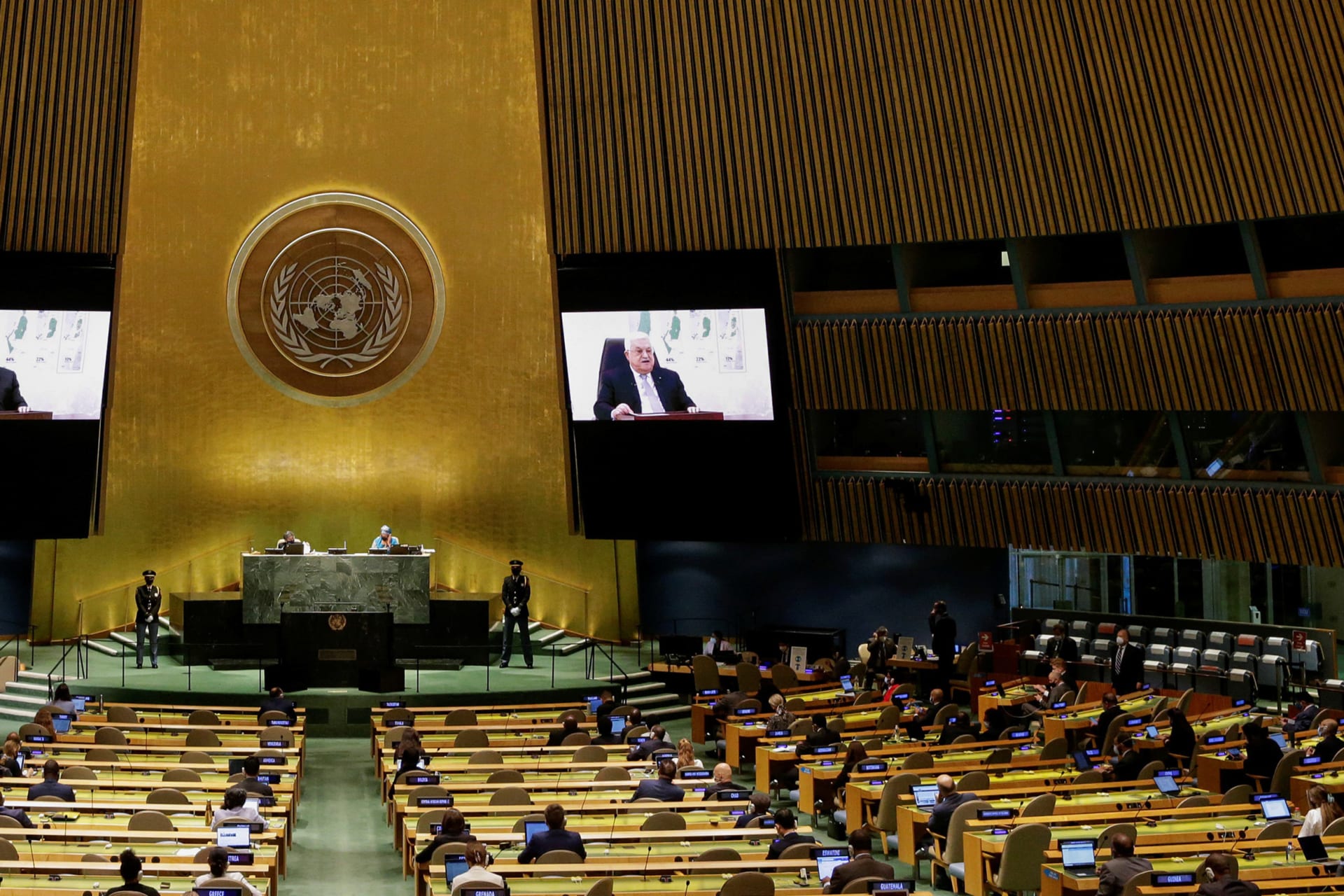
One of these organizations is the United Nations (UN). The UN General Assembly (UNGA) is the only universally representative body of the United Nations. It was created to discuss, debate, and make recommendations on subjects pertaining to international peace and security. Every September, the Assembly gathers for what’s known as a general debate in the organization’s New York headquarters.
The annual convening of the UN General Assembly is a great opportunity to teach about international cooperation as it epitomizes the principle of international cooperation that the UN was founded on. Through the United Nations, countries have cooperated to establish some of the basic and universal principles many of us now take for granted.
For example, on December 10th,1948, just three years after the creation of the United Nations, the UN General Assembly adopted the Universal Declaration of Human Rights (UDHR), turning the protection of human rights from an ideal into international law. Not only did the UDHR introduce the idea that the treatment of people inside each country is a concern for all countries, but it also established a common standard for countries to incorporate into their domestic laws.
A more recent achievement of the UNGA was the creation of the UN Sustainable Development Goals (SDGs), the latest broadly agreed-upon approach to global development that supports countries’ collaboration to set goals and measure progress. As in past years, the Sustainable Development Goals will be an important part of UNGA. This year’s “SDG Moment” is built around the message “Together, We Can Get There.”
The Challenges of International Cooperation at the UN General Assembly
Just as the SDGs are a great example of international cooperation, they also explain why working together is difficult. As a 2026 report shows, while SDGs have delivered results, they have occurred neither fast enough nor fairly enough. According to the report, approximately one third of measurable SDGs are on track, but serious obstacles like debt, climate disasters, inequality, and conflict continue to hold many countries back. Further contributing to the slow and uneven fulfilment of SDGs is that they are not legally binding. Implementation relies on countries’ policies and plans.
This is not dissimilar to concerns about the UN General Assembly itself, as many UN experts believe the assembly needs improvement. Efforts to revitalize the assembly’s work focus on increasing its power, making the appointment of United Nations executives more transparent, and improving the quality of debate within the body.
The UN Security Council, the organization’s most powerful body responsible for maintaining international peace and security, which can issue sanctions and even authorize military force, represents an ongoing point of contention. Learn more about the UNSC and how its veto rules have prevented the institution from acting in many politically charged crises. Then try this simulation in your class to help your students understand why the discussion of reform is so fraught.
Addressing Important International Issues During the General Debate
The General Debate of the United Nations General Assembly is the opportunity for Heads of State and Government to come together at the UN Headquarters and discuss world issues. The theme for the general debate of the 81st session of the General Assembly is “Restoring trust, managing transformation: a United Nations that delivers for all.”
The UN General Assembly has historically discussed hot topics; this year will be no exception. The high level debates will focus on topics that include:
- Pandemic prevention, preparedness and response
- Elimination of nuclear weapons
- Climate action and the just transition
For updates and expert commentary about the UN General Assembly, as well as recorded events from world leaders, explore the United Nations hub on the Council on Foreign Relations website.