2025 Conference on Expanding Access to International Affairs
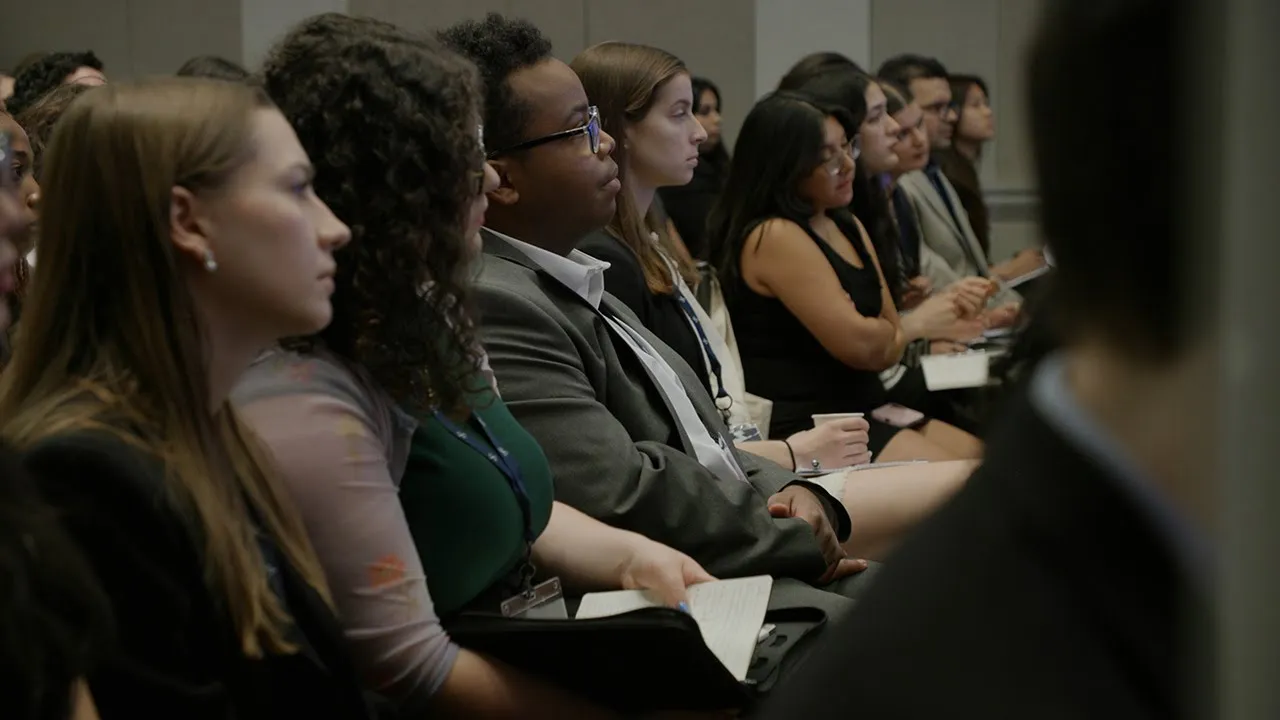
Event date
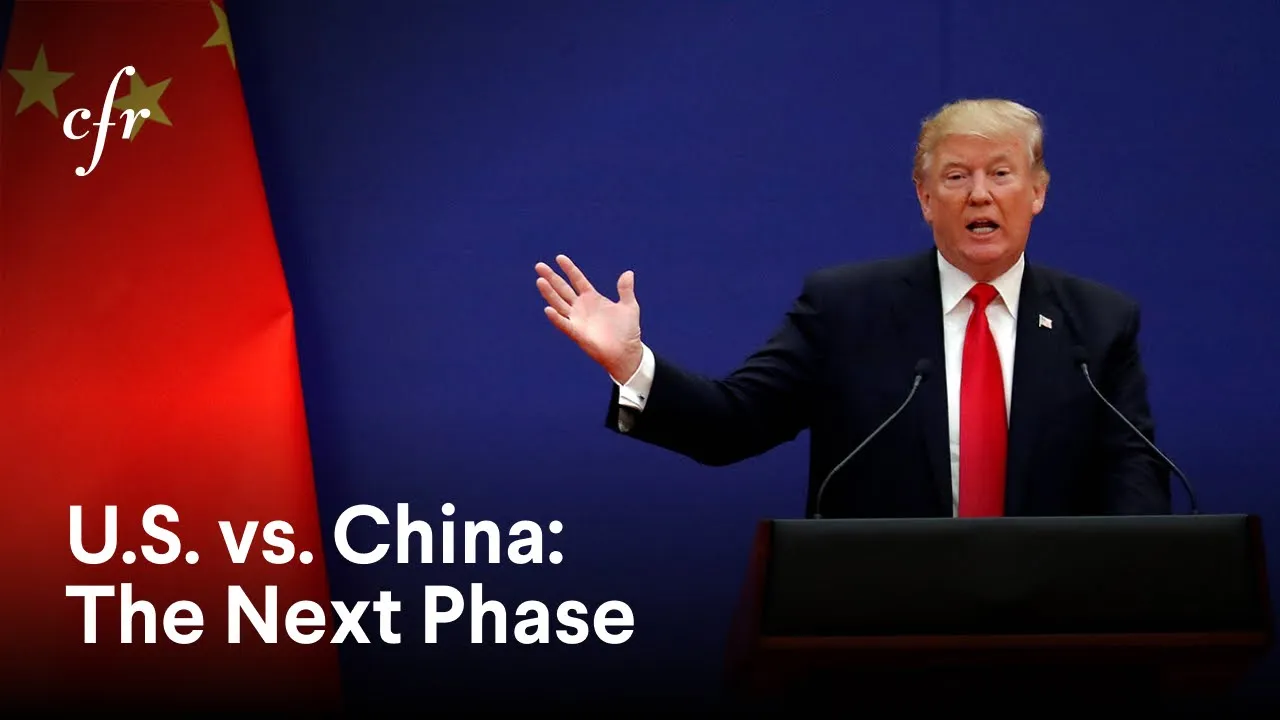
Plenary I: The Future of U.S.-China Relations
Panelists discuss the future of U.S.-China relations under the Trump administration, including developments relating to trade and tariffs, technological innovation, and increasing military tensions in the Indo-Pacific.
Speakers
- Assistant Professor, Department of Politics, Princeton University’s School of Public and International Affairs; CFR Term Member
- Jennifer HillmanCFR ExpertSenior Fellow for Trade and International Political Economy, Council on Foreign Relations (speaking virtually)
- Fellow on Chinese Economy, Center for China Analysis, Asia Society Policy Institute
Presider
- Assistant Dean and Assistant Professor Adjunct, David Geffen School of Drama, Yale University; Chair, New York Stock Exchange: The India Fund, Inc.; CFR Member
Transcript
DOSHI: Well, good afternoon, everybody. Welcome today to the Council on Foreign Relations and our meeting entitled “The Future of U.S.-China Relations.” This meeting is part of CFR’s Transition 2025 Series, which examines the major foreign policy issues confronting the Trump administration. It’s also co-branded with the China Strategy Initiative that I run at the Council as well.
In addition to the members here in New York, I would like to welcome, I think, our over 400 CFR members that are joining this meeting today via Zoom. Four hundred is a lot, so I’m not sure we’ll get to all of your questions but we’ll do the best that we can.
So, by way of introduction, I’m Rush Doshi, the C.V. Starr senior fellow for Asia and director of the China Strategy Initiative here at the Council. And I’ll be presiding over today’s discussion.
So, you know, we have—we’re convening a very interesting moment. Liberty day, as many of you know, is around the corner. A lot of disruption potentially coming in the global economy. And so we thought it was great to have a panel that draws from the strengths here at CFR, but also from others in other...
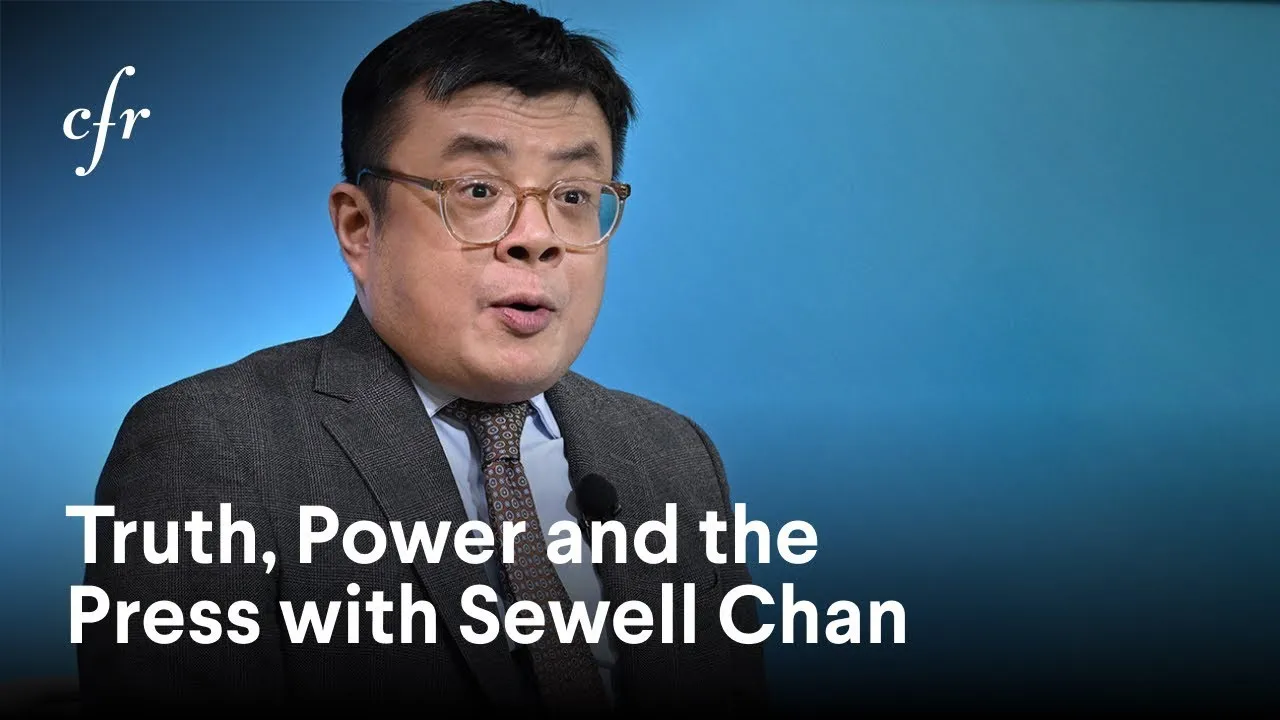
Keynote Session: A Conversation With Sewell Chan
Speaker
- Senior Fellow, USC Annenberg Center on Communication Leadership and Policy; Former Editor in Chief, Texas Tribune; Former International News Editor, New York Times
Presider
- Vice President and Chief Digital Content Officer, Council on Foreign Relations
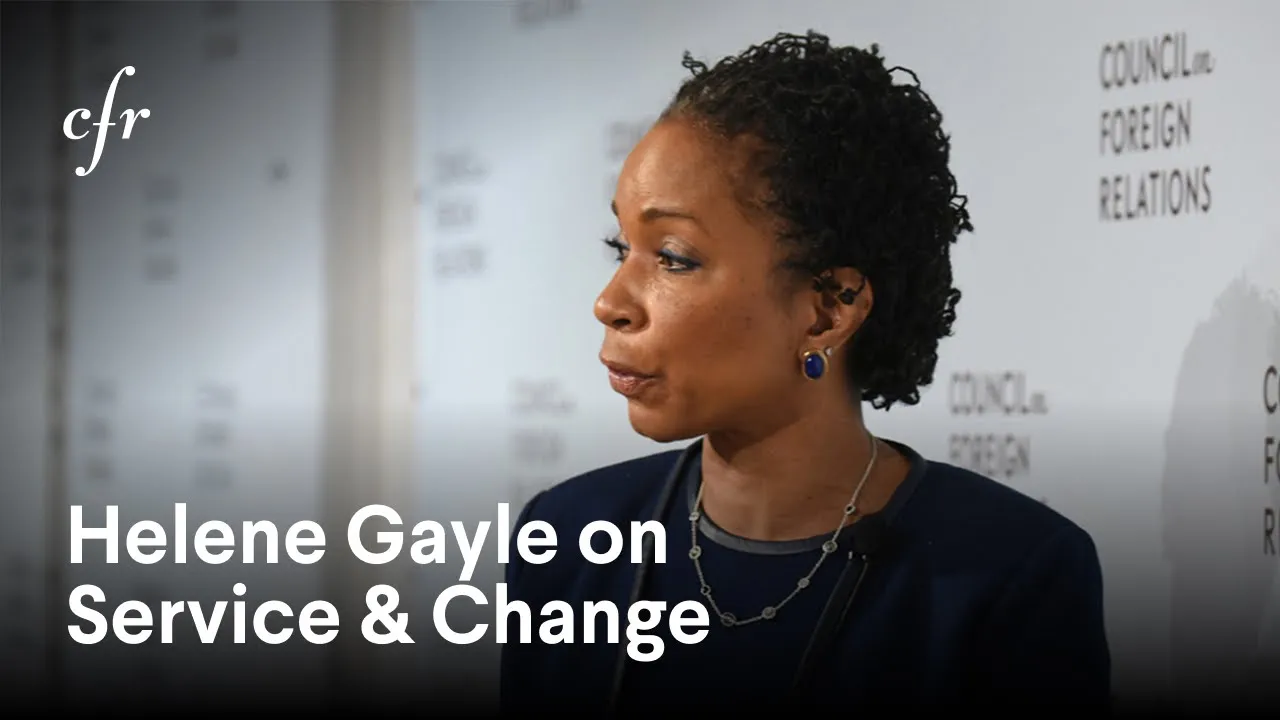
Keynote Session: A Conversation With Helene Gayle
Speaker
- President Emerita, Spelman College; Former CEO of CARE and Chicago Community Trust; Former Member, Board of Directors, Council on Foreign Relations
Presider
- Senior Professorial Lecturer and President Emerita, American University; Former U.S. Secretary of Health and Human Services (2014-17); Member, Board of Directors, Council on Foreign Relations
Introductory Remarks
- Michael FromanCFR ExpertPresident, Council on Foreign Relations
Transcript
FROMAN: Good morning, everybody. It’s great to see you all here. My name is Mike Froman. I’m president of the Council on Foreign Relations and I’m delighted to welcome you to our conference on expanding access in international affairs. I’m sorry I missed the event last night. It was my daughter’s middle school graduation and I thought you would all understand if I came this morning instead.
This long-running conference is a pillar of the Council’s goal to cultivate the next generation of diverse foreign policy experts. It’s one of our core values of the Council and that is inclusive excellence, which I—a term I learned from Sylvia Mathews Burwell, who you’ll be hearing from a little bit later—bringing together the most talented experts and practitioners in the field regardless of background and perspective.
Indeed, I want to emphasize the importance of having the United States represented in government, in business, in think tanks, in the nonprofit sector, in education, by people who reflect the wide range of perspectives and backgrounds of the country, and the Council works to do this in a number of ways.
We have our International Affairs Fellowship Program for early and mid-career professionals who come...
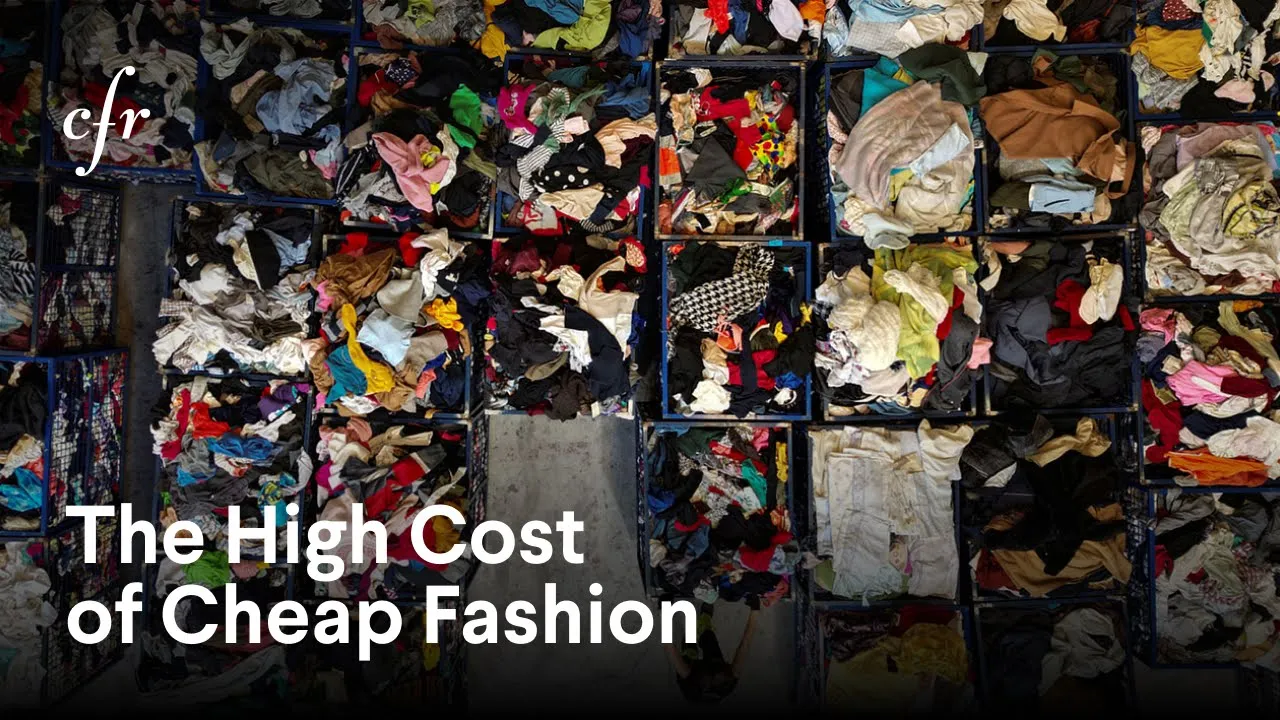
Plenary II: Fast Fashion and Climate: Unraveling the Environmental Costs
Panelists discuss the environmental and climate impacts of fast fashion, including ways the industry’s rapid production cycles, resource-intensive processes, and waste generation contribute to global environmental degradation.
Speakers
- Managing Director, BeyondNetZero, General Atlantic; CFR Member
- Senior Scientist Emeritus, Natural Resources Defense Council
- Chief Impact and Communications Officer, Patagonia
Presider
- Director, Podcasting, Council on Foreign Relations
Transcript
SIERRA: OK. Well, hi, everyone, and welcome to “Fast Fashion and Climate: Unraveling the Environmental Costs.” I’m Gabrielle Sierra. I am the director of podcasting here at the Council, and I am lucky enough to be presiding over today’s discussion.
So we’re joined today by conference participants attending in person in New York and virtually via Zoom. It is an on-the-record event, as Stacy indicated. This session will serve as the closing plenary of CFR’s annual conference on Expanding Access to International Affairs.
You know, it’s a sunny summer Friday, and we’re just really excited for you all to be here. And I think this is going to be just a super-interesting conversation. If you need a little wakeup, I can just be like, “the baby’s coming,” and then everyone is a—(laughter)—you know what I mean? So just give me a little—give me a high sign.
So I would love to start just by asking why you’re here today. This is the Council on Foreign Relations. We are an international think tank. You know, why are we up here discussing fast fashion and climate change? And, Eli, if you want to give us a start.
AHETO: Thank you so much...