Assessing a Year of War in the Middle East
Event date
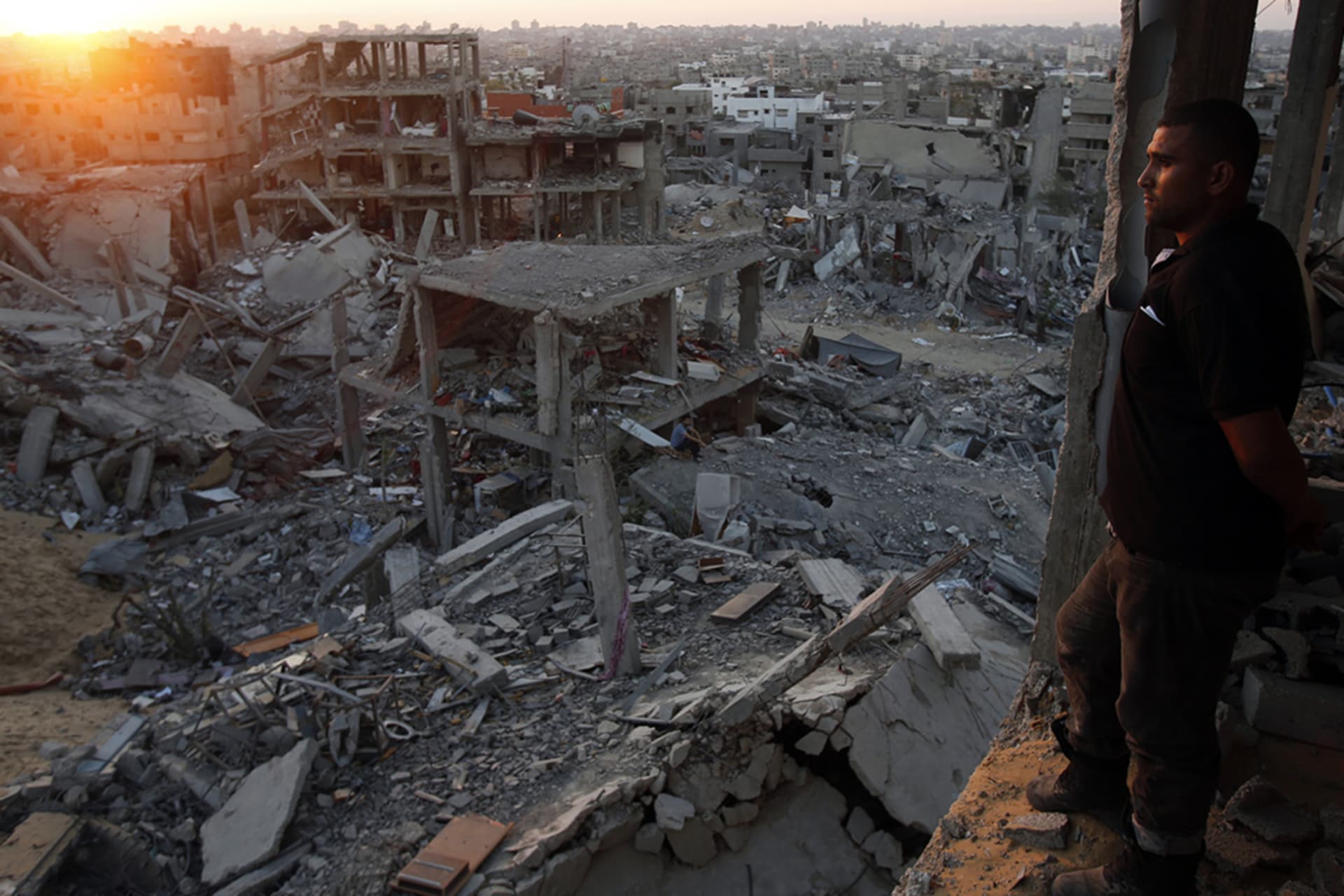
A year after Hamas’s devastating October 7 attack, Israel faces a seven-front war and deepening divisions between its military and Benjamin Netanyahu’s government. Meanwhile, the humanitarian crisis in Gaza is dire. This joint symposium between CFR and the Institute for National Security Studies (Israel) will bring together a broad range of regional and military experts to reflect on a year of war in the Middle East and how the change in U.S. administrations could shape evolving regional dynamics. The sessions will cover the present state of the war in Gaza, the future of Middle East peace processes, and U.S. strategy towards Iran.
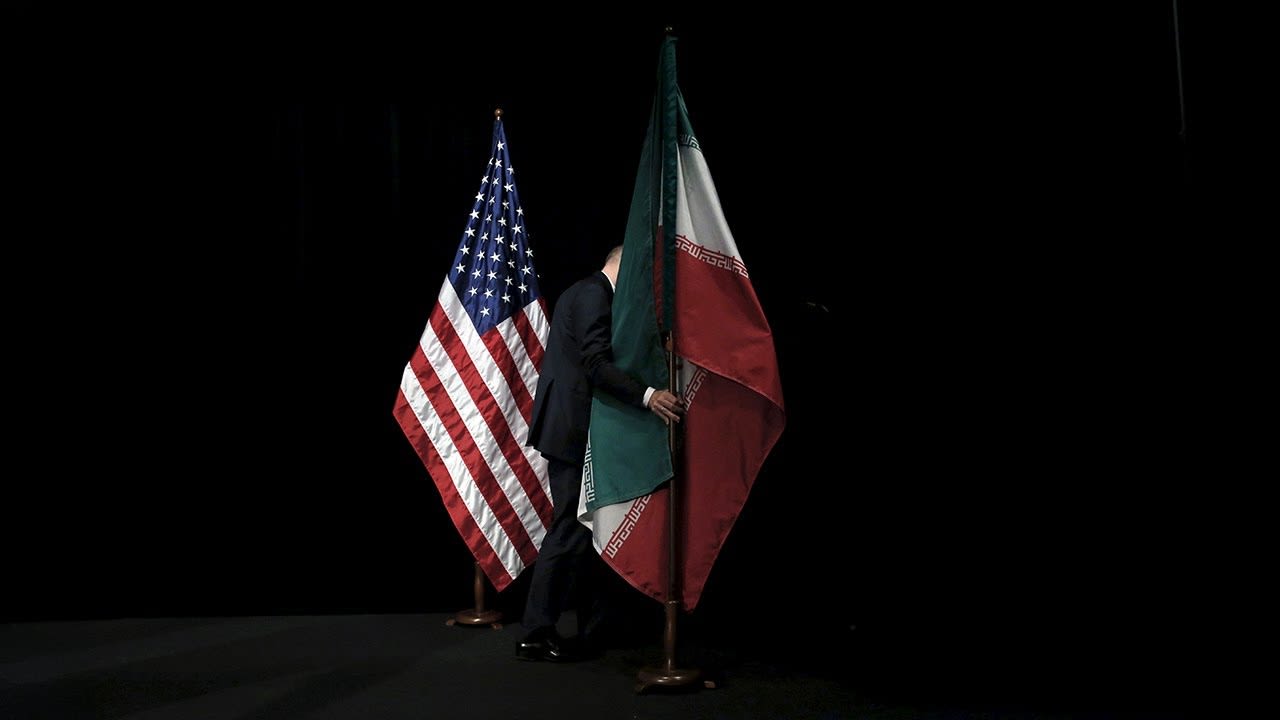
In-Person Session I: U.S. Strategy Toward Iran
Speakers
- Elliott AbramsCFR ExpertSenior Fellow for Middle Eastern Studies, Council on Foreign Relations
- Human Rights Advocate; Actor; 2023 Sydney Peace Prize Laureate; CFR Member
- Senior Researcher and Director, Diane and Guilford Glazer Israel-China Policy Center, Institute for National Security Studies; Former Strategic Division Head, IDF General Staff’s Planning Directorate (2010–15)
Presider
- Steven A. CookCFR ExpertEni Enrico Mattei Senior Fellow for Middle East and Africa Studies and Director of the International Affairs Fellowship for Tenured International Relations Scholars
Transcript
FROMAN: Hi. Good morning, everybody. Welcome. It’s a great pleasure to see you all here today. I’m Mike Froman, president of the Council. And it’s an honor to welcome you to this symposium, cohosted by the Council on Foreign Relations and Israel’s Institute for National Security Studies. CFR and INSS have done a number of programs over the years. And Frank Lowy, who we’re pleased to have joining us today, has been a crucial part of that effort to work on our joint programming.
I’d like to also welcome a very familiar face in these hallways, let alone the set of Morning Joe, and that is President Emeritus Richard Haass. Welcome. He’s been a great source of guidance. I’m grateful to him for his continued support of the Council, particularly now that he’s making a private-sector salary. So welcome back. Welcome back, Richard.
Today’s conversations are centered around assessing more than a year of war in the Middle East and the pathways toward peace. And nobody was more central to that effort to pursue peace in the Middle East than our late colleague and friend Martin Indyk. A veteran diplomat and author, Martin was the Lowy distinguished fellow...
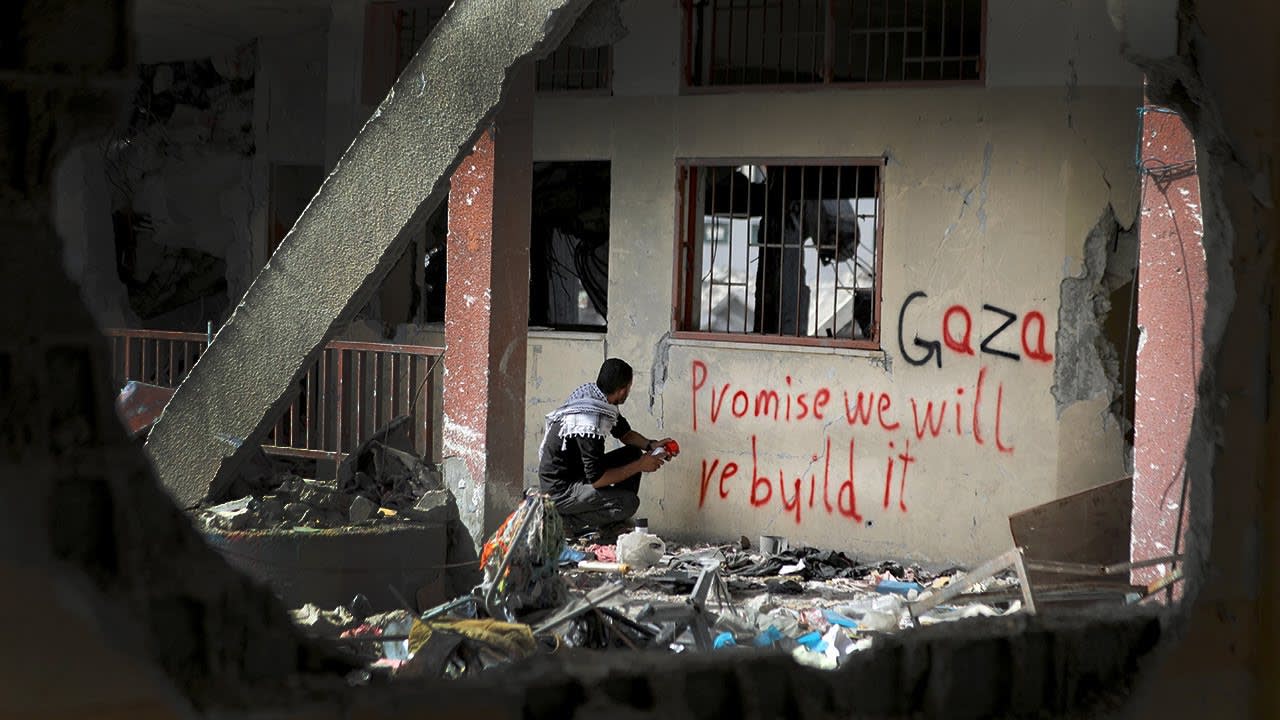
In-Person Session II: The ‘Day After’ and Future of the Peace Process: Held in Honor of Ambassador Martin Indyk
Speakers
- Visiting Senior Scholar and Lecturer, and Daniella Lipper Coules ’95 Distinguished Visitor in Foreign Affairs, School of Public and International Affairs, Princeton University; Distinguished Fellow, Brookings Institution; Former Prime Minister (2007–13) and Minister of Finance (2002–05; 2007), Palestinian Authority
- Richard HaassCFR ExpertPresident Emeritus, Council on Foreign Relations; Senior Counselor, Centerview Partners
- Vice-Chair, Institute for National Security Studies; Distinguished Nonresident Fellow, Brookings Institution; Former Ambassador to the United States (1993–1996) and Head of Peace Negotiations with Syria (1993–1996), Israel (speaking virtually)
- James R. Schlesinger Distinguished Professor and Director, Ripples of Hope Project, Miller Center, University of Virginia; CFR Member
Presider
- Carlos Kelly McClatchy Lecturer, Stanford University; CFR Member
Transcript
ZACHARIA: Welcome, everyone, to the second session of CFR’s symposium “Assessing a Year of War in the Middle East.” This session is titled “The Day After and the Future of the Peace Process.”
We are joined by CFR members and INSS guests here in New York and over a hundred-fifty joining online. I am Janine Zacharia, the Carlos Kelly McClatchy lecturer at Stanford University, and I will be presiding over today’s discussion.
To start I’d like to introduce our distinguished panel.
To my left, Richard Haass, who needs no introduction, president emeritus of the Council on Foreign Relations, a prolific author, and veteran U.S. diplomat who served in multiple administrations and is now a senior counselor at Centerview Partners.
On the screen we have Ambassador Itamar Rabinovich, vice chair of Israel’s Institute for National Security Studies, a former ambassador to the United States, and a former head of peace negotiations for Israel with Syria.
And Mara Rudman is a distinguished professor and director of the Ripples of Hope Project at UVA’s Miller Center, and a former deputy assistant to the president for national security affairs and a former deputy U.S. Middle East peace envoy.
And we will be...
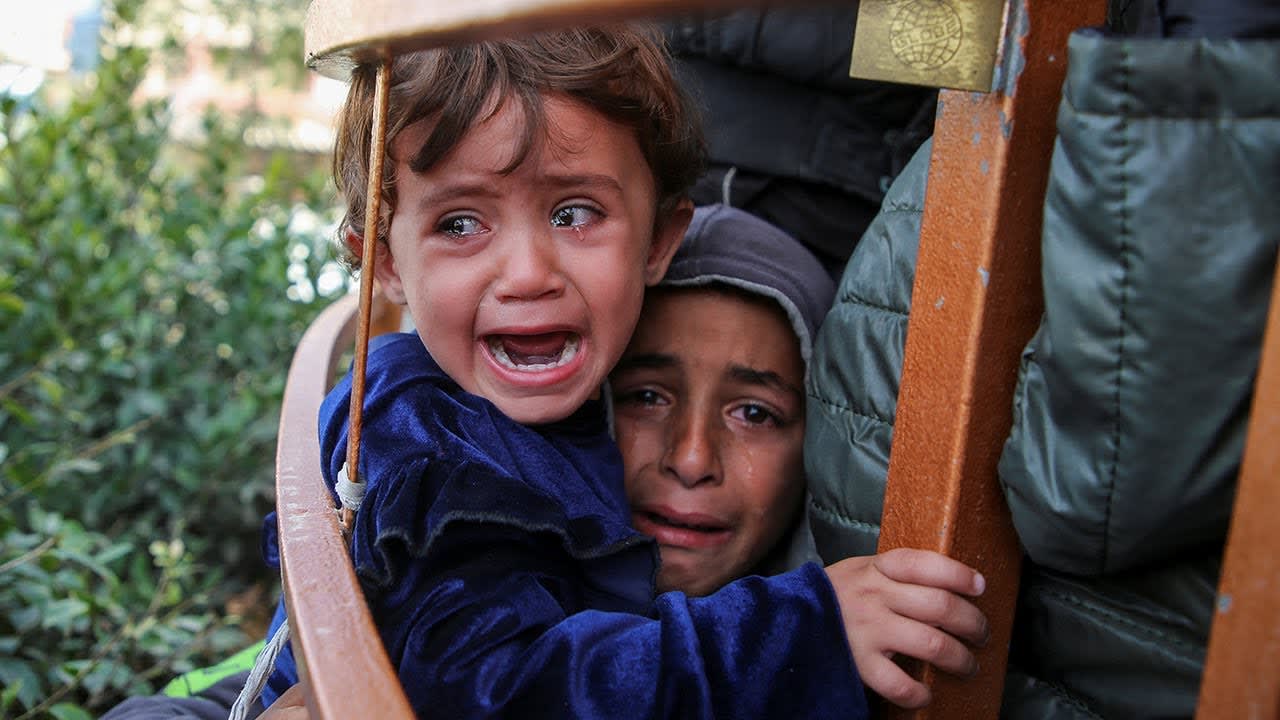
In-Person Session III: Strategic Lessons From One Year of War
Speakers
- Trustees Professor of Security and Technology and Director, Carnegie Mellon Institute for Strategy & Technology; CFR Member
- Executive Director, Institute for National Security Studies; Former Chief, IDF Intelligence Directorate (2018–21)
- Professor of Political Science and Director of the University of Chicago Project on Security and Threats
Presider
- Edward R. Murrow Press Fellow, Council on Foreign Relations
Transcript
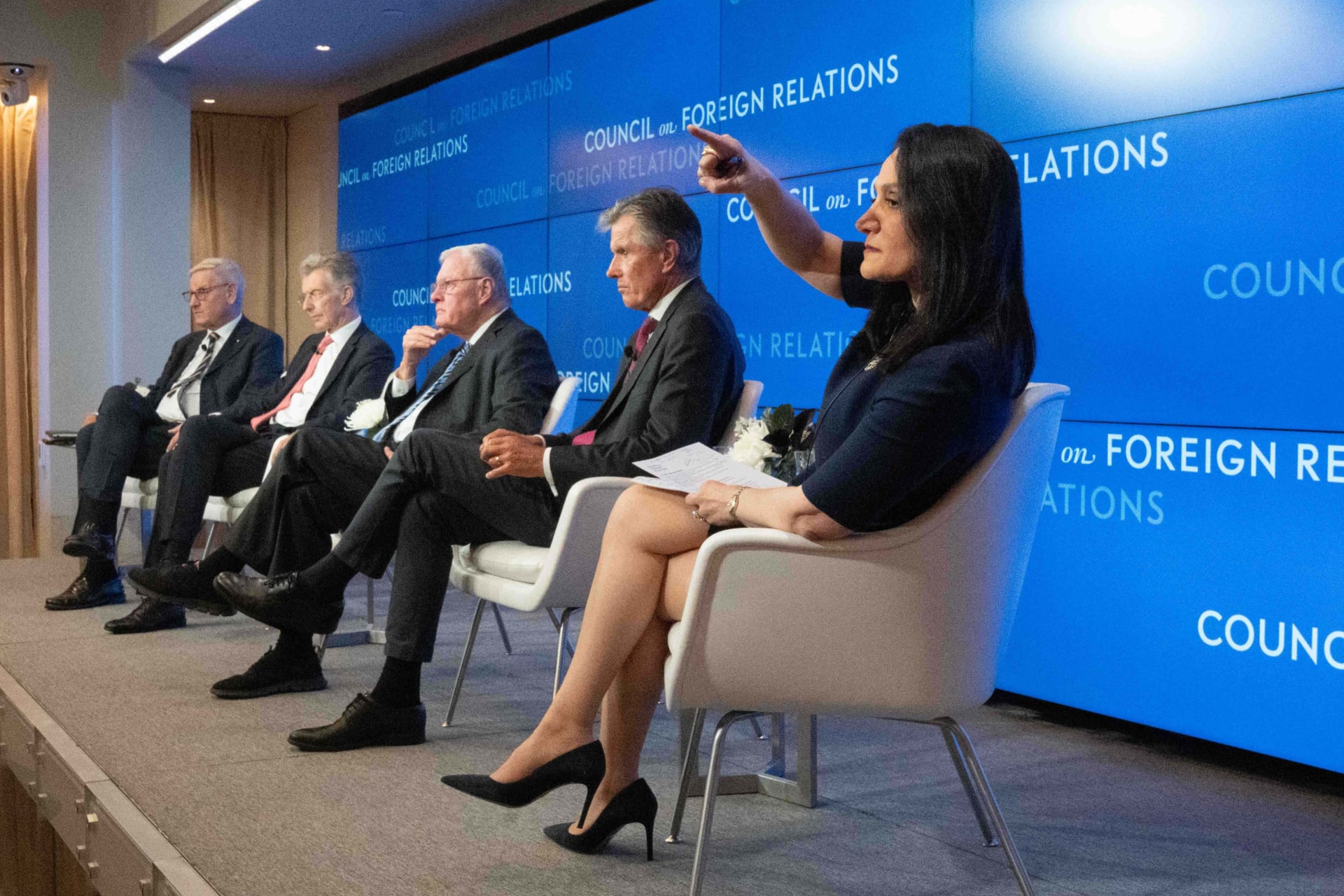
LABOTT: Good morning. I’m Elise Labott. I’m the Edward R. Murrow press fellow here at the Council on Foreign Relations. I’m also a member here at CFR. And I’m thrilled to be here.
But last year, on October 5, we were sitting here talking about the fifty-year anniversary of the Yom Kippur War. And this was a symposium planned by Martin Indyk. And we are all thinking about him today. And we miss his wise counsel. And we send our condolences to Gahl and the rest of the family. But we also kind of say to ourselves, how would Martin see this one-year milestone of the war with Gaza, and what’s happening in the region? And we are thinking of him today. Of course, we had no idea a day later the region and, indeed, the world would be changed forever by the attacks on October 7.
So joining us today is a wonderful panel to take a look back, building on what we heard this morning, take a more strategic, big-picture look, and see if we can take—you know, to Tamir and I don’t like to use the phrase “lessons learned,” but kind of take a strategic...