Assessing Venezuela’s Future After Nicolás Maduro’s Bold Capture
Four CFR experts review the capture of the Venezuelan leader and examine the challenges and uncertainty that the United States, Venezuela, and the region could face.
By experts and staff
- Published
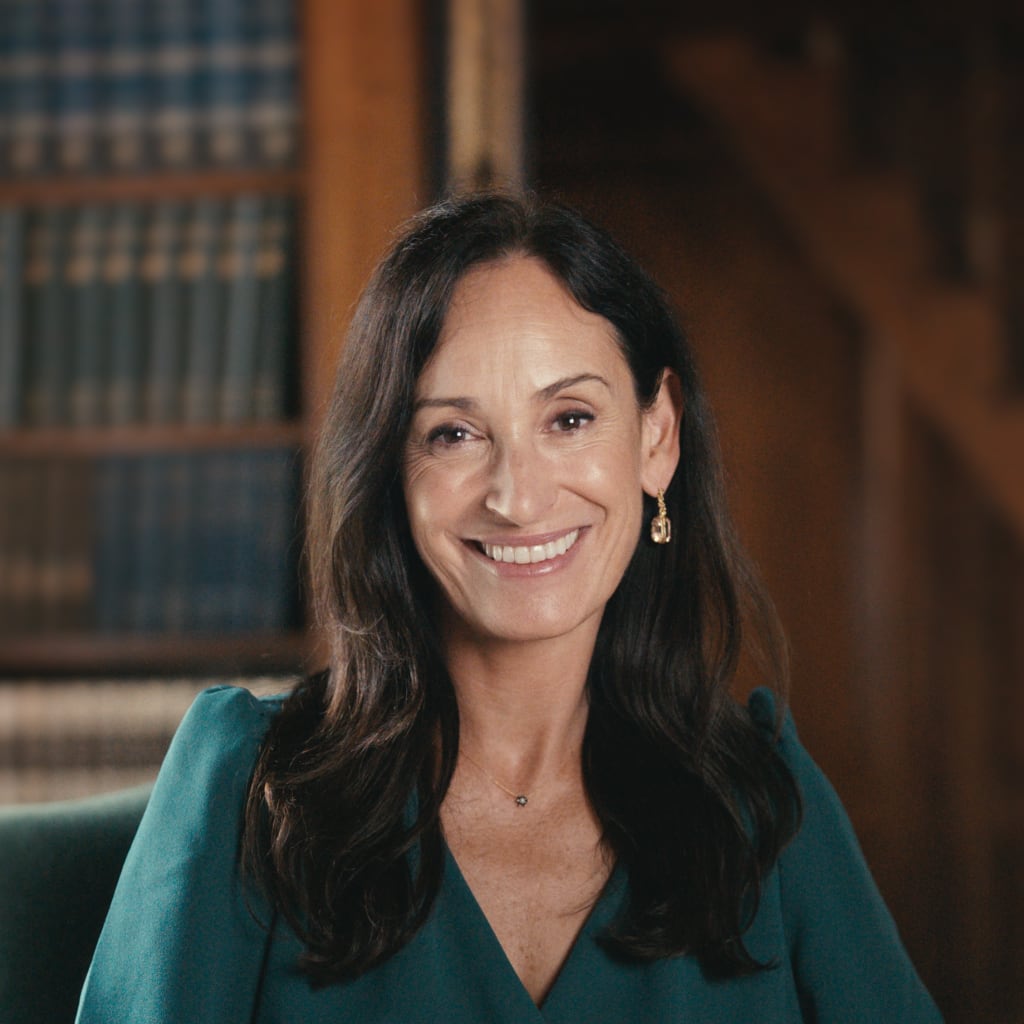 Shannon K. O'NeilCFR ExpertSenior Vice President of Studies and Maurice R. Greenberg Chair
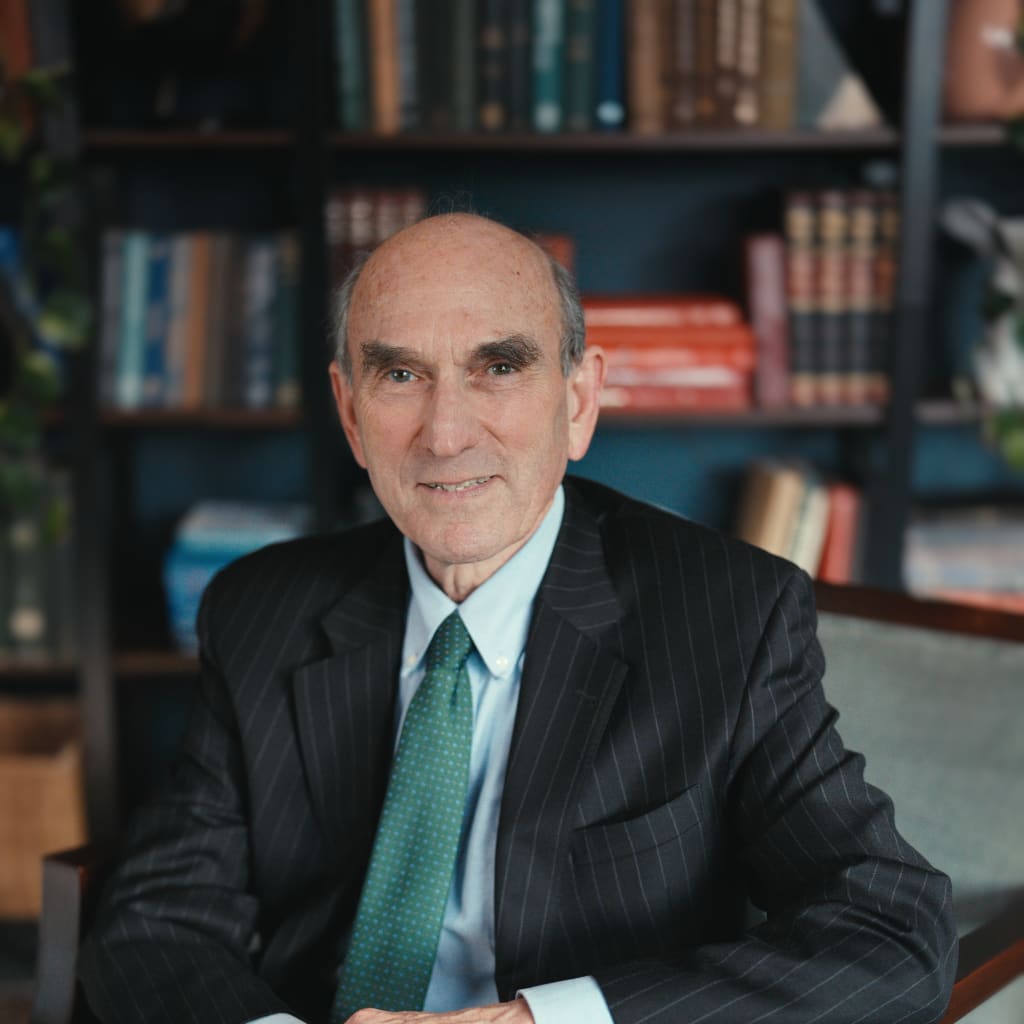 Elliott AbramsCFR ExpertSenior Fellow for Middle Eastern Studies
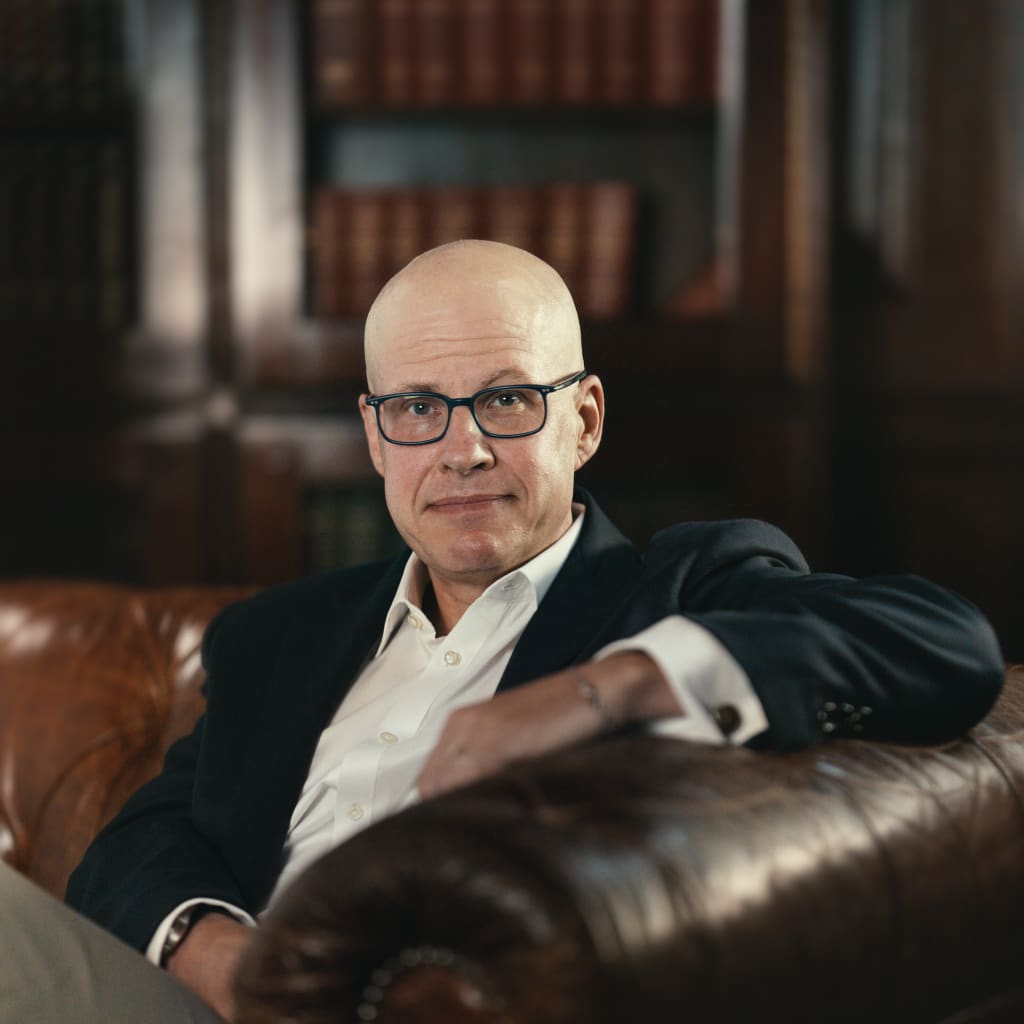 Max BootCFR ExpertJeane J. Kirkpatrick Senior Fellow for National Security Studies
 Roxanna VigilInternational Affairs Fellow in National Security, sponsored by Janine and J. Tomilson Hill
U.S. forces captured Nicolás Maduro and his wife after weeks of mounting military pressure on Venezuela. The regime leader has been removed from Venezuela, and U.S. Attorney General Pam Bondi said he would face drug and weapons charges in the Southern District of New York.
During a press conference after his initial announcement, President Donald Trump said that the United States would “run” Venezuela until a “safe, proper, and judicious transition” could occur, but he did not provide a timeline or details on his plans for the country’s governance. He did, however, note plans to have U.S. companies develop the country’s oil reserves.
While Venezuela’s opposition celebrated the U.S. intervention, Trump declined to back its leader María Corina Machado. With the next steps and larger strategic goals of the operation appearing fluid, four Council on Foreign Relations fellows examined the major challenges and uncertainty that could lie ahead.
Maduro’s ouster does not promise democratic transition
Shannon K. O’Neil is senior vice president, director of studies, and Maurice R. Greenberg chair at the Council on Foreign Relations.
Maduro is gone but hardline repressive elements of the regime are still there and, at least for the moment, in control. Vice President Delcy Rodríguez, like Maduro a long-time Chavista, has asserted her authority—though she is reported to be out of the country, in Moscow. Defense Minister Vladimir Padrino López quickly stepped in publicly to take control on the ground. And hardline Interior Minister Diosdado Cabello released a video showing himself surrounded by armed police, condemning U.S. actions and promising to fight.
Parallels to the U.S. invasion of Panama in 1989, which ousted Manuel Noriega and ushered in a new civilian government, are of limited use.
Panama, smaller than South Carolina, had a population of less than 2.5 million people and a long-standing U.S. military presence due to the canal. In contrast, Venezuela is twice the size of California and home to over 28 million people. It has a varied and rugged terrain that is hard to secure.
Hopeful comparisons to the restoration of democracy in Argentina in 1982, too, miss the mark. Argentina maintained a professionalized military and institutional chain of command that backed the new democratic government once the transition began. Venezuela’s military order has eroded over the last twenty-five years, its leadership ranks are now top heavy with loyalists and racketeers and monitored by Cuban intelligence officers. Venezuela’s military doesn’t have a monopoly on force; it coexists alongside a repressive secret police, armed neighborhood militias called colectivos, and factions of Colombian guerrilla insurgent groups, such as the ELN.
Venezuela’s democratic opposition does have strong legitimacy, with polls suggesting support from roughly 80 percent of people. But Edmundo González, the 2024 presidential candidate that nearly all independent observers believe won the election, and his patron, this year’s Nobel Peace Laureate María Corina Machado, are out of the country. Even if they return, without ample armed support, they will struggle to gain physical control of the streets—a basic prerequisite to governing. While Trump promised to take control of Venezuela and fix its oil infrastructure, he, the U.S. Congress, and the U.S. population are unlikely to have the appetite for a long occupation.
This points to days, weeks, and months of uncertainty, fragmentation, and perhaps even chaos. It means not the end, but a beginning, to new challenges for Venezuela and those that want to see democracy restored.
Troubling signals on Venezuelan leadership succession
Elliott Abrams is senior fellow for Middle Eastern studies at the Council on Foreign Relations and served as a special representative for Iran and Venezuela in the first Trump administration.
President Donald Trump’s Saturday press conference left too much unsettled to be confident of what is next for Venezuela. His graceless and inaccurate comment that María Corina Machado, leader of the Venezuelan democratic opposition groups that won 70 percent support in last year’s election, lacks sufficient respect to lead the country was deeply worrying—especially when he stated that his administration had been in touch with Maduro’s vice president, Delcy Rodríguez. If the United States supports the man elected president last year, Edmundo González, he will be able to take power and lead a transition to democracy. If the United States deals instead with regime remnants, disaster would be ensured. Drug trafficking, mass migration, and a role for Cuba and Iran will continue. One has to wonder to whom Trump is listening.
I am dubious that this arrest of Maduro will have deep or long-lasting effects globally or regionally in Latin America. The regime in Venezuela was sui generis because it combined creating mass migration (eight million people so far), engaging in drug trafficking, and joining the anti-U.S. activities of China, Cuba, Iran, and Russia. No other Latin American or Caribbean state has quite that profile. If worries about what’s next in the administration’s regional pressure campaign causes Mexico or Colombia to crack down more on drug traffickers, that is a positive result. More broadly, the Iranian regime will now worry more about Trump’s threats to strike again if it tries to rebuild their ballistic missile or nuclear weapons programs. That is also a positive result.
The complaints about the lack of a Congressional vote for this use of force seem partisan when coming from those who offered no similar gripe about former President Barack Obama’s seven-month bombing campaign in Libya in 2011. Presidents of both parties act, and critics criticize, but most Americans seem content with allowing considerable presidential latitude—as long as interventions are brief and American lives are not lost.
Will the intervention be brief? I believe the military part is over, despite Trump’s threats about more boots on the ground. His comments about “running” Venezuela through a team of U.S. Cabinet officers are incomprehensible to me. Venezuelans wanted Maduro out and voted against him. They did not vote for U.S. rule, and pursuing that path will create instability—exactly what Trump does not want.
A tactical success, but strategically dubious
Max Boot is the Jeane J. Kirkpatrick senior fellow for national security studies at the Council on Foreign Relations.
The recurring U.S. national security dilemma since 1945 has been the difficulty of translating tactical military successes into strategic ones. President Donald Trump and Secretary of Defense Pete Hegseth claim to have fixed the supposed problem, which they blame on supposed “wokeness,” by focusing on “lethality” above all else. But in the case of Venezuela, they are likely to learn the same lessons about the limits of U.S. military power that their predecessors learned in Korea, Vietnam, Iraq, Afghanistan, and other battlefields.
No one can dispute the operational success that the U.S. Army’s Delta Force enjoyed in its daring foray into Caracas on Saturday to capture Venezuelan President Nicolas Maduro and his wife Cilia Flores. As described by Gen. Dan Caine, chairman of the Joint Chiefs of Staff, at Saturday’s Mar-a-Lago press conference, the operation involved more than 150 U.S. aircraft and depended on pinpoint intelligence about Maduro’s location. Venezuela had bought air defenses from Russia and claimed on paper to have a formidable military force, but in practice it was no match for the world’s best military force.
In Caine’s telling, it played out almost like a Hollywood action movie: “The apprehension force descended into Maduro’s compound and moved with speed, precision and discipline towards their objective, and isolated the area to ensure the safety and security of the ground force while apprehending the indicted persons on arrival into the target area.” The “operators” he said, were then able to extract Maduro and Flores and fly them out to the USS Iwo Jima, an amphibious assault ship, for transport back to New York where they will face trial on a variety of charges.
Good going. But what comes next? If arresting Maduro brings prosperity and freedom to Venezuela, the operation will be judged a great success. But if it brings greater chaos, as in Iraq, Afghanistan, or Libya following U.S. interventions, it will once again be an example of tactical success not translating into strategic gains.
Unfortunately, Trump gave little indication that his administration has developed any credible “day after” plan. He spoke about the United States running Venezuela during a transition period—a recipe for an Iraq-style disaster—and seemed to suggest that Washington might work with Maduro’s hand-picked vice president, Delcy Rodriquez, who was deeply implicated in his oppression and corruption. That may satisfy Trump, because all he seems to care about is gaining access to Venezuela’s oil reserves, but it would hardly usher in a glowing post-Maduro future for Venezuela. If the ultimate upshot of this operation is for Washington to go into business with Maduro’s regime, while Maduro himself faces trial, it will hardly be the resounding success that Trump boasted of.
Prioritizing oil over democracy or stability
Roxanna Vigil is an international affairs fellow in national security at the Council on Foreign Relations.
Trump’s announcement that the United States will “run” Venezuela until a “safe, proper and judicious transition” can occur signals a betrayal of the Venezuelan people who are ready to leave Chavismo behind and transition to democracy.
The president did not indicate the U.S. government would prioritize new elections or offer a concrete vision of a future democratic Venezuela. Instead, he emphasized that U.S. oil companies would “go in, spend billions of dollars, fix the badly broken infrastructure and start making money for the country.” He added that the United States would recover allegedly stolen oil money.
This plan could mean an indefinite U.S. occupation. Rebuilding Venezuela’s oil sector will take many years and will require a new legal and economic framework that can attract the needed investment.
To that end, Trump also indicated his willingness to work with a Chavista successor to Maduro so long as they capitulate to U.S. demands. He did not mention Edmundo González, the winner of the 2024 presidential election that Maduro stole, and he dismissed opposition leader Maria Corina Machado, stating she lacks the “support or respect” needed to lead.
Without a clear democratic roadmap, the United States is beginning a new open-ended foreign occupation focused primarily on oil. Venezuela’s neighbors will bear the brunt of any period of violence and instability that follows Maduro’s removal, including any new wave of migration out of Venezuela. While many leaders in the region have condemned the U.S. military’s intervention in Venezuela—including the leaders of Mexico, Colombia, and Brazil—it is unclear if countries in the region will be willing or able to truly push back on the U.S. military’s intervention in Venezuela.
This work represents the views and opinions solely of the author. The Council on Foreign Relations is an independent, nonpartisan membership organization, think tank, and publisher, and takes no institutional positions on matters of policy.