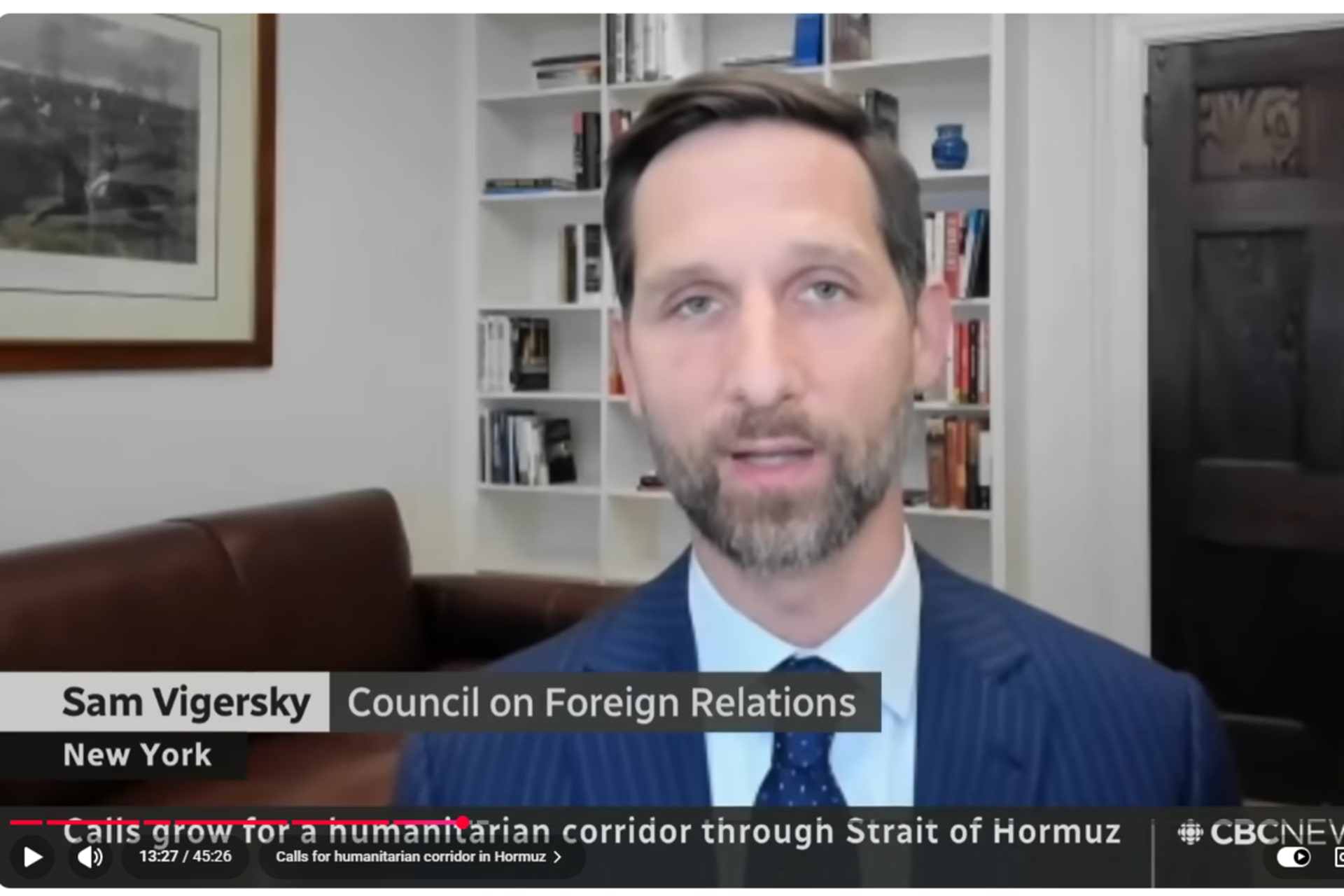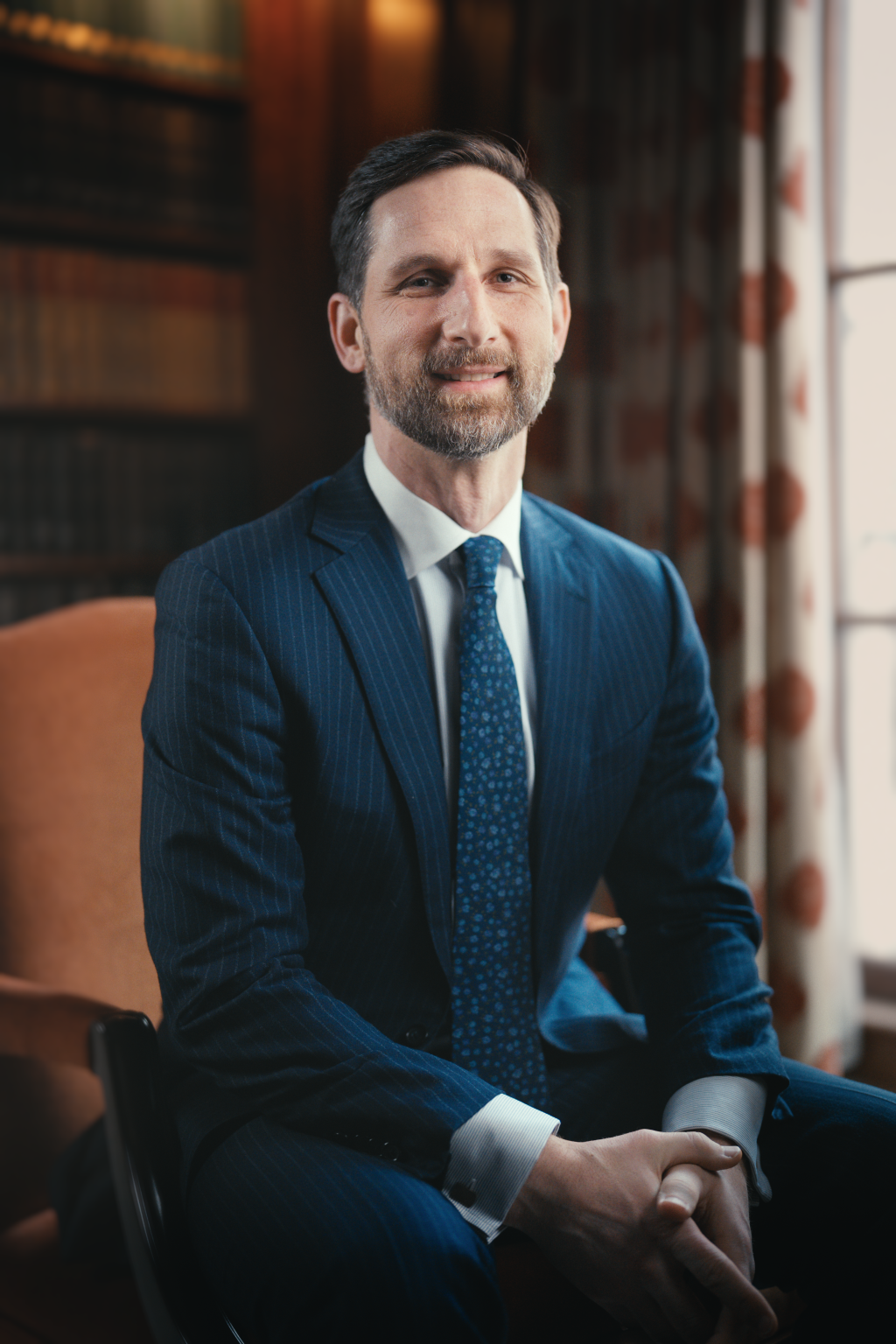
Sam Vigersky is a fellow at the Council on Foreign Relations. His research and scholarship focus on humanitarian interventions, UN reform, and public-private partnership in crisis response. Vigersky has over two decades of experience as a humanitarian practitioner and policymaker covering Africa, Europe, the Middle East, and the Western Hemisphere.
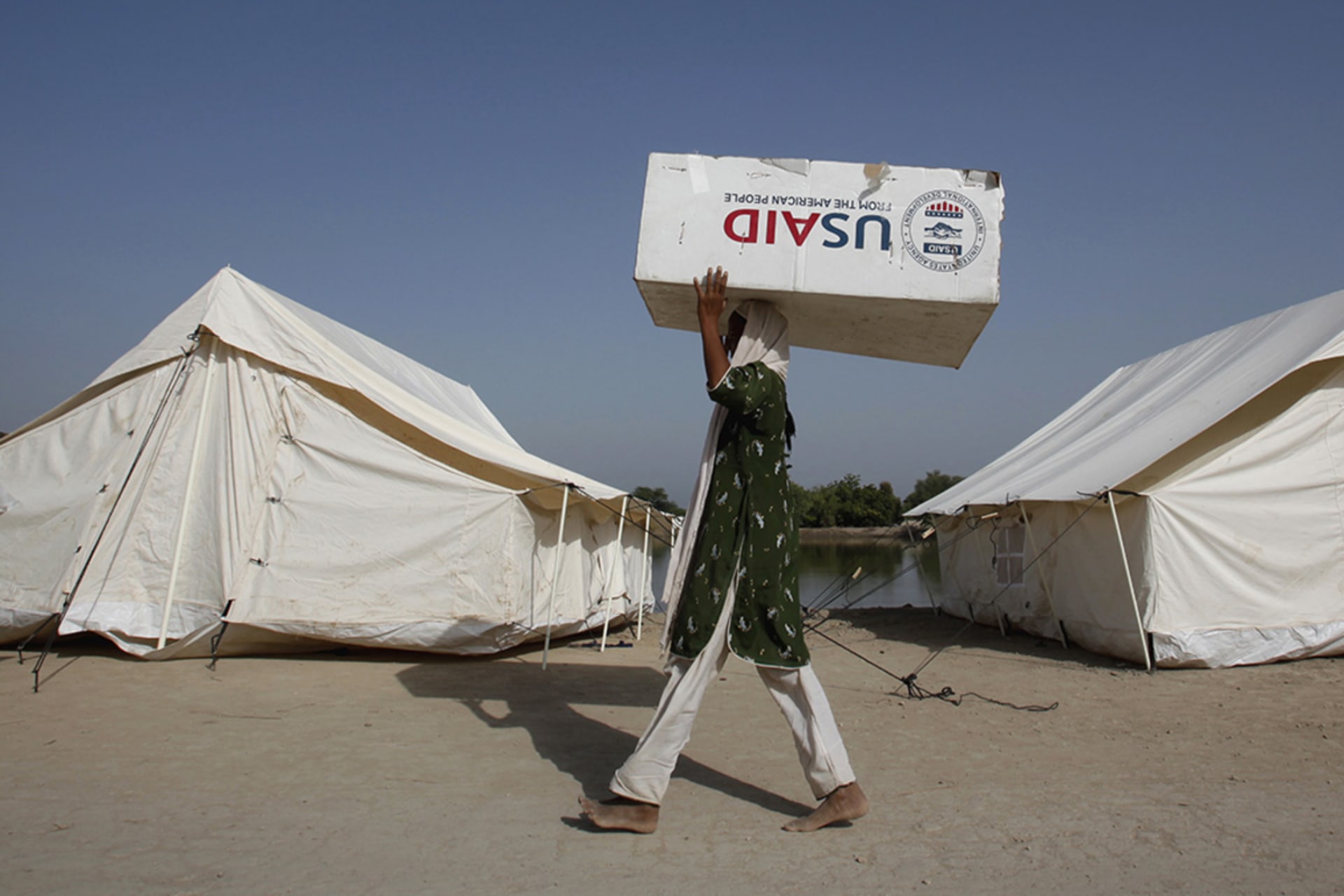
Previously he was the senior humanitarian advisor to the U.S. ambassador to the United Nations, where he led humanitarian policy and resolution negotiations in the UN Security Council and General Assembly. Vigersky worked in the U.S. Agency for International Development’s Office of Foreign Disaster Assistance from 2014 to 2019, developing and managing programs across two dozen countries. He led U.S. disaster assistance response teams in Liberia and Sierra Leone during the West Africa Ebola outbreak, the Ethiopia famine response, and the Boko Haram complex emergency in northeast Nigeria.
Prior to joining the federal government, Vigersky worked at the Pan American Health Organization/World Health Organization (PAHO/WHO) and was based in Port-au-Prince, Haiti, following the 2010 earthquake and cholera outbreak. He has worked domestically at the Department of Health in Washington, DC; the University of Michigan; and the American Red Cross. Vigersky holds a BA from Reed College and a MSW from the University of Michigan.