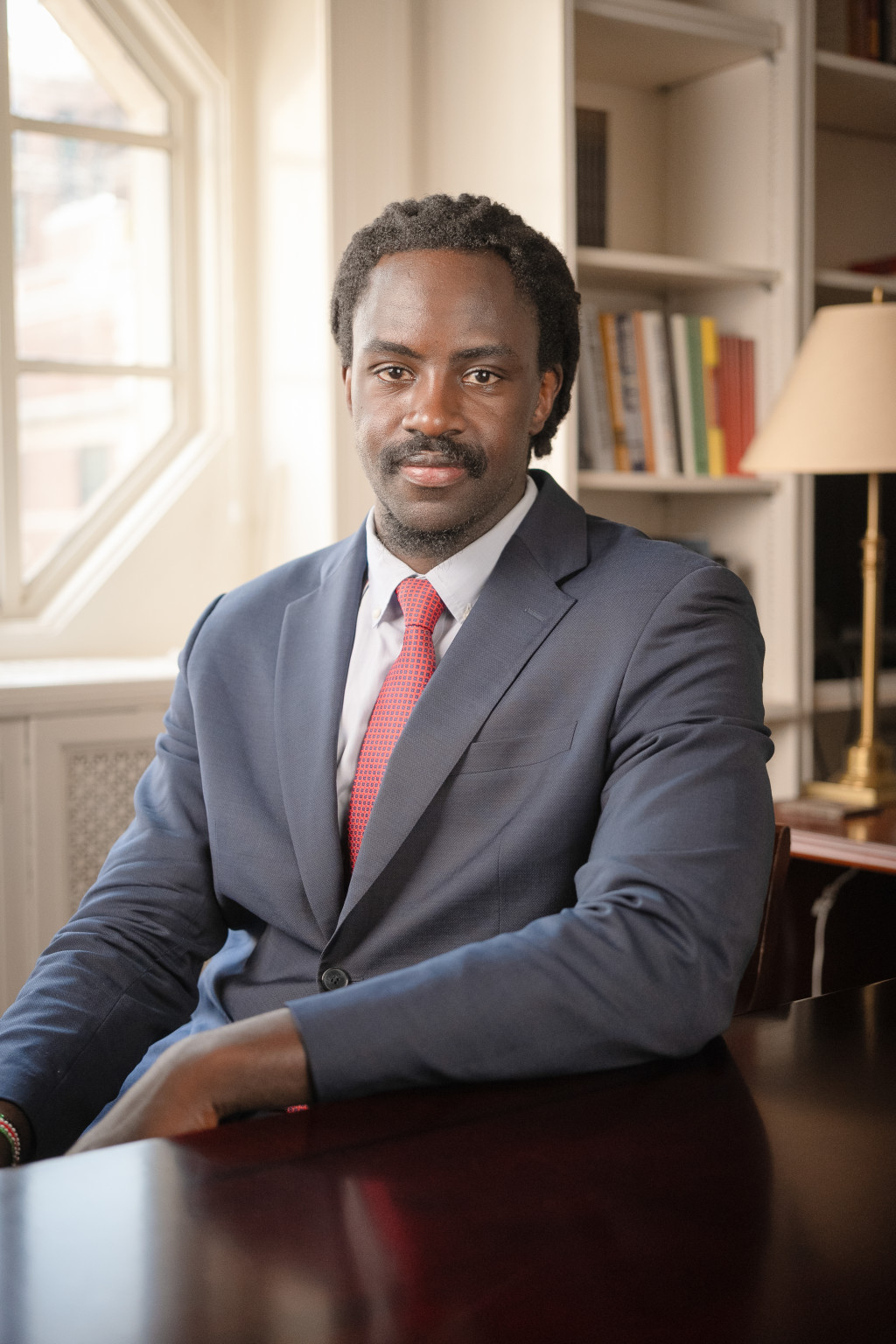
Tony Oweke is a research fellow at the Council on Foreign Relations (CFR). He specializes in artificial intelligence (AI) governance and digital policy and has experience in macroeconomic policy.
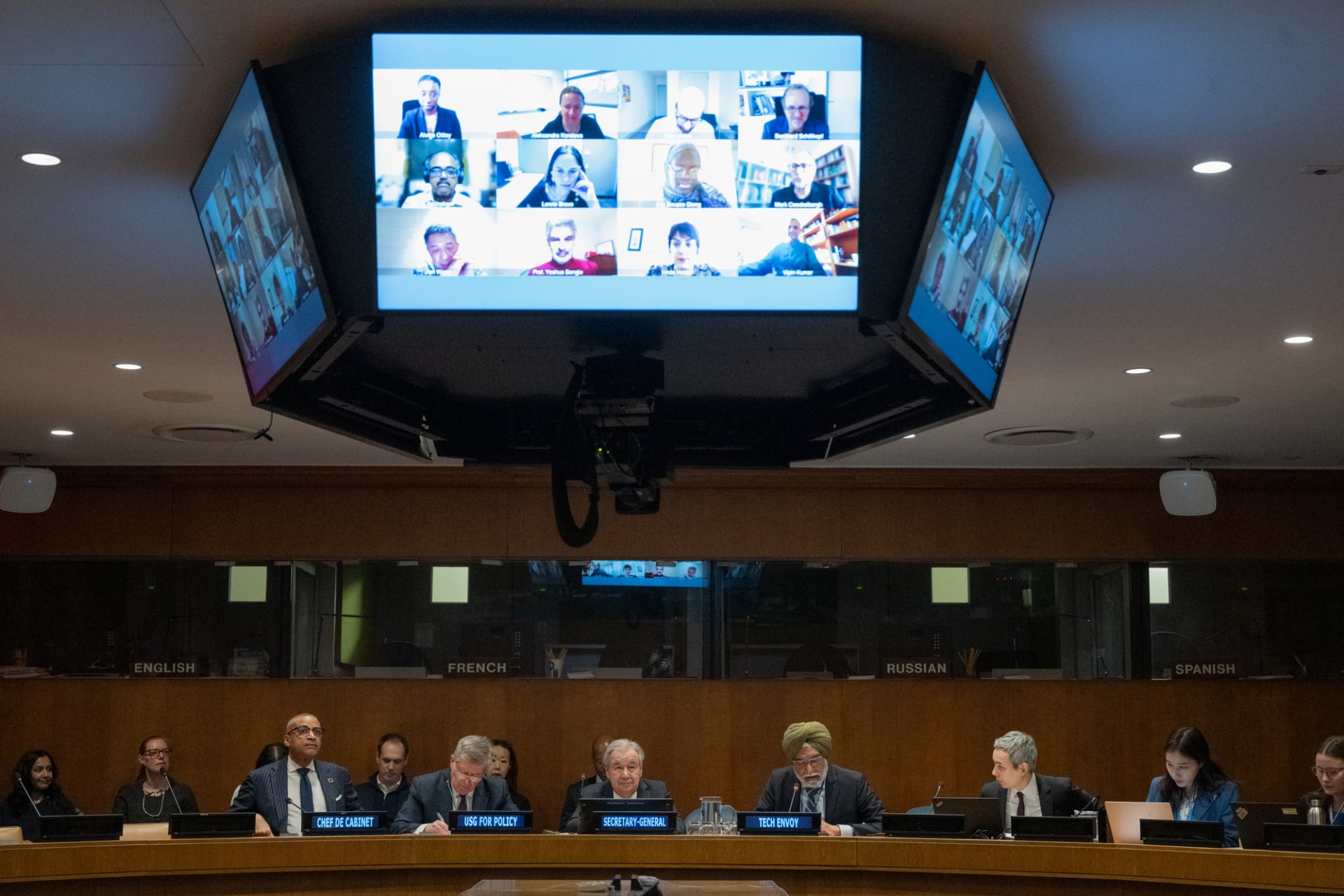
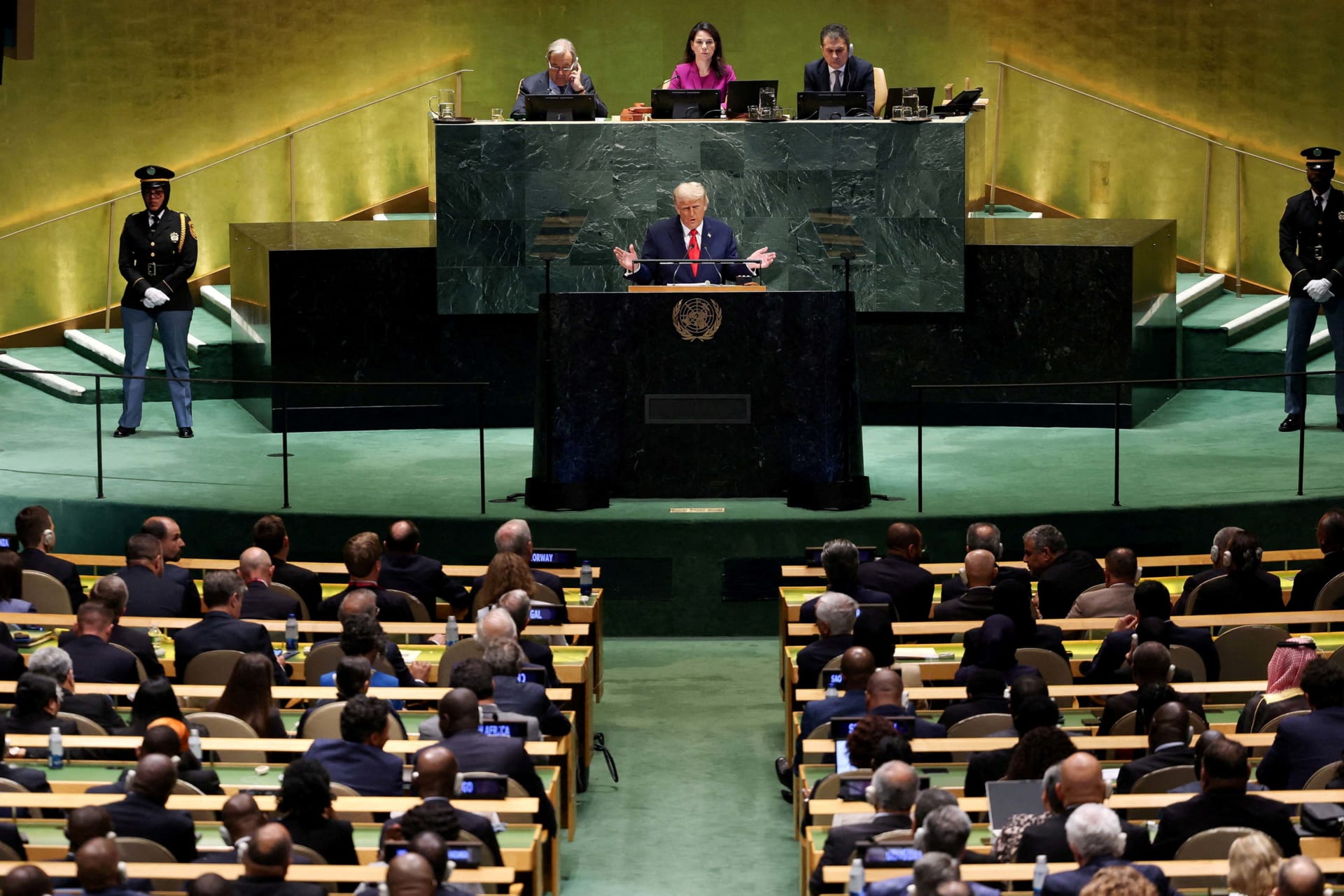
Prior to joining CFR, Oweke served as a digital advisor for the Kenyan Mission to the United Nations, negotiating and supporting key processes for Kenya, including serving as the country’s technical lead for the recently adopted twenty-year review of the World Summit on the Information Society, which was co-facilitated by Kenya and Albania. Additionally, he represented the Group of Seventy-Seven (G77) and China, a negotiating bloc of 134 developing countries, on AI at the United Nations. He successfully bargained on its behalf for the establishment of a Scientific Panel on AI and an AI Governance Dialogue and subsequently represented the group in negotiations to define the structure and scope of those two institutions. Alongside Kenya’s special envoy on technology, Phillip Thigo, and other contributors, Oweke coauthored Kenya’s first Diplomats’ Playbook on Artificial Intelligence, an institutional resource providing foreign services with a shared conceptual, ethical, and practical foundation for engaging on AI governance.
As an economic advisor for the mission before shifting to digital policy, Oweke represented Kenya in arrangements to establish a Framework Convention on International Tax Cooperation. He also represented the G77 on Illicit Financial Flows for two years and Kenya in the executive boards for the UN Development Program, the UN Population Fund, the UN Office for Project Services, UN Women, and the UN Children’s Fund. In his role for the executive boards, Oweke led negotiations to approve agency budgets and strategic plans and cochaired the working group tasked with reforming executive board governance for those five entities.
Before the mission, Oweke interned at the African Union, International Development Law Organization, and Institute for Conscious Global Change. He holds a bachelor’s degree in international studies, a master’s degree in international relations from Leiden University, and a master’s degree in political economy from the University of Amsterdam.