- Type
Criminal ViolencePolitical Instability
- Impact on U.S.
- Medium
- Status
- Unchanging
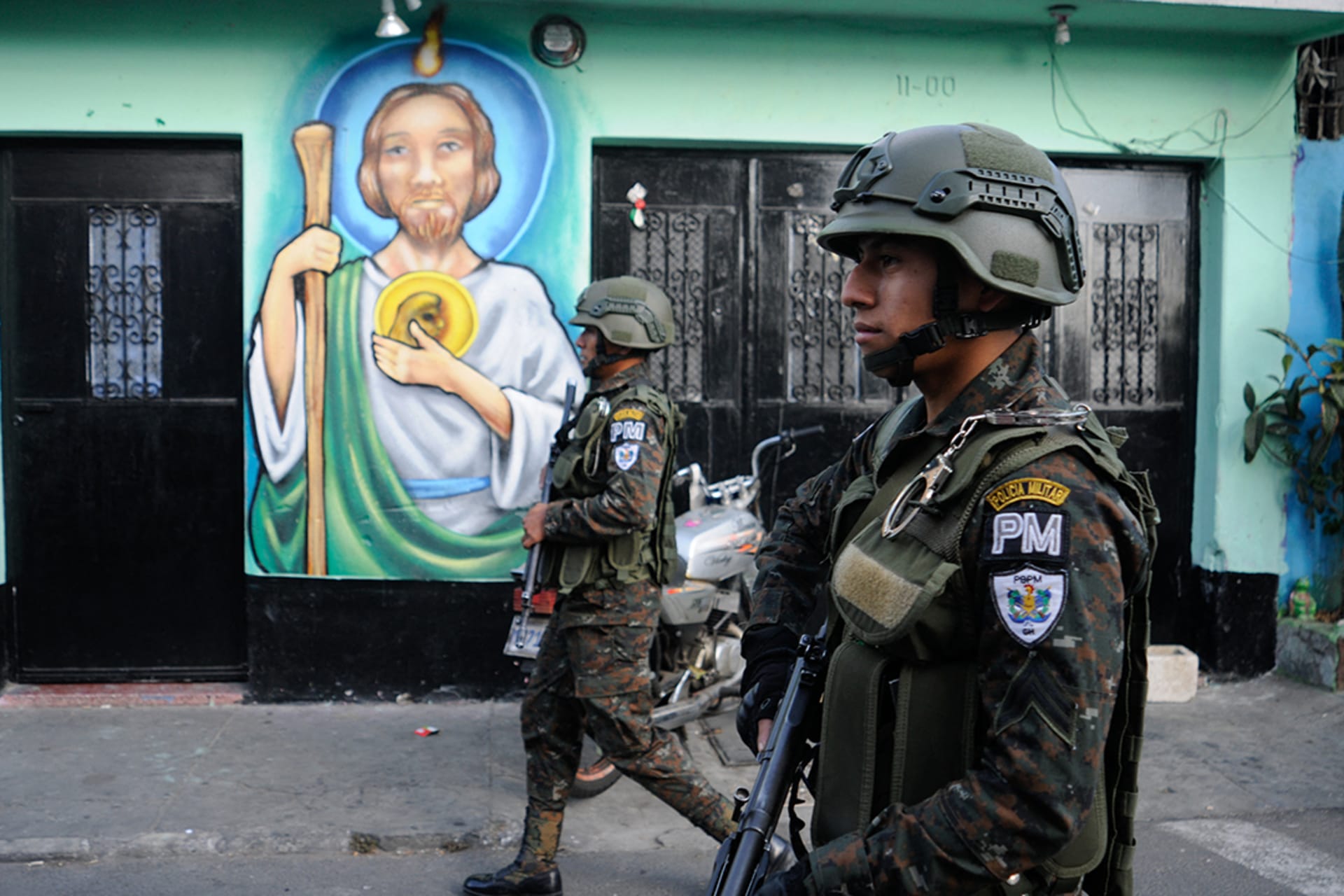
Transnational gangs and narco-trafficking networks plaguing El Salvador, Guatemala, and Honduras have driven some of the world’s highest homicide rates and displaced over two million people since 2019. States of exception and mass incarceration in El Salvador and Honduras have reduced homicides but suspended civil liberties, while U.S. cuts to foreign assistance and mass deportations of convicted criminals threaten to strain government capacity.
- Type
Criminal ViolencePolitical Instability
- Impact on U.S.
- Medium
- Status
- Worsening
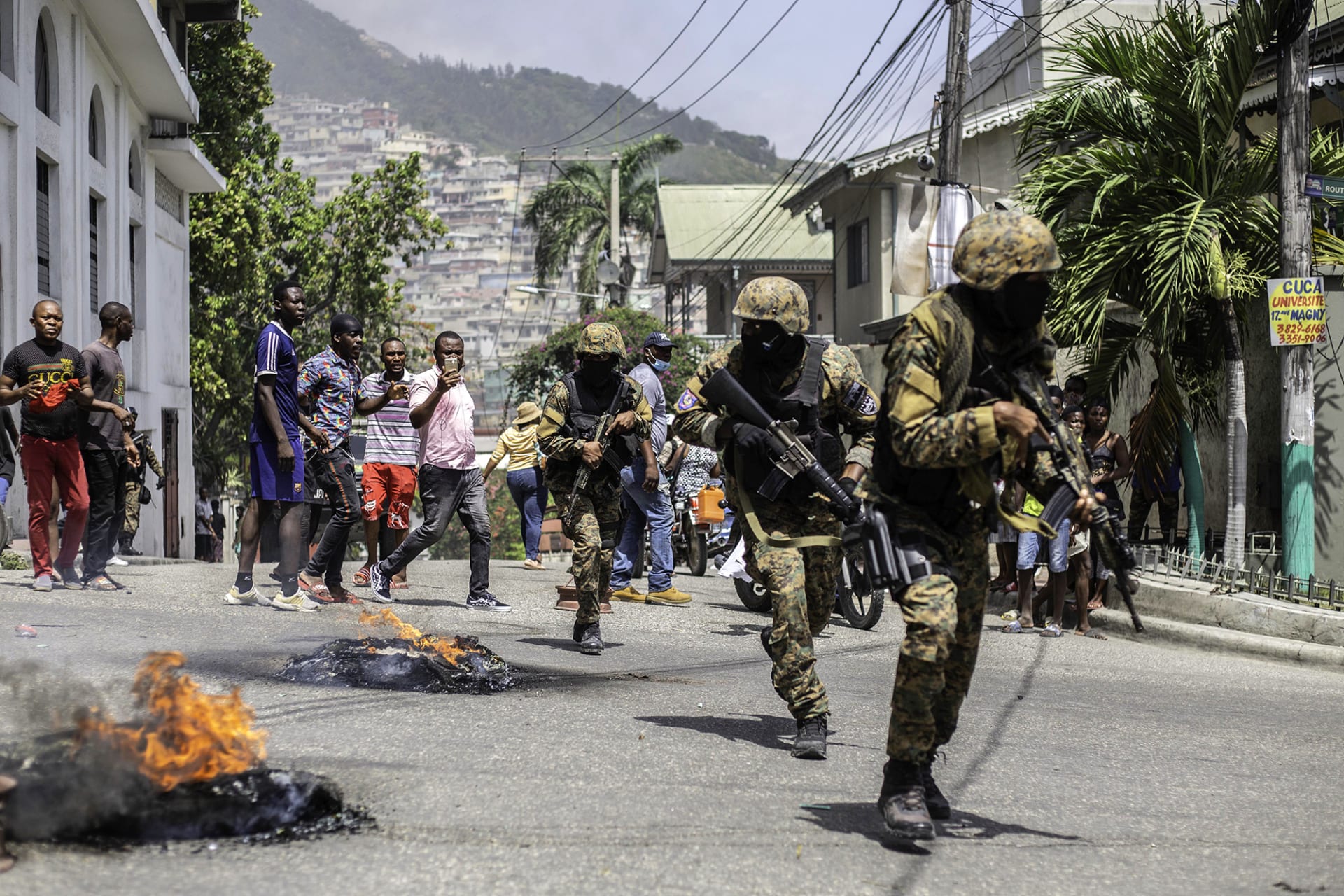
Foreign interventions, political crises, and natural disasters have long destabilized Haiti, a trajectory that worsened sharply after the 2021 assassination of President Jovenel Moïse. Armed gangs moved to fill the vacuum, seizing control of an estimated 90 percent of Port-au-Prince and displacing over 1.4 million people. A UN-backed Gang Suppression Force began operations in June 2026, but gangs retain control of three of Haiti’s ten provinces, threatening to derail elections planned for later this year.
- Type
Political InstabilityTerrorism
- Impact on U.S.
- Low
- Status
- Worsening
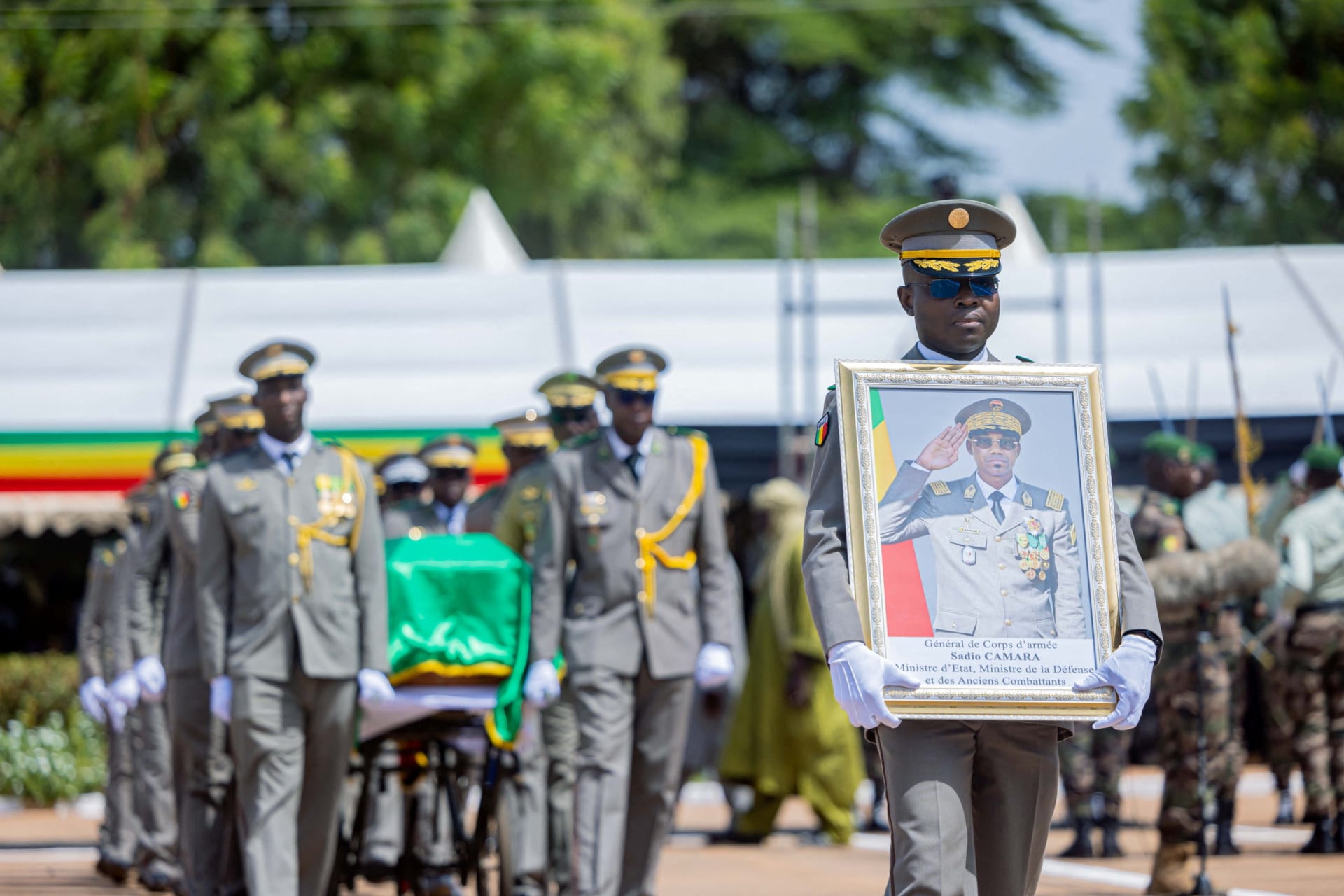
Weak governance, poverty, and climate stress have allowed jihadist groups to establish a foothold across the Sahel, with the Liptako-Gourma borderlands of Burkina Faso, Mali, and Niger now accounting for over half of global terrorism-related deaths. Military coups have severed Western security partnerships and invited Russian forces, whose retreat from northern Mali following jihadist and Tuareg attacks in 2026 has left governments exposed to an insurgency pushing southward into coastal West Africa.
- Type
Political Instability
- Impact on U.S.
- Low
- Status
- Worsening
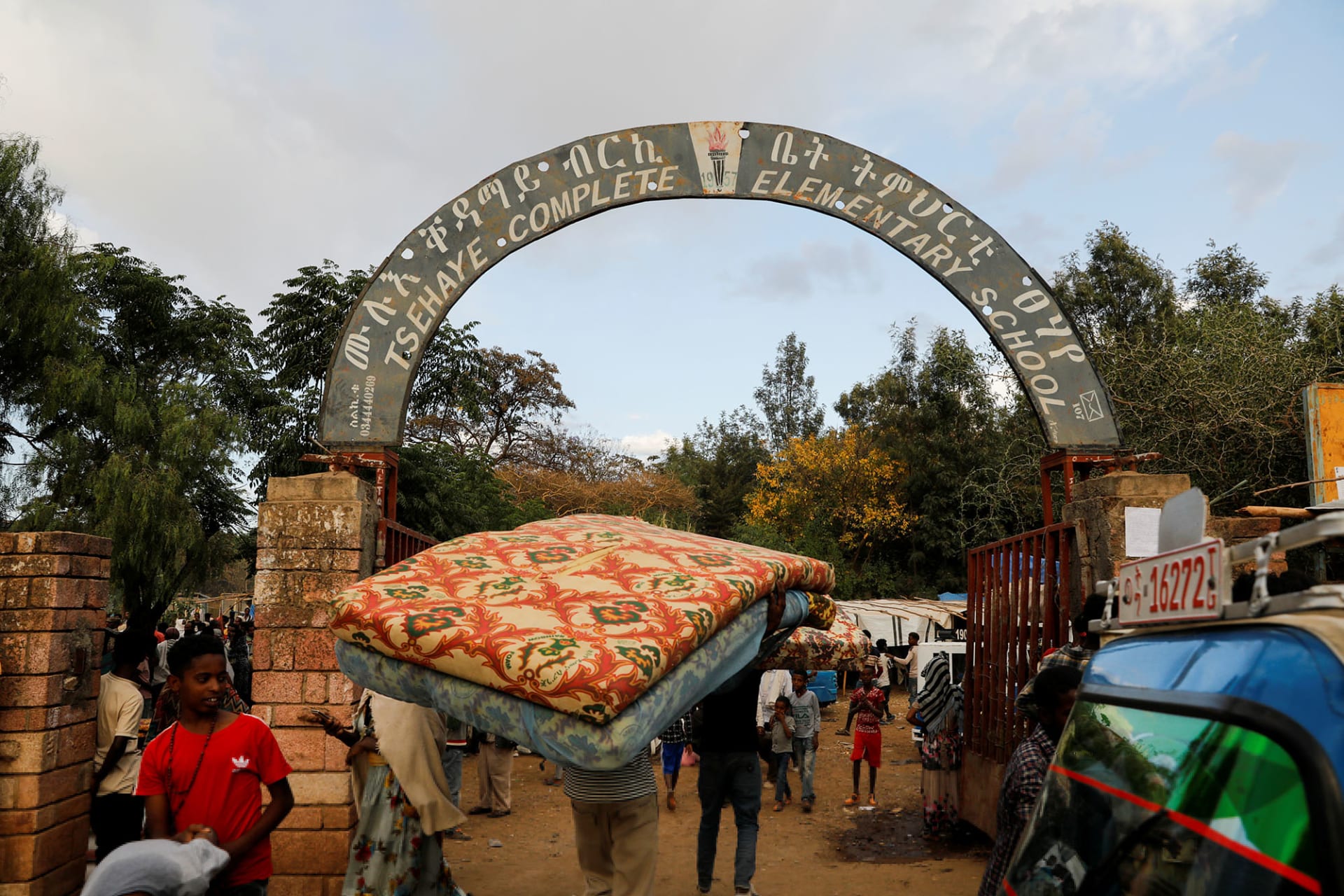
The power struggle between the Tigray People’s Liberation Front (TPLF) and Ethiopia’s federal government has reignited after lying dormant since the 2020–22 civil war. In September 2026, the TPLF joined the seven-group Alliance for Survival aimed at overthrowing Prime Minister Abiy Ahmed and subsequently seized regional airports. Eritrea’s alleged financial backing of the alliance, paired with fighting alongside Amhara’s Fano militia and the Oromo Liberation Army, has shattered the 2022 Pretoria peace deal and threatens to draw in the wider Horn of Africa.
- Type
Political Instability
- Impact on U.S.
- Medium
- Status
- Unchanging
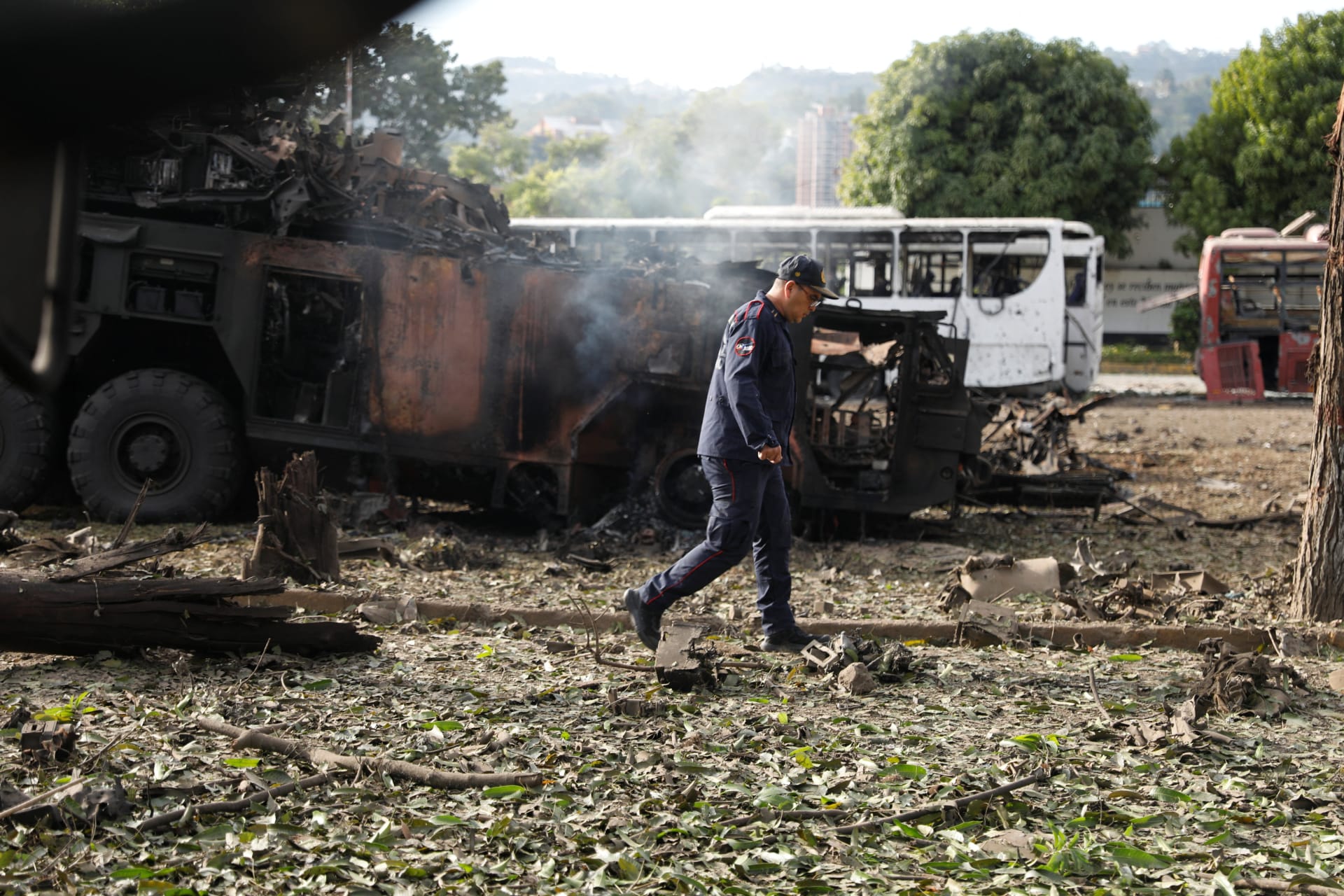
Venezuela’s political and economic crisis stems from two decades of authoritarian mismanagement under Hugo Chávez and Nicolás Maduro, which produced an 80 percent collapse in GDP and drove nearly eight million Venezuelans abroad. U.S. special forces seized Maduro in January 2026, with acting president Delcy Rodríguez now governing under Washington’s pressure. Twin earthquakes struck near Caracas on June 24, 2026, killing over 5,500 people and deepening a humanitarian crisis the government is ill-equipped to manage.
- Type
Political Instability
- Impact on U.S.
- Low
- Status
- Unchanging
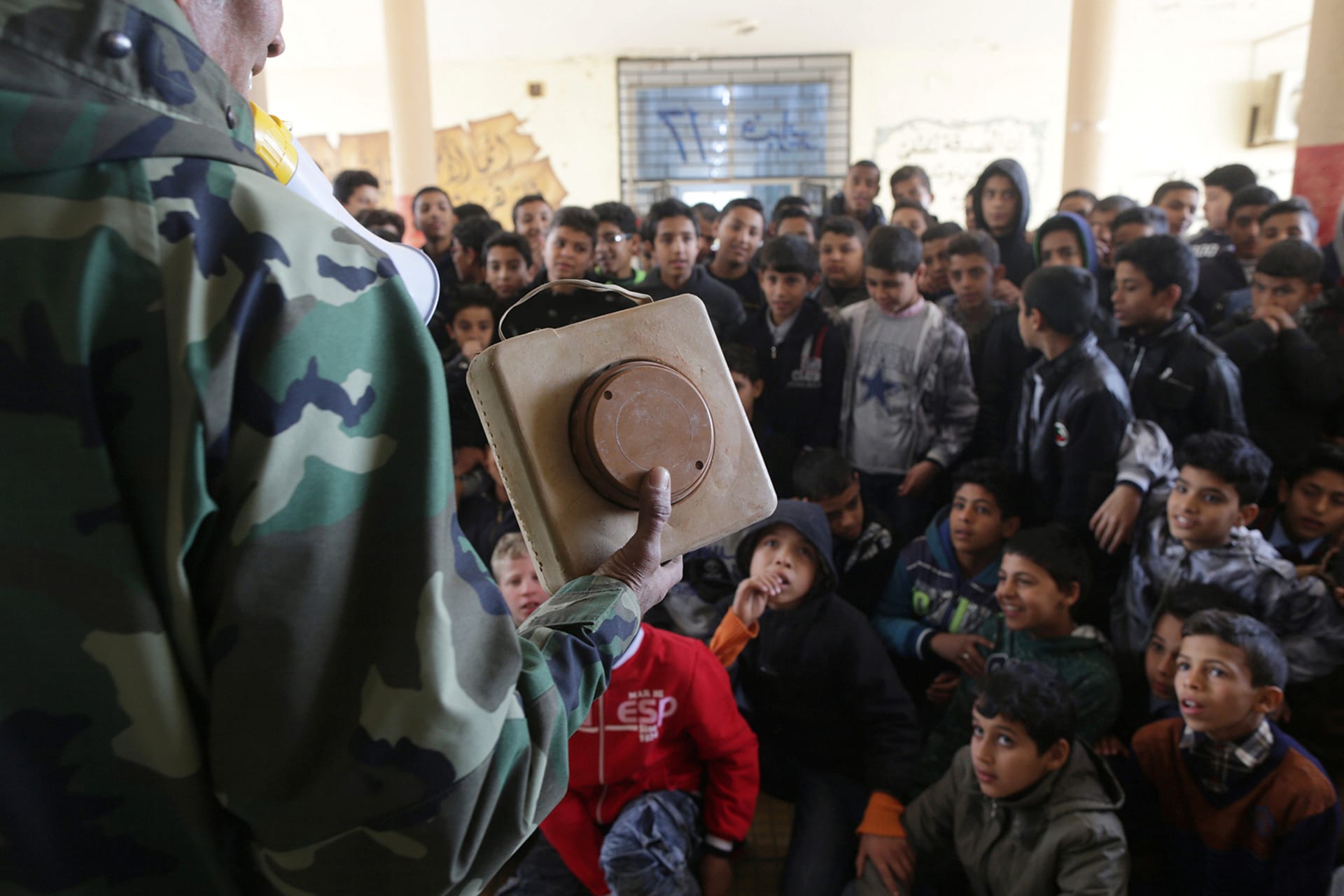
Since the fall of Muammar al-Qaddafi in 2011, Libya has been divided between rival governments and armed factions competing for control of its oil wealth. A 2020 ceasefire ended large-scale fighting, but elections remain indefinitely postponed as the UN-recognized Government of National Unity in Tripoli and the eastern Libyan National Army under Khalifa Haftar cannot agree on terms for a unified government—a deadlock the United States is now attempting to break by linking oil investment to a power-sharing deal.
- Type
Political InstabilityTerrorism
- Impact on U.S.
- Low
- Status
- Unchanging
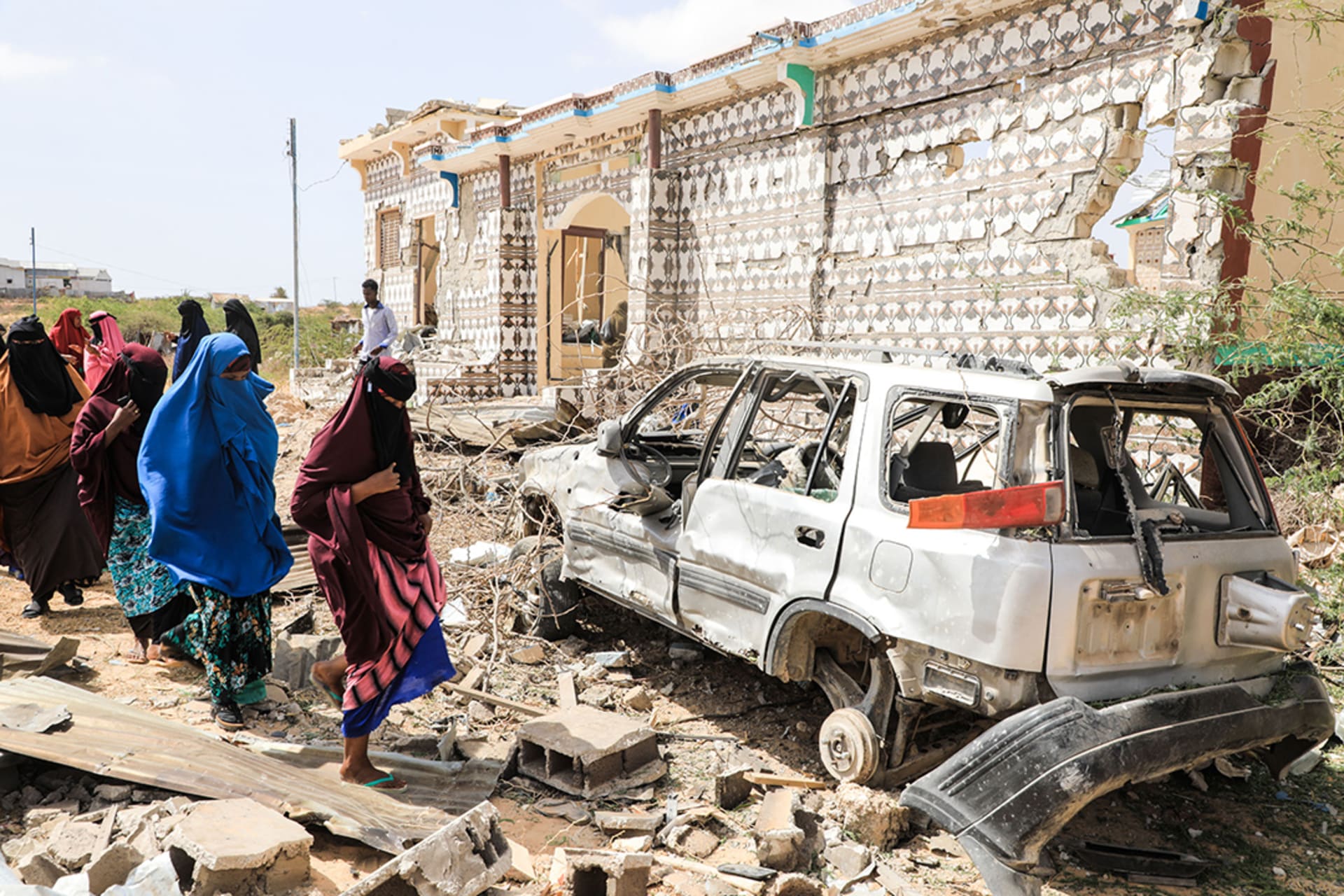
Al-Shabaab has endured as one of al-Qaeda’s most resilient affiliates by exploiting gaps in state authority, clan divisions, and humanitarian crises across Somalia. A 2022 government offensive made early gains but has stalled, with the group deepening ties with Yemen’s Houthis and adapting through guerrilla tactics and counterattacks. The African Union Support and Stabilization Mission is at risk of collapse after the United States announced it would end logistical support beyond December 2026.
- Type
Political InstabilityTerrorism
- Impact on U.S.
- Low
- Status
- Unchanging
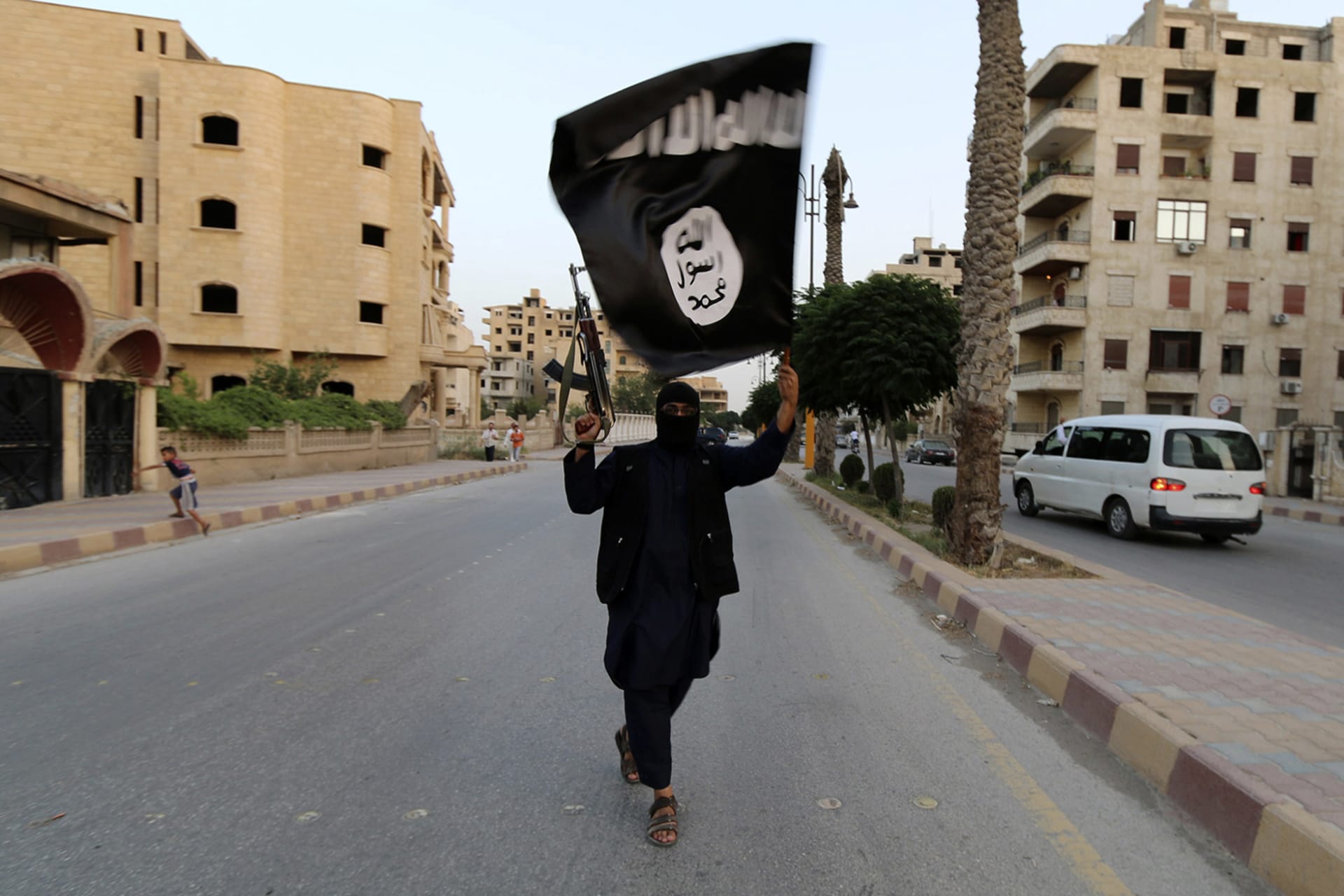
More than a decade after the self-proclaimed Islamic State’s territorial defeat, Iraq continues to face IS sleeper cell attacks, and over one million Iraqis remain displaced. New Prime Minister Ali al-Zaidi faces a September 2026 deadline to disarm pro-Iran militias and convince Washington that Iraq is not beholden to Tehran, a challenge complicated by ongoing U.S. and Israeli airstrikes on Iranian-backed factions.
- Type
Political Instability
- Impact on U.S.
- Low
- Status
- Unchanging
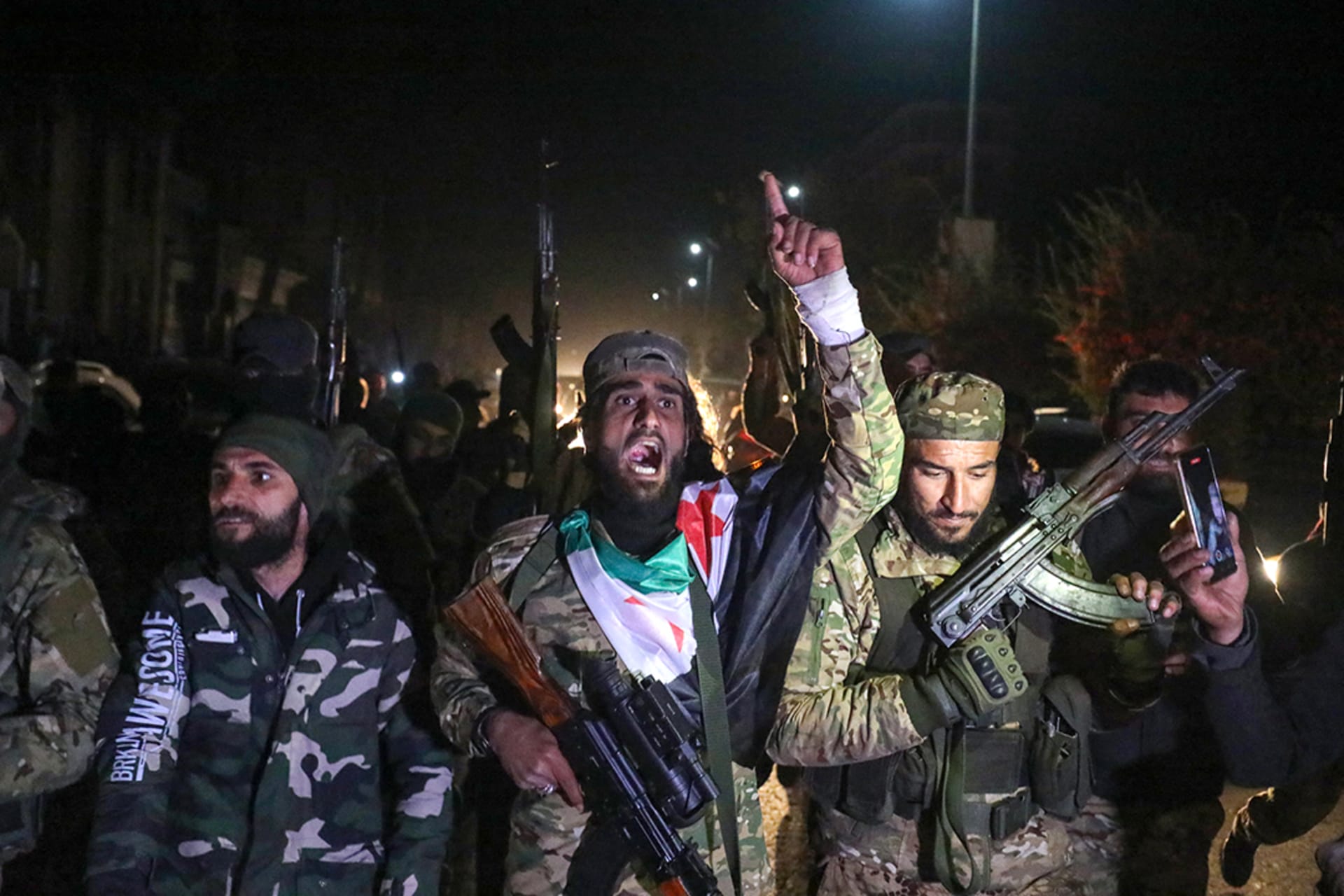
Since the ouster of the Bashar al-Assad regime in December 2024, Syria has entered a fragile transition under Ahmed al-Sharaa, the leader of Hayat Tahrir al Sham (HTS), a group that the United States had designated as a terrorist organization until July 2025. With a five-year transitional period underway, the path to a stable Syrian state depends on unresolved questions of minority rights, Kurdish military integration, constitutional reform, and a security arrangement with Israel.
- Type
Political Instability
- Impact on U.S.
- Low
- Status
- Unchanging
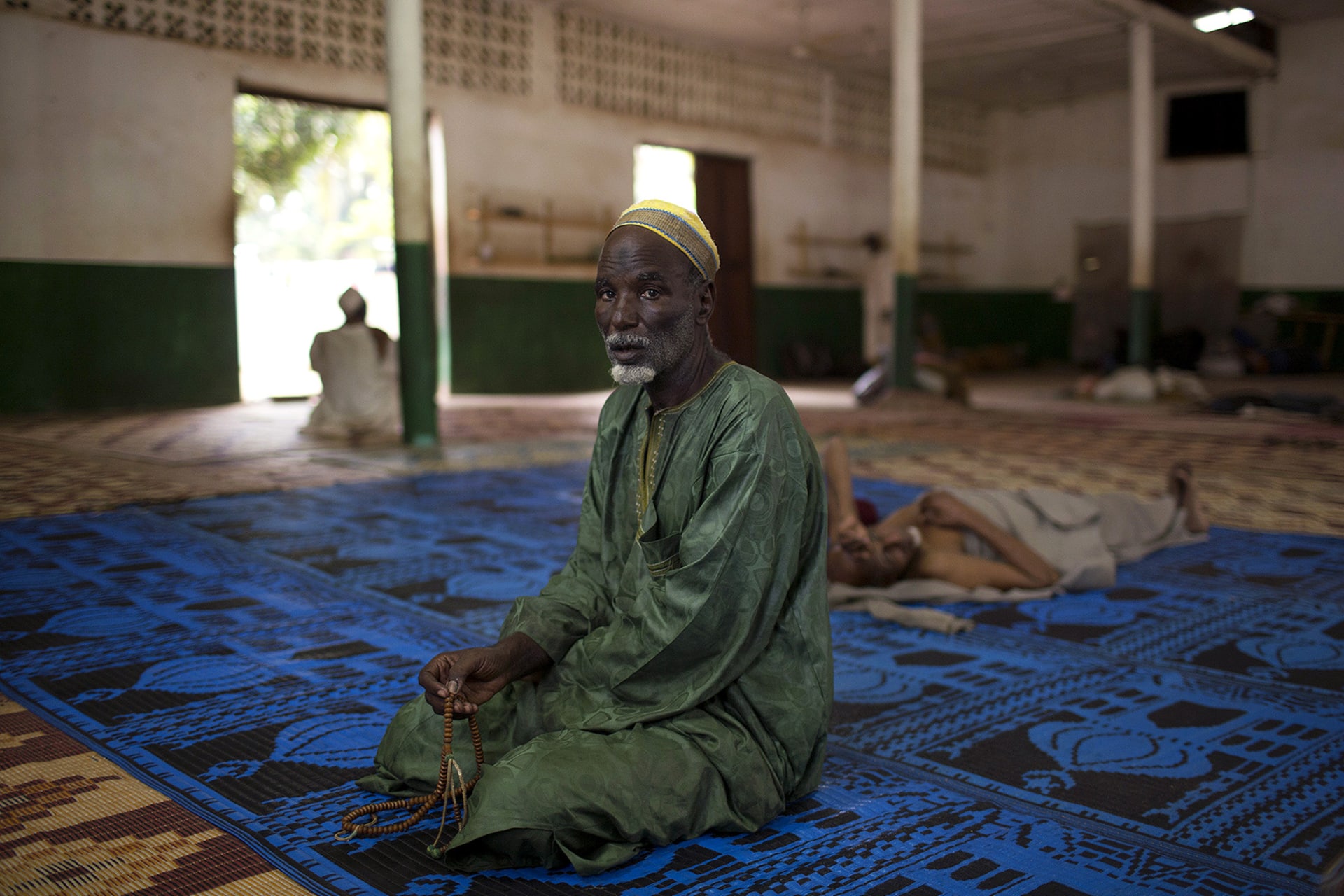
Armed conflict between Muslim Séléka factions and Christian militias has destabilized the Central African Republic (CAR) since 2013, leaving much of the country outside government control. Russia’s Africa Corps has since propped up President Touadéra’s government in exchange for mineral concessions, deepening CAR’s dependence on Moscow as Western partners have distanced themselves. The UN peacekeeping mission has begun withdrawing from some bases, though armed groups still hold substantial territory.
- Type
Political Instability
- Impact on U.S.
- Low
- Status
- Worsening
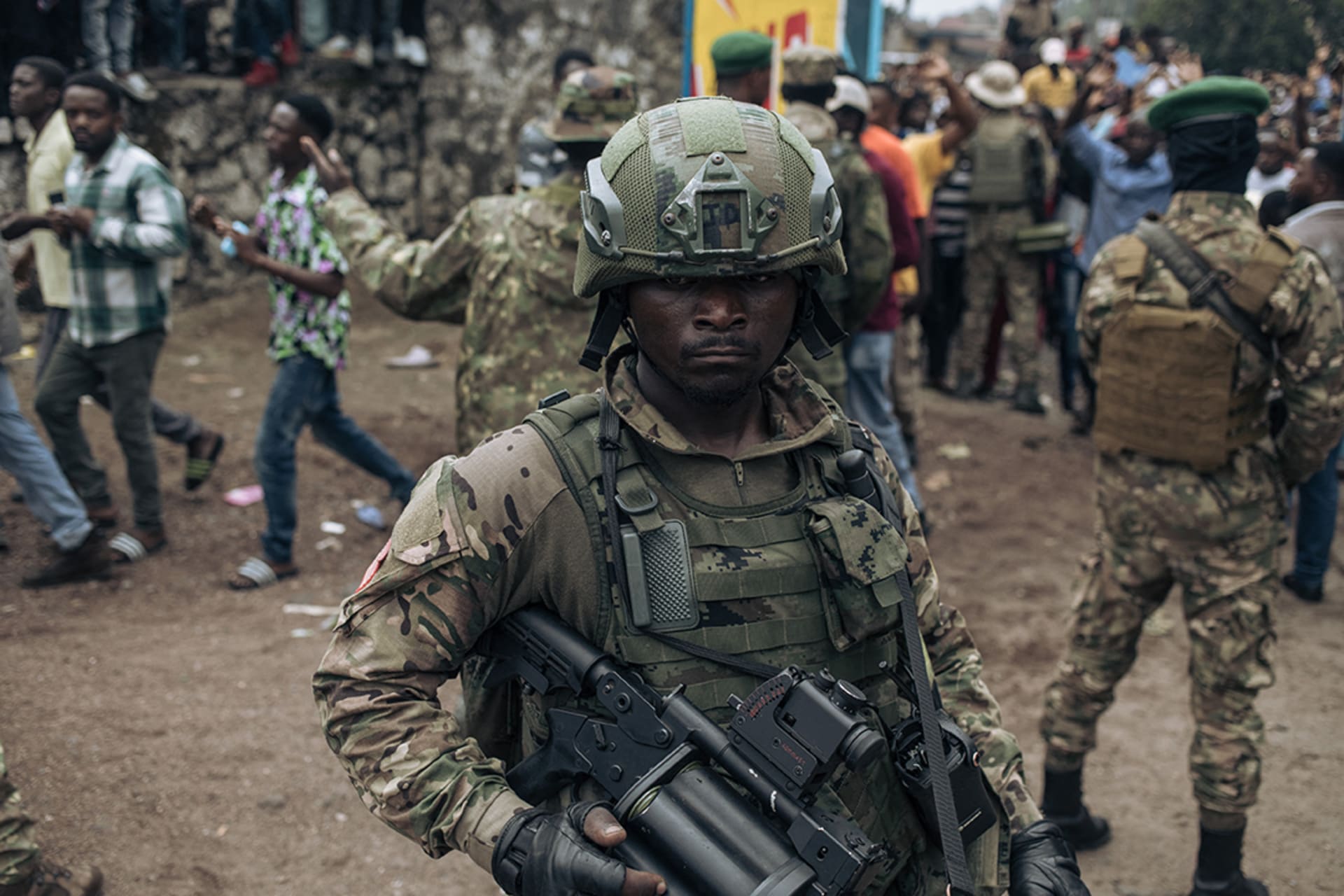
The Democratic Republic of Congo (DRC) has been stricken by decades of conflict over its mineral wealth and unresolved tensions from the 1994 Rwandan genocide. Rwanda-backed M23 rebels seized Goma and Bukavu in early 2025 and continue to hold significant territory in eastern DRC despite a U.S.-brokered peace agreement and ongoing Qatar-mediated talks. With over seven million people displaced, Rwandan troops remain on the ground, and key provisions of the peace deal are unimplemented.
- Type
Political Instability
- Impact on U.S.
- Low
- Status
- Worsening
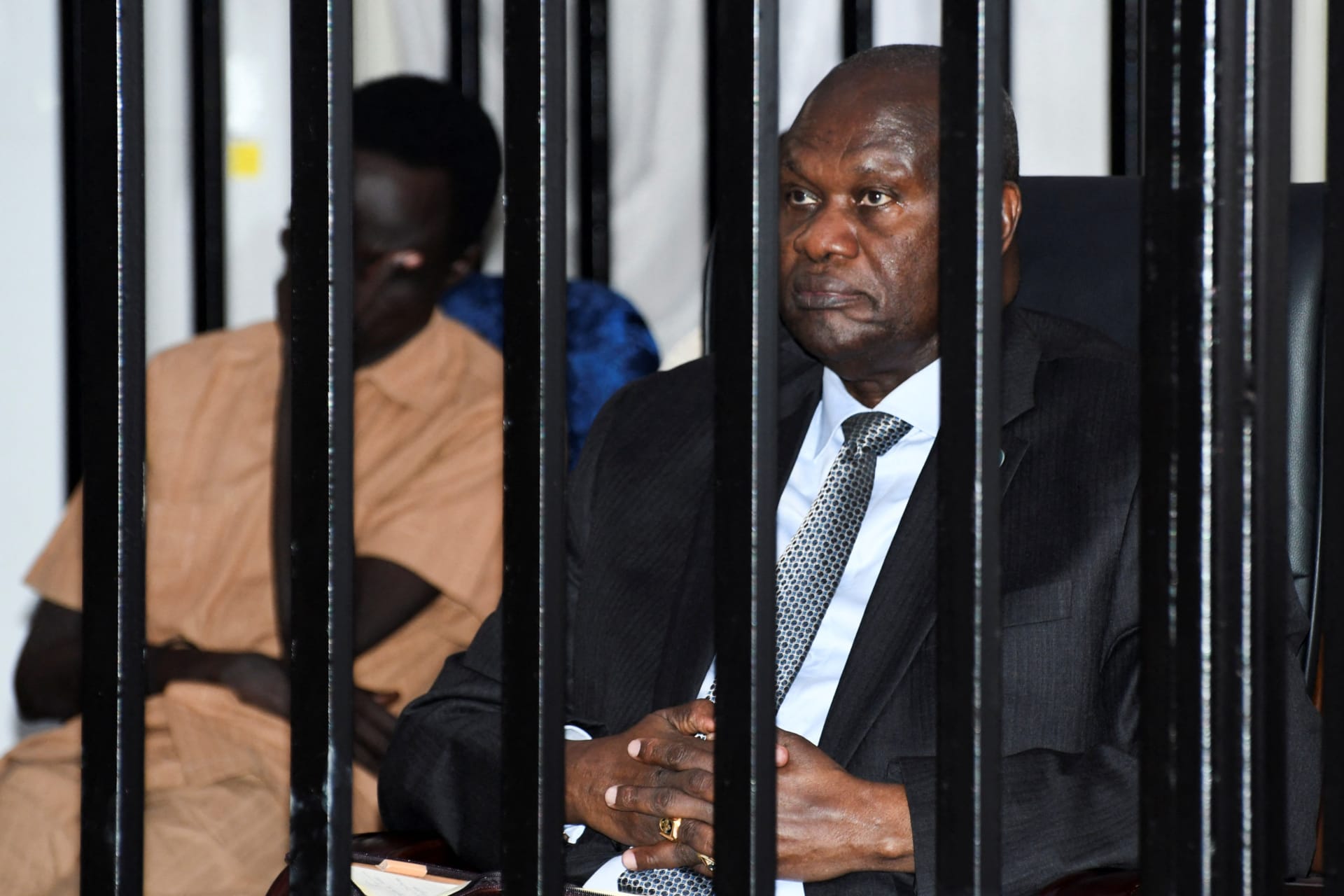
Ethnic and political rivalry between President Salva Kiir and First Vice President Riek Machar has driven South Sudan’s cycles of war since 2013. Despite a 2018 peace deal, the agreement’s core reforms, including army unification, a permanent constitution, and elections, were never implemented. Kiir’s arrest of Machar in 2025 collapsed the unity government entirely, reigniting conflict that has since displaced hundreds of thousands and pushed the country toward full-scale famine.