Podcast: Dictators Without Borders
Loading...
0:00 / 0:00
Published
Show Notes
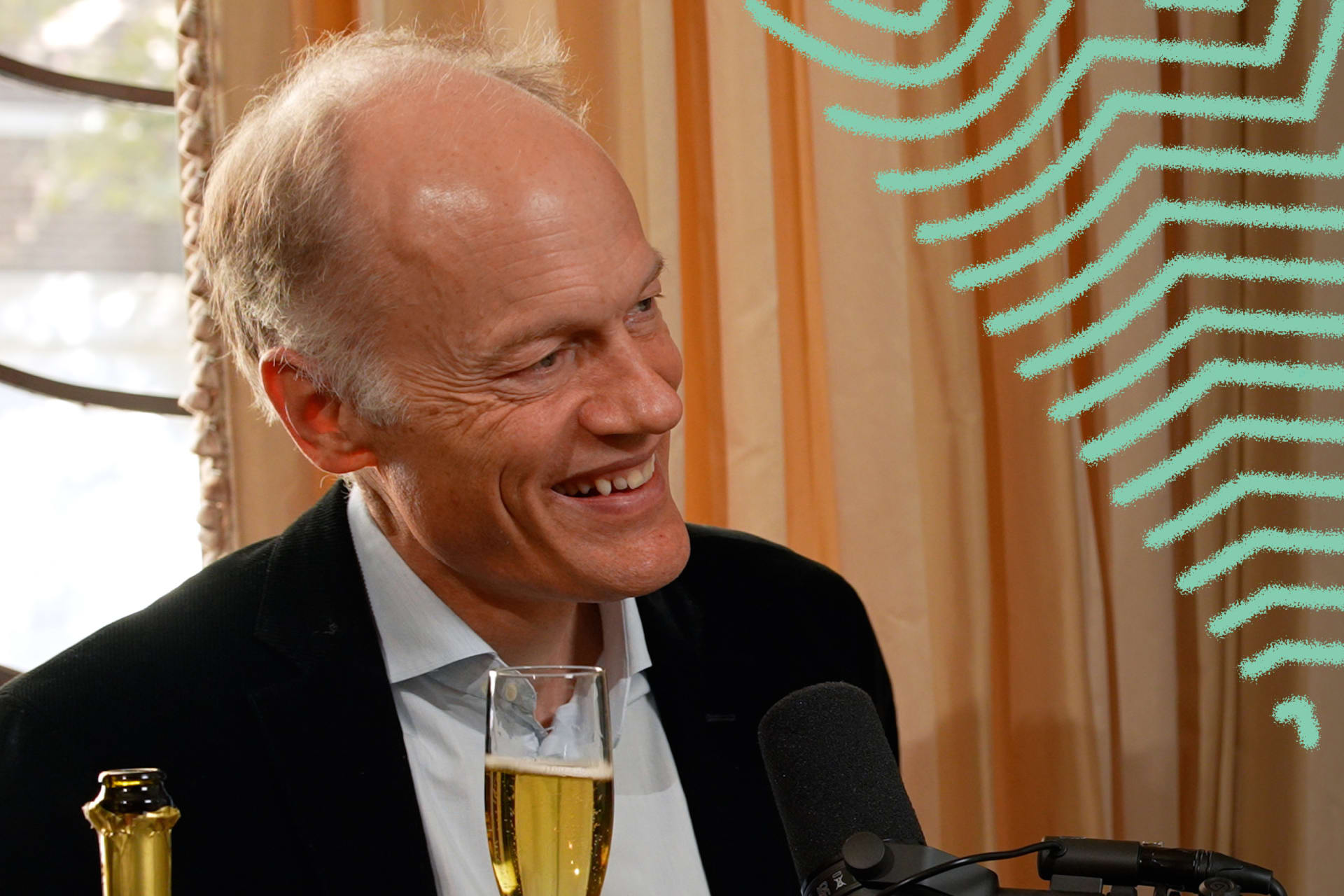
On this week’s Asia Unbound podcast, Alexander Cooley, Claire Tow professor of political science at Barnard College and coauthor of Dictators Without Borders: Power and Money in Central Asia, probes the inner world of illicit capital flows between autocratic Central Asian regimes and power centers in the West. Cooley describes how a perfect storm of globalization, state-building, and regime consolidation in the 1990s gave Central Asian leaders easy opportunities to engage in massive embezzlement schemes and graft. Today, in cases such as those involving Mukhtar Ablyazov, a Kazakh politician and banker, and Gulnara Karimova, the oldest daughter of Uzbekistan’s former president, the overall scale of corruption is often in the billions of dollars. Luxury real estate brokers, shell companies, and Western banks, which are often complicit in hiding stolen assets, obstruct the transnational hunt for ill-gotten gains. Cooley also analyzes how visions for a modern-day Silk Road—whether emanating from Washington or Beijing—fail to recognize that infrastructure development without governance reform only adds fuel to the fire of local corruption. Listen to our conversation above to hear more of Cooley’s insights into the networks of Central Asian power and money that stretch far beyond the region’s borders.
 33:42Podcast
 48:01Podcast
 47:25Podcast
 26:04Podcast
 36:05Podcast
 50:17Podcast