New U.S.-Taiwan Trade and Chip Deal Announced
By experts and staff
- Published
- CFR Editors
Welcome to the Daily News Brief, CFR’s flagship morning newsletter summarizing the top global news and analysis of the day.
Subscribe to the Daily News Brief to receive it every weekday morning
Top of the Agenda
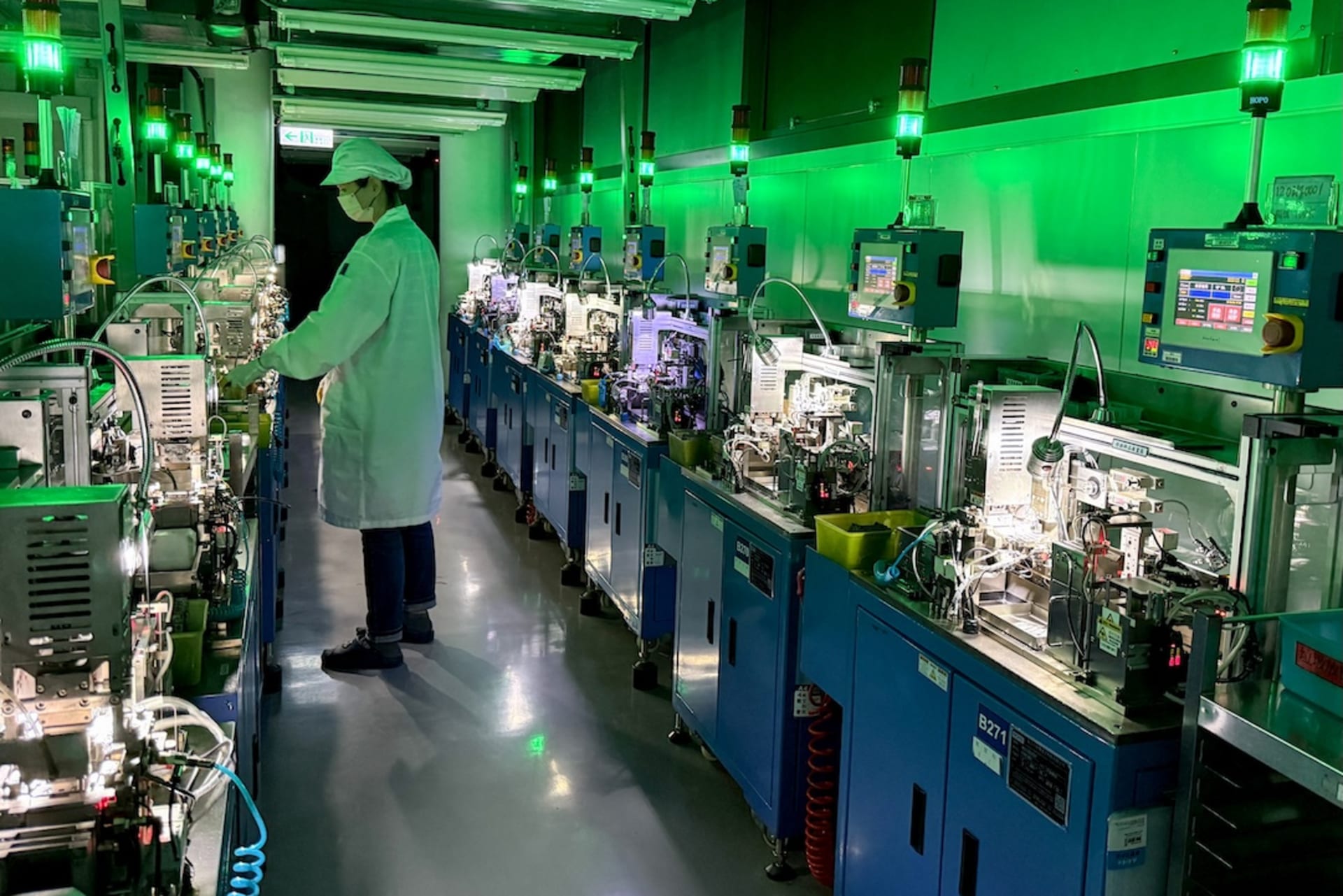
A new bilateral trade agreement will see Taiwan invest $250 billion in U.S. chip and technology manufacturing, while the United States lowers its base tariff on Taiwanese goods from 20 to 15 percent. Under the deal, announced by the U.S. Commerce Department yesterday, Taiwan will also guarantee at least $250 billion in credit to Taiwanese businesses for their growth in the United States. The agreement comes after months of negotiations and will “drive a massive reshoring of America’s semiconductor sector,” the Commerce Department said.
More details. Most of Taiwan’s high-tech exports to the United States are currently exempt from tariffs, but the deal will also provide relief for Taiwanese goods such as generic pharmaceuticals and aircraft parts. The Trump administration has said it is studying the possibility of broad global chip tariffs in the future. Yesterday’s announcement said future tariffs would “reward” Taiwanese firms that invest in the United States. Taiwan Semiconductor Manufacturing Company has already pledged $100 billion in U.S. investment during the Trump administration, which U.S. Commerce Secretary Howard Lutnick said yesterday would count toward the $250 billion total.
The context. The U.S. share of global chip wafer production dropped from 37 percent in 1990 to less than 10 percent in 2024, according to the Commerce Department. Much of today’s production is now based in Taiwan, where some officials argue that their status as a global chipmaking hub acts as an incentive for partners to defend the island from China’s threats. However, Taiwanese officials were quick to push back on the idea that the sector would be relocated en masse. “Taiwan will still remain the world’s most important producer of AI semiconductors,” Economic Affairs Minister Kung Ming-hsin told reporters today.
“Beneath the surface of Taiwan’s pledges to increase U.S. trade ties lies an apprehension about the United States’ ultimate objectives, and what a potential rebalancing of global supply chains would mean for the island’s security…if the United States successfully onshores chip production, it may no longer care about Taiwan’s security and, therefore, not defend it from Chinese aggression.”
—CFR Fellow David Sacks in an Expert Brief
Across the Globe
Sentence for Yoon. A Seoul court sentenced former South Korean President Yoon Suk Yeol to five years in prison today on charges related to his efforts to impose martial law in December 2024 and subsequent attempt to evade arrest. Yoon’s lawyers said he would appeal the verdict. He also faces a separate ruling next month on charges of insurrection.
Machado at the White House. Venezuelan opposition leader Machado gave Donald Trump her Nobel Peace Prize medal yesterday, praising his “action to secure a free Venezuela” in a framed message. Machado has called for Venezuela’s democratic opposition to assume leadership of the country following the United States’ ouster of former President Nicolás Maduro. Yesterday the White House press secretary said that Trump is “committed to hopefully seeing elections in Venezuela one day,” without providing a timeline.
Sanctions on Iran. The United States announced new sanctions on Iranian officials yesterday, citing their “brutal crackdown against the Iranian people.” Gulf countries and Israel urged Trump in recent days not to strike Iran because of concerns that such actions could ignite a broader regional conflict, unnamed officials told multiple news outlets. The White House press secretary said yesterday that “all options remain on the table” when it comes to Iran.
Chinese trade deals with Canada… Canada will reduce tariffs on up to forty-nine thousand Chinese electric vehicles per year, lowering the duties from 100 percent to 6.1 percent, Canadian Prime Minister Mark Carney said today. China, in turn, is expected to reduce tariffs on Canadian canola seed to from 84 percent to 15 percent by March. Carney announced the agreement after a meeting with Chinese President Xi Jinping in Beijing.
…and Kenya. China and Kenya reached a preliminary trade deal that would grant roughly 98 percent of Kenyan exports tariff-free access to the Chinese market, Kenya’s trade ministry announced yesterday. The deal comes after China said last June that it would work to remove tariffs for nearly all African countries. Kenya is a close U.S. ally and is also negotiating a bilateral trade deal with Washington.
Colombia targets guerillas. Colombian President Gustavo Petro told The New York Times that he rejected an offer this week to cut a deal with a guerilla and drug trafficking group based near the Venezuelan border, and instead ordered a military offensive against them. The move reverses Petro’s yearslong efforts to strike a peace deal with the group. Petro and Trump spoke on the phone last week after Trump threatened to bomb Colombia for allegedly harboring drug traffickers.
Return from ISS. Four astronauts—two American, one Japanese, and one Russian—safely completed the first-ever medical evacuation from the International Space Station (ISS) yesterday. NASA did not disclose which member of the crew had a medical issue. The crew returned to Earth one month ahead of schedule.
NATO presence in Greenland. Troops from the alliance will likely be present in Greenland on a “more permanent” basis, Denmark’s defense minister told a local public broadcaster yesterday amid tensions with the United States over the island’s ownership. Denmark plans to increase the amount of troops it has based in the territory, while other countries in the alliance will rotate personnel through, he said. “Security in the Arctic is not only for the Kingdom of Denmark, it is for all of NATO,” he added.
What’s Next
- Today, European Commission President Ursula von der Leyen begins a trip to Brazil and Paraguay.
Tomorrow, the Prime Minister of Slovakia meets with Trump in Florida.
Sunday, Portugal holds a presidential election.
- Sunday, Senegal and Morocco face off in the final match of the Africa Cup of Nations in Morocco.