Trump, Xi, and the Making of a Presidential Phone Call
President Donald Trump and Chinese President Xi Jinping held a call on Friday for the second time this year. CFR President Michael Froman and Senior Fellow Rush Doshi break down the issues at stake, and the high-level planning that goes into presidential phone calls.
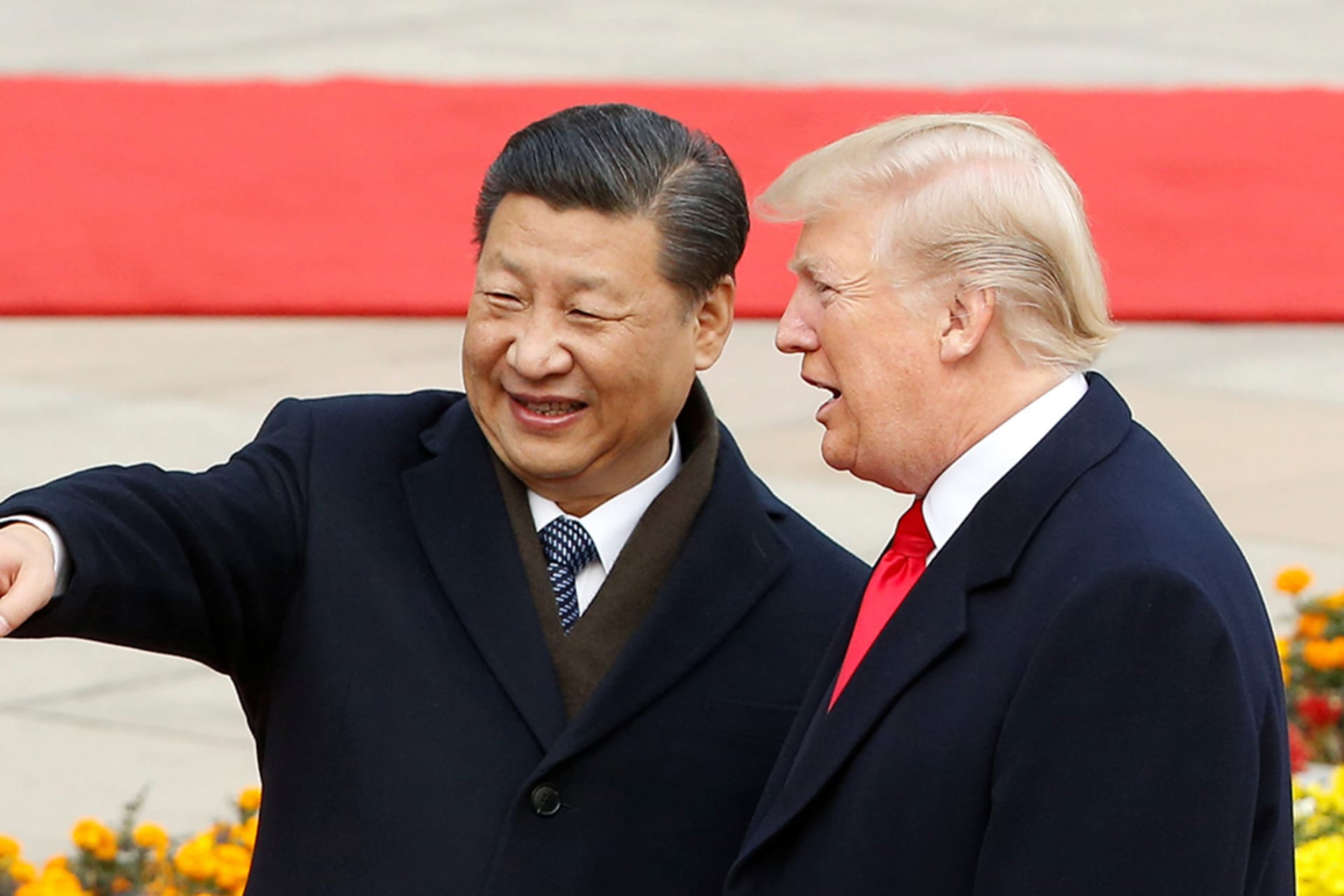
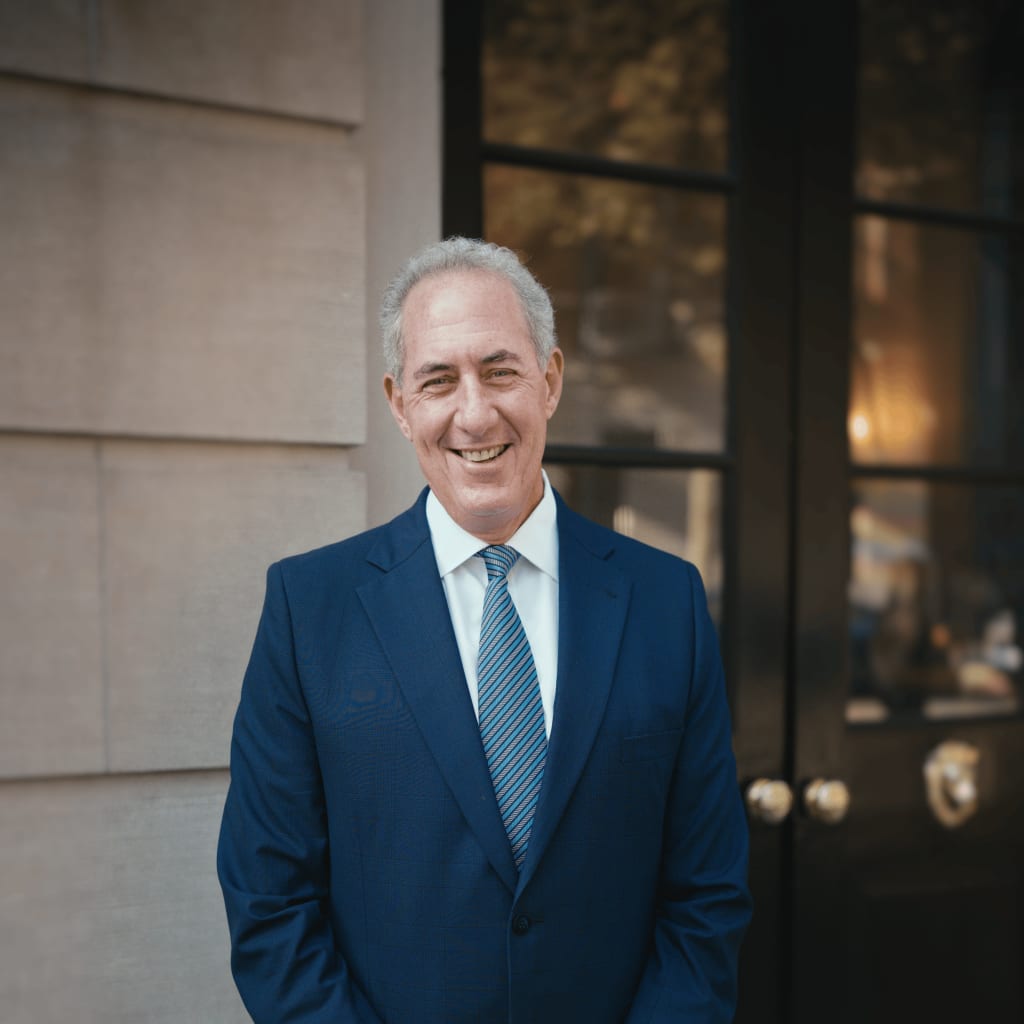
Earlier today, President Donald Trump called Chinese President Xi Jinping directly for the second time this year. To break down what goes into a presidential call, I sat down with Rush Doshi, senior fellow for Asia studies and director of the China Strategy Initiative, for a wide-ranging discussion.
FROMAN: Rush, you and I have both prepared leaders for leader-to-leader conversations in our glory days at the White House. I was involved in a number of bilateral meetings, a couple of state visits, and, of course, the Sunnylands retreat. There were lots of calls back then in between. How does a call with the People’s Republic of China come together?
DOSHI: I had the privilege of preparing several of President Biden’s calls with President Xi—as well as his in-person leader summits in Bali and in San Francisco. The calls may be less involved than the meetings, but they are still major events, especially now. Bilateral diplomacy with China, given the increasingly complicated relationship with Beijing, sometimes has the feel of Cold War summitry to it. The conversations have a weight to them.
There are some unique quirks. Even agreeing to a call is often more complicated than it should be because Beijing rarely requests a call and always prefers that Washington make the ask—even when they, in fact, want the call. Sometimes, Beijing will hold out on a call for months, suggesting the “atmosphere” is not right unless Washington makes certain concessions, which the U.S. is rightly reluctant to do. Once both sides agree to the call, there is the usual negotiation about when the call will occur and what it will discuss. The staff-level talks are sometimes directly with Beijing, so given the time difference, they can occur punishingly early or late in the night and stretch on for hours. Other times, messages are passed through the embassies.
A call can be scheduled quickly when it is urgent. In that case, all the preparation between the two sides happens on exceedingly compressed timelines. Other times, the process can take weeks—if not months.
FROMAN: Every president and White House has their own style and their own way of preparing for such calls. President Trump is said to be comfortable relying on instinct. But traditionally, what preparation did you do internally to prepare for the call?
DOSHI: It is a powerful and humbling experience to take the pen on talking points for an engagement between the U.S. and Chinese president. This is no ordinary interaction, and you can feel the weight of it as you get started. Of course, you solicit input from the president and national security adviser, or hold interagency meetings to discuss the approach or align on deliverables, too. But then you have to put the words on the page. To get in the right headspace, I found it helpful to start by reading the transcripts or records we had of prior leader-level engagements with President Xi, even going back into prior administrations or to then-Vice President Biden’s meetings. It would also prepare you for what they might say. And I found it was a rich source to find personal touches—a recollection of a past interaction, point of agreement, or insightful comment—that the president could call upon in the moment. He understood the value of personal touches.
FROMAN: What are the key issues you think were discussed in today’s call?
DOSHI: As expected, this call focused on major economic and technology issues, and some geopolitical ones, too. From the official readouts—President Trump’s Truth Social post, the Chinese readout—the two sides discussed trade, fentanyl, the war in Ukraine, the TikTok deal, and a future high-level meeting at APEC in October and a possible in-person meeting in China next year. Notably, given all the attention on exports of AI chips to China, neither side mentioned this issue in the readout, though the Chinese side—with no sense of irony—encouraged the U.S. not to impose unilateral trade-restrictive measures.
Aside from the agreement to meet, and signs of a possible TikTok deal, we didn’t see concessions from President Trump on issues like tariffs, U.S. export controls, or other issues. There are no signs Taiwan was discussed, at least according to the official readouts.
FROMAN: Who are the key players likely advising President Xi in advance of the call? What about on the U.S. side?
DOSHI: Readouts of phone calls don’t usually say who was in the room, though of course we know the manifest for in-person meetings. So based on who President Xi had in meetings with President Biden, it seems reasonable to assume Foreign Minister Wang Yi was there, led preparations for the call, and provided counsel to President Xi during it. Key Chinese negotiators—Vice Premier He Lifeng and trade negotiator Li Chenggang—were almost certainly there. And other close confidants from the Standing Committee, like Cai Qi, Wang Huning, or Ding Xuexiang, could have joined too. Cai Qi was with President Xi during the small in-person lunch they had.
On the U.S. side, I imagine Secretary Marco Rubio, Secretary Scott Bessent, U.S. Trade Representative Jamieson Greer, and, of course, core White House staff like Susie Wiles and Stephen Miller joined. Senior NSC staff, such as Andy Baker and Ivan Kanapathy, might be in the room or on what we call a “drop line” listening in.
FROMAN: Trump surely doesn’t just dial Xi on his personal cell phone. What does a typical leader-to-leader call look like? Is it a video conference? Or a good old-fashioned phone call? Is it recorded? How does the translation work? Do people respond in real time to tell the president their thoughts?
DOSHI: A video call between the two leaders generally requires even more preparation than a phone call. Most calls are old-fashioned, with some exceptions. Translation is either consecutive or simultaneous, and that is often negotiated ahead of time. Consecutive allows each side to have a moment to think as the translation is rendered; simultaneous means the call moves faster. It seems like this was an old-fashioned phone call.
FROMAN: I remember thinking consecutive translation was like watching paint dry. It took so long between when one leader said something and the other’s response was translated that it killed any notion of a free-flowing conversation. I remember back in Sunnylands, when President Obama and President Xi went for a walk in their rolled-up shirtsleeves around the grounds together, it seemed like that was a rare moment for a real, almost normal conversation.
How much should we read into the length of their call? If it runs short? Runs over?
DOSHI: Consecutive can be quite painful, but sometimes it can be interesting to compare what you hear in Chinese with what you hear in English. The exact length of this call is unclear, but it seems it went on for over an hour. A long call can be a good sign, or it can be a sign of serious disagreement. There is always a risk that a call goes poorly. In this case, I would imagine it is a sign of a constructive conversation rather than an acrimonious one, especially since it is coming ahead of a leader-level meeting.
FROMAN: How “pre-baked” are the results of the call? Is there meaningful potential for the call itself to go awry or deliver a big win? Do any notable historical examples, in the public domain, come to mind?
DOSHI: It is always better to have the call as baked as possible, especially if there are big deliverables on the line. Ahead of important calls, we often see meetings of senior U.S. and Chinese officials. We saw that this time, too. Secretary Bessent just met with Vice Premier He Lifeng in Spain. They worked toward a deal on some outstanding issues, including TikTok.
But leaders—and especially President Trump—will take the conversation where they want. And it’s unclear just how close we are to a deal on core economic and technology issues. It’s not clear whether even the TikTok deal is totally done and approved or whether it still faces legal or other hurdles.
For both sides, I think the key question in this call and beyond is whether there is going to be a deal on economics and technology (and who benefits more from that deal), whether we have a continued “cease-fire” on tariffs or whether we will see further escalation in economic tensions.
FROMAN: What should we make of the post-call readouts? How are they coordinated, and what should we make of differing accounts from the U.S. and the Chinese sides?
DOSHI: President Trump’s Truth Social post was very positive, suggesting a possible deal on TikTok and progress on fentanyl, trade, Russia-Ukraine, and other issues. Some of that is almost certainly overstated. China’s account was a bit more reserved. It emphasized principles, cautioned against unilateral competitive actions, and indicated some legal issues on TikTok that were outstanding.
FROMAN: This call is in anticipation of a potential summit later this year. How much does this initial call affect a meeting on the sidelines of APEC? A Trump visit to China? A Xi visit to the U.S.?
DOSHI: It seems this call was good enough to get us to a meeting on the sidelines of APEC, but not good enough to get President Trump to alter his schedule and go to Beijing. That is not terribly surprising, given so much in the relationship is unresolved. Ahead of the meeting, there is likely to be furious diplomacy between the two sides. And we here in CFR’s China Strategy Initiative will be following along closely.
Let me know what you think about the future of the U.S.-China relationship and what this column should cover next by emailing [email protected].