The Alliance for Multilateralism Makes Sense. Can It Make Good?
The incipient Alliance for Multilateralism comes at a pivotal moment, but its ambiguous identity represents a potential stumbling block.
By experts and staff
- Published
- Stewart M. PatrickJames H. Binger Senior Fellow in Global Governance and Director of the International Institutions and Global Governance Program
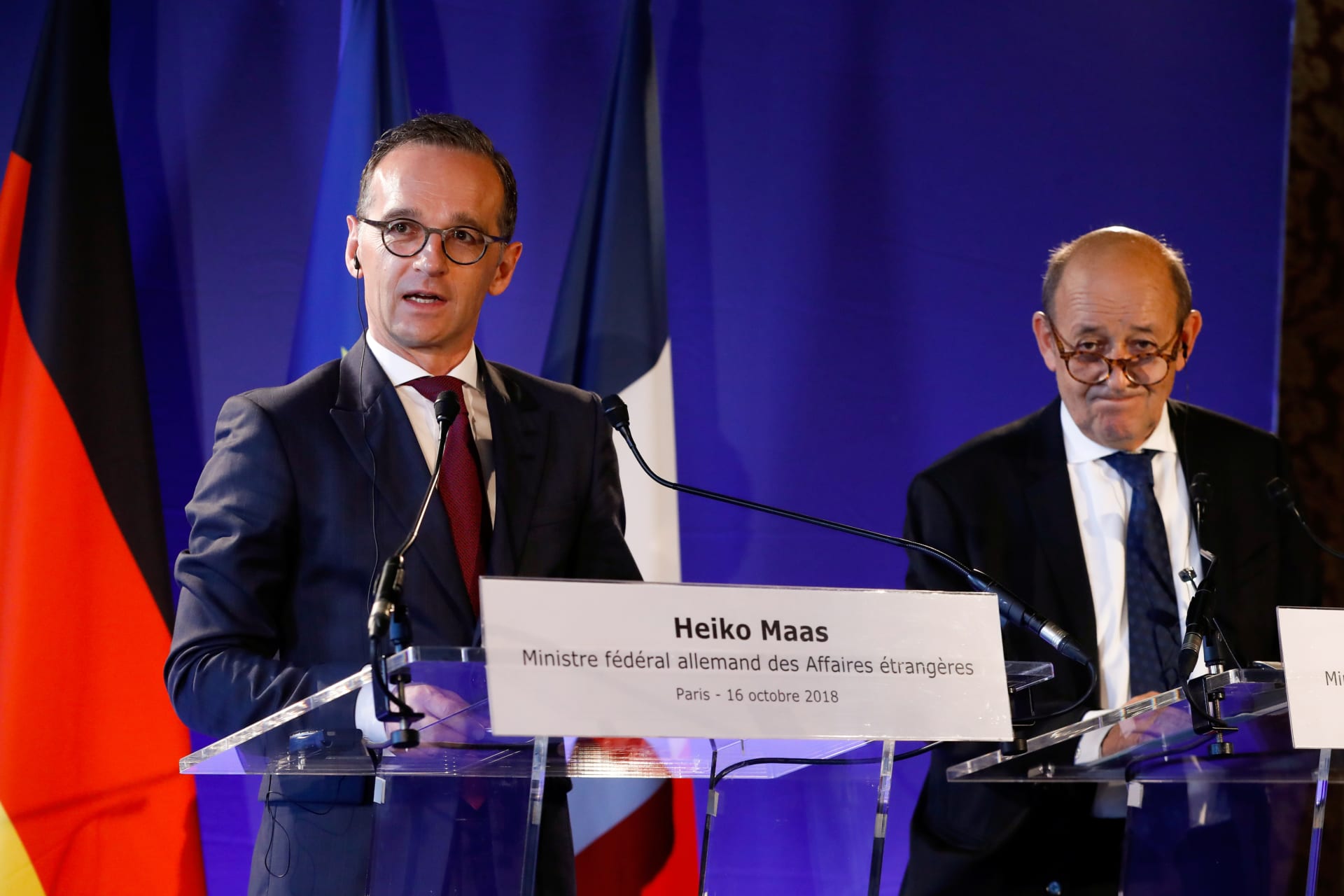
In my weekly column for World Politics Review, I examine the nascent “Alliance for Multilateralism” and discuss some of the challenges it faces.
The rules-based multilateral order is on the ropes, pummeled by absent leaders, dissatisfied powers, clashing values, novel challenges, skeptical publics and sclerotic institutions. To combat these trends, France and Germany have proposed an “Alliance for Multilateralism.” This flexible network would be open in principle to all independent nations committed to responding collectively to the world’s most daunting problems.
Realizing this ambitious vision will require persuading prospective members that the proposed alliance poses no threat to their national sovereignty, that it can contribute to pragmatic problem-solving and that it is not directed against any particular state or states. The alliance’s architects must also decide whether it will be a multilateral platform that is normatively “thick” or “thin,” meaning one that is grounded in shared political principles or focused simply on peaceful coexistence among states that disagree fundamentally on values.
Read the full World Politics Review article here.