Expanding South Korea’s Security Role in the Asia-Pacific Region
By experts and staff
- Published
- Scott A. SnyderSenior Fellow for Korea Studies and Director of the Program on U.S.-Korea Policy
This post was coauthored with Sungtae (Jacky) Park, research associate at the Council on Foreign Relations.
South Korea has become a nation with a global presence, but Seoul has yet to exercise its influence in Southeast Asia. In a Council on Foreign Relations (CFR) discussion paper, Expanding South Korea’s Security Role in the Asia-Pacific Region, Patrick M. Cronin, senior advisor and senior director of the Asia-Pacific security program at the Center for a New American Security, and Seongwon Lee, deputy director for the international cooperation division of the unification policy office at the Ministry of Unification of the Republic of Korea, argue that South Korea should play a larger role in the region, particularly with regard to dealing with a rising China and coping with rising maritime tensions.
While Pyongyang remains Seoul’s most urgent security priority, South Korea is also a major beneficiary of the current liberal international order and has an interest in helping to maintaining the order. Moreover, South Korea, as a rising middle power, has the capacity to play a larger role in the wider Asia-Pacific region. For example, South Korea has inked thirty-nine bilateral security agreements, fourteen of those with Asia-Pacific countries, over the past decade, and has emerged as a major arms exporter, particularly in Southeast Asia. Park Geun-hye has held twenty bilateral summits with heads of Association of Southeast Asian Nations (ASEAN) nations during the first three years of her presidency.
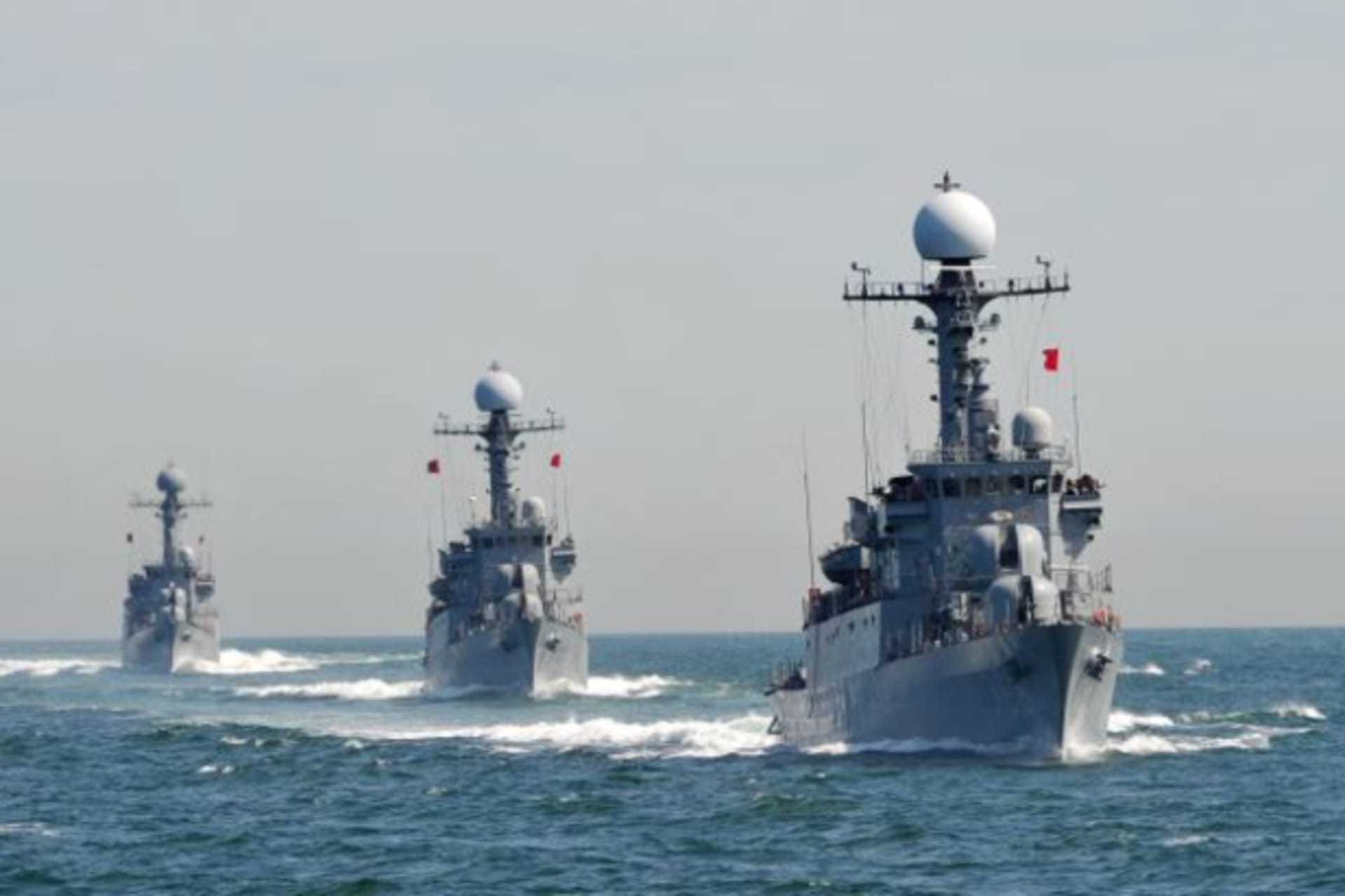
South Korea is also operating an increasingly capable navy. In February 2016, the South Korean navy opened a naval base at Jeju Island. The base hosts ROKN Maritime Task Flotilla 7, the first ROK flotilla designed for expeditionary operations. Although dwarfed by those of its strong neighbors, China and Japan, South Korea’s navy ranks eighth-largest in the world. South Korea also holds military exercises regularly with ASEAN members.
Cronin and Lee argue that South Korea could do the following to help bolster the liberal international order in the wider Asia-Pacific region:
The previous administration led by Barack Obama actively supported intra-Asian security networking and cooperation. The Donald Trump administration should continue its predecessor’s efforts and be even more receptive to its Asian allies playing a more active role in wider regional security concerns. Aligning U.S.-ROK efforts on security cooperation with ASEAN, as well as coordinating activities with individual Southeast Asian nations, should become more prominent parts of a stable and prosperous regional landscape.
This Asia Unbound preview was adapted from the CFR discussion paper, Expanding South Korea’s Security Role in the Asia-Pacific Region.