How the Iran War Confirmed, Contradicted, and Complicated U.S. Policy
The Iran war has validated much of what U.S. analysts predicted, and it has exposed how little of that analysis shaped the decisions that led to the U.S. military campaign. Revisiting those assumptions is now essential ahead of any serious reckoning about what comes next.
By experts and staff
- Published
 Elisa EwersCFR ExpertSenior Fellow for Middle East Studies
- Ariane TabatabaiVice President of Research, Security and Defense, and Senior Fellow, Middle East, at the Chicago Council on Global Affairs
Elisa Ewers is a Senior Fellow for Middle East Studies at the Council on Foreign Relations. Ariane Tabatabai is the Vice President of Research, Security and Defense, and Senior Fellow, Middle East, at the Chicago Council on Global Affairs.
Since his April Fool’s Day speech, President Donald Trump has gone back and forth between threatening to end the Iranian civilization, seeking to uphold a fragile ceasefire, blockading the Strait of Hormuz, and negotiating with the Iranian regime. In fact, his objectives and underlying assumptions have changed week to week since he launched this military campaign. The brunt of attention has focused on the apparent incoherence of U.S. policy since the conflict began and identifying the shortfalls of the administration’s planning process, but it is a misdiagnosis that U.S. planning ahead of this conflict failed. Much of what has occurred over the last month was forecasted in scenarios that have been tested and re-tested for decades.
The question is whether the president and those closest to him took these findings seriously. In the absence of that sober consideration, the war’s execution has been plagued by controllable mistakes: the bombing of an elementary school that killed 170 people, mostly children; the failure to rapidly evacuate Americans from the region; and the lack of preparations for Iran’s closure of the Strait of Hormuz. Federal workforce cuts, disdain for “expert” analysis, lack of allied and congressional consultation, and a host of other challenges help to explain the apparent dearth of clear political objectives for this conflict.
Past U.S. presidents from both parties have grappled with the notion of degrading Iran’s capabilities militarily, and these leaders made certain assumptions when conducting Iran policy to minimize risk to the United States. Some of these assumptions, even those made by seasoned analysts, have now changed.
The ongoing war is a test of how many of these judgments held up in real time. While some bore out, others have been proven false or must be reconsidered. Given the cascading effect of the conflict, these beliefs should be reviewed and updated to ensure U.S. policy framing toward Iran is not obsolete moving forward.
[Video: https://www.youtube.com/watch?v=6eGmXUErzks]
What did the United States get wrong?
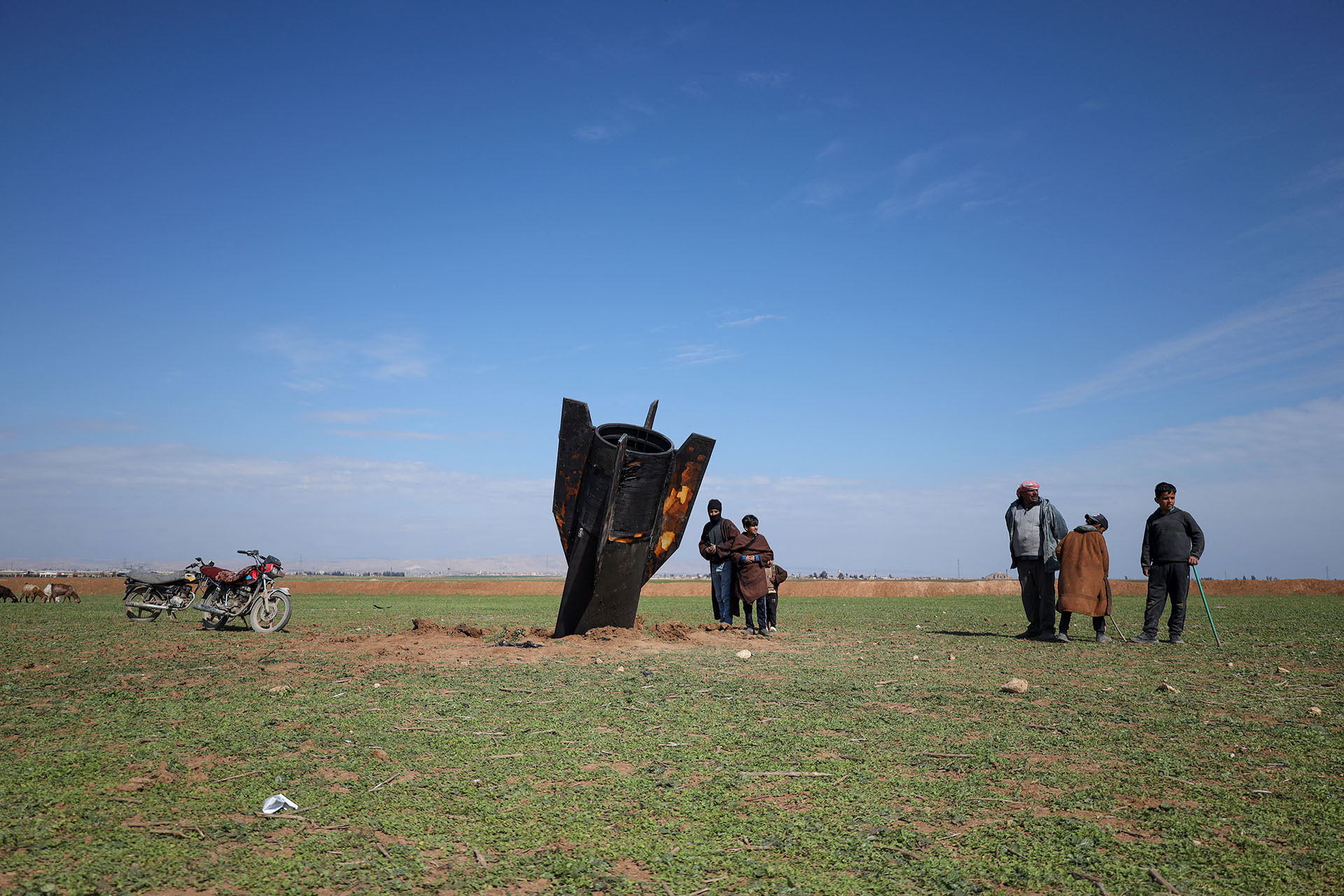
Israel’s gradual decapitation and degradation of Iran’s proxies invalidated one of the core assumptions underpinning Iran policy: These groups would be more responsive to the regime’s orders and threaten adversaries on its behalf if Iran faced a direct conflict. The proxies were meant to be the vehicle through which Tehran drove up the cost of war, with missiles targeting not only Israel but U.S. troops positioned throughout the region. This has not happened at the scale U.S. experts anticipated. Hamas, of course, has been severely degraded in Gaza. Iraqi militias tied to Iran have entered the fray, but less forcefully. And the Houthis have largely stayed outside the war, only firing their first shot a month into the conflict.
Lebanese Hezbollah, Iran’s most capable proxy and node to the rest of the network, has been essentially paralyzed. Due to domestic Lebanese considerations and the damage it has suffered from Israeli attacks, Hezbollah has become a shadow of its former self. The group has been targeting Israel since a few days into the Iran war, but on a smaller scale and with less intensity than many may have predicted prior to October 7, 2023. And Hezbollah’s involvement has further dragged the whole of Lebanon into the war, with devastating consequences for its people.
The second assumption proven wrong during the recent conflict is that Iran would be selective in its targeting of Gulf Arab countries when it responded to a direct attack on its soil. Under this assumption, the regime would target U.S. troops in countries aligned with the United States—Bahrain, Saudi Arabia, and the United Arab Emirates—but refrain from hitting those countries that it perceived to not be involved in the conflict (Oman in particular).
In reality, Tehran ended up launching missile or drone attacks on all six Gulf countries on the first day of the Iran war. The regime has also gone further, targeting Iraq and Jordan as well as dicier targets like Cyprus and Turkey (a NATO ally). And these strikes were not confined to U.S. facilities, they also hit critical infrastructure and civilian targets. As Trump correctly noted, no one expected the speed and intensity of these attacks. Tehran determined that the best way to raise the costs of the war was to target the alternative economic model in the Gulf to pressure Washington. It failed, but the regime has now crossed a red line that will be a factor long after the war ends.
What has changed?
Despite the administration’s apparent surprise, the events now unfolding in the Strait of Hormuz were expected. Planning for a contingency with Iran always included the scenario of the strait’s closure, which chokes off 20 percent of the world’s energy supply and creates a potential economic crisis to force the United States’ hand. This has happened, but not exactly as once thought.
We warned in 2020 that Tehran was preparing to minimize its reliance on the strait to ensure it could withstand a closure while inflicting maximum damage to U.S. and allied economies. Nevertheless, the prevailing view was that if Iran closed the strait, it would be doing so as a last resort. It would not immediately want to hurt its ability to ship oil and risk alienating close partners like China.
Instead, the less expected happened: Iran has closed the strait to its adversaries and those aligned with them, imposed tolls on some (in Chinese renminbi), and allowed passage for a select group. Its de facto toll system has the intended effect of cascading economic pain and driving up the price of oil to over $100 a barrel. Meanwhile, Iran’s oil and other cargo is allowed transit, giving Tehran unprecedented control over the escalation and new, significant leverage in any negotiation. This has led to the Trump administration’s imposition of a not-yet-clarified “blockade” to raise the cost of the regime’s resistance to its demands at the negotiating table and of its intransigence in the strait.
Another critical change is likely to be doctrinal. For four and a half decades, the Iranian regime’s modus operandihad been to push the envelope with adversaries while maintaining plausible deniability. This resulted in the regime developing capabilities aligned with this foundation of its doctrine, including the emphasis on the use of proxies and other hybrid capabilities. While the initial phase of Israel’s response following October 7 saw a continuation of that trend, this dynamic changed over 2024 when Iran began to overtly and directly target Israel. In the current war, the regime has increased the radius dramatically to target not only neighbors’ territories, but their critical and civilian infrastructure. This has reset the table. Iran will likely deprioritize deniability in the future, especially after the degradation of its proxies, and focus more on rebuilding its own defenses and asymmetric capabilities.
What did U.S. experts get right?
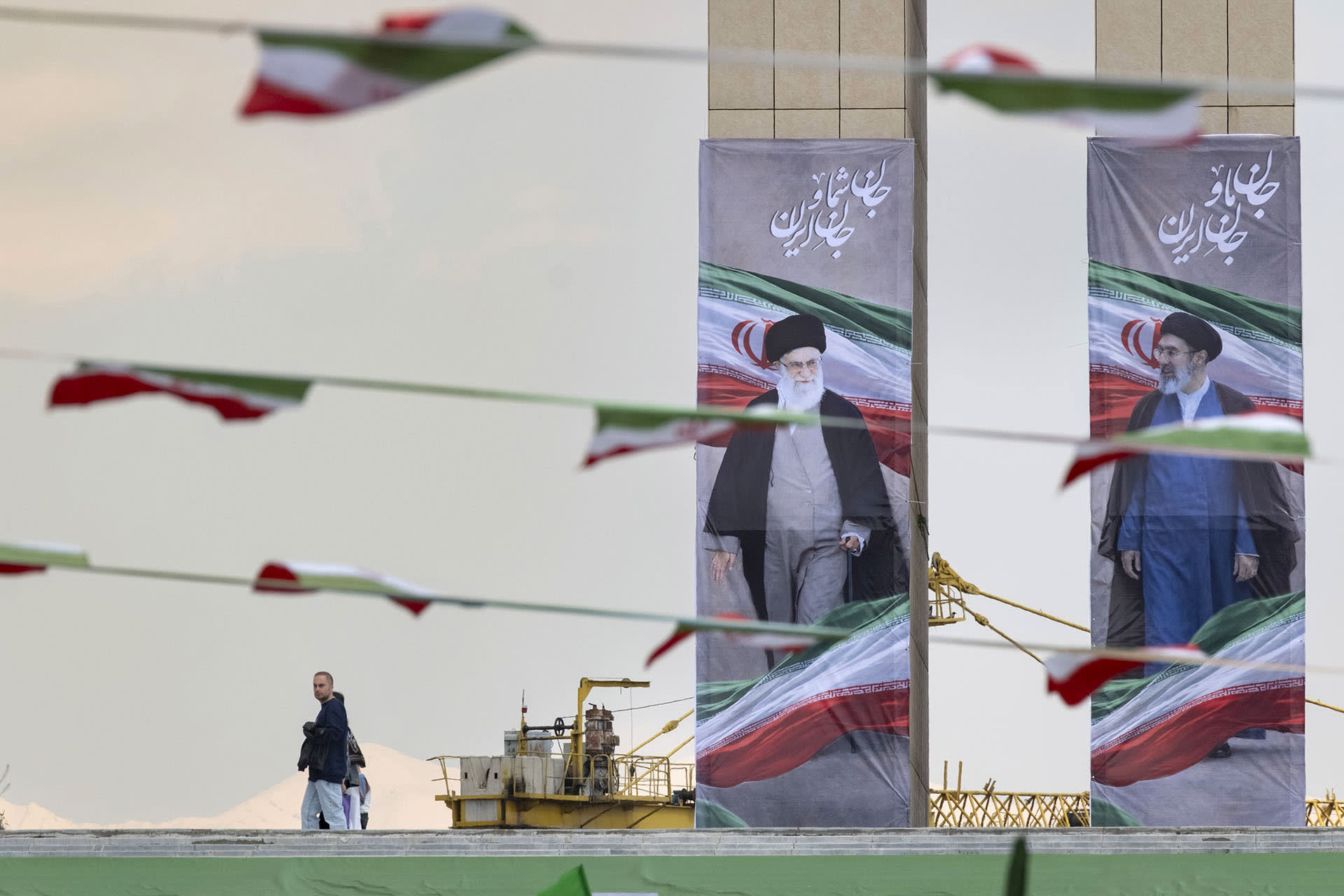
Crucially, the U.S. assumption that the Iranian regime would be resilient in the face of efforts to depose its senior leaders has been validated. Despite the shorthand of “the Ayatollah” as the center of gravity in the regime (in many ways, he was), the Islamic Republic has built a scaffolding of military, quasi-military, and civilian (both clerical and non-clerical) institutions designed to maintain its grip on power.
This is why decapitating Iran’s top figures has not precipitated an immediate collapse, nor has it degraded the regime’s core function of preserving its monopoly on the use of force within its territory—even if it has severely weakened it—as the administration appears to have assumed it would. In fact, the assumption that a potential outcome of a “regime change” effort would be the emergence of one more closely aligned with its more radical elements, including the Islamic Revolutionary Guard Corps (IRGC), appears accurate.
Going forward, new characters will assume different and more senior roles, while other individuals known to the United States for several decades will vanish from Iranian decision-making circles. Analysts will need to update certain assumptions about power politics in the Islamic Republic. This hard-line regime is likely to make decisions and implement them differently, and it will question the assumptions underlying its own past policies. However, our fundamental assumptions about the nature of the regime will likely remain true for some time even as it contends with a weakened position and outside pressures.
Our assumptions about Iran’s use of hybrid warfare and the specific tactics, techniques, and procedures it has developed over the course of several decades remain valid, as do our assumptions about its chosen targets. For example, the U.S. analytical community anticipated that a campaign of transnational terrorism would likely follow an intervention in Iran—this includes the targeting of Americans, U.S. interests abroad, and Jewish community centers in the United States. However, it is an open question as to the extent to which the regime has preserved its other assets—like cyber capabilities or terrorist cells abroad—for further escalation or as a basis for its rebuild once this phase of the war is over.
Finally, the expert community has been divided on the extent of the Iran-China-Russia relationship and whether China’s and Russia’s respective relationships with Iran constitute an alliance or a mere marriage of convenience. Whether Beijing’s and Moscow’s posture during this conflict is consistent with previous trends or a departure from them is therefore dependent on one’s view of these dynamics.
Both countries have benefited from how the dynamics have evolved over the last four weeks, Russia with sanction-free high-priced oil, and China learning all it can about U.S. capabilities in multi-domain warfare. China and Russia have historically common interests with Iran and provided it support, including intelligence and military aid. But neither country has placed the relationship with Iran ahead of its other priorities, including regional partnerships (with Israel and the Gulf States, for example) or broader dynamics with the United States. The more important question could be how Moscow and Beijing will approach the day after.
Time to reassess
The Trump administration may have taken for granted that the combined overwhelming force of U.S.-Israeli operations this spring would have a similar outcome as the Twelve-Day War in June 2025. Or perhaps the president assumed it would be met with the same muted response as that of the killing of IRGC General Qasem Soleimani during his first term. But this assumption ignored a deeper understanding of the regime’s doctrine, which has been dissected for decades by U.S. government and non-government analysts and scholars.
This regime was never likely to capitulate in response to such a direct attack. The Islamic Republic has been preoccupied with survival since it seized power in 1979. Iran doesn’t have to win this war militarily; it just needs to outlast U.S. resolve. And this conflict has now put the survival pillar of the regime’s ideology in a new context.
Just as the U.S. involvement in the 1953 coup that returned Shah Mohammad Reza Pahlavi to power (and perceptions thereof) has shaped U.S.-Iran relations for half a century, and the Iran-Iraq War in the 1980s has framed Iran’s approach to its security policies, the ongoing conflict today will lay the foundations of Iran’s future worldview. That worldview will not only change the threats to strategic U.S. interests, but it will affect the security and prosperity of partners in the region as well as allies globally. Analysts and policymakers would do well to reassess their assumptions as Washington—and the world—prepares for the day after the war.
This work represents the views and opinions solely of the authors. The Council on Foreign Relations is an independent, nonpartisan membership organization, think tank, and publisher, and takes no institutional positions on matters of policy.