Skip to content

Iran War: Analysis and Updates

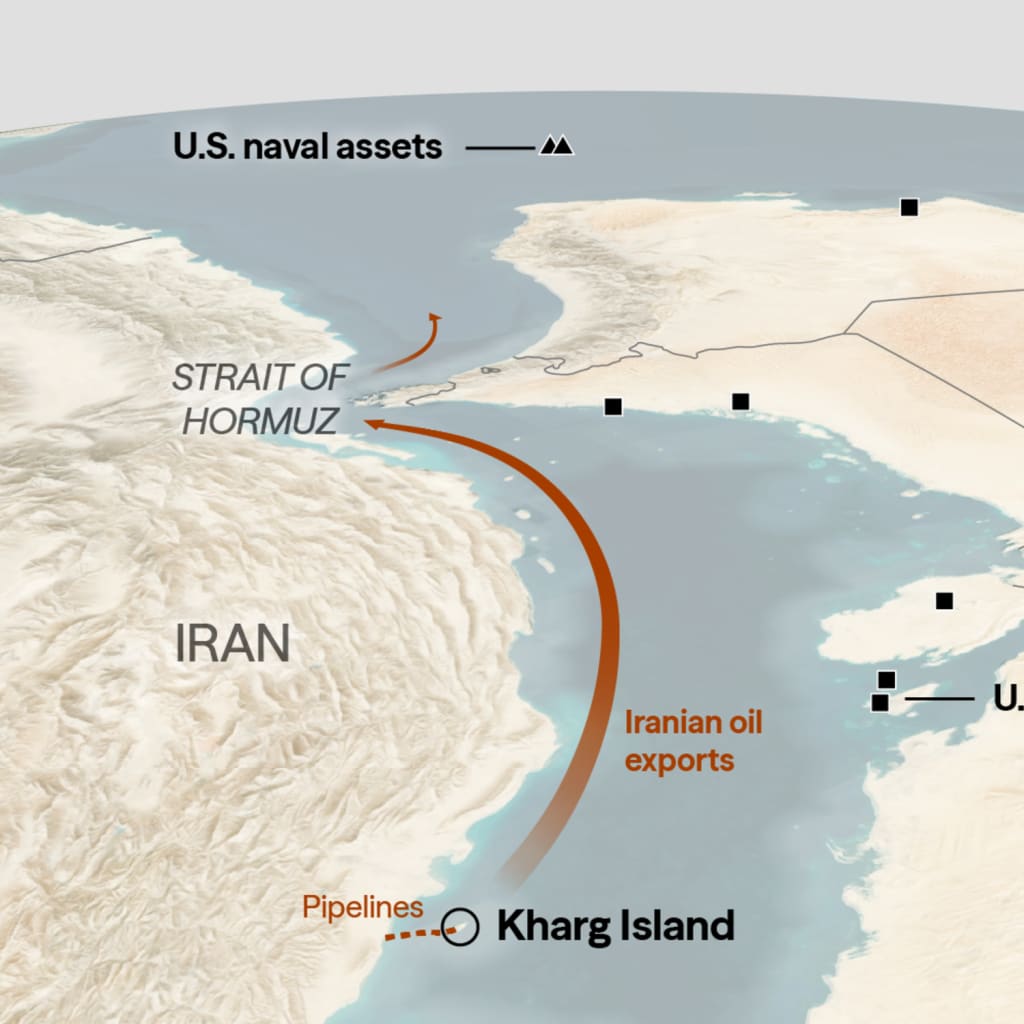
The U.S.-Israeli war in Iran is reshaping the Middle East and beyond. CFR is tracking the conflict with expert analysis, in-depth explainers, and timely briefings on the conflict’s military dimensions, regional fallout, and global implications.

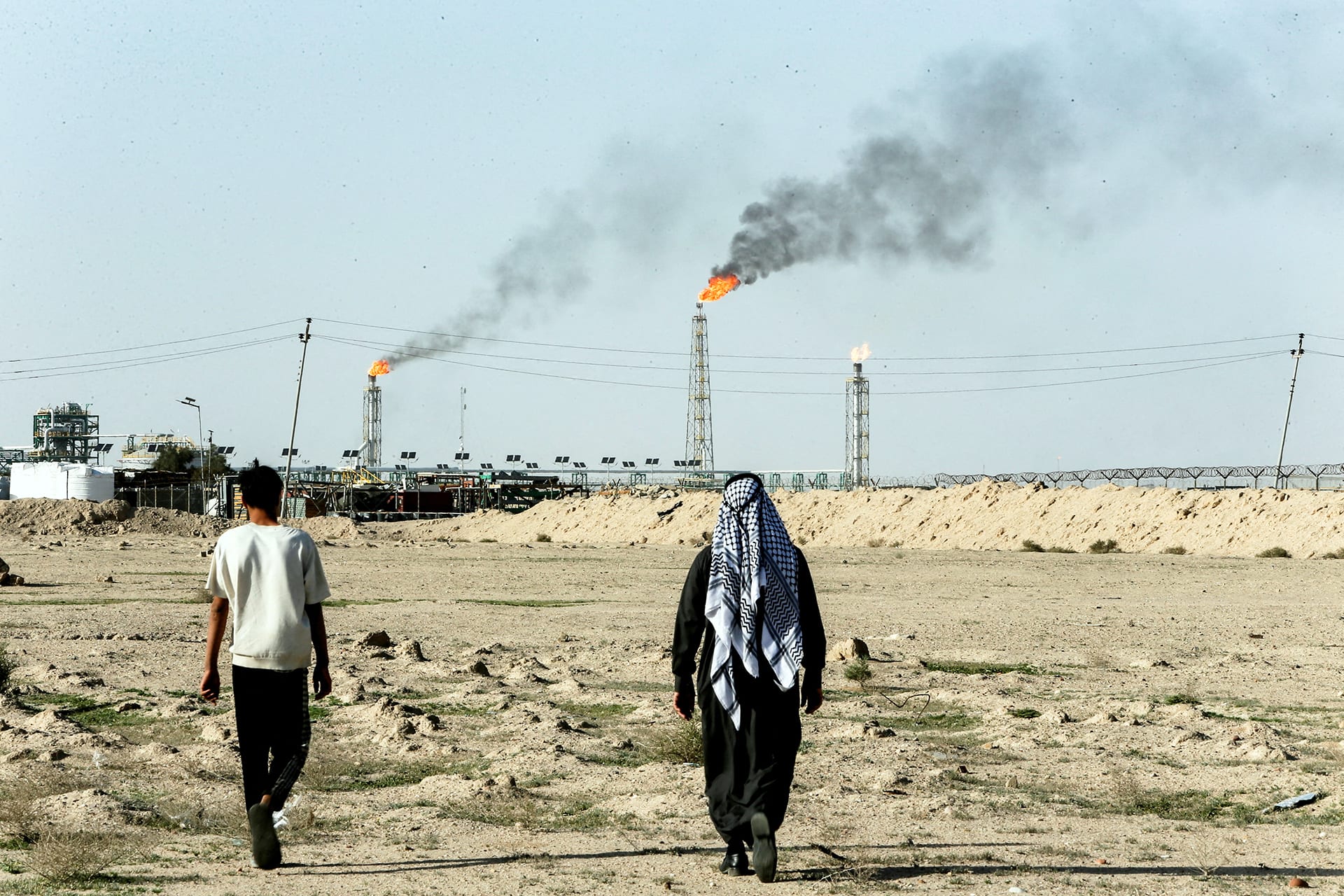
A worker operates valves at the Rumaila oil field, as the country cuts nearly 1.5 million barrels per day of output amid halted exports following the closure of the Strait of Hormuz, in Basra, Iraq, on March 4, 2026. 
A worker operates valves at the Rumaila oil field, as the country cuts nearly 1.5 million barrels per day of output amid halted exports following the closure of the Strait of Hormuz, in Basra, Iraq, on March 4, 2026. Essam Al-Sudani/Reuters
A worker operates valves at the Rumaila oil field, as the country cuts nearly 1.5 million barrels per day of output amid halted exports following the closure of the Strait of Hormuz, in Basra, Iraq, on March 4, 2026. 

Six CFR fellows assess the geoeconomic fallout of the war in Iran, and they analyze the challenges that the United States and the world will have to navigate as the conflict enters its third week.

In an aerial view, the Panamanian-flagged Tiger Wings, carrying crude oil from Russia, is moored off the Petron oil refinery on April 1, 2026 in Limay, Bataan province, Philippines.

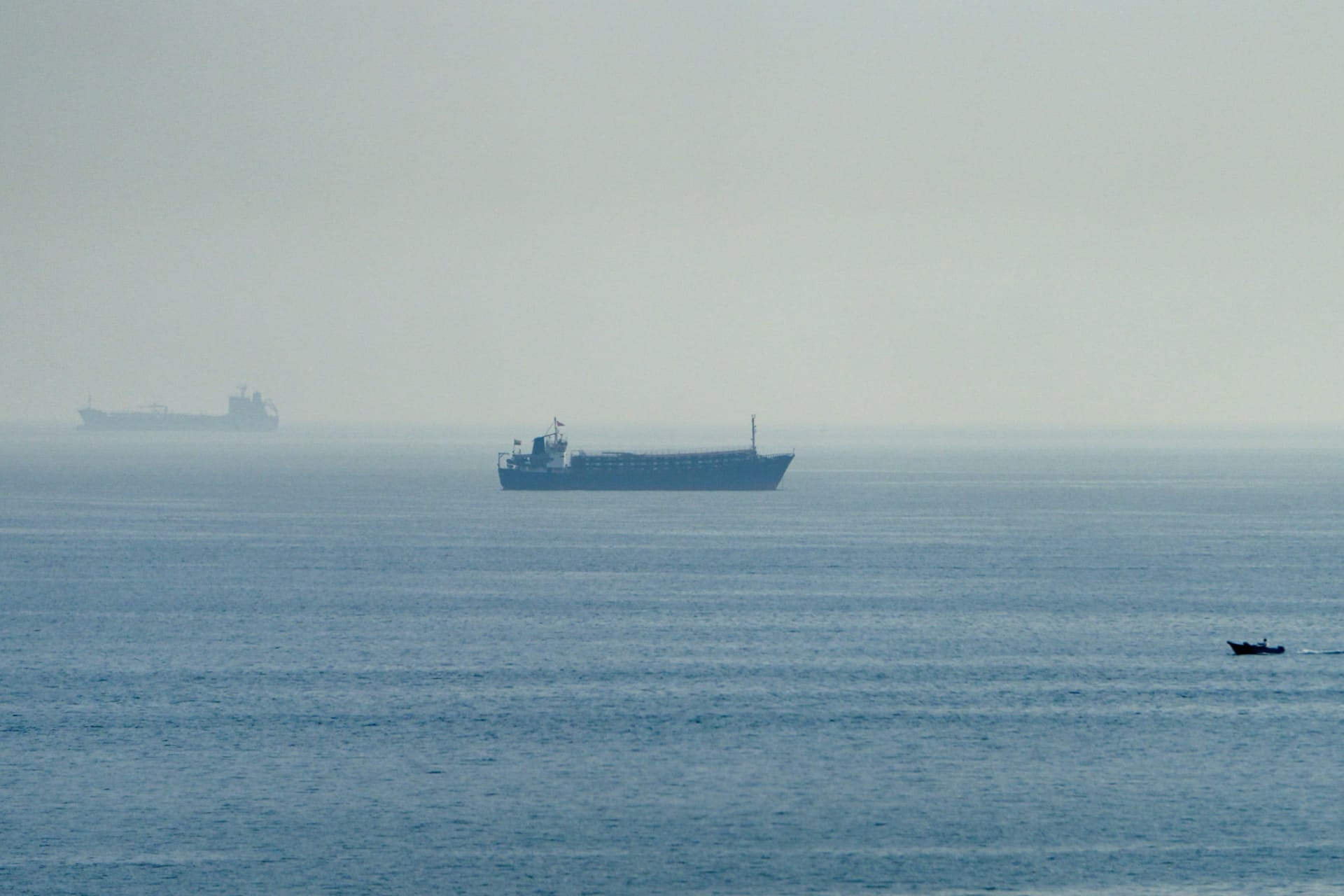
The war in Iran has shocked global energy markets by choking off oil shipments through the Strait of Hormuz. The White House responded by temporarily unwinding its oil sanctions on Iran and Russia, which benefited two U.S. adversaries without...

By Roxanna Vigil

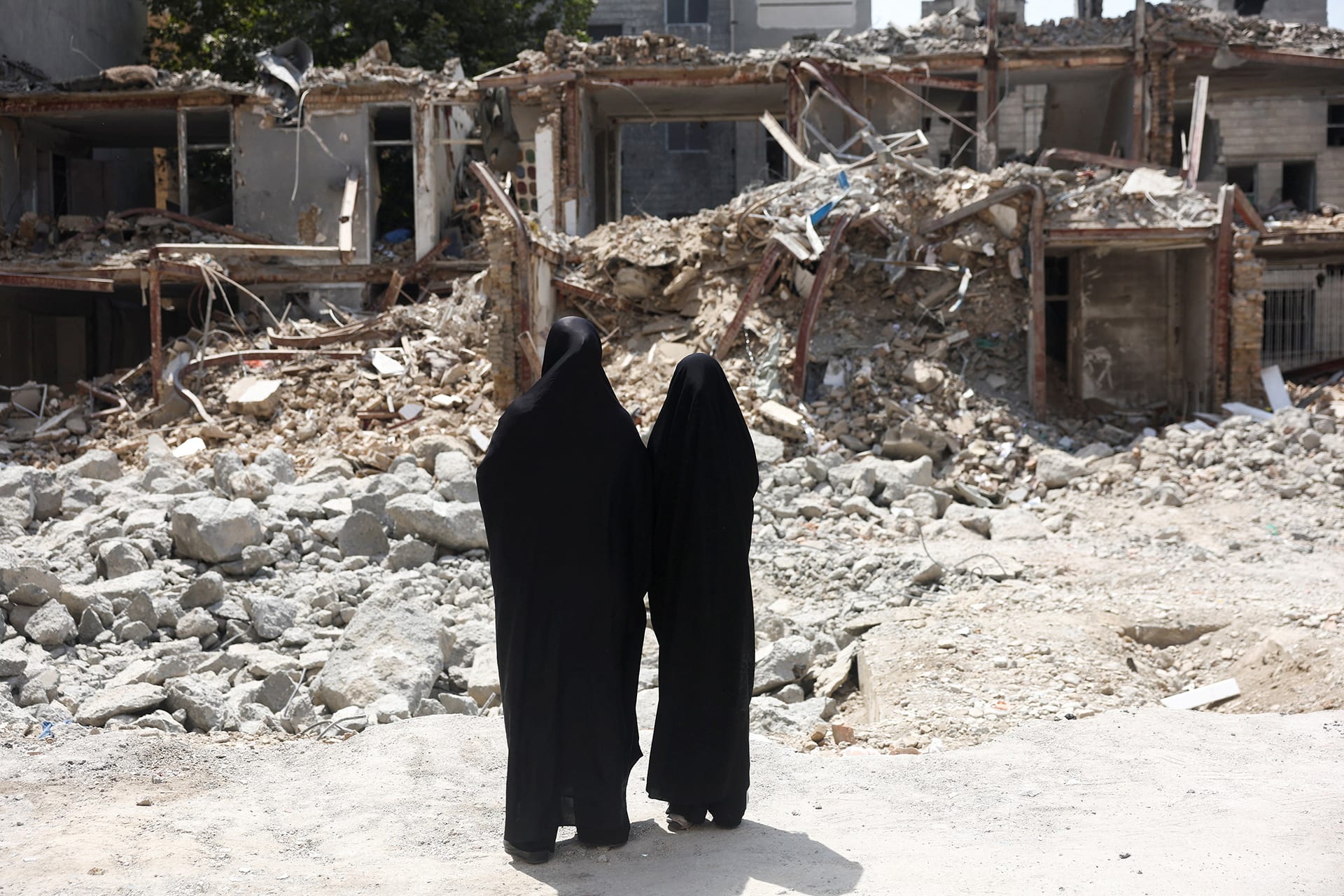
Palestinians sell bread on a street beneath a destroyed building in Gaza City's Zawiya market on February 18, 2026, on the first days of the holy fasting month of Ramadan.
Palestinians sell bread on a street beneath a destroyed building in Gaza City’s Zawiya market on February 18, 2026, on the first days of the holy fasting month of Ramadan. Omar Al-Qattaa/Getty Images
Palestinians sell bread on a street beneath a destroyed building in Gaza City's Zawiya market on February 18, 2026, on the first days of the holy fasting month of Ramadan.

While world energy markets are in upheaval over the halt in fossil fuel shipping through the Strait of Hormuz, there is also a brewing crisis over a sharp cutback in food supplies that normally transit the Gulf.

By Michael Werz

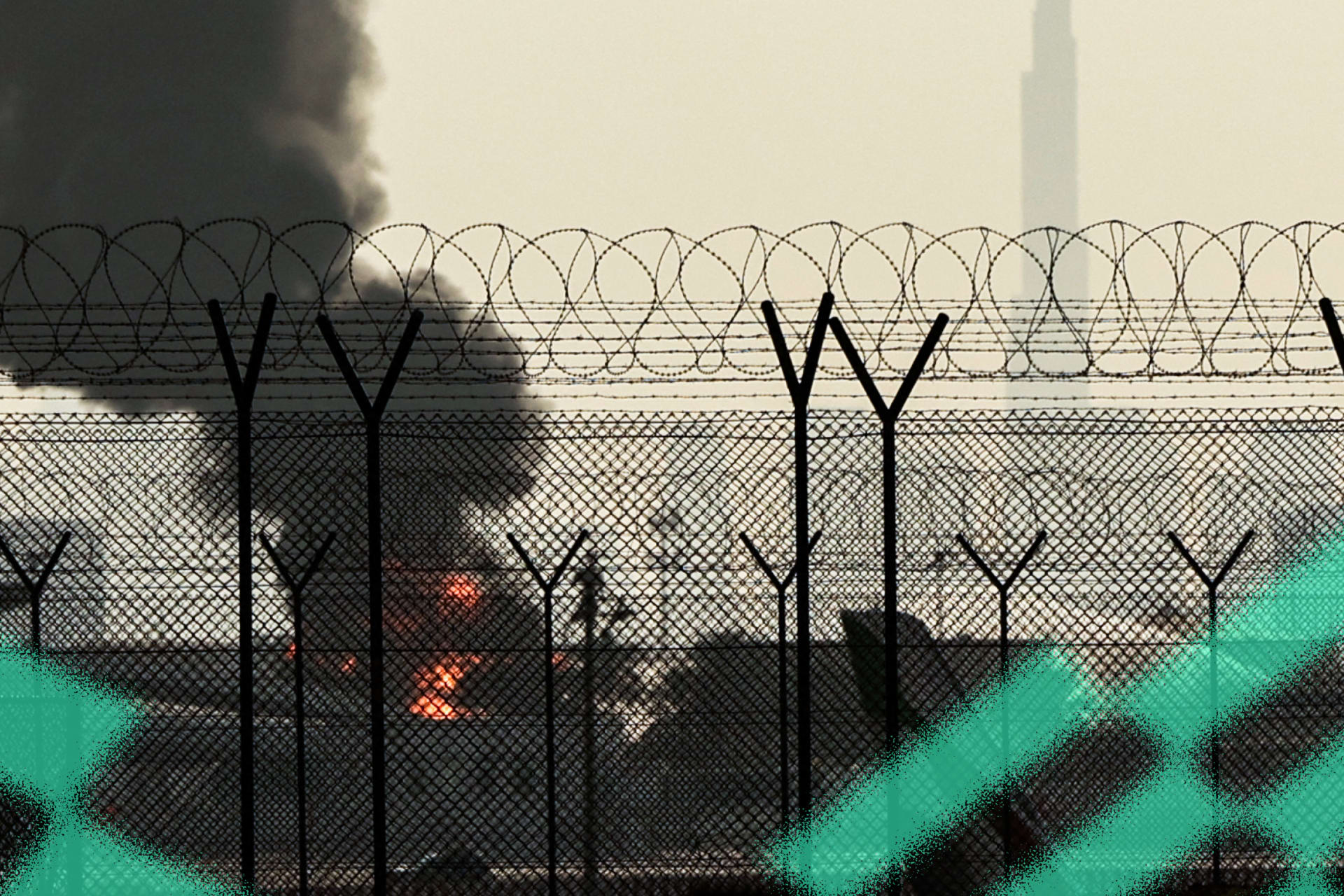
<p>A person rides on a scooter as smoke rises in the Fujairah oil industry zone following a fire caused by debris after interception of a drone by air defenses, in Fujairah, United Arab Emirates, March 3, 2026.</p>
A person rides on a scooter as smoke rises in the Fujairah oil industry zone following a fire caused by debris after interception of a drone by air defenses, in Fujairah, United Arab Emirates, March 3, 2026. Amr Alfiky/Reuters
<p>A person rides on a scooter as smoke rises in the Fujairah oil industry zone following a fire caused by debris after interception of a drone by air defenses, in Fujairah, United Arab Emirates, March 3, 2026.</p>

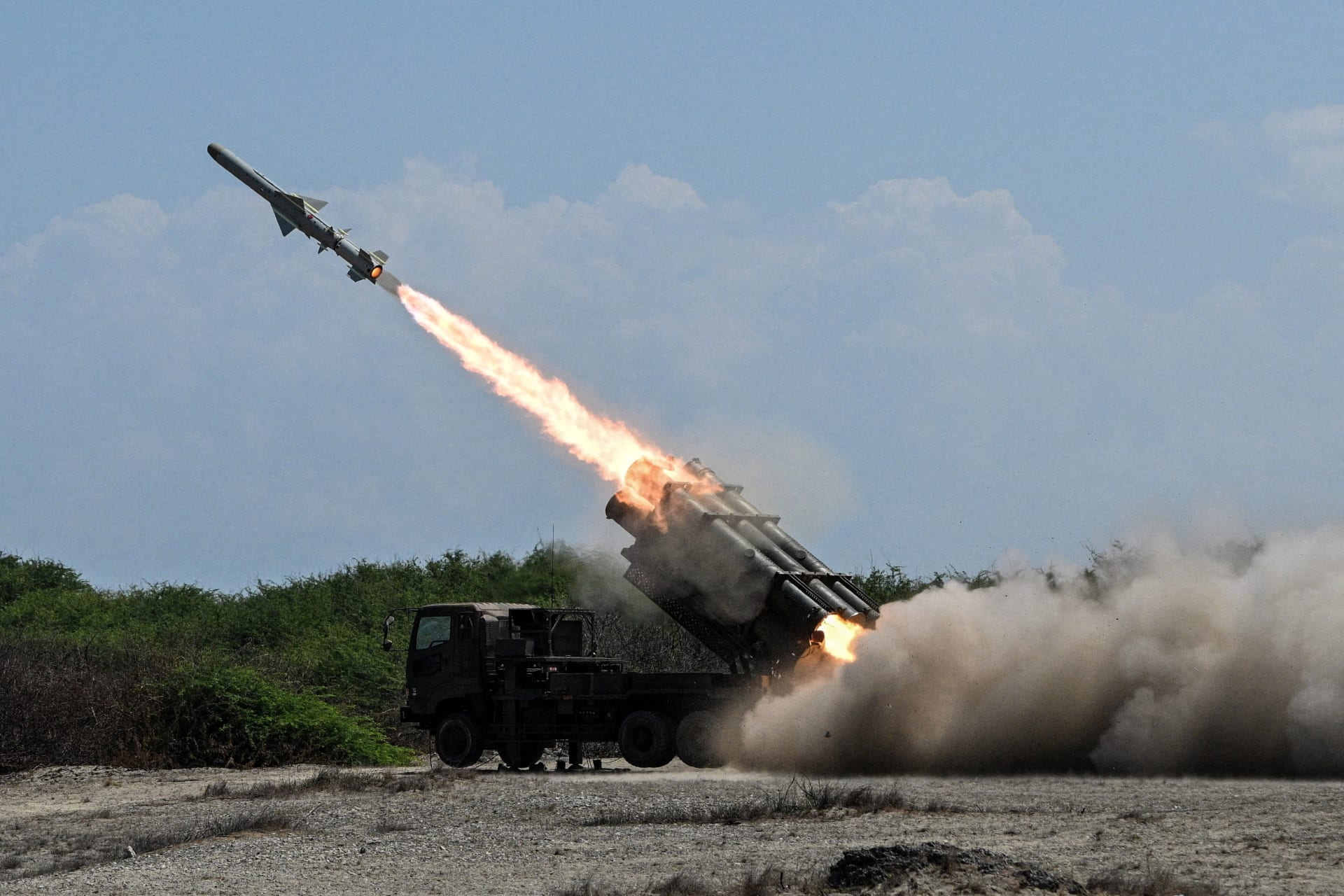
The intersection of technological change and unit economics first seen in Ukraine is now on display in Iran. This shows that precise mass—high-volume use of low-cost drones—will likely become a regular feature of warfare moving forward.

People sit with the reflection of the Doha skyline along the Doha Corniche, on the second day of Eid al-Fitr celebrations marking the end of the Muslim holy month of Ramadan, in Doha on March 21, 2026.
People sit with the reflection of the Doha skyline along the Doha Corniche, on the second day of Eid al-Fitr celebrations marking the end of the Muslim holy month of Ramadan, in Doha on March 21, 2026. Getty Images
People sit with the reflection of the Doha skyline along the Doha Corniche, on the second day of Eid al-Fitr celebrations marking the end of the Muslim holy month of Ramadan, in Doha on March 21, 2026.

Leaders in the region weren’t necessarily interested in a war with the Iran, but they now need Trump to oust the regime to ensure it can no longer pose a threat to their development model.

By Steven A. Cook

The Iran War’s Second Front in Lebanon

CFR Middle East experts Steven A. Cook and Elisa Ewers discuss the missed opportunities and possible outcomes of the Israel-Hezbollah conflict in Lebanon.

More CFR Video

Iran Experts at The Council

0070_Ray Takeyh Reshoot-005

Ray Takeyh

Hasib J. Sabbagh Senior Fellow for Middle East Studies

0022_Steven-Cook-037 copy

Steven A. Cook

Eni Enrico Mattei Senior Fellow for Middle East and Africa Studies

Archive

No content found.