International Women’s Day: Pushing for Parity in Power
International Women’s Day affords an opportunity to reflect on the victories and ongoing struggles faced by women around the world. This year, there is much to celebrate—particularly in the realm of politics.
By experts and staff
- Published
- Rachel B. VogelsteinDouglas Dillon Senior Fellow and Director of the Women and Foreign Policy Program
- Rebecca TurkingtonAssistant Director, Women and Foreign Policy
March 8 marks International Women’s Day. First observed by the Socialist Party of America in 1909 and enshrined as a global celebration by the United Nations in 1975, the holiday is marked worldwide with calls to promote women’s rights. From suffrage marches in the early 1900s to demonstrations for equal pay in the 1970s to the present, International Women’s Day affords an opportunity to reflect on the victories and ongoing struggles faced by women around the world.
This year, there is much to celebrate—particularly in the realm of politics. In major elections across the globe, women broke records, running—and winning—in unprecedented numbers. The United States saw its own “Year of the Woman” in 2018, which elevated women’s representation in Congress to close to 25% for the first time. The rise in female candidates in the U.S. has already carried over into the next election cycle, with a record six women vying for office in the 2020 presidential race—the first time in history more than two women have competed in a major party’s presidential primary.
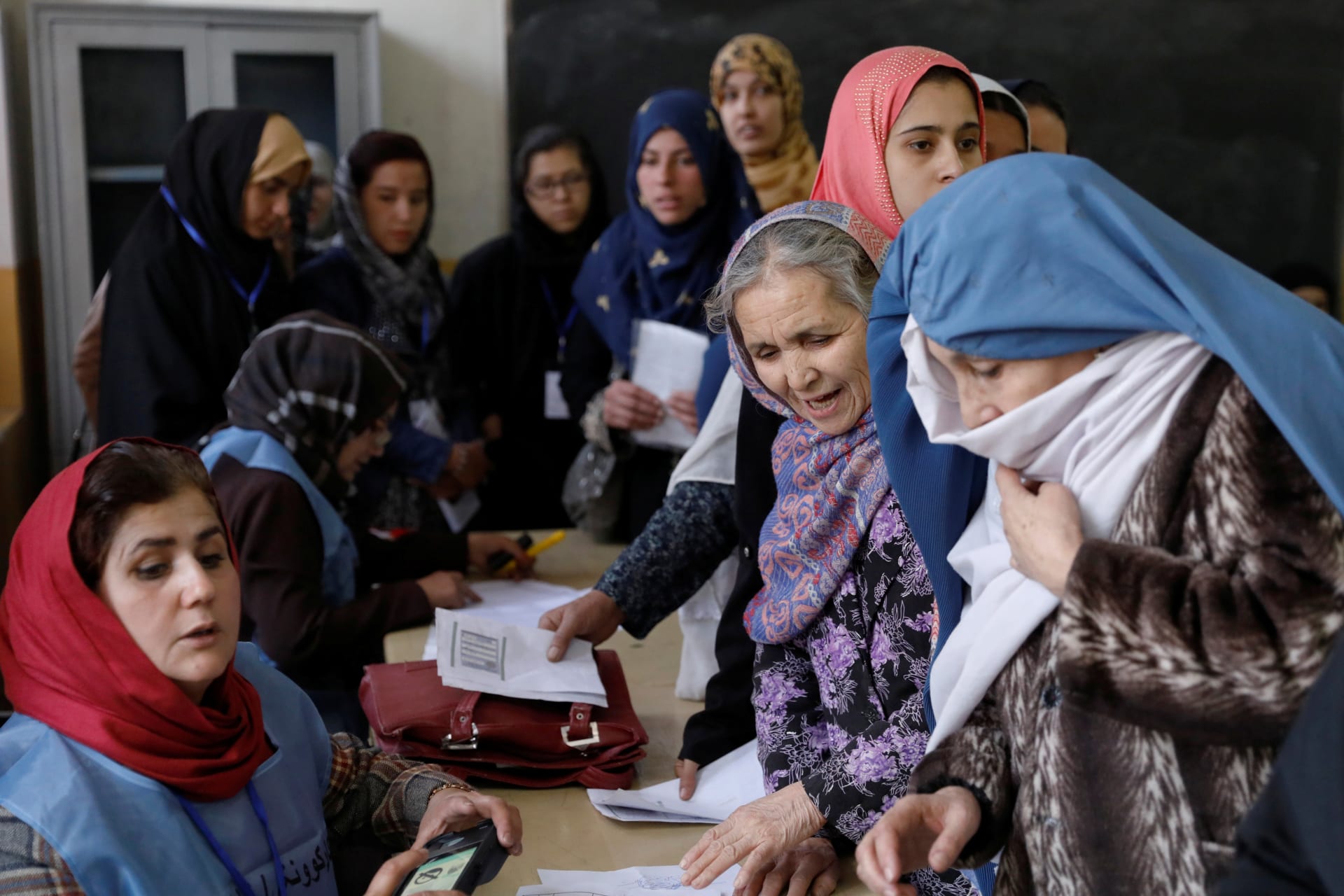
These gains at home reflect a worldwide wave of women running for office, often against formidable odds. In Afghanistan, an unprecedented number of women served as voters and candidates in their recent election, despite facing deadly attacks that put their security at risk. In Iraq last May, women braved abuse as they stood for election, often in the form of online harassment intended to drive them away from the competition; yet these women were undeterred, with a record 215 female candidates in Mosul alone, compared with only 19 who ran in 2014. In Lebanon, there was an eightfold increase in female parliamentary candidates, helping to shake up the status quo. An historic number of female candidates for both state and national legislatures in Brazil produced a 35 percent improvement in women’s representation in state legislatures. And in Sri Lanka, a new quota system ushered in a record 17,000 female candidates, with 2,000 women ultimately elected–a staggering 2,340 percent increase in women serving in local office.
Despite these gains, women globally still fill less than a quarter of parliamentary seats on average. And out of 193 nations the number of women serving as heads of state has increased from 12 in 1995 to only 20 today.
That said, the rise in female candidacies globally suggests that the face of power is changing, which is good news not only for women, but for democracies.
Throughout the year, scholars in the Women and Foreign Policy Program analyze women’s political achievements, as well as the barriers to equal and meaningful representation. Read more from our fellows and staff:
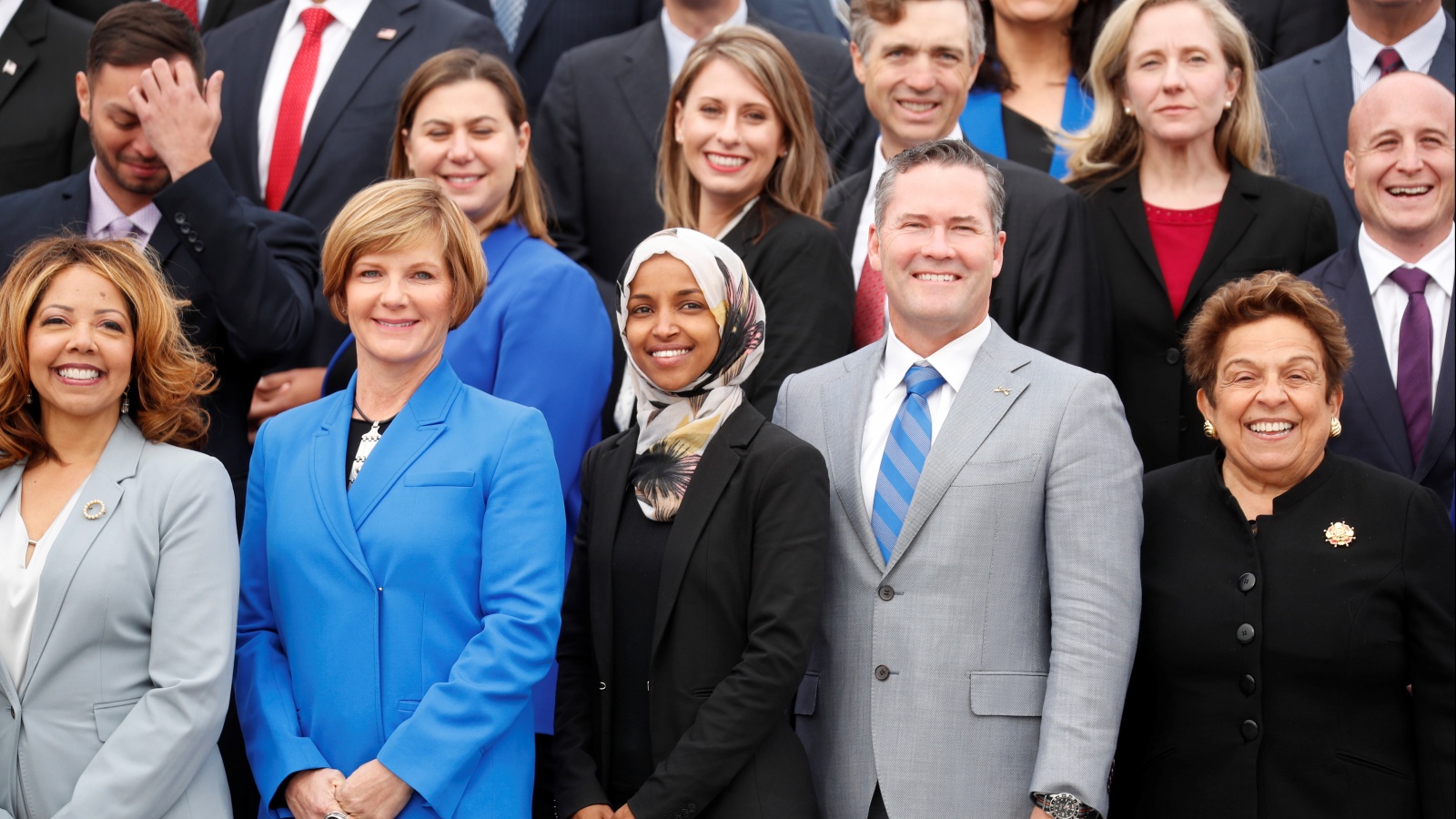
- “Increasing women’s political representation is not simply a matter of fairness,” write Rachel Vogelstein and Alexandra Bro in CNN, “it is also a strategic imperative.” Female legislators are more likely to advocate for policies that support equality, children, and social welfare. Higher levels of women’s representation are correlated with decreased likelihood of conflict and human rights abuses. And, research shows women are often more likely to work with opposing parties.
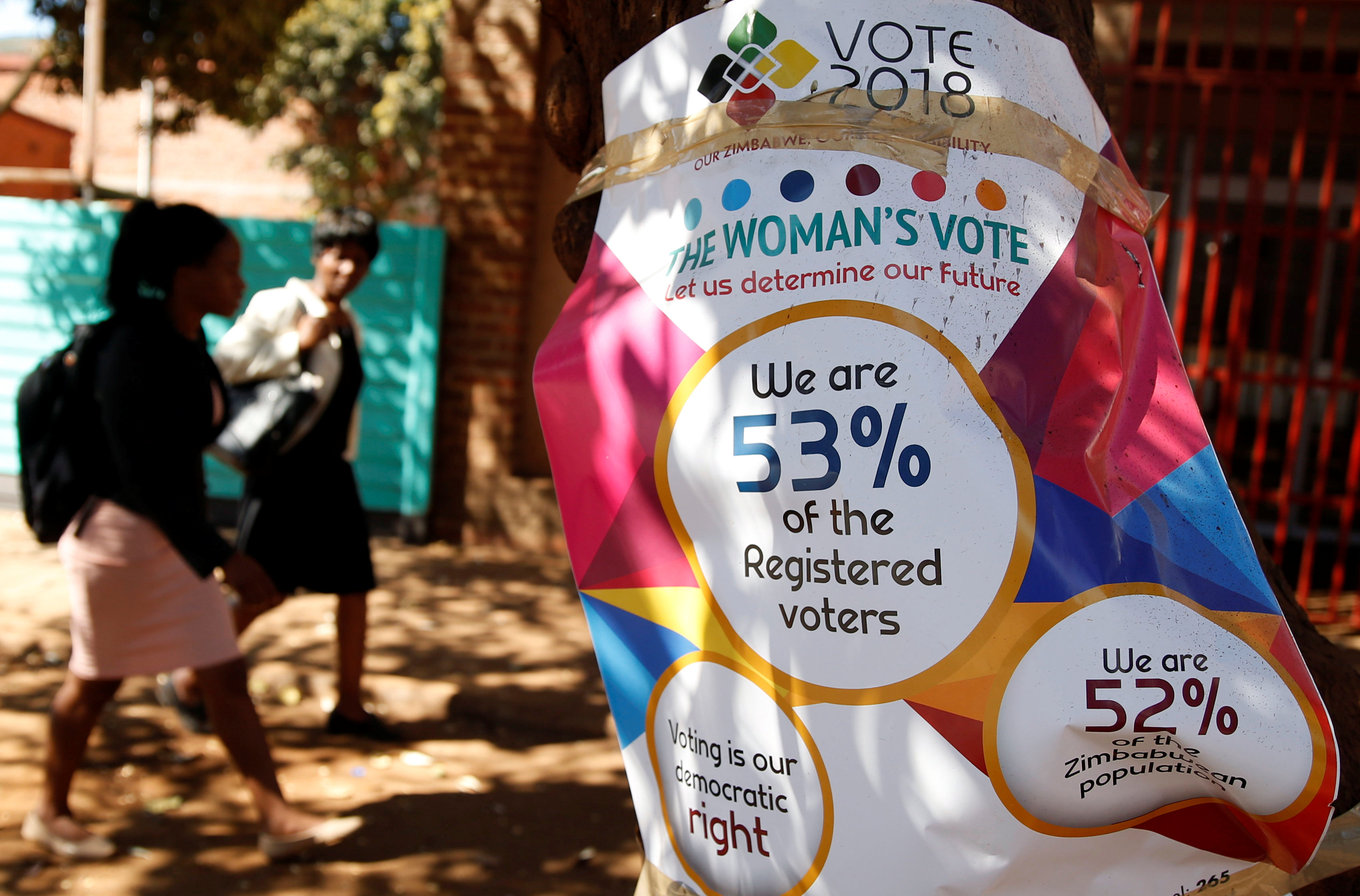
- Kelly Dittmar, a scholar at the Center for American Women and Politics and Sandra Pepera, Director of the Gender, Women, and Democracy Program at the National Democratic Institute joined CFR to discuss which mechanisms have helped—or hindered—women in rising to public office. Despite major gains at home and abroad, Dittmar noted that success has been uneven and cautioned against thinking our work is done. “It’s not just women’s capacity,” concluded Pepera, “it’s about [changing] institutions.”
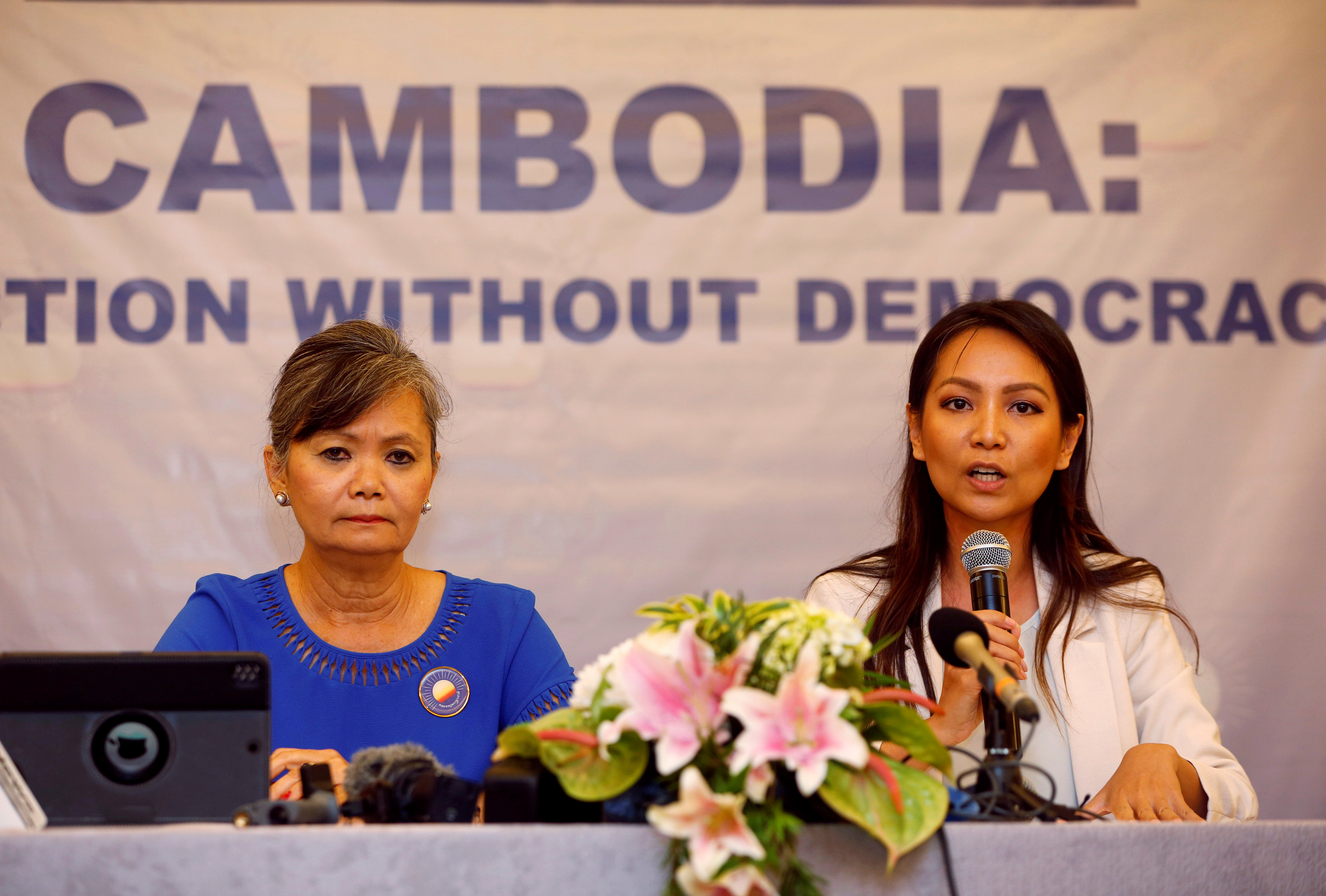
- One of the most prominent women in Cambodian politics, Mu Sochua, deputy leader of the Cambodia National Rescue Party, has championed democratic values and human rights for decades. Now, she hopes the next generation will follow in her footsteps. “The women of Cambodia . . . are always, always, on the front line at every single protest,” said Sochua as a CFR roundtable this fall. She advises young women to “take [their] place. Get into politics.”
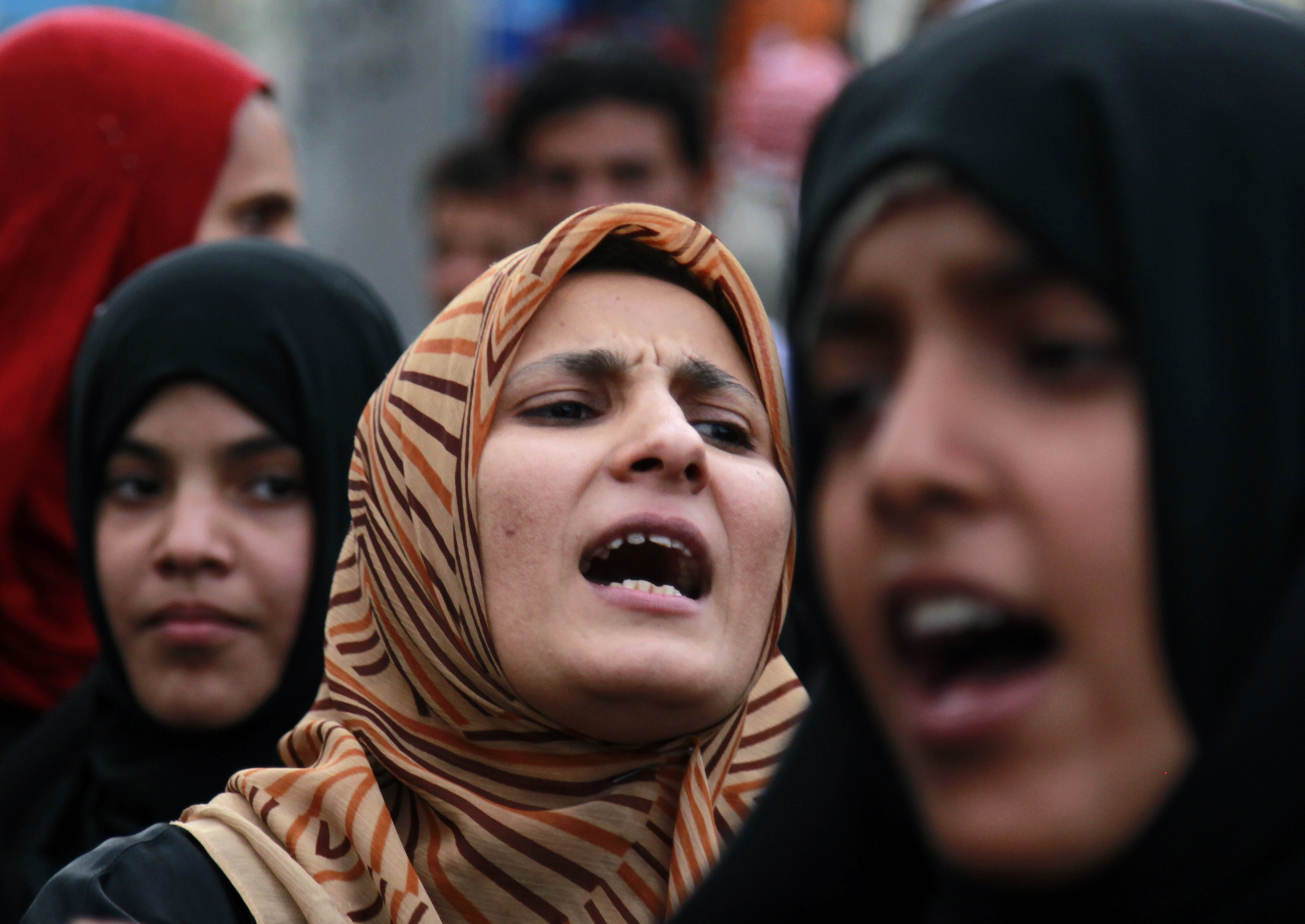
- In the wake of the Arab Spring uprisings, Yemeni women comprised a third of delegates the country’s National Dialogue Conference, and were at the center of peaceful protests to overthrow President Saleh. But four years into a devastating war, they remain all but excluded from the negotiation table in ongoing peace talks. “Despite these difficult odds,” write Rachel Vogelstein and Jamille Bigio in Reuters, “Yemeni women have overcome their political marginalization to contribute to peace efforts on the ground,” eve as their voices are missing from the formal process.
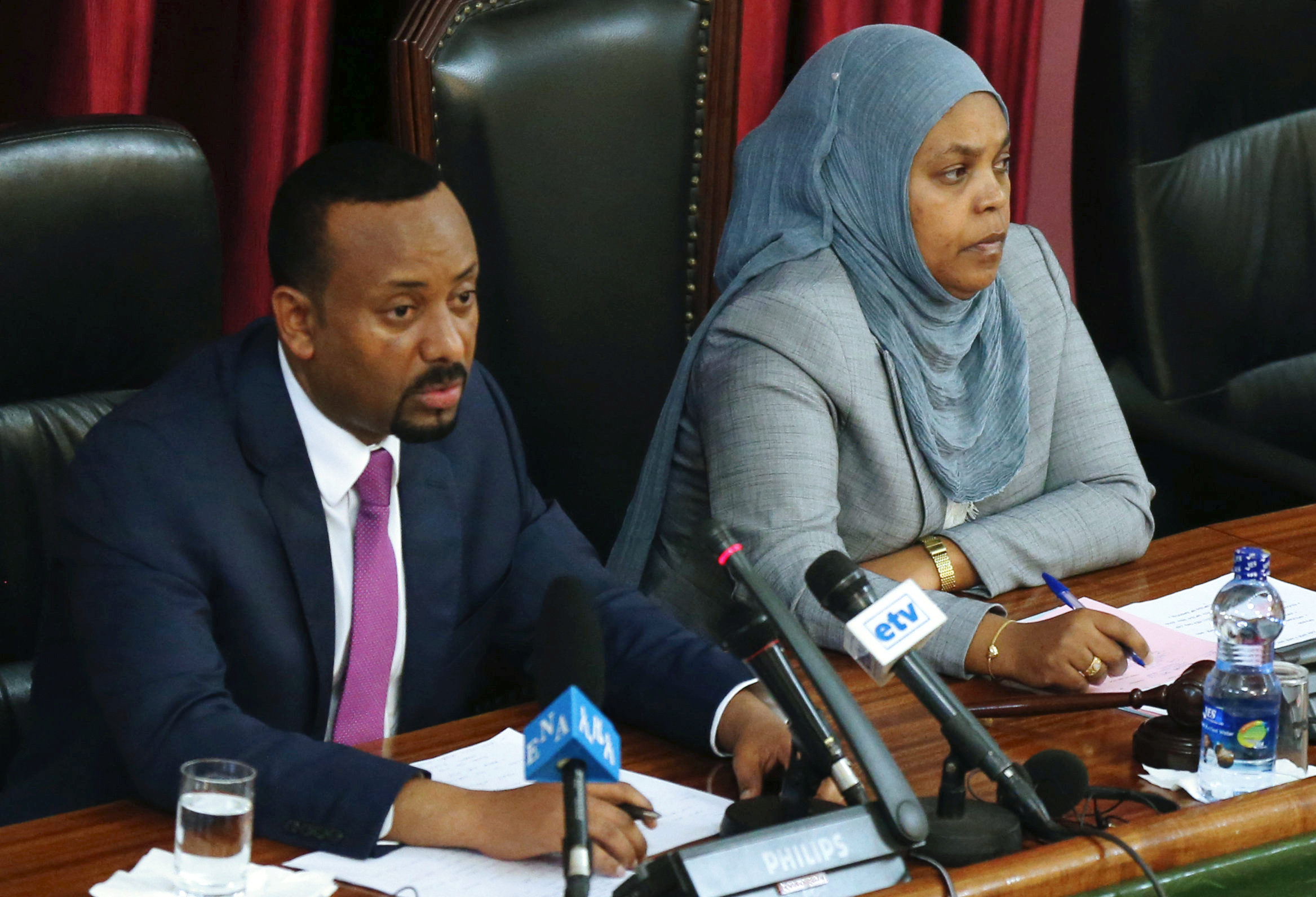
- After fall cabinet reshuffles, both Ethiopia and neighboring Rwanda announced a gender-balanced cabinet, joining only a handful of countries that have done so to date. Women in both nations filled important posts: in Ethiopia, the minsters of defense and peace are female, as are Rwanda’s ministers of trade and economic planning. The growing visibility of women in African politics is “a necessary—if not sufficient—element to achieving long-lasting equality and stability.”