Operation Iraqi Freedom
The 2003 U.S.-led invasion of Iraq failed to uncover clandestine weapons of mass destruction and produced a bloody occupation that exposed the limits of U.S. power.
By experts and staff
- Published
 James M. LindsayCFR ExpertMary and David Boies Distinguished Senior Fellow in U.S. Foreign Policy
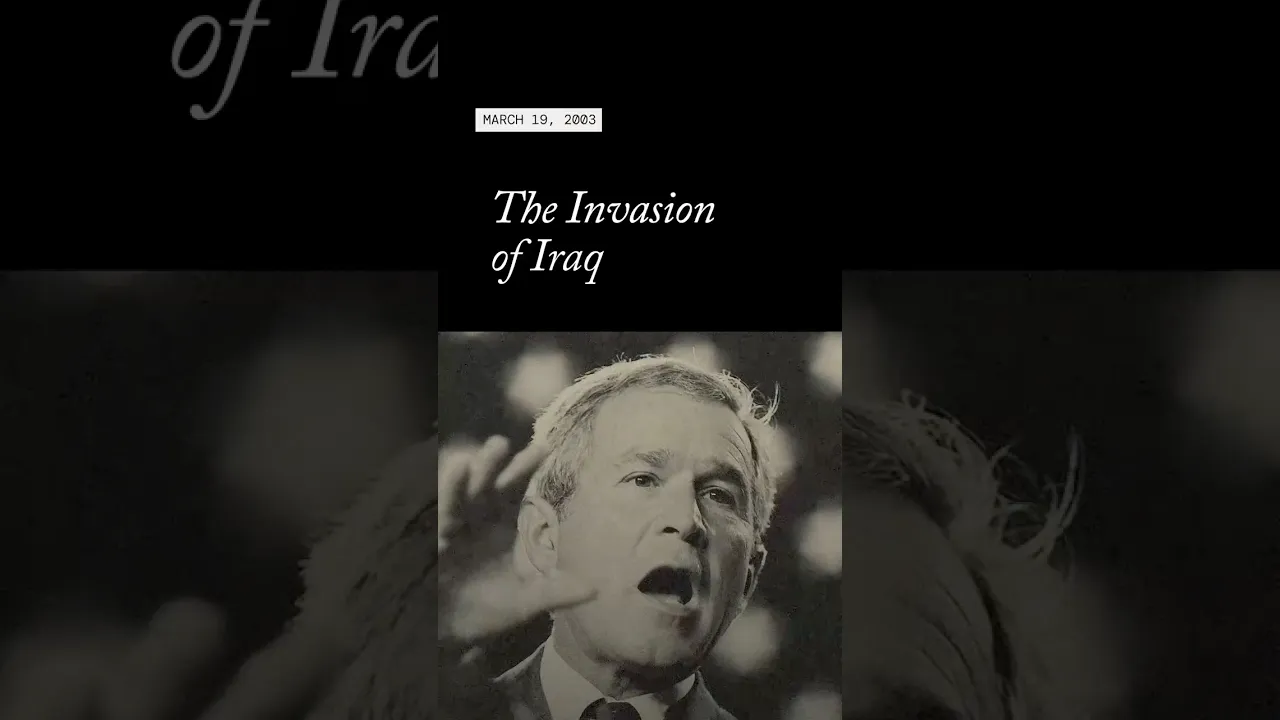
Twenty-three years ago tonight, President George W. Bush announced to the nation in a five-minute televised address that the United States had begun “military operations to disarm Iraq, to free its people, and to defend the world from grave danger.” The U.S.-led forces in Operation Iraqi Freedom quickly toppled the government of Saddam Hussein. On May 1, Bush stood on the flight deck of the USS Abraham Lincoln in front of a banner that read “Mission Accomplished” and declared the end of major combat operations.
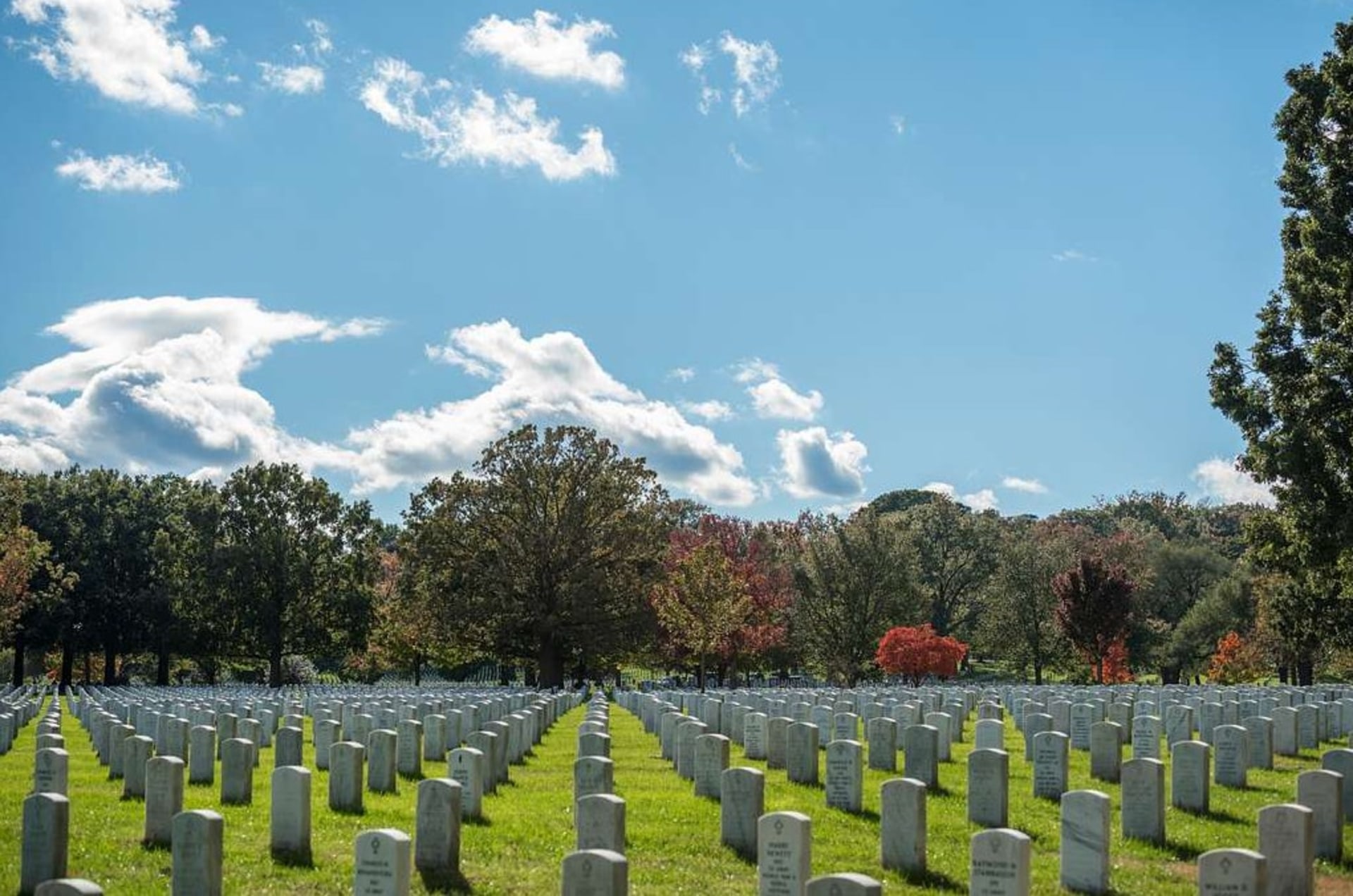
The United States quickly discovered, however, that military success did not equal political victory. Inspectors found no evidence of the weapons of mass destruction (WMD) that had been the reason for the war. Efforts to stop a brutal insurgency led to an eight-year-long occupation that left roughly 4,500 U.S. troops, more than 300 other coalition forces, and tens of thousands of Iraqis dead. The cost of the war and the occupation totaled $3 trillion. The public backlash against the war has reverberated through American politics ever since. A survey that CFR conducted with members of the Society for Historians of American Foreign Relations ranked the invasion of Iraq as the worst decision in the history of U.S. foreign policy.
[Video: https://www.youtube.com/shorts/_0OyuYLu_mw]
The March to War
The events leading to the decision to invade Iraq are well-known. The September 11 attacks stunned the United States and heightened fears of future attacks. Bush and some of his senior advisers suspected that Hussein had facilitated the attacks. The U.S. intelligence community found no evidence that Iraq had aided al Qaeda in any way. That did nothing to shake Bush’s conviction that Iraq posed a singular threat to the United States. In his January 29, 2002, State of the Union address, he argued that “Iraq continues to flaunt its hostility toward America and to support terror” and that it, along with Iran and North Korea, constituted “an axis of evil, arming to threaten the peace of the world.”
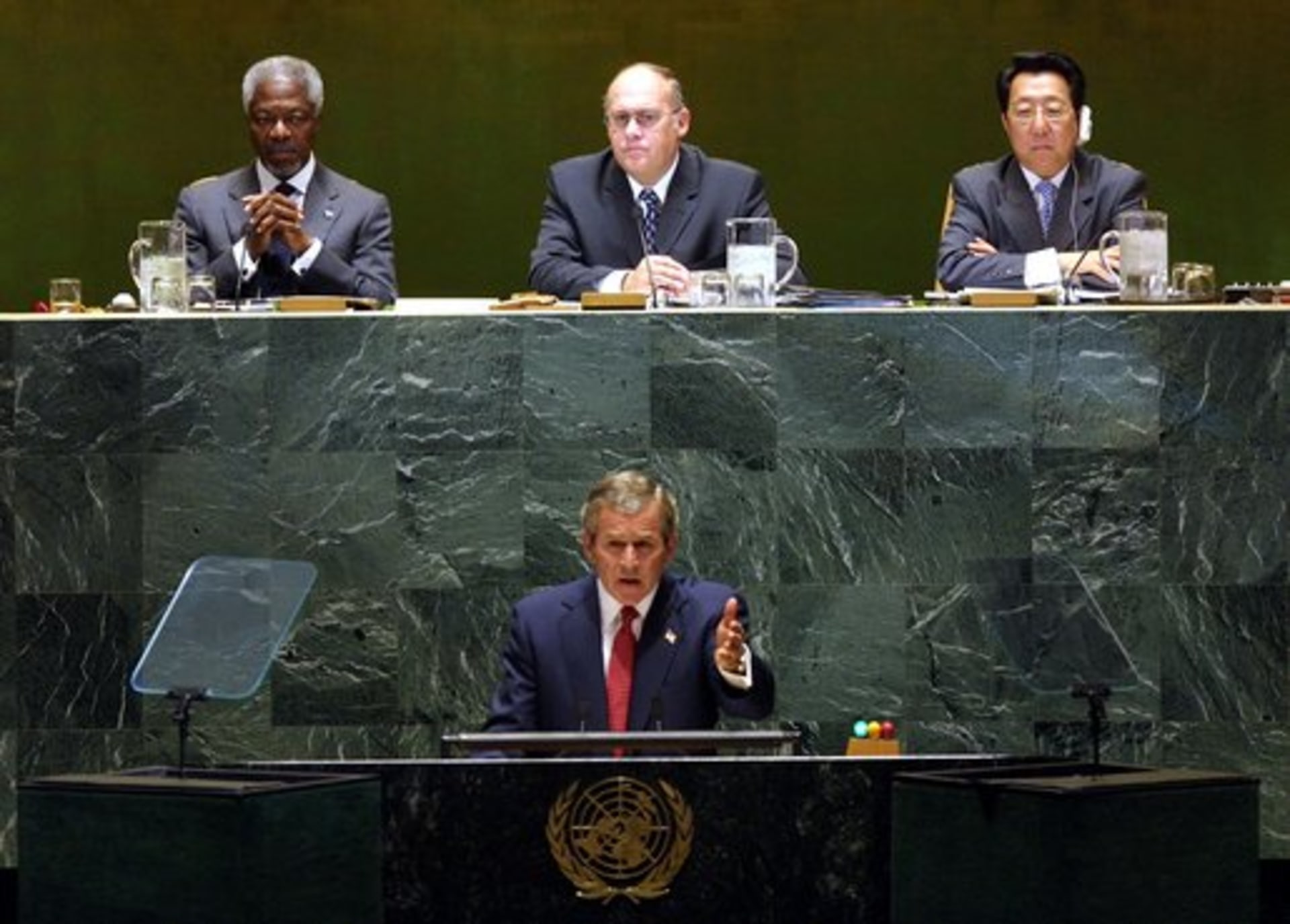
By spring 2002, Bush had decided to seek Hussein’s ouster. He and his advisors upped the pressure on the Iraqi dictator to accept intrusive weapons inspections. In a September 12 address to the UN General Assembly, Bush said that if the UN did not compel Iraq to accept intensified inspections, “action will be unavoidable.” Bush also pressed congressional Democrats and recalcitrant Republicans to back his hardline policy. In October, Congress voted by wide margins to authorize the use of force against Iraq. In a move that would have alarmed the generation that wrote and ratified the Constitution, the 2002 Authorization to Use Military Force made no effort to define what would justify military action. Instead, Congress left it solely to Bush to decide whether and when to go to war.
Bush did not have similar success in winning the support of the UN Security Council. Intensive lobbying of foreign capitals and a dramatic presentation by Secretary of State Colin Powell in February 2003 on Iraq’s clandestine WMD programs failed to win over skeptics. A resolution authorizing force went down to defeat, with even traditional allies like France and Germany refusing to support it.
A “Cakewalk”
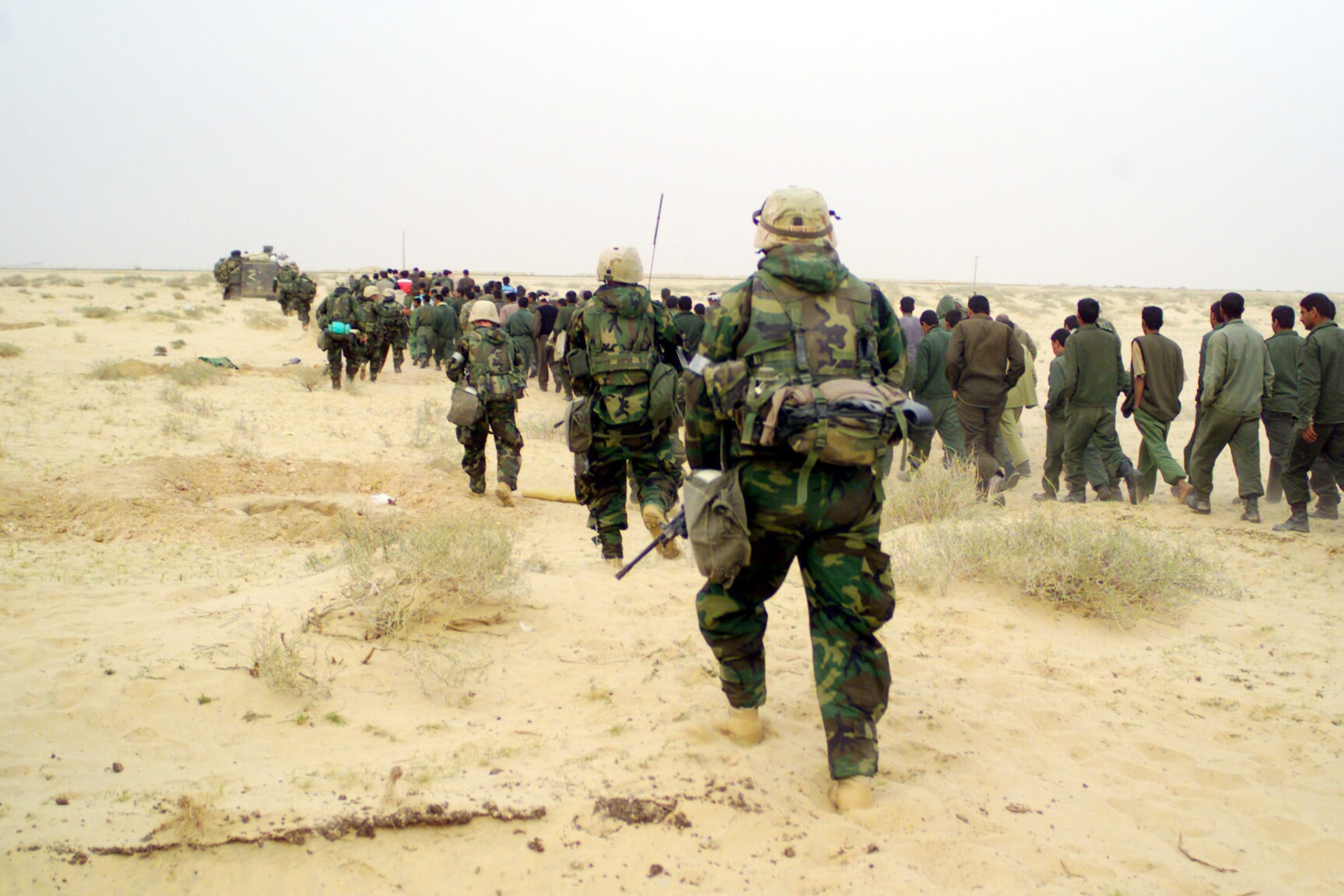
Blocked at the UN, Bush turned to a U.S.-led “coalition of the willing.” Three dozen countries supported Operation Iraqi Freedom, but just three countries besides the United States contributed combat troops: Australia, Britain, and Poland. The quick march to Baghdad and the resulting fall of Hussein’s government seemed to fulfill the predictions made by the war’s supporters that the fighting would be “a cakewalk.” Indeed, the coalition had lost surprisingly few troops in combat. Most notably, and contrary to pre-war fears, Iraq did not use chemical or biological weapons against advancing coalition troops.
It was only after major combat operations ended that the United States discovered why: Iraq had no WMDs to wield. A presidential commission concluded in 2005 that the Bush administration had been “dead wrong in almost all of its prewar judgments about Iraq’s weapons of mass destruction.” The United States’ twelve-year effort following the Gulf War to hem Hussein in had, in fact, worked. Washington just didn’t know it. Hussein had hidden the fact that he had disbanded his WMD programs because he feared the truth would embolden his enemies.
The Second War
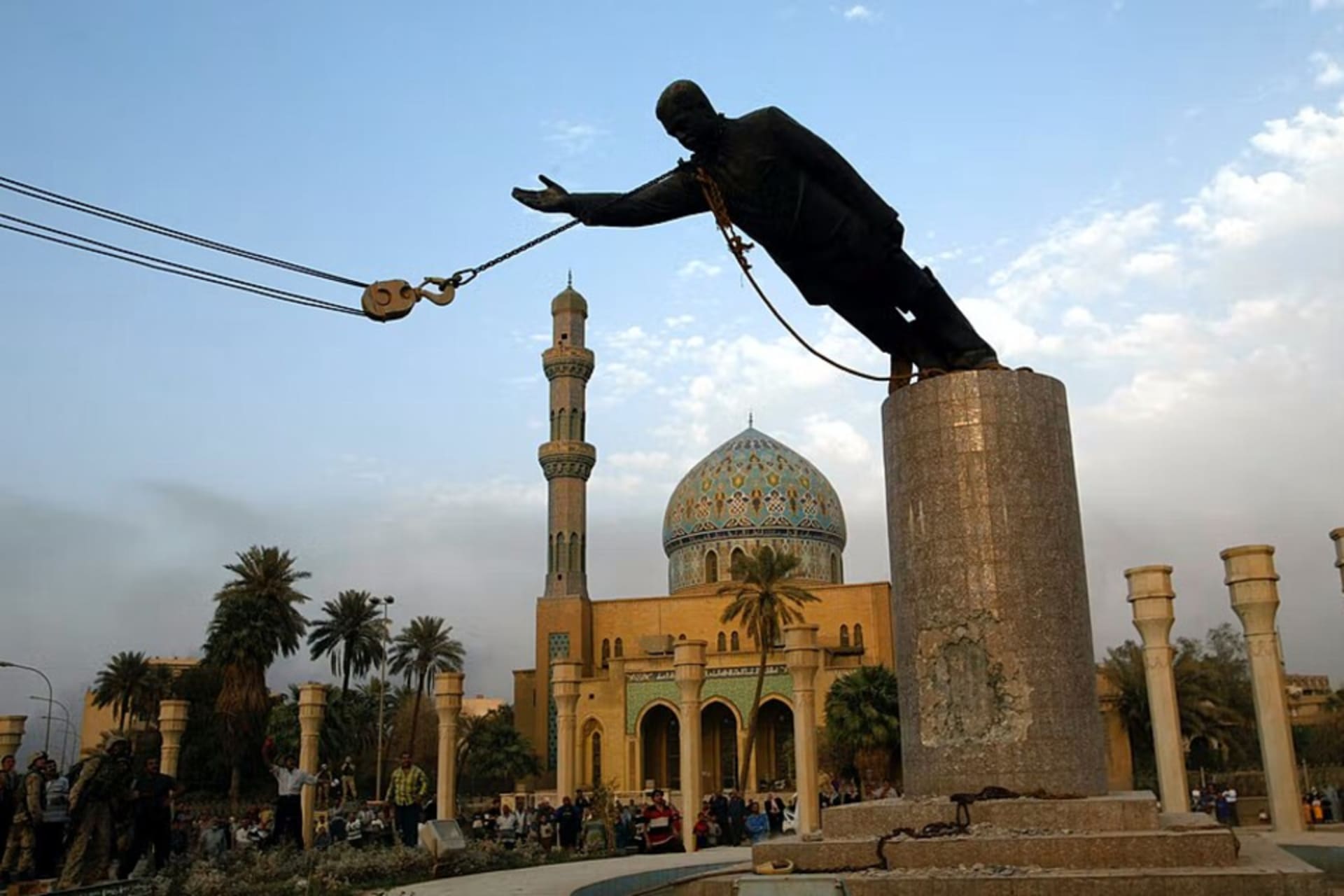
U.S. public support for the war soared in its early days, eventually surpassing 90 percent. But the euphoria from seeing Hussein’s statue toppled in Firdos Square evaporated as Iraq fell into disarray. The Bush administration had assumed that the United States would play only a small role in postwar Iraq. The expectation was, as National Security Advisor Condoleezza Rice put it:
We would defeat the army, but the institutions would hold, everything from ministries to police forces ….. You would be able to bring new leadership but that we were going to keep the body in place.
However, the Iraqi state did not hold together. It collapsed. Looting and sporadic violence quickly turned into a sustained and brutal insurgency. A prewar warning that Secretary of State Colin Powell gave Bush about the consequences of regime change suddenly seemed prophetic:
You will become the government until you get a new government. You are going to be the proud owner of 25 million people. You will own all their hopes, aspirations and problems. You’ll own it all.
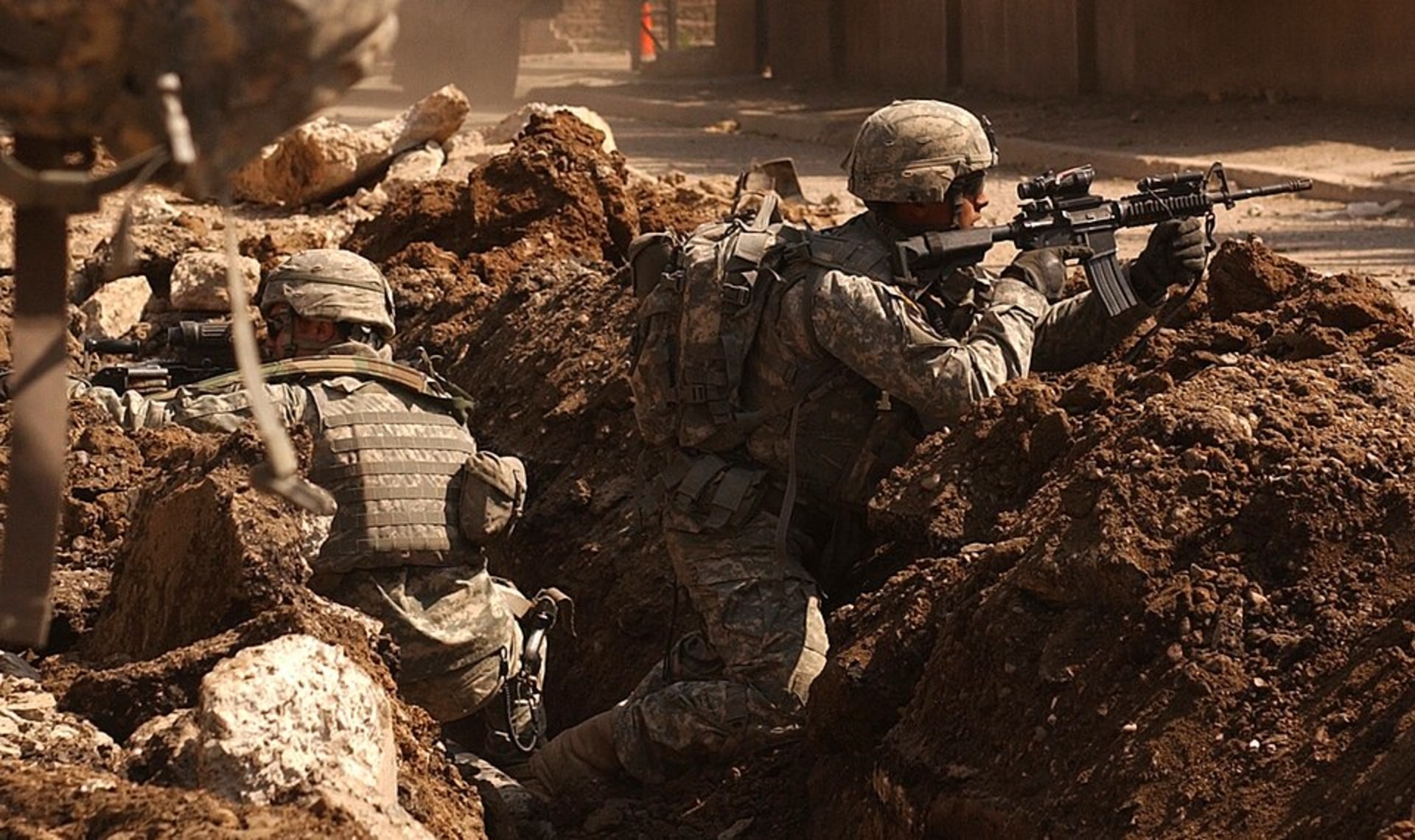
The United States did end up owning it all, and this second war would be the one that Washington lost. As the U.S. death toll mounted, public support for the war fell. By 2006, the percentage of Americans who thought the war was a mistake matched those who thought it was the right thing to do. The souring of public support doomed the continued U.S. occupation in Iraq. As in Vietnam, America’s military dominance had failed to translate into political success. In the end, what mattered was not who could inflict the most pain, but who could tolerate the most pain. That was not the United States.
The Whys and the What Ifs
One of the lingering questions of the Iraq War is why the United States fought in the first place. Was Operation Iraqi Freedom the result of a sincere but mistaken judgment that Iraq was pursuing WMDs? Was it an effort to reestablish U.S. deterrence or regain national pride after the September 11 attacks? Was it driven by Bush’s desire to do what his father had failed to do a dozen years earlier in the Gulf War? Did it reflect a naïve belief in the ability of U.S. military power to solve the political problems of the Middle East? Was it all about oil?
As with every major war, historians debate the origins of the Iraq War. Evidence exists for almost every plausible explanation. Even some members of the Bush administration say they cannot point to the precise reason for the war. They note that most senior officials agreed that Hussein had to go but offered different justifications for his ouster.
Just as pressing as the “whys” are the “what ifs”? Would the war in Iraq have evolved differently if the Bush administration had not disbanded the Iraqi military or planned from the start for a prolonged occupation? Could sending more U.S. troops earlier to occupy Iraq have prevented the insurgency from taking root? How might the political dynamics in the Persian Gulf have evolved if the United States had shelved its invasion plans after the UN Security Council refused to authorize the operation? Was the prewar U.S. policy toward Iraq sustainable, or would growing international opposition to the human cost of containing Iraq have created an opening for Hussein to revive his WMD programs? How might American domestic political life have evolved had the United States not invaded Iraq? These and other “what ifs” will keep historians busy for generations.
The Lingering Debate
While most Americans, like the historians that CFR surveyed, believe that Iraq was a mistake, many veterans of the Bush administration argue that, even in hindsight, Operation Iraqi Freedom was the right call to make.
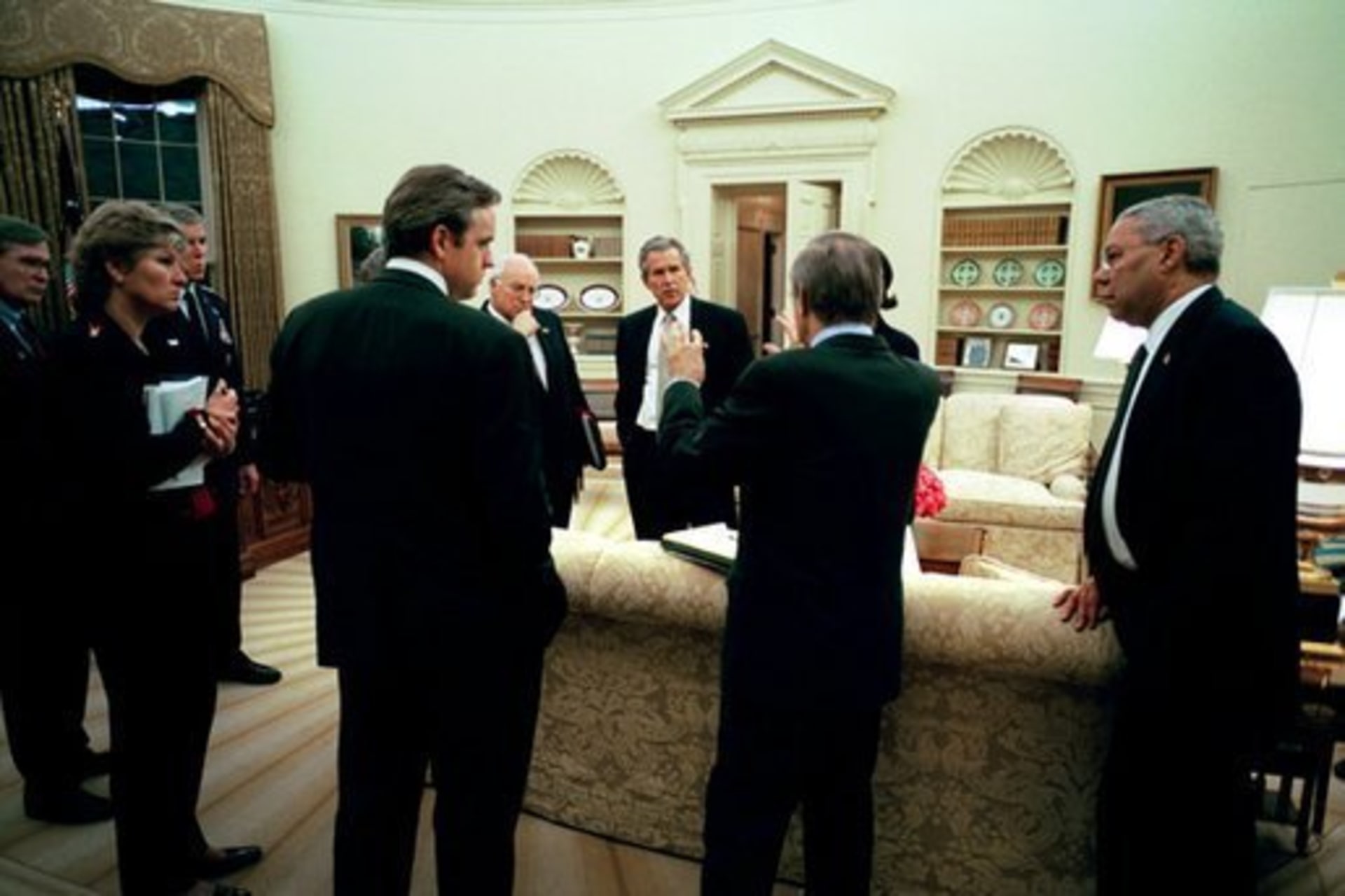
Bush himself has never publicly second-guessed his decision, though he has allowed that others will ultimately make their own judgment:
I think the removal of Saddam Hussein was the right decision for not only our own security but for giving people a chance to live in a free society. But history will ultimately decide that, and I won’t be around to see it.
During his lifetime, Vice President Dick Cheney never flinched in defending the decision to go to war:
We did change the regime in Iraq. We went in, we took down Saddam Hussein. I think the world is a better place without Saddam in it. I think the president had all the justification he needed. We looked at the intelligence in 47 different ways, and in the end, I’m convinced that we did the right thing that needed to be done.
Rice has highlighted the political change that Operation Iraqi Freedom brought about in Iraq:
It has a legislature that tries to function, has a prime minister who’s accountable. They’ve decided to get rid of a couple of them, but they stepped down. Arab strongmen don’t normally step down. They have a very free and functioning press. But it’s got a long way to go to be a consolidated democracy where the institutions fully function and can carry out what they are intended to do. But it’s not an authoritarian state any longer. And it’s not a totalitarian state in the way that it was under Saddam Hussein.
Stephen Hadley, who served as Rice’s deputy during Bush’s first term and national security advisor during his second term, has stressed that by 2003 the United States had few options besides war for dealing with Hussein:
If you look at it, in Iraq with Saddam Hussein, we spent twelve years trying to solve this problem through diplomacy, seventeen U.N. Security Council resolutions, two or three sanctions regimes, a couple inspection regimes, no-fly zones in the north and south, military action under the Clinton administration against Saddam Hussein, and we had a diplomatic effort to try to avoid the war if we could get Iran [sic]—Saddam to—to comply.
So I think it was not a war of choice, as some people say; it was a war of last resort. We ran out of options.
What to make of these arguments depends on whether one thinks the accomplishments were worth the costs needed to achieve them and whether better outcomes could have been achieved in other ways at a lower price. On that score, people will disagree. That is why, as some sage once noted, history is a never-ending debate.
Oscar Berry assisted in the preparation of this article.