Remembering the Washington Conference That Brought the World Standard Time
The 1884 International Meridian Conference gave the world standard time and constituted a seminal moment in the history of globalization.
By experts and staff
- Published
- Stewart M. PatrickJames H. Binger Senior Fellow in Global Governance and Director of the International Institutions and Global Governance Program
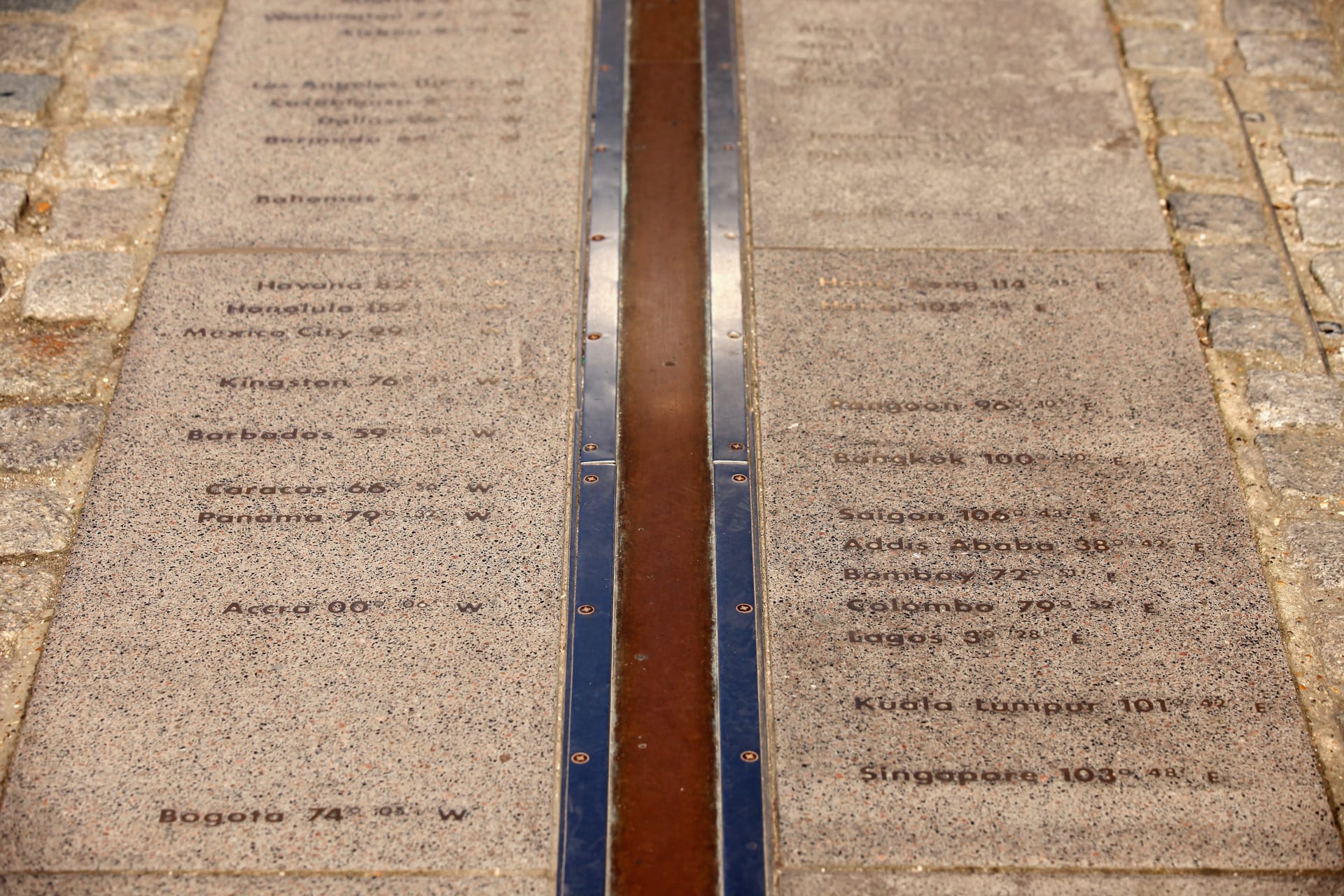
In my weekly column for World Politics Review, I reflect on the International Meridian Conference of 1884 that lent Greenwich, England, its temporal centrality.
It’s easy to take for granted, in this globalized era, that all peoples and nations use a common standard to tell the time. But it wasn’t always this way. Not until the late 19th century did the world finally synchronize its watches. This milestone in multilateral cooperation occurred at a pivotal if unsung gathering, the International Meridian Conference, which convened in Washington, D.C., in October 1884, 135 years ago this month.
President Chester A. Arthur had invited the world’s 26 “civilized”—that is, independent—nations to resolve a dilemma that increasingly bedeviled international commerce and communication: namely, the absence of any agreed reference point to tell the time. Over three contentious weeks, the conferees negotiated an international accord establishing global standard time, based on a single prime meridian. In doing so, they hastened global economic integration and transformed longstanding conceptions of time and space.
Read the full World Politics Review article here.