At Stake in Ukraine: The Future of World Order
By experts and staff
- Published
- Stewart M. PatrickJames H. Binger Senior Fellow in Global Governance and Director of the International Institutions and Global Governance Program
British Foreign Secretary William Hague has aptly labeled Ukraine the “biggest crisis in Europe in the twenty-first century.” Indeed, he could have gone further.
The Russian intervention will reverberate beyond the continent, since it challenges the very principles of a stable world order. How this crisis plays out may determine whether the twenty-first century remains a time of great power comity, where patterns of cooperation dominate, or deteriorates into a bare-knuckled era of geopolitical competition.
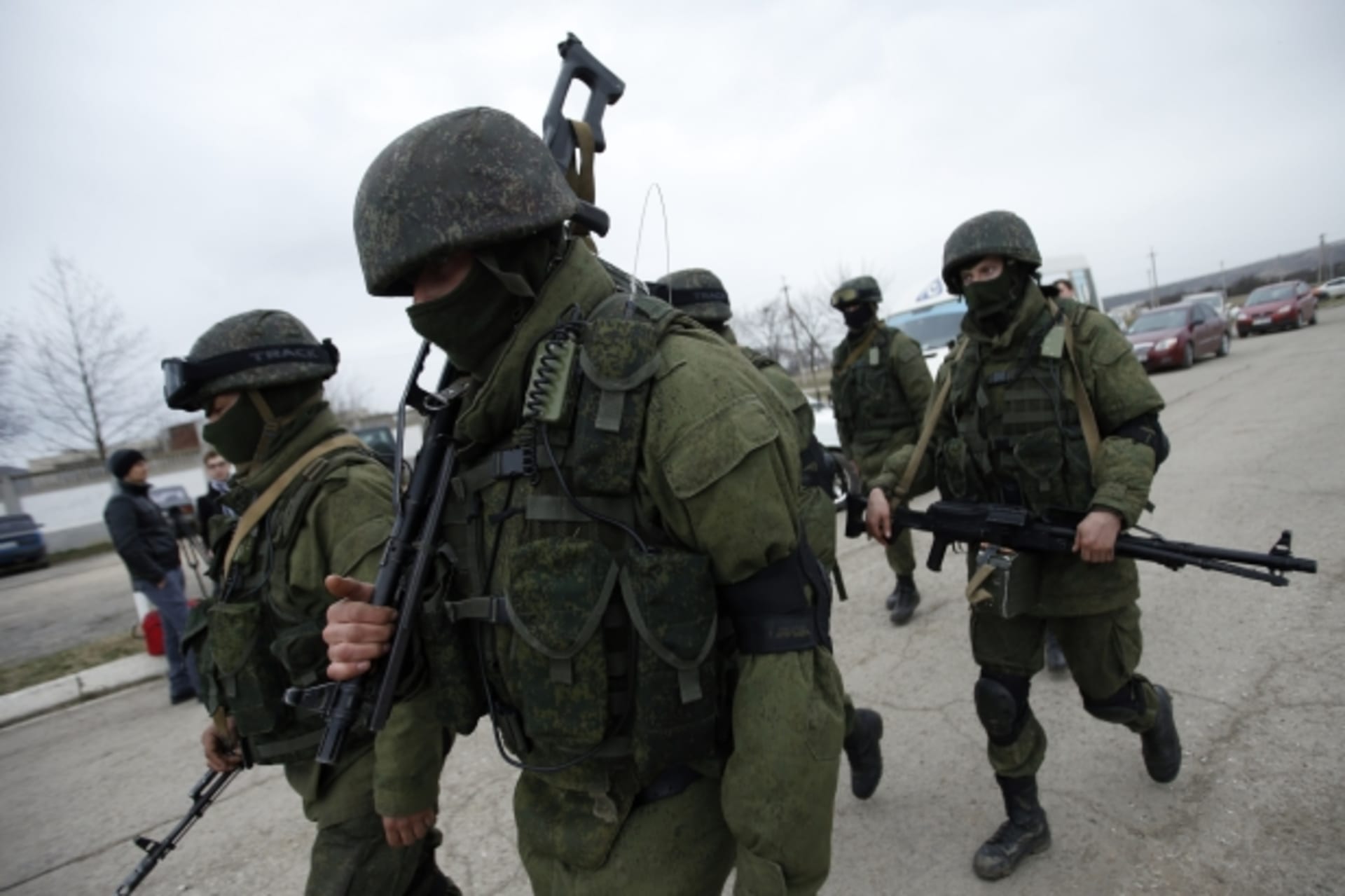
Moscow’s intervention is testing several fundamental norms of world politics: It challenges established principles of sovereignty and nonintervention, it raises the specter of a return to great power spheres of influence, and it elevates the principle of nationality over citizenship. Moreover, it has already exposed, yet again, the weakness of collective security in the face of destabilizing action by a great power.
Spheres of influence are nothing new, of course. During the nineteenth century, they were often explicit arrangements that helped avoid collisions and smooth frictions between the great powers. Later, during World War II, British prime minister Winston Churchill and Russian leader Joseph Stalin in 1944 worked out an infamous “percentages agreement,” which secretly outlined the respective influence that the United Kingdom and Russia might enjoy in postwar Eastern Europe. U.S. President Franklin D. Roosevelt, who learned of these plans, would have none of it. The UN Charter, by enshrining the principle of sovereign equality, was intended to end such arrangements forever. Returning from Yalta, where the Big Three had met in February 1945, Roosevelt proudly told a joint session of Congress:
“The conference in the Crimea was a turning point—I hope in our history and the history of the world. It ought to spell the end of the system of unilateral action, the exclusive alliance, the spheres of influence, the balances of power, and all the other expedients that have been tried for centuries—and have always failed.”
Ironically, of course, spheres of influence indeed survived into the Cold War in the form of tacit agreements between the superpowers. In Eastern Europe and the Caribbean Basin, respectively, the Soviet Union and the United States reserved the right to intervene to counter perceived threats to their respective strategic and political interests. (To be sure, the Soviet sphere was far more closed than the U.S. one). With the end of the Cold War, many hoped spheres of influence would become a thing of the past. But Russia’s recent moves—as well as Chinese assertiveness in the South and East China Seas—suggest not.
Consequently, Western multilateral institutions will need to unite behind an approach. The United States should press its G7 partners, particularly a reluctant Germany, to eject Russia from the G8. This step would have both symbolic and substantive benefits, ostracizing Russia from the high table of advanced market democracies, where it never truly belonged, and consolidating a Western forum united by shared interests and values. Simultaneously, the United States should ensure a solid front among its NATO allies. The alliance is under no obligation to come to the aid of Ukraine (a non-NATO country) and should avoid provocative actions, such as naval patrols near Crimea or mobilization on Russia’s borders. At the same time, it should provide unmistakable reassurances of support, as well as military assets, to its East European members, including the Baltic States, while indefinitely suspending any joint exercises with Russia. These steps are not likely, by themselves, to reverse Russian aggression. But they will at least provide a symbol of Western solidarity.