The Battle of Attu
The only World War II battle fought on U.S. soil was also one of the bloodiest.
By experts and staff
- Published
 James M. LindsayCFR ExpertMary and David Boies Distinguished Senior Fellow in U.S. Foreign Policy
Ask Americans to name World War II battles in the Pacific and you will likely hear Pearl Harbor, Midway, Guadalcanal, Iwo Jima, and Okinawa mentioned. You are unlikely to hear anyone name Attu. It was site of the only land battle fought on U.S. soil during World War II. And in proportional terms, it was one of the bloodiest battles of the entire Pacific theater.
Attu, Alaska
The mention of Attu might make you imagine an island somewhere in the South Pacific. But Attu is located thousands of miles to the north as the westernmost island in the Aleutian Islands chain. Attu is closer to Russia’s Commander Islands, which lie fifty-five miles to its west, than it is to Anchorage, which is 1,500 miles to its east. Washington, DC, is nearly 5,000 miles away.
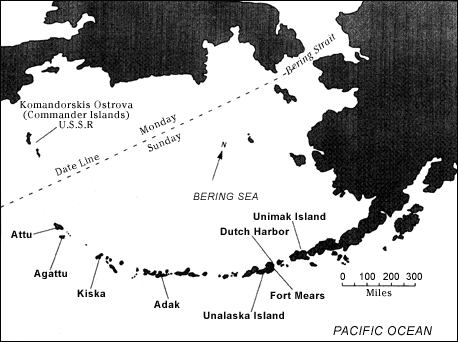
Attu is 346 square miles in size, making it the twenty-third largest island in the United States. It is also the largest uninhabited island in the United States.
Japan Invades
In the wake of Japan’s attack on Pearl Harbor, Attu became a tempting target for Japanese military planners. Seizing the island would allow Japan to push its defensive perimeter farther into the northern Pacific and prevent the United States from using the island to launch air attacks against Japan. Seizing the island might also prompt the U.S. Navy to divert forces to Alaska, thereby taking pressure off Japanese forces in the South and Central Pacific.
Japanese troops took Attu on June 7, 1942, exactly six months to the day after the attack on Pearl Harbor, and one day after taking nearby Kiska Island. The U.S. military made no attempt to defend either island, which had just fifty-seven inhabitants between them. Seven were killed during the invasion, and the remainder sent to Japanese prison camps. Twenty-two would die there.
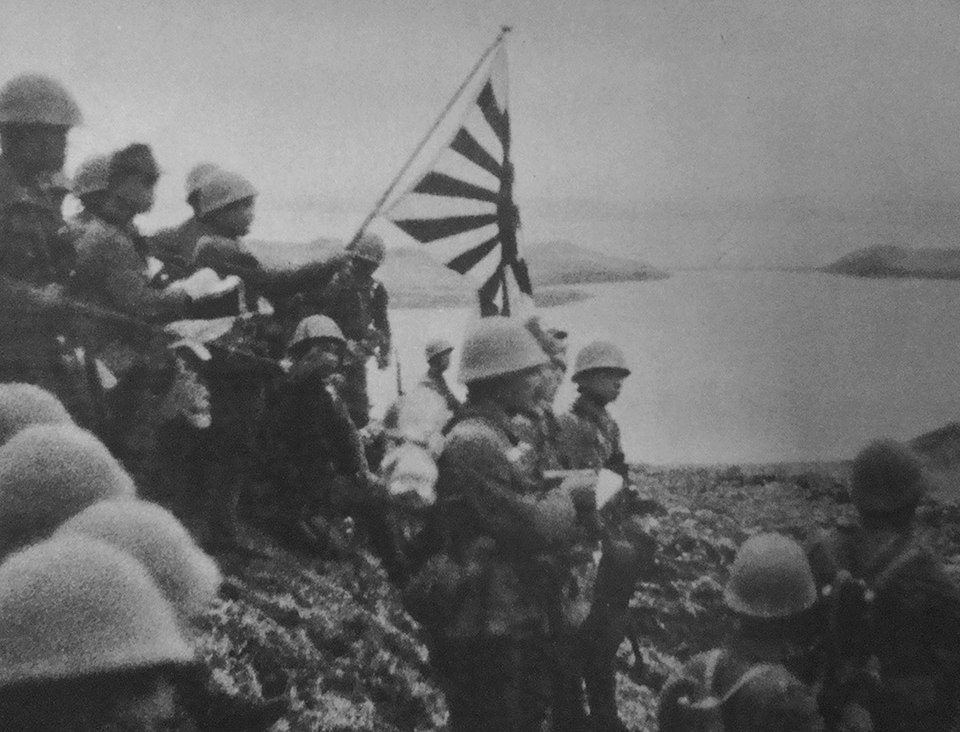
The loss of Attu and Kiska marked the first time since the War of 1812 that a foreign power had seized U.S. territory. But contrary to Japanese hopes, the loss of the two islands did not prompt an immediate U.S. response. Almost a year elapsed before the United States moved to retake Attu.
The Battle Begins
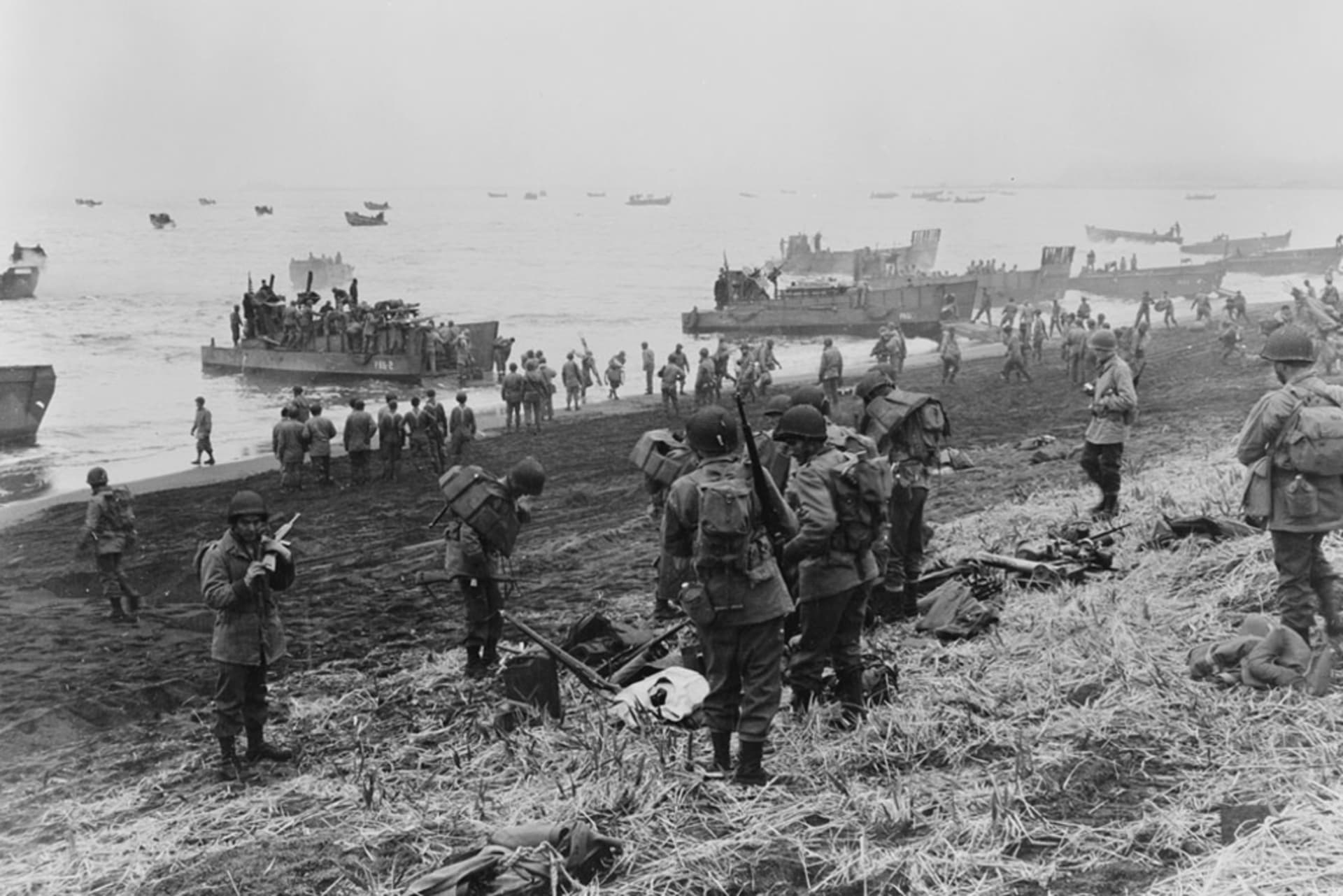
On May 11, 1943, Operation Landcrab began as the first of 15,000 U.S. soldiers landed on Attu. They squared off against 2,500 Japanese. Although the Japanese forces were badly outnumbered and cut off from resupply by a U.S. naval blockade that had begun in late March, they fought tenaciously. The mountainous terrain and grim, arctic conditions gave them an initial advantage.
U.S. troops slowly gained ground. On May 29, the Japanese commander recognized that the end was near. He ordered that all Japanese soldiers too wounded to continue fighting be killed. He then led a banzai charge, one of the largest of the war. The thousand surviving Japanese soldiers nearly overran the U.S. positions. The Saturday Evening Post titled its story of the battle “Mad-Dog Hunt on Attu.”
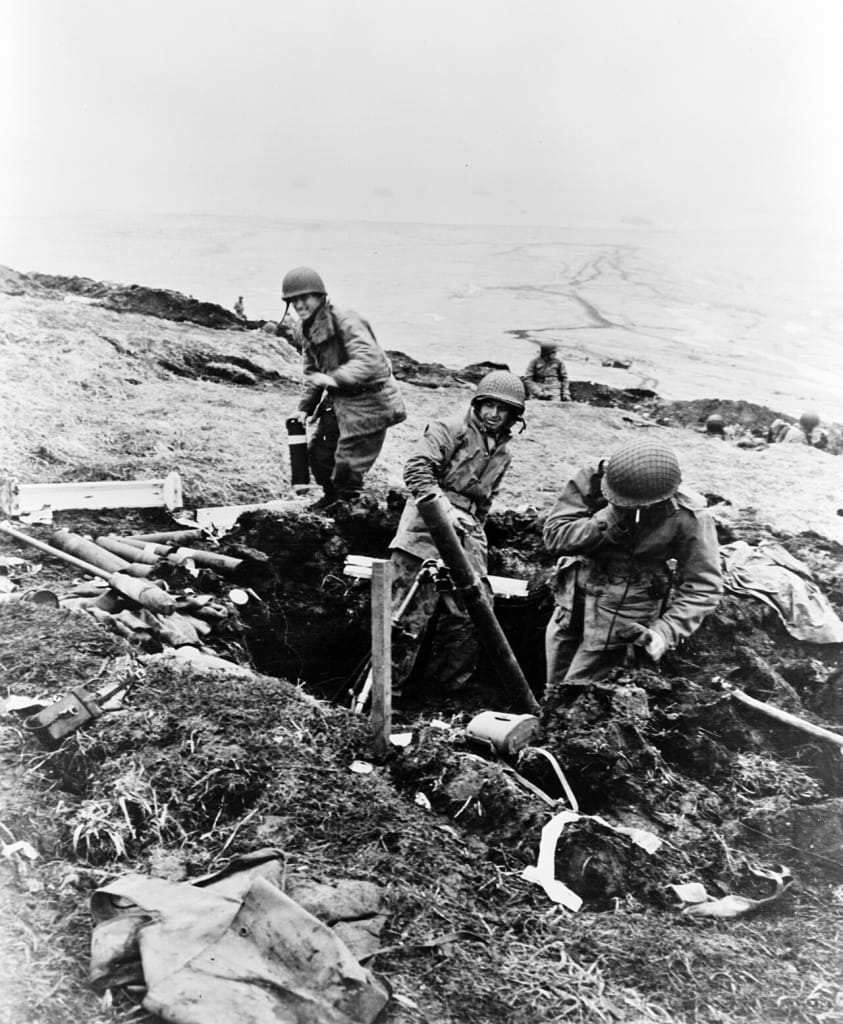
The defeat of the banzai charge effectively ended the Battle of Attu, though some isolated Japanese soldiers continued fighting until Septembe . Overall, fewer than thirty Japanese survived. On the U.S. side, 549 died, 1,148 were wounded, and more than 2,000 suffered exposure-related injuries. Relative to the total number of soldiers who fought, only Iwo Jima surpassed Attu in terms of the U.S. casualty rate.
One soldier who fought at Attu summed up what it was like to fight on the island’s frozen terrain:
It maybe wasn’t such a big battle as battles go nowadays, but, brother, everything about it was done in a big way, including the way them Japs knocked themselves off. Believe me, that was the biggest, awfulest damned mess I ever saw in my life, so help me.
In late July, the Japanese Navy eluded a U.S. blockade and rescued the 5,200 Japanese troops on Kiska. The Japanese presence on U.S. soil ended.
Attu Today
No one has lived on Attu since 2010, when the U.S. Coast Guard shuttered its station there. Today, the island is best known as a birder’s paradise hosting the greatest diversity of bird species in the United States. If you visit Attu, which is hard to do, you might see a whiskered auklet, a red-legged kittiwake, a solitary snipe, a red-flanked bluetail, or even a hawfinch. But if your eyes turn from the sky to the earth, you will see a few dilapidated buildings and an overgrown runway. They are pretty much all that remains of the presence of the U.S. and Japanese soldiers who fought on the distant island more than eight decades ago.
The United States celebrates its 250th anniversary in 2026. To mark that milestone, I am resurfacing essays I have written over the years about major events in U.S. foreign policy. A version of this essay was published on May 11, 2012.
Oscar Berry assisted in the preparation of this article.