Three Things for Xi Jinping and Shinzo Abe to Read
By experts and staff
- Published
 Elizabeth C. EconomyHoover Institution, Stanford University
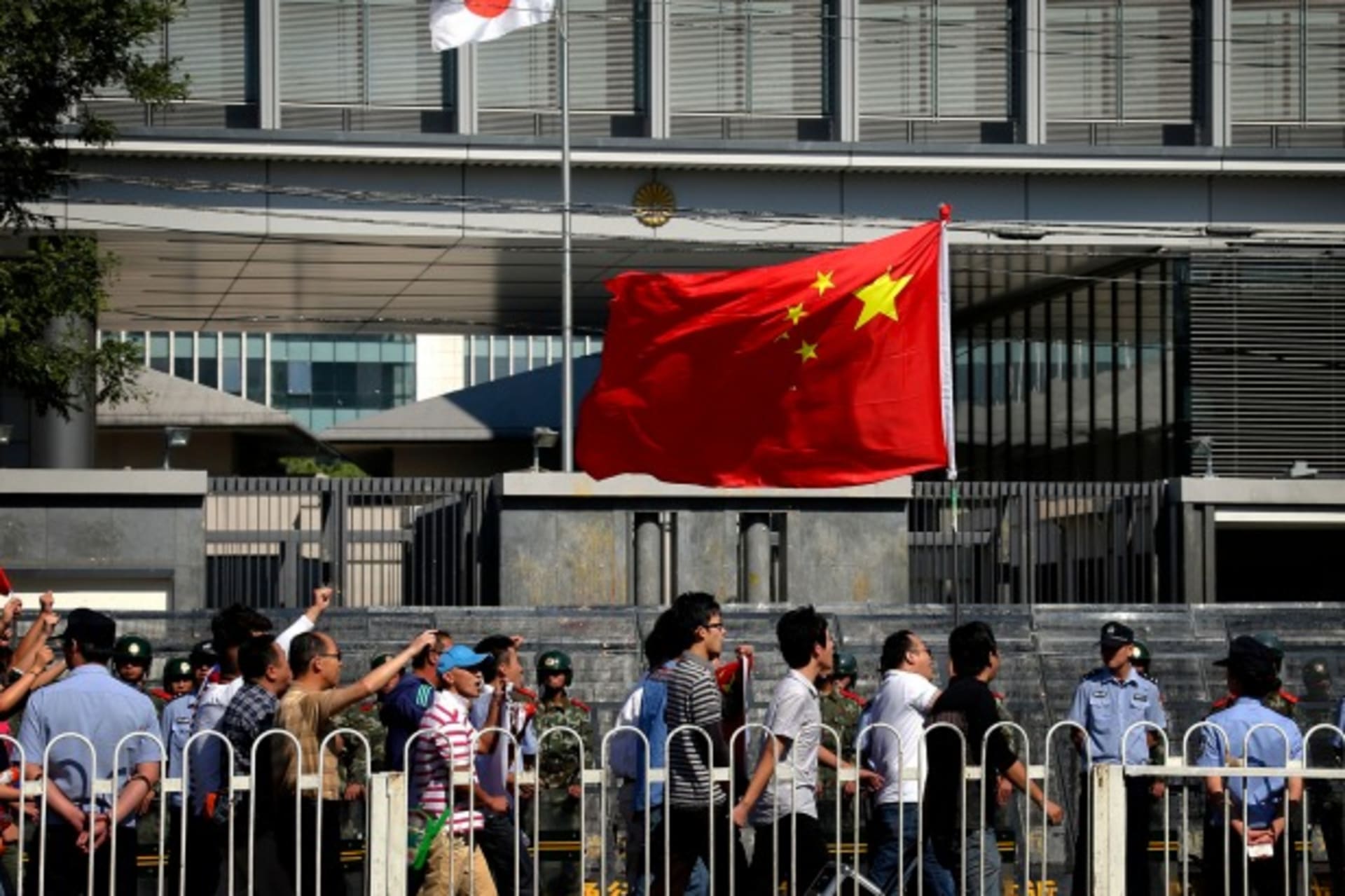
With the Asia-Pacific Economic Cooperation summit in early November approaching rapidly, hopes are high for a meeting between Chinese president Xi Jinping and Japanese prime minister Shinzo Abe. The downturn in relations between Japan and China has been a lose-lose proposition for both countries. Japanese investment in China has dropped off dramatically at a time when Beijing can ill-afford another hit to its sputtering economy, and many Japanese companies have hitched their future to China and are suffering as a result of current political tensions. Moreover, the potential for military conflict to erupt around the Diaoyu/Senkaku Islands remains significant. The summit, which will be held in Beijing, offers an important opportunity for President Xi and Prime Minister Abe to begin to bring their countries’ derailed relations back on track.
In advance of such a meeting, political advisors on both sides should seek inspiration from a few sources:
President Xi and Prime Minister Abe would be smart to follow Zhu’s advice to get the ball rolling. Over time, however, they will need to take the more difficult step proposed by Wang and Lancet—to explore openly truths, past and present—to ensure a strong foundation for the relationship.