The Tin-Pot Dictatorships of Egypt and Turkey
By experts and staff
- Published
 Steven A. CookCFR ExpertEni Enrico Mattei Senior Fellow for Middle East and Africa Studies
Supporters of the governments of Egypt and Turkey have become adept at telling the world that under presidents Abdel Fattah al-Sisi and Recep Tayyip Erdogan respectively, these countries are making progress toward more open and just political systems. In reality, they are nothing more than tin-pot dictatorships.
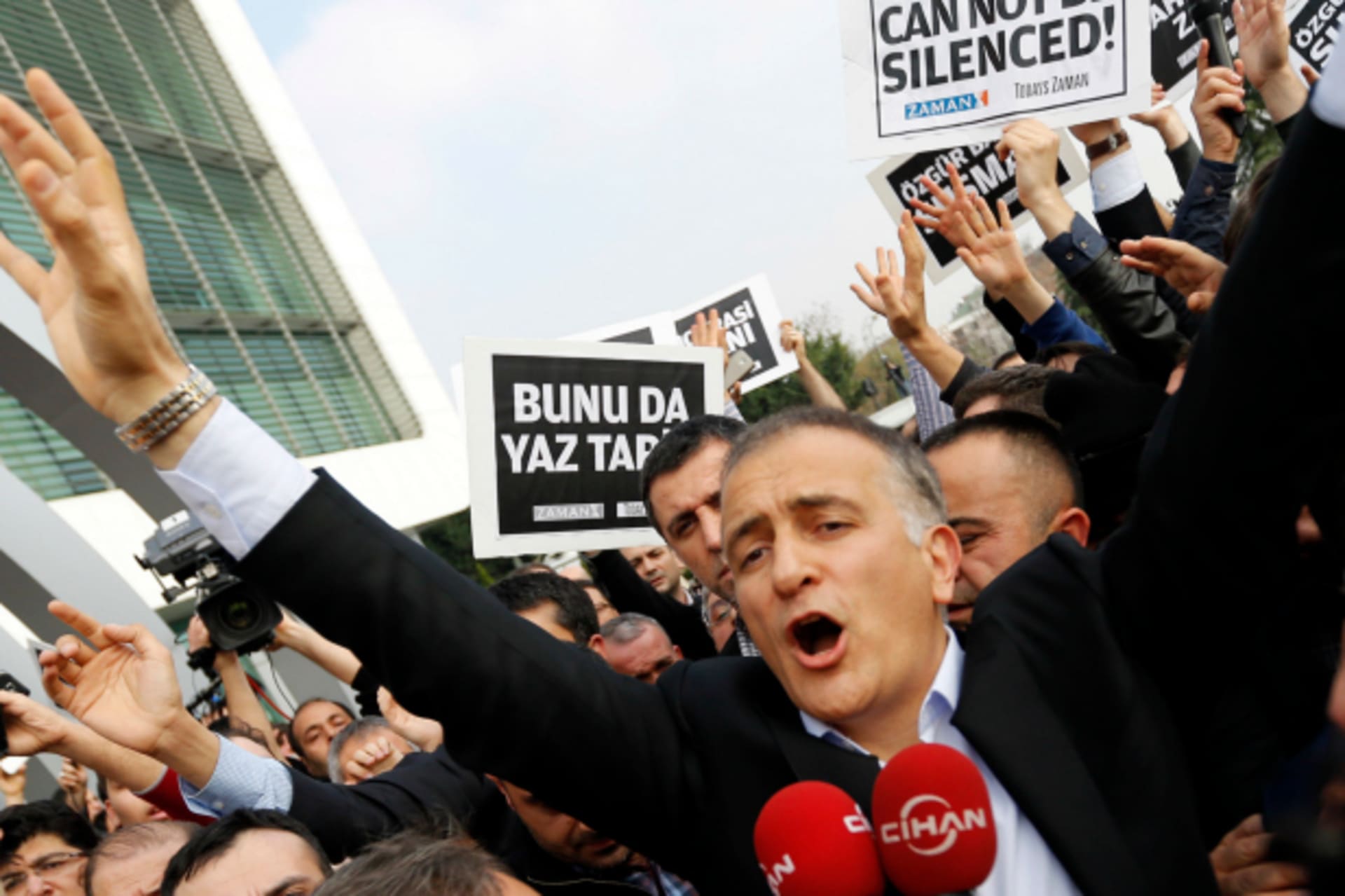
Over the weekend, Egyptian authorities detained, questioned, and deported my friend and colleague Michele Dunne as she sought to enter Egypt at the invitation of the Egyptian Council for Foreign Affairs. Michele, who is the most well-respected Egypt analyst in Washington, has not been shy in her criticism of the Egyptian government. Not to be outdone, yesterday the Turks arrested 27 people including journalists, TV producers, and police commanders on terrorism charges. All of the detainees are either members or suspected members of the Gulen movement. Fethullah Gulen and his followers were at one time allied with Erdogan and his Justice and Development Party (AKP), working together, for example, to subordinate the armed forces to civilian leaders, though at the expense of the rule of law and due process. In early 2013, a falling out over the government’s negotiations with the Kurdistan Workers’ Party erupted later that year into revelations about official corruption and other malfeasance at the highest levels of the AKP, which in turn became a sort of political death match between the two big men of Turkish politics. President Erdogan, secure after sweeping AKP victories in municipal elections and his own ascendancy to the presidency, is now exacting his revenge on the Gulenists.
Though in some ways shocking, what happened to Michele in Egypt and to those detained in Turkey is not at all surprising given what has transpired in both countries since the summer of 2013:
Despite all the official declarations of positive change in Egypt and Turkey, they rank below or close to countries like Bahrain, Jordan, Malaysia, Greece, and South Africa.
You don’t even need to plumb various tables and indices, however, to understand that Sisi and Erdogan are overseeing remarkably similar politics, built on cults of personalities, manipulation, intimidation, fear, and violence. Sadly, that many Egyptians and Turks are willing to support this kind of governance out of either a desire for revenge or schadenfreude is, ultimately, shortsighted. In both Sisi’s Egypt and Erdogan’s Turkey, anyone could be next. That’s what happens in dictatorships.
*Out of 197 countries.
†Out of 167 countries.
‡Score out of 100.
#Values range from -2.50 to +2.50.