The United Nations’ Failures in Myanmar: Lessons Learned?
By experts and staff
- Published
 Joshua KurlantzickCFR ExpertSenior Fellow for Southeast Asia and South Asia
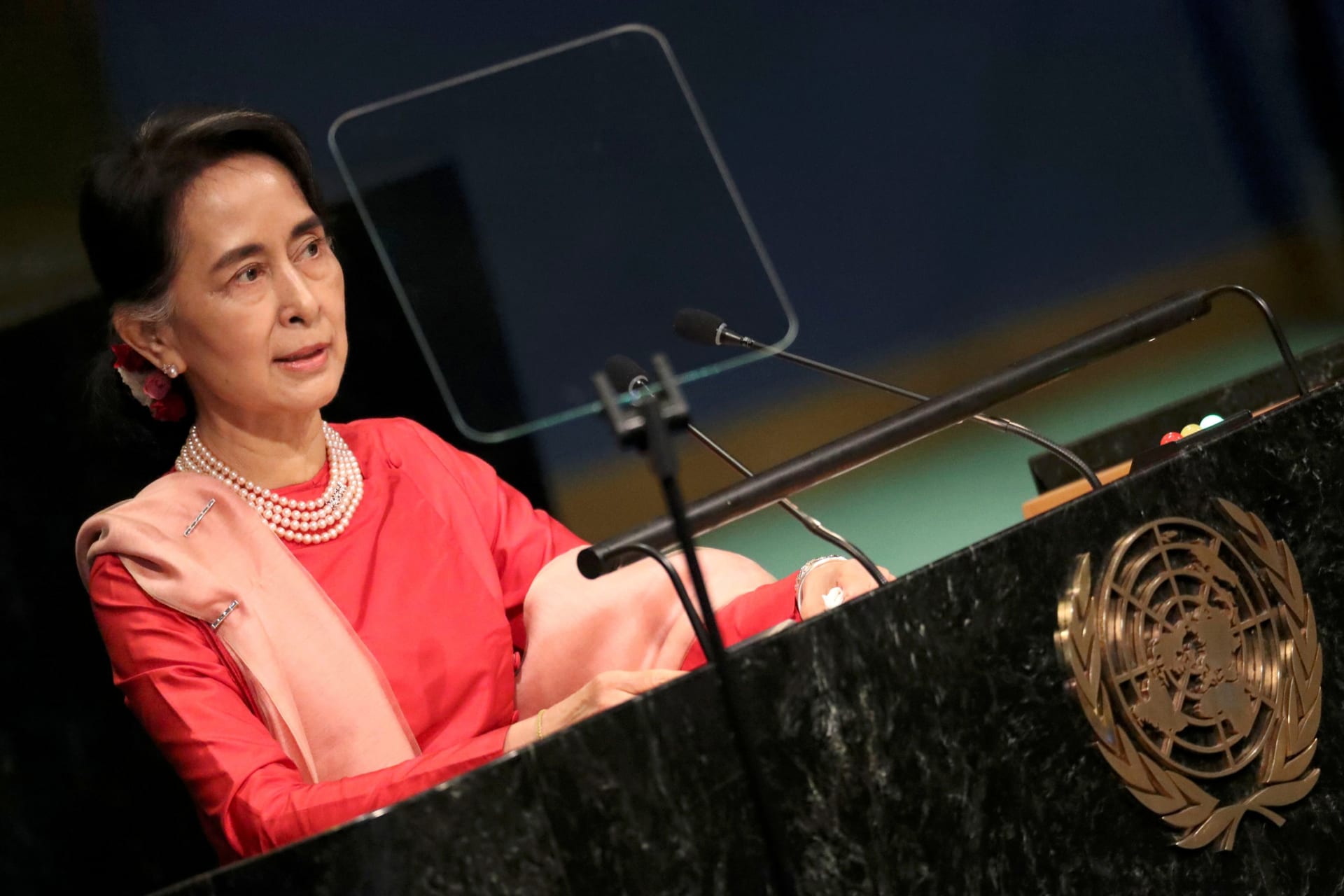
Last month, the United Nations released a scathing report about the organization’s own actions in Myanmar over the past ten years. The report, written by an independent investigator, but commissioned by UN Secretary-General Antonio Guterres, lambasted the UN for a “systemic failure” by UN agencies to find any common strategy toward the Myanmar government. This strategic failure, it noted, continued even as abuses escalated in the past five years against the Rohingya, and ultimately resulted in such atrocities that the UN’s own fact finding mission has called for Myanmar’s top military leaders to be investigated on charges of genocide and crimes against humanity.
The fact the UN was willing to investigate and criticize its own actions might offer some hope for change. For more on the UN’s approach to Myanmar, and whether it might shift, see my new World Politics Review article.