What to Do About Tensions in Asia
Three experts join CFR President Richard N. Haass to discuss what actions the United States can take to ensure stability between China and its neighbors in this video of a mock high-level U.S. government meeting.
By experts and staff
- Published
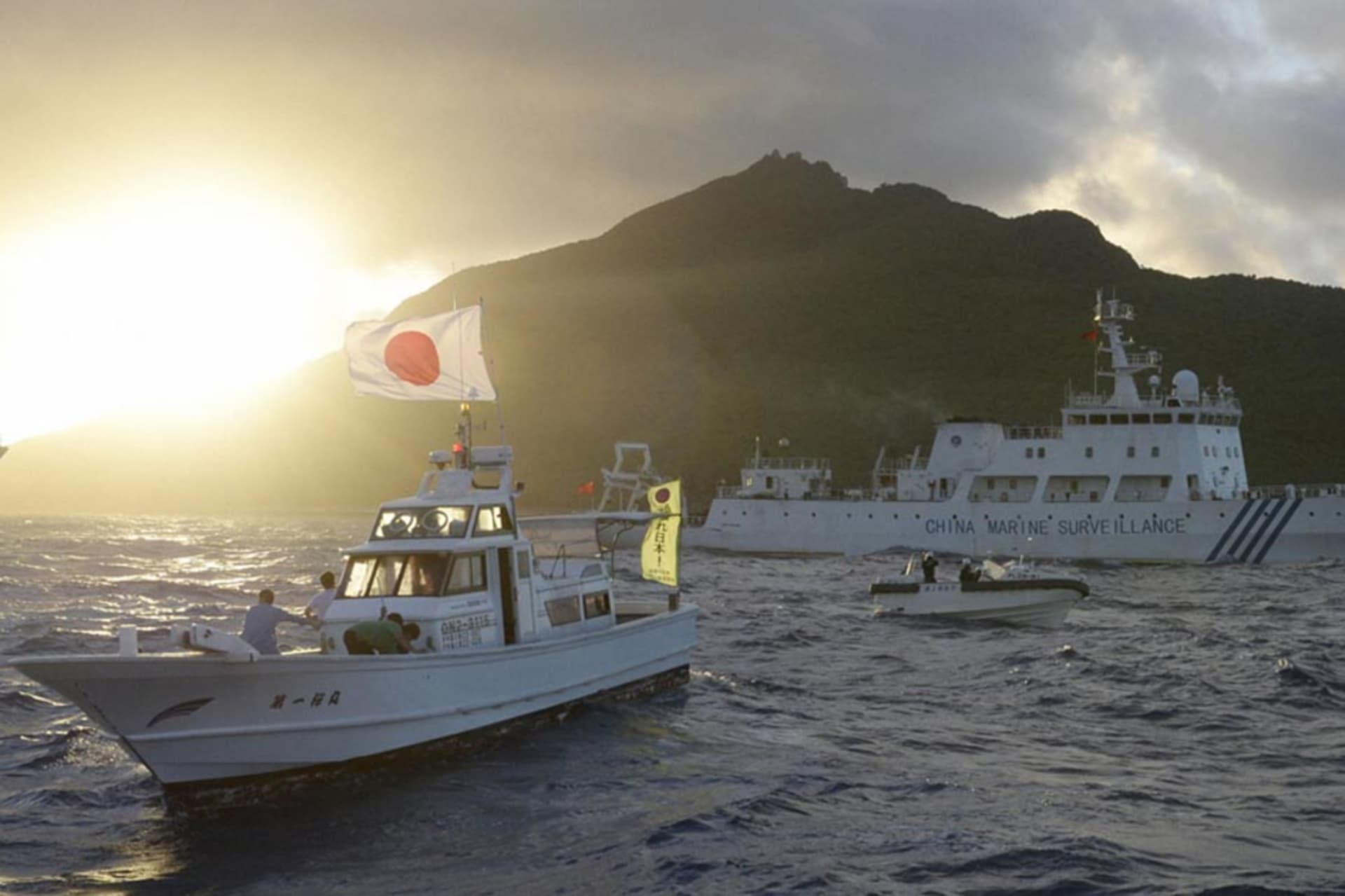
Maritime disputes in East Asia, particularly between China and Japan, threaten to undermine peace and stability in the region. Jeffrey Bader of Brookings, Karl Eikenberry of Stanford, and Michael Green of CSIS discuss what to do about tensions in East Asia in a discussion led by CFR President Richard N. Haass. The panelists assess the gravity of the situation, assess U.S. options in regards to the issue, and answer a range of questions from the audience.
This meeting is part of the “What to Do About” series, which highlights specific issues and features experts who put forward competing analyses and policy prescriptions in a mock high-level U.S. government meeting.
Teaching Notes Components
Background
Questions for Class or Writing Assignments
- What is the dispute in the East China Sea? Which countries are involved and what are they are they hoping to achieve?
- What is the dispute in the South China Sea? Which countries are involved and what are they are they hoping to achieve?
- Describe the dispute between China and Japan over the Diaoyu/Senkaku Islands in the East China Sea. What issues – economic, historical, and political – make it difficult to resolve?
- What is China’s nine-dotted line and what is its relevance to this issue?
- What is the UN Convention on the Law of the Sea? What role does it play in maritime disputes?
- What is the U.S. “pivot” or “rebalance” toward Asia? Why did President Obama pursue this policy?
Stakes
Questions for Class or Writing Assignments
- The readings mentioned political, historical, and economic stakes for the leading countries involved in these disputes. What are the most important stakes for the United States, China, and Japan?
- The U.S.-China relationship is changing as China rapidly develops. How is China’s political, economic, and military growth affecting U.S. interests in the region?
- Why are U.S. policymakers concerned about a ship collision or similar incident in the East or South China Sea?
- What is the security relationship between the United States and Japan? How does that affect U.S. interests and options in managing the East China Sea dispute?
Options
Questions for Class or Writing Assignments
- What, if anything, should the United States do to reduce the chances for conflict in the East and South China Seas?
- What more, if anything, should the United States be doing to secure a multilateral agreement to resolve the disputes in the East and South China Seas?
- Should the United States encourage China and Japan to develop closer diplomatic and military communication? If so, how? If not, why?
- What military steps, if any, should the U.S. consider taking now to protect its interests?
- If there is a military confrontation between China and Japan, what should the United States do?
- You read some articles arguing that China was a threat that needed to be contained, and others saying the United States should develop a closer partnership with China. Which were more convincing? Why? Which approach should the United States pursue?
Class activities
- Group presentations: Imagine that a Chinese fishing boat has collided with a Philippines coast guard vessel in the South China Sea. It is unclear who is at fault, but each side blames the other for the incident. Divide the class into groups and ask each group to make a presentation outlining how the United States should respond, taking into account American military relationships, regional political dynamics, and American interests in the region.
- White House role play: Either individually or in small groups, students should place themselves in the shoes of a Presidential adviser. Suppose that China has just announced it has annexed the Diaoyu/Senkaku Islands. Japan is asking the United States to support a strong, potentially military, response. Taking into account U.S. military alliances and political and economic interests, each student or group should make clear recommendations as to what the United States should do.