The World Next Week: Barack Obama Is Inaugurated, Shinzo Abe Visits Southeast Asia, and Israel and Jordan Vote
By experts and staff
- Published
 James M. LindsayCFR ExpertMary and David Boies Distinguished Senior Fellow in U.S. Foreign Policy
The World Next Week podcast is up. Bob McMahon and I discussed Obama’s second inauguration; Japanese prime minister Shinzo Abe’s tour of Southeast Asia; and next week’s elections in Israel and Jordan
The highlights:
For more on the topics we discussed in the podcast check out:
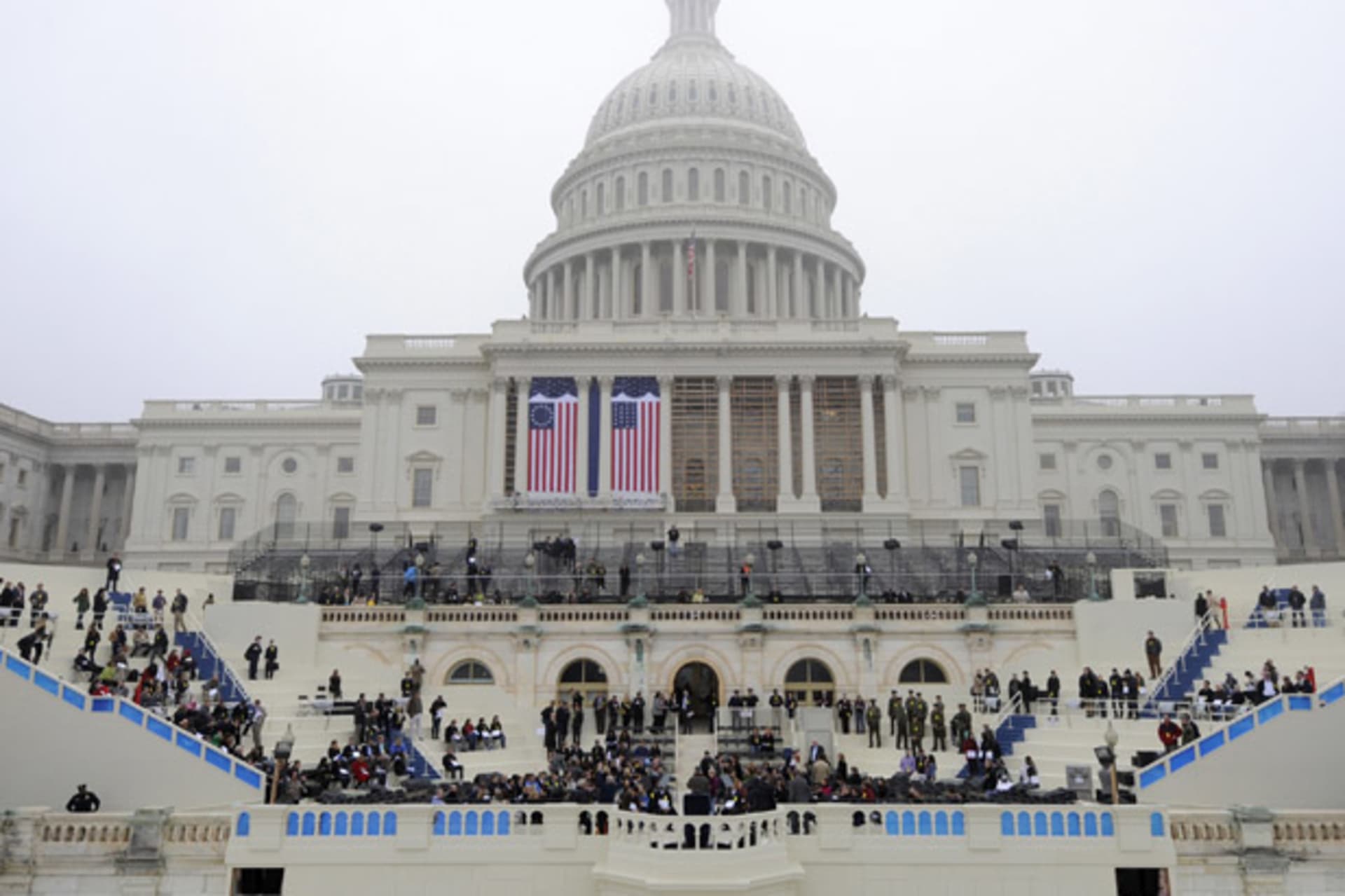
President Obama is sworn in for second term: The official website for the inauguration details the official events of inauguration day. The Hill reports that Monday’s celebration will have smaller crowds and fewer festivities than the 2009 inauguration. USA Today covers the Presidential Inaugural Committee’s difficulties attracting large donors and hitting its $50 million fundraising target. Forbes India surveys international expectations for Obama’s second term.
Japanese prime minister Shinzo Abe finishes a trip to Southeast Asia: The Wall Street Journal describes the scope of Japan’s diplomatic efforts in the weeks since Abe took office. Reuters writes that Abe had originally planned to make Washington the destination of his first official visit. The Wall Street Journal’s Japan Real Time highlights Abe’s controversial foreign policy views and suspicions about Chinese naval ambitions.
Israel holds elections for the Nineteenth Knesset: The Congressional Research Service reports on the weakening of Prime Minister Benjamin Netanyahu’s Likud-Beitenu alliance. BBC News analyzes Netanyahu’s motivations for calling for elections nine months early. Reuters lists the most prominent parties running for parliamentary seats. Foreign Policy analyzes Israeli identity politics and suggests that this election is really “about nothing.”
Jordan holds parliamentary elections: Time draws attention to how regional instability affects Jordanian politics. The Washington Post reports on the boycotting of elections by the Islamic Action Front. The Christian Science Monitor writes that the Jordanian government has recently raised fuel prices and lowered cigarette prices, drawing attention away from politics.