The World Next Week: Chavez Dies, Strategic and Cyber Commands Testify, Russia Tries Magnitsky, and Tibetans Observe Uprising Day
By experts and staff
- Published
 James M. LindsayCFR ExpertMary and David Boies Distinguished Senior Fellow in U.S. Foreign Policy
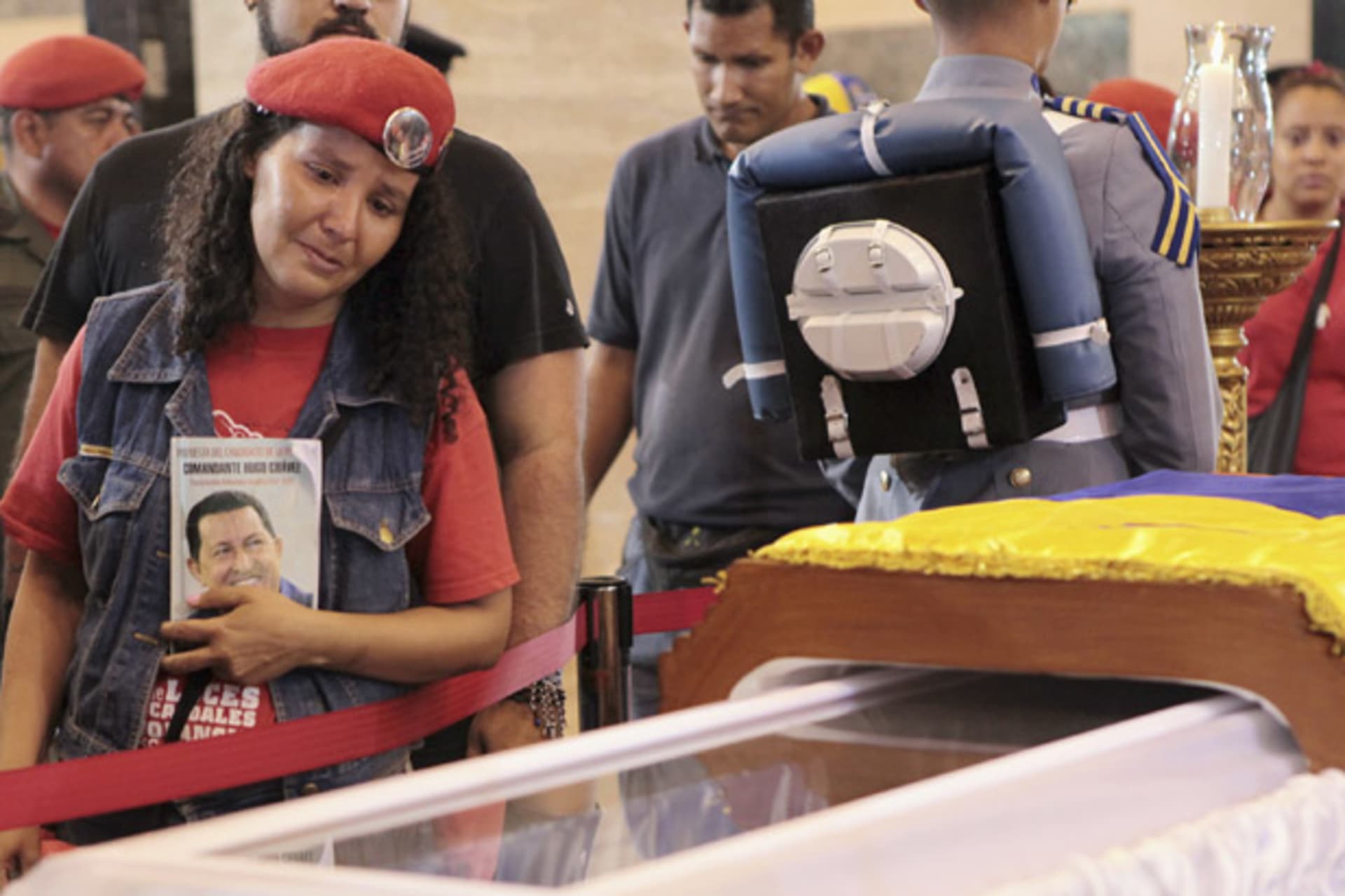
The World Next Week podcast is up. Bob McMahon and I discussed Hugo Chavez’s death, the Senate Armed Services Committee’s upcoming hearing on Strategic Command and Cyber Command, Russia’s decision to try Sergei Magnitsky even though he is dead, and Tibetan Uprising Day.
The highlights:
For more on the topics we discussed in the podcast check out:
Venezuela enters the post-Chavez era: Reuters reports on Nicolas Maduro, Chavez’s successor. The New York Times covers Chavez’s funeral and Venezuelans’ reactions to this death. Shannon O’Neil assesses how Chavez’s death will affect U.S.-Venezuela relations. Bob McMahon provides resources on Chavez’s legacy in Venezuela and Latin America.
The Senate Armed Services Committee holds hearings on Strategic and Cyber Commands: The Defense Department released a summary of Strategic Command head General C. Robert Kehler’s testimony to the House Armed Services Committee. Slate covers the effects of sequestration on the Defense Department. Politico reports on sequestration’s consequences for U.S. cybersecurity.
Russia tries the late Sergei Magnitsky: Time reviews the Magnitsky case and assesses Russia’s motivations for trying him even though he is dead. BBC News reports on Russia’s charges against Bill Browder, Magnitsky’s employer. Stephen Sestanovich offers his take on recent developments in U.S.-Russia relations. EU Observer reports on six EU nations’ joint investigation of Russian money laundering surrounding the Magnitsky case.
Tibetan Uprising Day is observed: BBC News provides a timeline of important events in Tibet-China relations.Voice of America explains why Tibetans anticipate no changes in China’s policy toward them after Xi Jinping’s accession.The New York Times covers the hundredth Tibetan self-immolation in China and Chinese responses to the self-immolations, which it claims that the Dalai Lama is encouraging.