The Bombing of Hiroshima
The decision to drop an atomic bomb on Hiroshima continues to stir debate today.
By experts and staff
- Published
 James M. LindsayCFR ExpertMary and David Boies Distinguished Senior Fellow in U.S. Foreign Policy
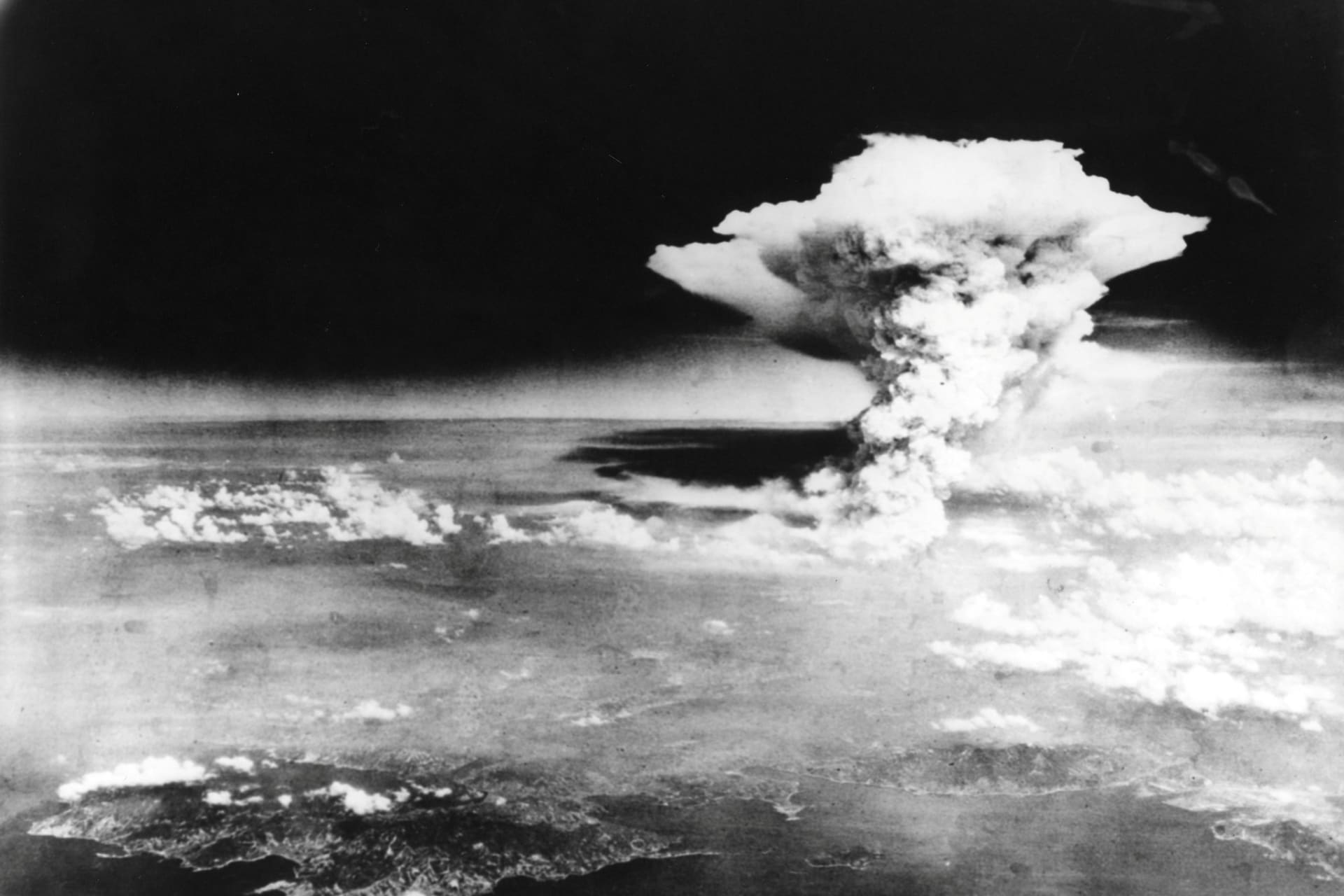
On August 6, 1945, the United States dropped the Little Boy atomic bomb on Hiroshima, Japan. That first-ever use of an atomic weapon killed an estimated 140,000 people, most of whom were civilians. Three days later, the United States dropped an atomic bomb on Nagasaki. Some 40,000 people, again mostly civilians, died instantly. Another 34,000 died agonizing deaths from burns and radiation poisoning in the weeks that followed.
Some of the scientists who helped build the atomic bombs opposed using them against Japan, as did some senior U.S. military officers. President Harry S. Truman ultimately decided to proceed with the bombings on the grounds that they were necessary to compel Japan’s surrender and to avoid what likely would have been a far deadlier U.S. invasion.
Eight decades later, Truman’s decision to authorize the bombings remains hotly debated. A survey I conducted on behalf of the Council on Foreign Relations with members of the Society for Historians of American Foreign Relations ranked the bombing of Hiroshima as the fifteenth-worst foreign policy decision in U.S. history.
The Manhattan Project
The 1938 discovery of nuclear fission by German scientists opened the door to the atomic age. On August 2, 1939, world-renowned physicist Albert Einstein wrote to President Franklin D. Roosevelt to warn that it was now possible to create “extremely powerful bombs of a new type.” The letter, drafted by Einstein’s colleague Leo Szilard, urged the U.S. government to invest in nuclear physics research and warned that Nazi Germany was already acquiring the uranium needed to build an atomic bomb.
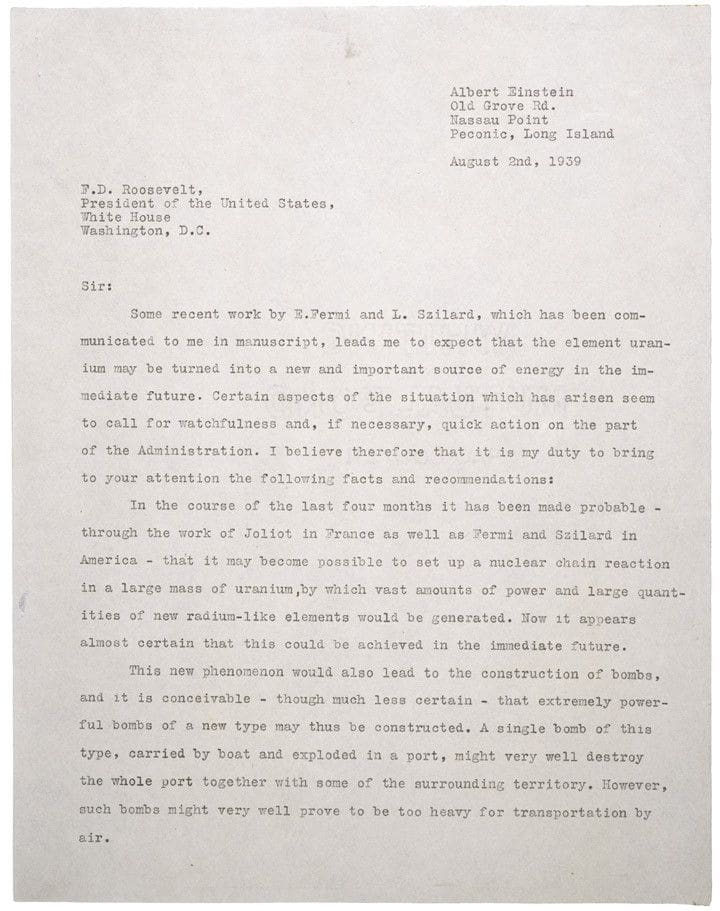
Roosevelt initially dismissed Einstein’s proposal. He quickly changed his mind, however, and directed his administration to explore Einstein’s warning. That work validated the potential for an atomic bomb. In October 1941, two months before Pearl Harbor, Roosevelt approved the start of a U.S. atomic program. It was dubbed the Manhattan Project because its headquarters were initially in New York City. Roosevelt was determined that the United States would develop the new so-called superweapon before Germany could.
The Trinity Test
Germany never succeeded in developing an atomic weapon. U.S. and British scientists, however, did. Just two years after a secret research facility opened at Los Alamos, New Mexico, they had perfected a design. On July 16, 1945, two months after the end of the war in Europe, the Trinity Test detonated the world’s first atomic device outside Alamogordo, New Mexico.
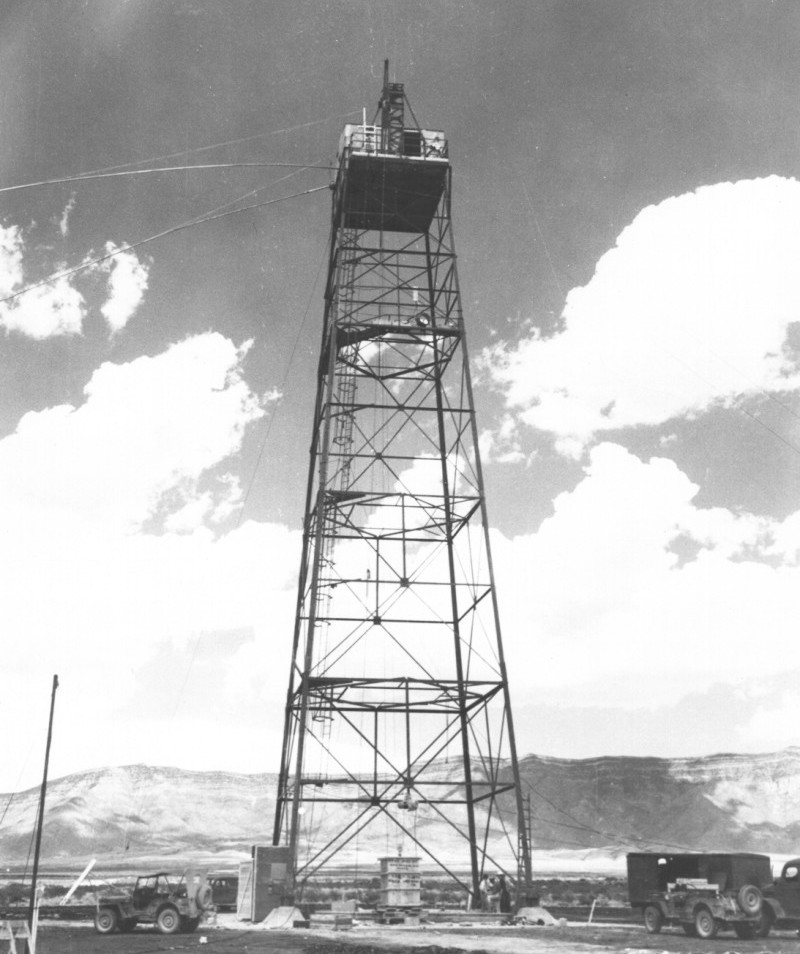
The explosion had a yield equivalent to detonating some twenty kilotons of TNT. The sight of the mushroom cloud that the Trinity Test unleashed prompted Robert Oppenheimer, the Manhattan Project’s director, to quote a line from the Hindu scripture the Bhagavad Gita: “Now I am become Death, the destroyer of worlds.”
A Decision to Make
The success of the Trinity Test raised two critical questions: Should the United States use its new weapon against Japan? And if so, how should it be used?
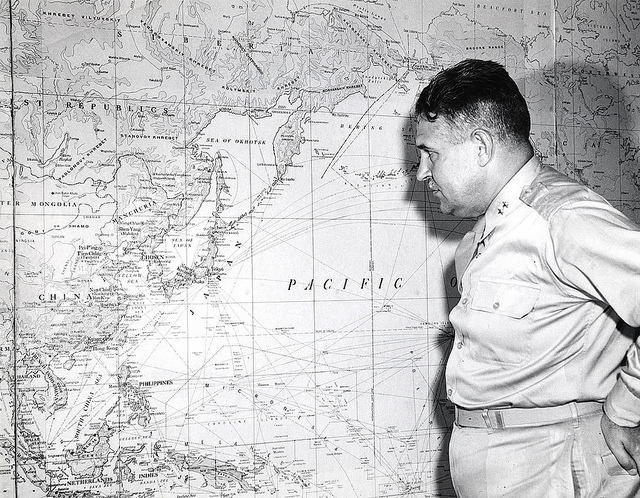
FDR had died three months before the Trinity Test. He left behind no guidance for how the United States should use an atomic bomb. In September 1944, he and British Prime Minister Winston Churchill had discussed using the weapon against Japan. The two agreed that Japanese officials “should be warned that this bombardment will be repeated until they surrender.” FDR also spoke to aides about ordering a demonstration test to show the Japanese government the destruction that it faced. He told other advisors that he would use the atomic bomb against Germany if it were ready in time.
With no established rules to guide the use of the A-bomb, the decision fell to Truman. He first learned about the Manhattan Project on April 12, 1945, just hours after being sworn in as president. Secretary of War Henry Stimson asked to speak with him about an “immense project” and then sketched the outlines of the Manhattan Project. Truman did not receive a detailed briefing for another two weeks. He was told then that “within four months we shall in all probability have completed the most terrible weapon ever known in human history, one bomb of which could destroy a whole city.”
The War in the Pacific
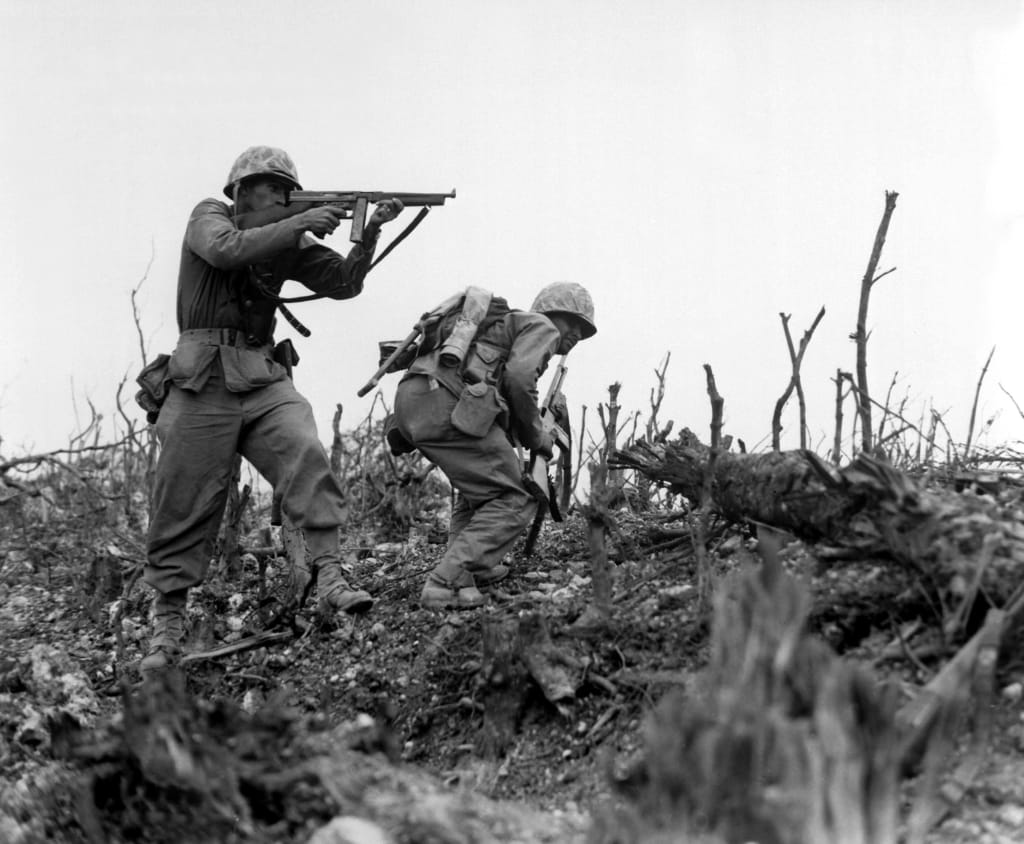
By the time of the Trinity Test, Japan was headed for defeat. U.S. forces had taken the Japanese islands of Iwo Jima and Okinawa, though only after bitter fighting that came at horrific cost to both sides. Norms about sparing civilians from attack had long been abandoned. U.S. bombers were regularly dropping conventional bombs on Japanese cities. The firebombing of Tokyo in March 1945 killed as many as one hundred thousand people. It remains the deadliest single bombing raid in history.
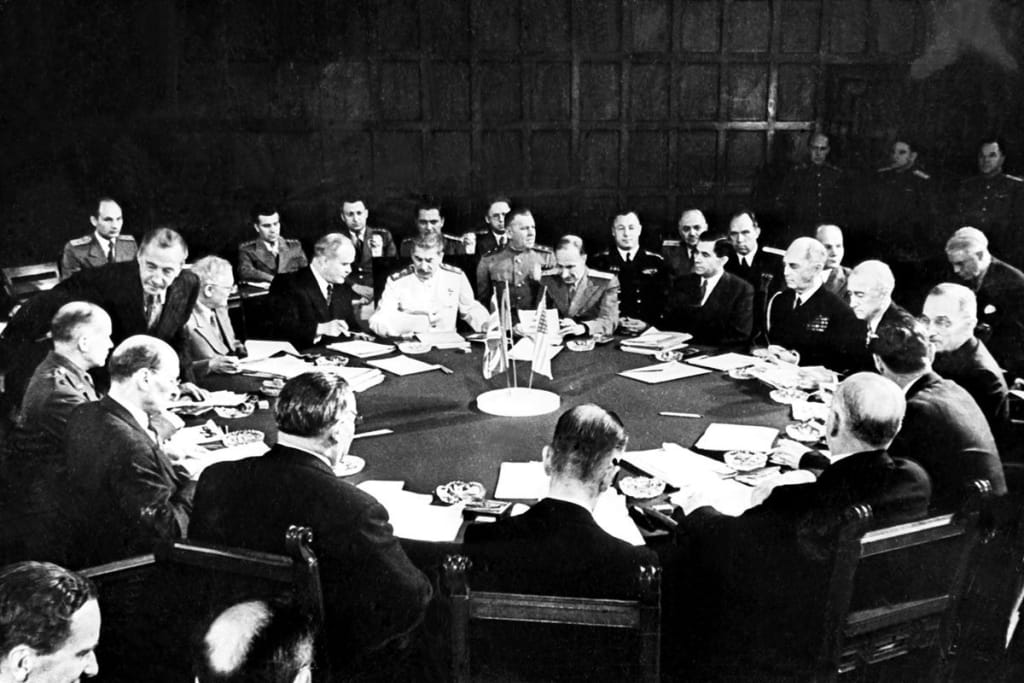
Truman learned of the success of the Trinity Test while he was at the Potsdam Conference in Germany, meeting with British Prime Minister Winston Churchill and Soviet leader Joseph Stalin to determine how to secure peace in Europe and to end the war in the Pacific. On July 26, 1945, Truman and Churchill issued, with the concurrence of Chinese President Chiang Kai-shek, the Potsdam Declaration. Among other things, it declared:
We call upon the government of Japan to proclaim now the unconditional surrender of all Japanese armed forces, and to provide proper and adequate assurances of their good faith in such action. The alternative for Japan is prompt and utter destruction.
Stalin did not sign the declaration because the Soviet Union was not at war with Japan at the time. He did pledge, however, to enter the war against Japan, which the Soviet Union did on August 8.
Despite the long odds it faced, the Japanese government rejected the Allied demand at Potsdam for an unconditional surrender. It believed it could still hold on to its military gains in China and feared the Allies would depose Emperor Hirohito.
Truman’s Options
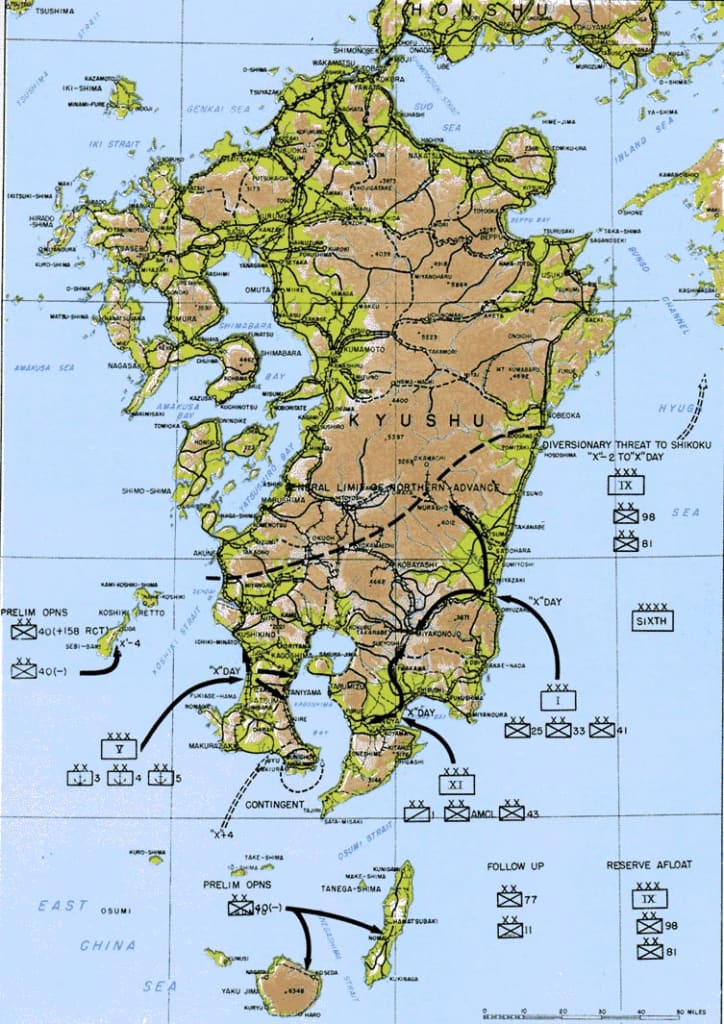
Truman considered ordering U.S. forces to invade the Japanese main islands. To that end, the Pentagon had planned Operation Downfall. It envisioned a multi-month campaign against Japan’s home islands. Based on the bitter resistance U.S. forces encountered at Iwo Jima and Okinawa, planners estimated that the death toll from Operation Downfall could range from several hundred thousand to a million on the Allied side and well into the millions for Japanese soldiers and civilians.
The Trinity Test expanded Truman’s options for forcing Japan’s surrender beyond continued conventional bombing attacks on Japanese cities, launching the large-scale invasion contemplated by Operation Downfall, blockading the Japanese home islands, or retreating from his demand for Japan’s unconditional surrender. He could use the small stockpile of atomic bombs against Japanese cities, or he could order a demonstration test designed to intimidate the Japanese government into surrendering.
Some Manhattan Project scientists argued on June 11 in what became known as the Franck Report that “the release of this new means of indiscriminate destruction upon mankind” would “precipitate the race of armaments, and prejudice the possibility of reaching an international agreement on the future control of such weapons.” A separate petition that Szilard drafted and that seventy Manhattan Project scientists signed a week later urged Truman not to drop an atomic bomb on Japan unless Tokyo was first informed of the weapon and given an opportunity to surrender.
The Franck Report’s advice and Szilard’s petition ran contrary to the recommendation that the Interim Committee set up by Secretary of War Henry L. Stimson provided to Truman. Composed of Stimson and seven other high-ranking officials, it recommended that the atomic bomb “should be used against Japan as soon as possible; that it be used on a war plant surrounded by workers’ homes; and that it be used without prior warning.”
Truman Decides
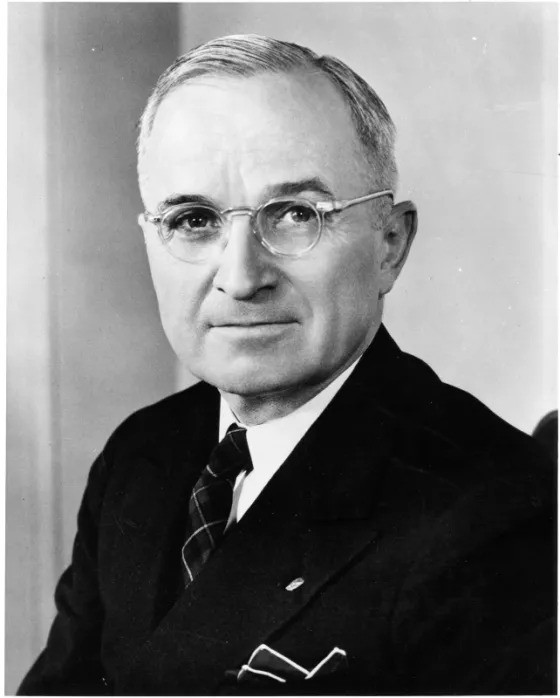
Truman accepted the recommendation to use what he called in his diary “the most terrible thing ever discovered.” He later said he made the decision to avoid “an Okinawa from one end of Japan to another.” He rejected a demonstration test as unworkable. The United States had only two working weapons and would need time to build more. The test might be a dud and encourage the Japanese to fight on. Japan might shoot down the U.S. bomber if it knew its intended target. Japan might use the time given it to assess the demonstration to dig in against a U.S. invasion.
Truman also doubted that continued conventional bombing raids would force Japan to surrender, given that months of aerial raids had not broken its will to fight. And abandoning the call for Japan’s unconditional surrender was a political nonstarter, given the burning anger in the United States over Japan’s surprise attack on Pearl Harbor and well-documented Japanese war atrocities.
The Bombing of Hiroshima
The B-29 Enola Gay, commanded by Col. Paul Tibbets and named after his mother, departed from Tinian in the Northern Mariana Islands at 2:45 a.m. local time on August 6. Two other B-29s accompanied it. One carried instruments to record and measure the force of the explosion. The other was tasked with photographing the explosion.
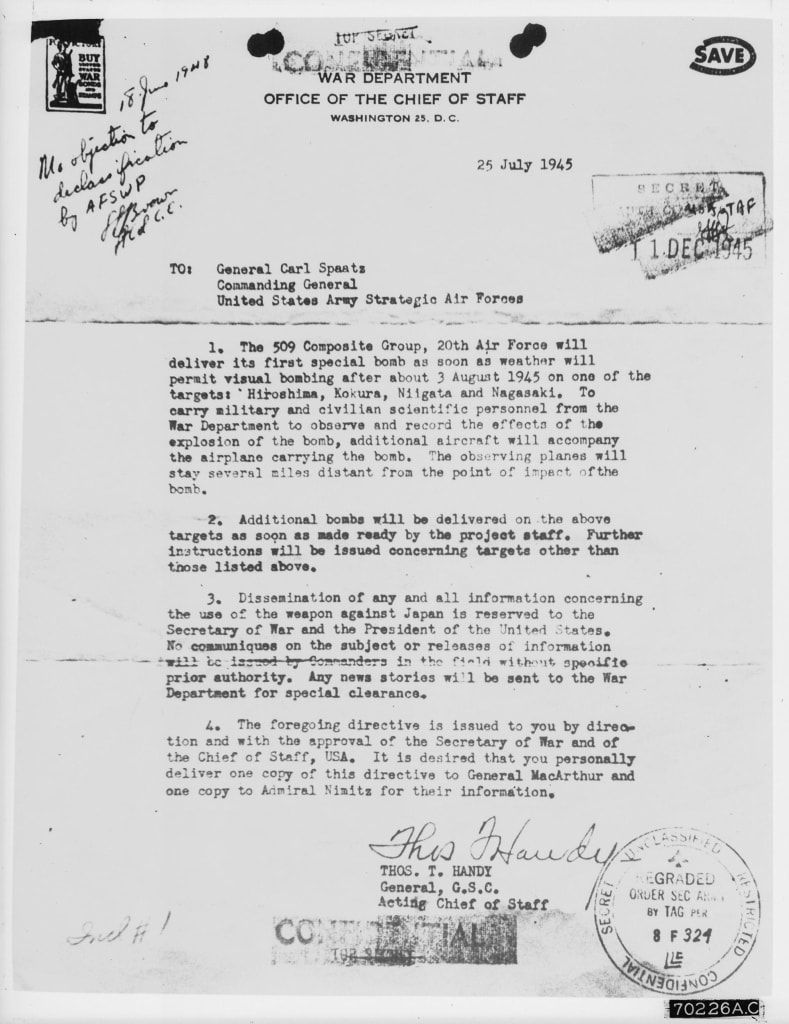
In 1945, Hiroshima had an estimated population of 350,000 people. It had been selected as the initial target because it was a significant port and industrial center, it hosted a major military base, and prior U.S. conventional bombing raids had not targeted the city. The latter rationale would make it easier to assess the atomic bomb’s destruction. It would also, U.S. officials hoped, frighten Japan into surrendering unconditionally if it knew that the United States possessed a weapon so powerful that a single bomb could destroy an entire city.
The Enola Gay released Little Boy at 08:15 a.m. local time at an altitude of 31,000 feet. The bomb fell for 44 seconds. It detonated 1,900 feet above the city. Tibbets later described what he saw:
The tail gunner called, “Here it comes.” I had a peculiar taste (electrolysis) in my mouth and saw a bright hue. The first shock wave hit with a force of 2½ Gs, followed by a 2-G shock and a smaller third shock wave. It was a very sobering event, as we turned back over the target to take camera photos of the area. A boiling, tumbling, rolling cloud rose up from the ground. The cloud went up rapidly and was 10,000 feet above us and climbing by the time we had turned around. Down below all you could see was a black, boiling nest.
An estimated 80,000 people died instantly as ground temperatures reached as high as 4,000 degrees Centigrade and people more than two miles away suffered flash burns. As many as 60,000 more people died in the weeks and months to come from radiation poisoning and other injuries.
“A Rain of Ruin”
Sixteen hours after Little Boy exploded, Truman issued a statement that had been drafted days earlier announcing the destruction of Hiroshima with an atomic bomb that harnessed “the basic power of the universe.” The statement went on to declare:
We are now prepared to obliterate more rapidly and completely every productive enterprise the Japanese have above ground in any city. We shall destroy their docks, their factories, and their communications. Let there be no mistake; we shall completely destroy Japan’s power to make war.
It was to spare the Japanese people from utter destruction that the ultimatum of July 26 was issued at Potsdam. Their leaders promptly rejected that ultimatum. If they do not now accept our terms they may expect a rain of ruin from the air, the like of which has never been seen on this earth.
Truman, who was returning from Potsdam aboard the USS Augusta, subsequently read a version of the statement that was recorded and shared with the news media.
[Video: https://www.youtube.com/watch?v=n_A8LPtuX5c]

Japan, however, did not surrender immediately after Hiroshima’s destruction. Some Japanese leaders doubted that the United States had many more atomic bombs. Others hoped that Stalin might act as a mediator and work to prevent further U.S. attacks. The Soviet Union, however, entered the war on August 8 and quickly crushed Japanese forces in northern China. The next day, Truman made good on his threat—the United States dropped an atomic bomb known as “Fat Man” on the city of Nagasaki.
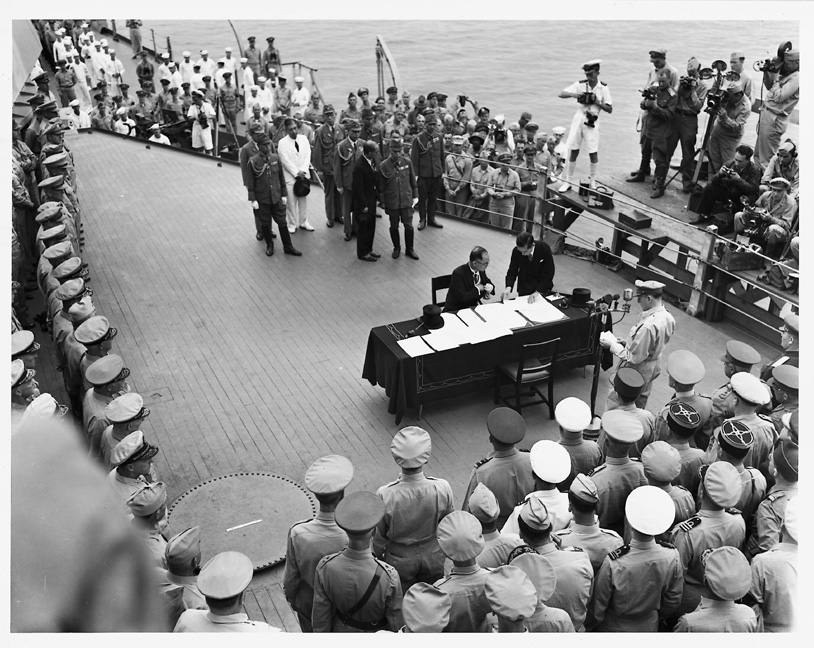
On August 10, the Japanese government communicated its willingness to surrender. Its offer came with one condition, that Emperor Hirohito be allowed to remain as Japan’s ceremonial head of state. Truman agreed to the concession. Japanese officials signed the formal document of surrender on the deck of the USS Missouri on September 2, 1945.
A Persistent Controversy
Truman’s decisions to order the bombings of Hiroshima and Nagasaki have been praised and condemned over the years. He himself never expressed regret about the choices he made. In his view, and those of many others, the bombings forced Japan’s surrender and avoided sustained conventional bombing and a U.S. ground invasion that would have killed far more Japanese (and Americans) than the bombings did. And many people have argued that by showing the world the horrors of nuclear weapons, the bombings of Hiroshima and Nagasaki made their future use far less likely.
As the Franck Report attested, some of the scientists involved in the Manhattan Project opposed using their creation. So too did some U.S. military leaders, including Generals Dwight D. Eisenhower and Douglas MacArthur and Fleet Admirals Chester Nimitz and William “Bull” Halsey Jr. They saw the bombings as unnecessary because they believed that Japan could not hold out much longer. Other critics have argued that the Soviet decision to enter the war is what convinced Japan to surrender and that the bombings violated the laws of war and morality because they deliberately targeted civilians.
The gap between these two positions will never be bridged given that they rest on differing assessments of how the war would have played out and differing conceptions of the obligations owed to civilians during wartime. Perhaps the one solace to take from the bombings of Hiroshima and Nagasaki is that nuclear weapons have not been used ever since even as their destructive power increased with the creation of hydrogen bombs and the number of nuclear-armed powers has grown to nine, with other countries potentially waiting in the wings.
Oscar Berry and Jack Patton assisted in the preparation of this article.
This work represents the views solely of the author(s). The Council on Foreign Relations is an independent, nonpartisan membership organization, think tank, and publisher, and takes no institutional positions on matters of policy.