The World Next Week: Japan Elects a Parliament; South Korea Chooses a President, Egypt Decides on a Constitution, and the U.S. Electoral College Votes
By experts and staff
- Published
 James M. LindsayCFR ExpertMary and David Boies Distinguished Senior Fellow in U.S. Foreign Policy
The World Next Week podcast is up. Bob McMahon and I discussed Japan’s parliamentary elections; South Korea’s presidential election; Egypt’s constitutional referendum; and the Electoral College vote for the U.S. president and vice president.
The highlights:
For more on the topics we discussed in the podcast check out:
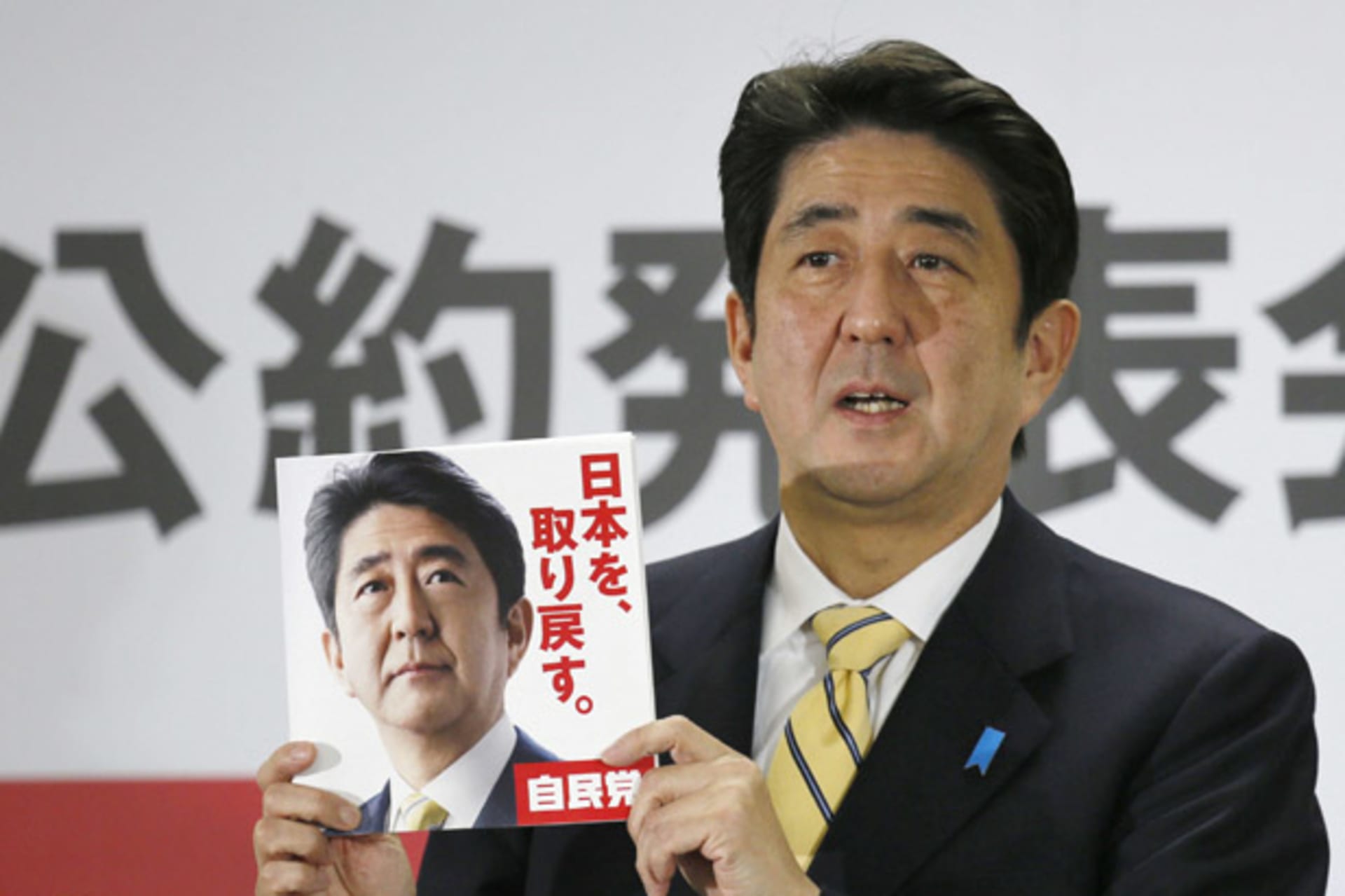
Japan votes in parliamentary elections: BBC News writes that Prime Minister Yoshihiko Noda and his Democratic Party of Japan face an uphill battle in the upcoming elections. The International Institute for Strategic Studies argues that next week’s elections will not solve Japan’s problem of political volatility. Euro Investor questions whether the parliamentary elections are “ill-timed” given the state of the Japanese economy. Business Insider explains why anyone who takes an interest in economics should follow the Japanese elections.
South Koreans elect their next president: Reuters argues that while Park Geun-hye would be the first female president of South Korea, her win would do little to break the country’s glass ceiling. The Diplomat warns that while Korean voters are primarily concerned with the economy, the next president will have to face tough foreign policy issues as well. Yonhap New Agency writes that effect of the recent rocket launch in North Korea on the South’s presidential election remains unclear. Channel News Asia suggests that any increase in voters’ security concerns would help conservative candidate Park Geun-hye.
Egypt holds a constitutional referendum: BBC News provides a chronological report that tracks shifts in political power in Egypt and questions where the power really lies. Reuters writes that President Morsi’s opponents may boycott the constitutional referendum. The Washington Post reports that the Carter Center will be unable to observe the vote on the referendum because of the late release of rules for monitors. Egypt Independent provides an English translation of Egypt’s draft constitution.
The Electoral College finalizes the presidential election: The official website of the Electoral College provides an outline of the meeting’s procedures as well as important dates in the voting process. The U.S. Courts official website explains the lesser known role of the federal trial courts in the Electoral College voting process. The Washington Post provides a breakdown of electoral votes in this year’s presidential election and argues that the current numbers give the Democratic Party an “electoral college edge.”