Youth in Nigeria’s Boko Haram
By experts and staff
- Published
- John CampbellRalph Bunche Senior Fellow for Africa Policy Studies
For a movement that is destabilizing Nigeria, “the giant of Africa,” we have remarkably few hard facts about Boko Haram.
Some of the questions that we don’t have answers to—or at least, that there is no consensus about—include:
On this last question, Freedom C. Onuoha has performed a major service for those of us trying to understand Boko Haram. In a United States Institute of Peace (USIP) special report titled “Why Do Youth Join Boko Haram?” he draws on survey data and interviews conducted in 2013 by a Lagos-based non-governmental organization, CLEEN Foundation, to analyze why young Nigerians join insurgencies, especially Boko Haram. CLEEN’s research was commissioned by USIP.
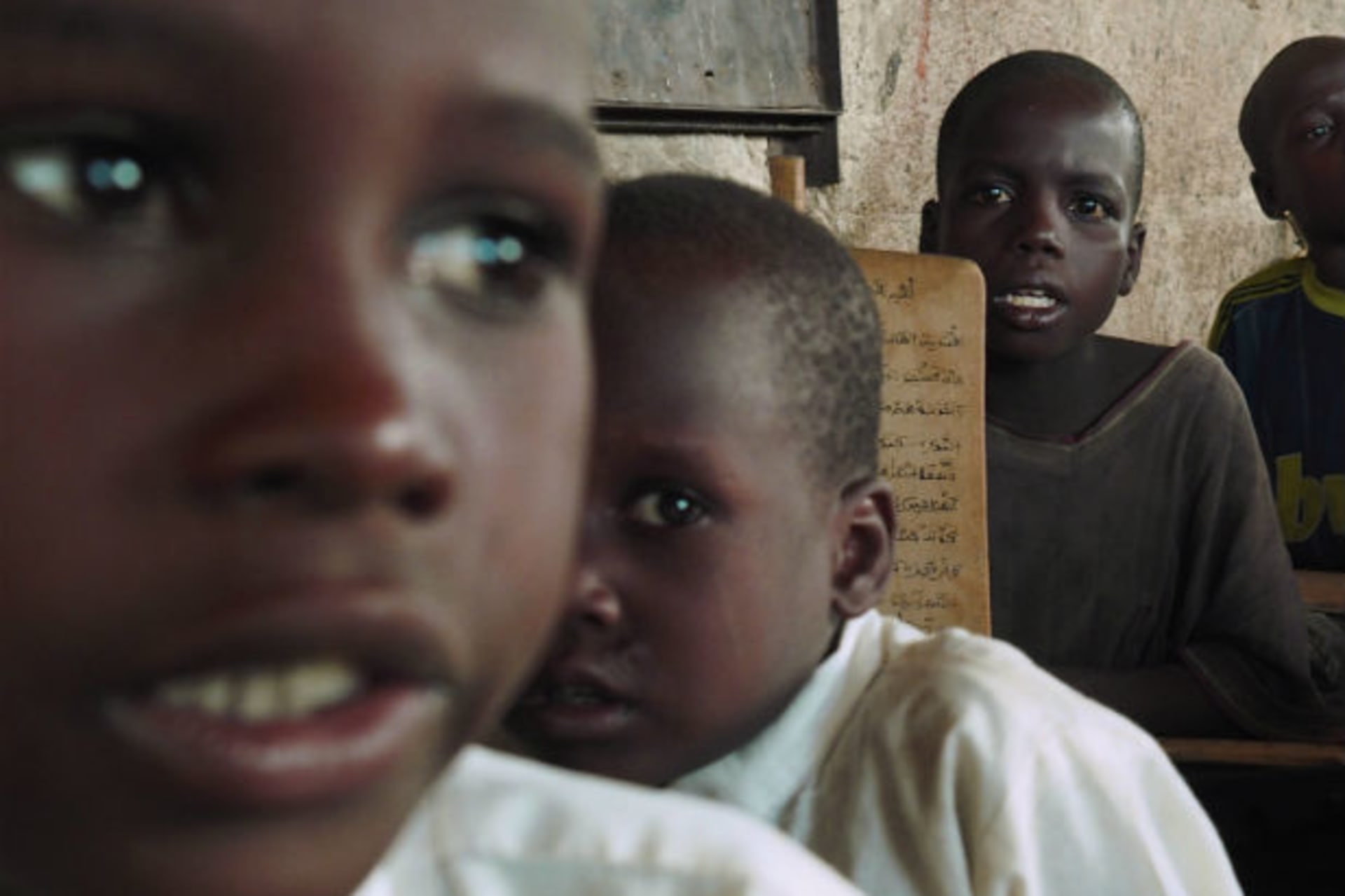
Onuoha shows that the familiar factors of poverty, ignorance, weak family structures, illiteracy, and unemployment all play a role in radicalization of youth. Of particular interest to me, however, is his discussion of the role of itinerant preachers who are outside the mainstream of Islam. They are particularly influential with those who are illiterate and/or poorly instructed about Islam, of which there are a huge number in northern Nigeria. His discussion of the role of children–most often “throw-away kids”—is chilling. But Boko Haram also includes high school dropouts and college graduates. To me, Onuoha’s study lends support to the view that Boko Haram has a strong “grass-roots” quality.
This is a must read.