By experts and staff
- Published
 Michelle GavinCFR ExpertRalph Bunche Senior Fellow for Africa Policy Studies
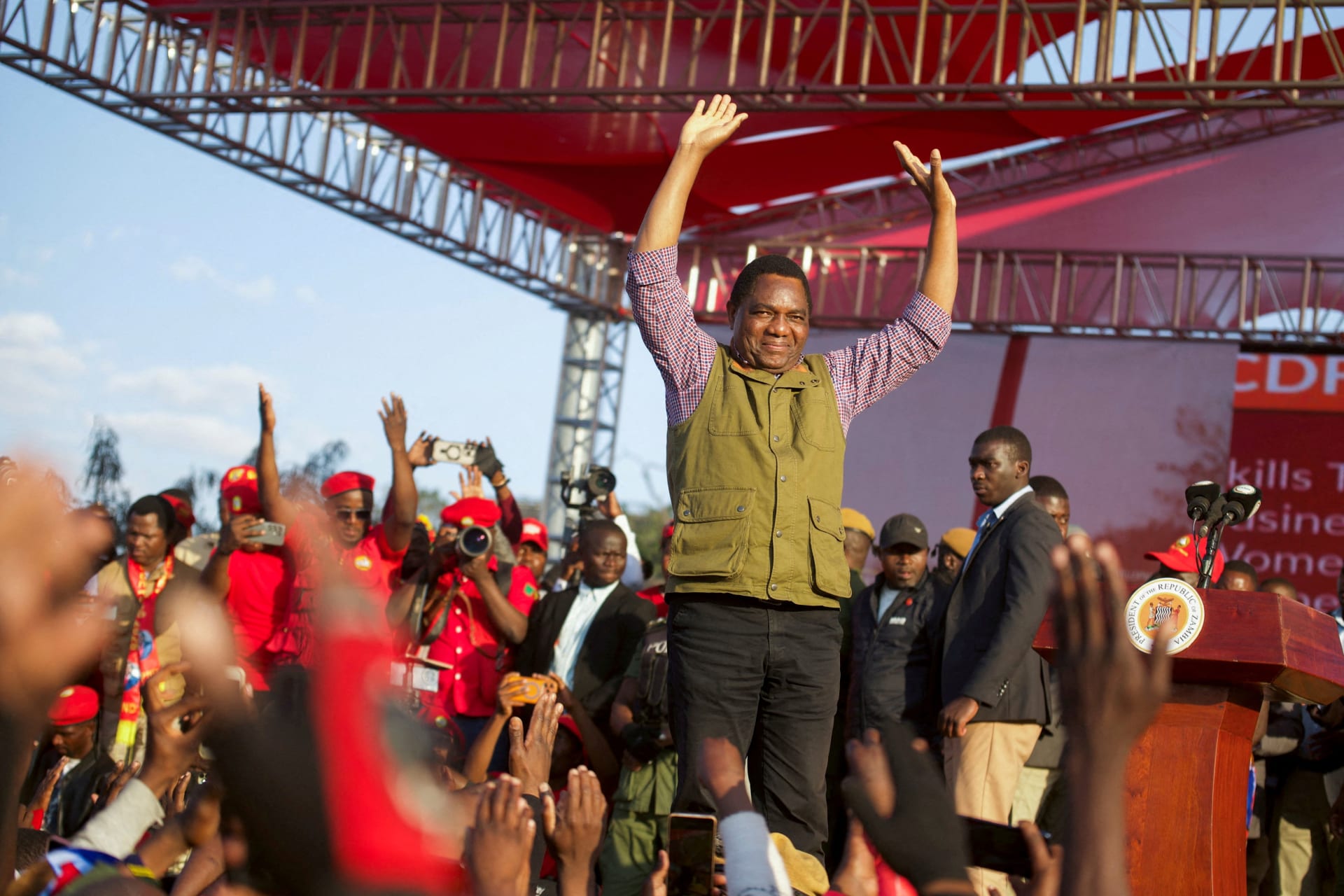
Zambia’s 2026 general elections are unlikely to leave many citizens feeling particularly confident in their democracy. That’s a shame, because in 2021, the commitment of Zambian citizens served as a bright spot in dark times for democracy advocates around the world. With grassroots organizing and impressive youth mobilization, Zambians pushed back on increasing authoritarianism to demand political change in the form of a victory for Hakainde Hichilema and his United Party for National Development (UPND) party. This time around, the presidential election had the same result—Hichilema won a second term—but the exercise sowed more doubt than confidence in democratic governance.
First, Zambians experienced a notably unequal playing field in the months leading up to the polls. Last time around, attacks on opposition rallies, the use of state resources for political campaigning, and a wide disparity in media access were hurdles for the forces of change to overcome. This time, those forces used at least some of the same tactics to stack the deck in their favor. A constitutional amendment expanding the parliament and changing some electoral rules was enacted just months before election day, creating suspicion regarding the motives for the changes.
Then, while election day itself proceeded smoothly and peacefully, the electoral commission provided more fodder for public doubt when it suspended the counting of votes nationwide in response to localized reports of violence and theft of ballot papers. It’s entirely possible that the decision to announce a sweeping suspension was sound, but the rationale was not clearly explained, allowing conspiracies to fill the void. Then, Zambian security forces raided the house of Hichilema’s main opponent; eleven people, including six opposition figures, were arrested for alleged “militia” activity aimed at fomenting an armed insurrection. Again, it is possible that eventual judicial proceedings will show that the Zambian government had good reason to act. But it is not possible to pretend that the shocking allegations and timing of the arrests do not fuel an atmosphere of political paranoia.
A healthy dose of transparency could help to calm the atmosphere. Zambians deserve to know why the vote count was suspended nationwide in response to a relatively small number of incidents, and what evidence led to the dramatic arrests of opposition figures. The whereabouts and status of detained persons should be clarified. And while some claims of electoral manipulation lack evidence and read as sour grapes, other issues cry out for a serious explanation—particularly questions raised by Nic Cheeseman and Nicole Beardsworth, who found implausible numbers of voters in some UPND strongholds had voted for Hichilema but not a member of the national assembly or any of the other offices on the ballot.
Polling has shown that Zambians value their democracy, and that they are consistent in the priorities they want their government to address. Zambians want more economic opportunity, and they want the opportunities that do exist to be distributed fairly, not doled out to cronies or bribe-payers. Reestablishing those values and priorities as the political true north will require an emphasis on transparency and a pivot away from petty or vengeful politics.