Family Planning and Reproductive Health
Why the United States Should Care
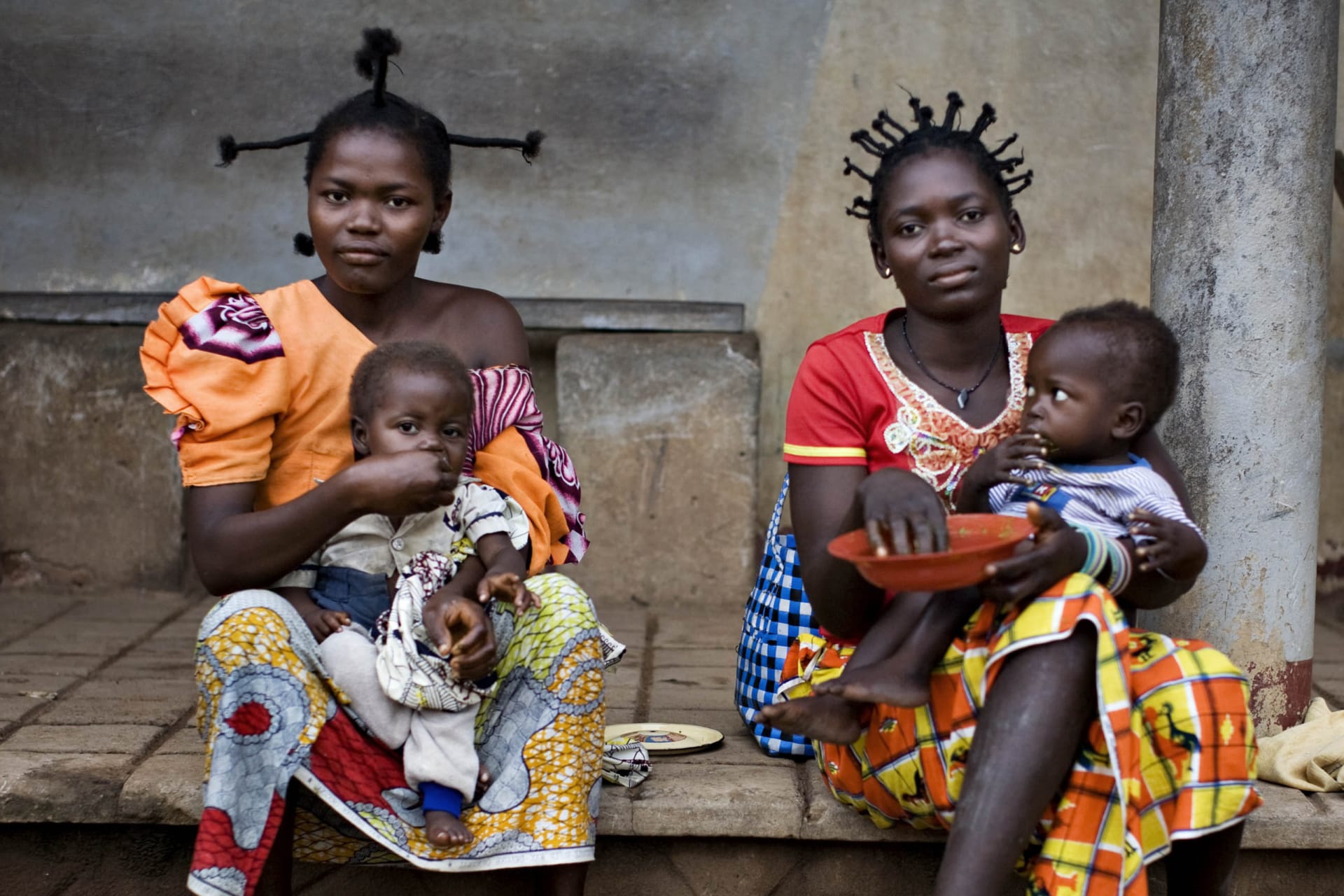
- Koki Agarwal
Overview
Millions of women in developing countries still have more children than they want, and with every pregnancy, a woman faces the risk of death. Continued high fertility is also linked to global concerns about poverty, food security, climate change, conflict, and war. Family planning and reproductive health programs are cost-effective interventions that can reduce high fertility rates and improve not only the health of the individual, but also the welfare of the whole family and ultimately, the larger society. In the era of declining attention to family planning, the United States must assume a greater leadership role in rebuilding political commitment for such services.
In this Working Paper, part of a series from CFR’s Women and Foreign Policy program, Koki Agarwal identifies current trends in family planning, discusses unmet need, analyzes family planning’s role in saving lives, and provides recommendations for why the United States should support investments in family planning worldwide.
 Report
 Report
 Report
 Report
 Report
 Report