Food Failures and Futures
- Laurie GarrettSenior Fellow for Global Health
Overview
The cost of food is soaring, threatening many poor countries with famine.
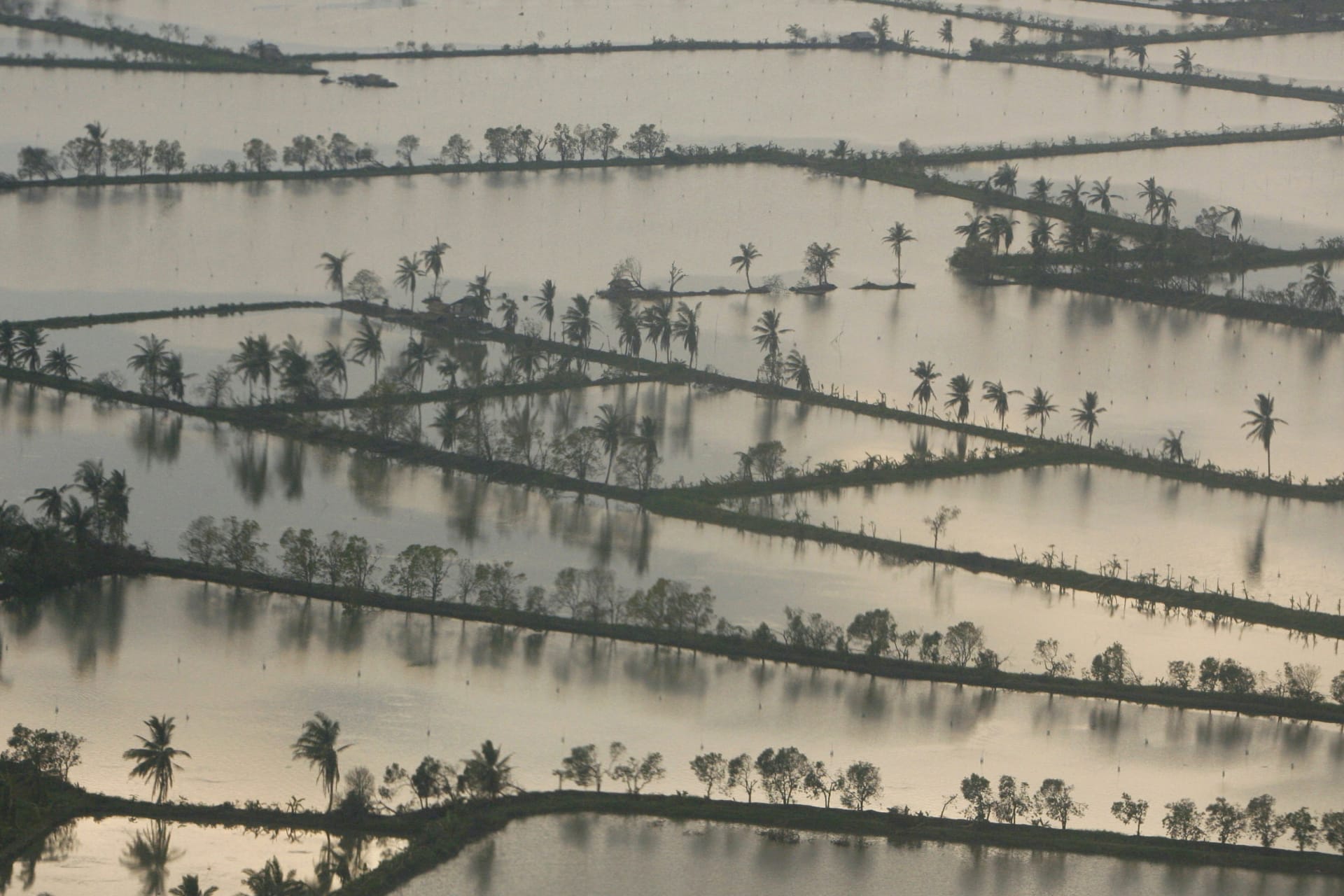
Among the most acute cases is Myanmar, where Cyclone Nargis has rendered an estimated 1.5 million homeless and destroyed vast tracts of agricultural land. Political leaders in the capitals of Europe, Asia, and North America understandably feel the need to take action, moving millions of tons of rice and other foodstuffs into hard-hit areas. But the roots of the global food crisis run deep, and many of the quickest responses could do great harm in the long run. Without appropriately diagnosing the causes of the crisis, well-intentioned treatments could fail or even exacerbate the situation.
In this Center for Geoeconomic Studies Working Paper, Laurie A. Garrett addresses the mistakes in humanitarian food polices and maps out a better way forward.
 Report
 Report
 Report
 Report
 Report
 Report