Maternal Health in Afghanistan
A CFR Working Paper
- Isobel ColemanSenior Fellow and Director of the Civil Society, Markets, and Democracy Initiative; Director of the Women and Foreign Policy Program
- Gayle Tzemach LemmonAdjunct Senior Fellow for Women and Foreign Policy
Overview
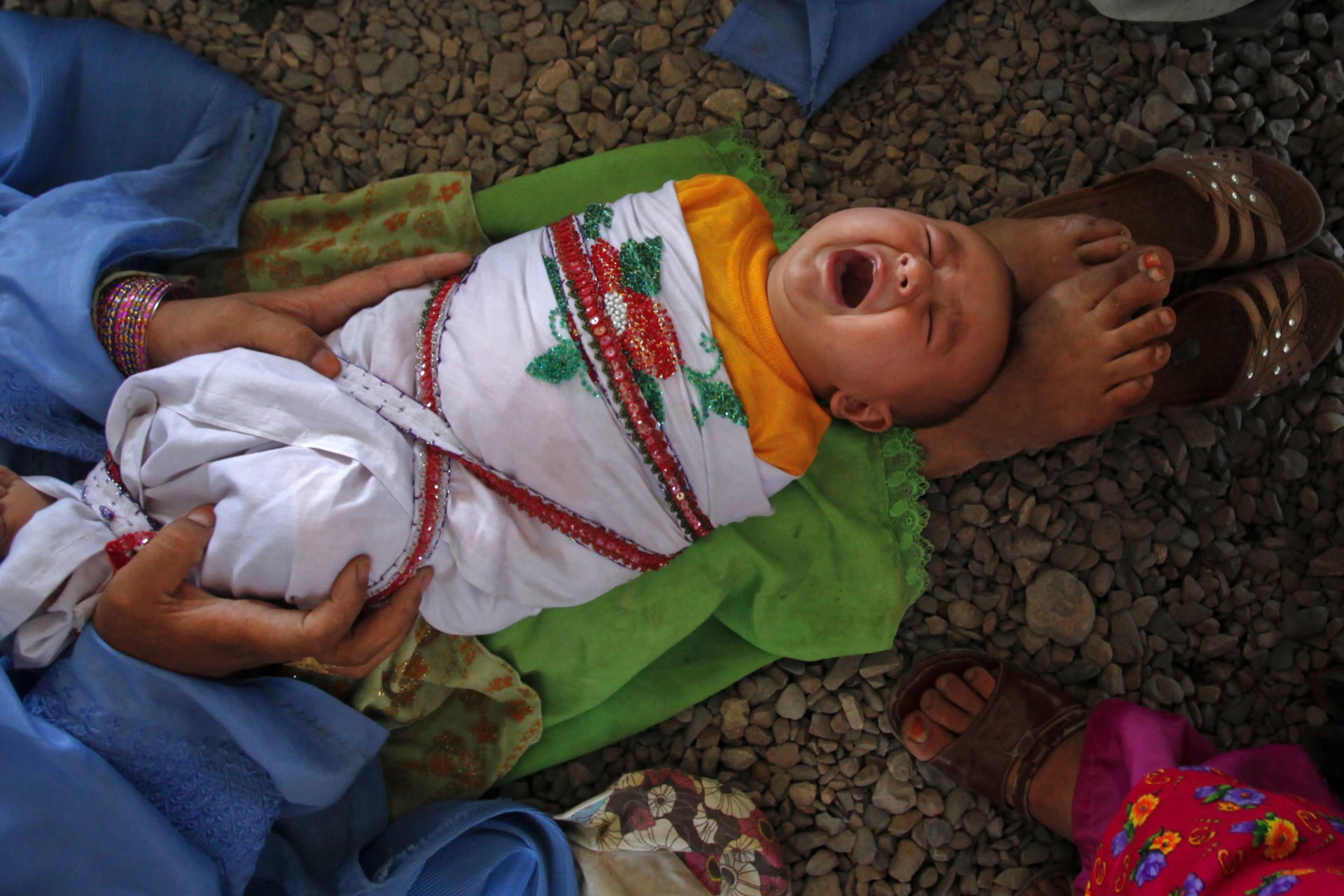
In this Working Paper, Isobel Coleman and Gayle Tzemach Lemmon argue that continued U.S. investment in maternal health should be part of a responsible drawdown in Afghanistan. Through a host of interventions, the United States has already laid the critical building blocks to reduce Afghanistan’s staggering maternal mortality ratio and the potential to further improve maternal health in Afghanistan in a cost-effective manner is considerable. Realizing these gains in coming years will produce myriad benefits, not only for public health, but also for women’s empowerment, economic development, security, and stability. Maternal health investments save lives and are a cost-efficient way to improve the overall health of the country. Because health care is one of the few interactions that Afghan citizens have with their government, improving delivery of health-care services could be a stabilizing factor in a country that will continue to face severe security challenges from antigovernment forces. Maternal health also enjoys broad community support and has the added benefit of empowering women, an important dimension in a society in which biases against women still run strong and a resurgent Taliban threatens women’s gains of recent years.
Study Group Members
Nasratullah Ansari, Jhpiego, an affiliate of Johns Hopkins University
Linda A. Bartlett, Johns Hopkins Bloomberg School of Public Health
Susan Brock, USAID Afghanistan
Denise Byrd, Jhpiego, an affiliate of Johns Hopkins University
Ibrahim Parvanta, CTS Global, Inc., assigned to the CDC
Mary Ellen Stanton, U.S. Agency for International Development
 Report
 Report
 Report
 Report
 Report
 Report