Catching Up with the Middle East

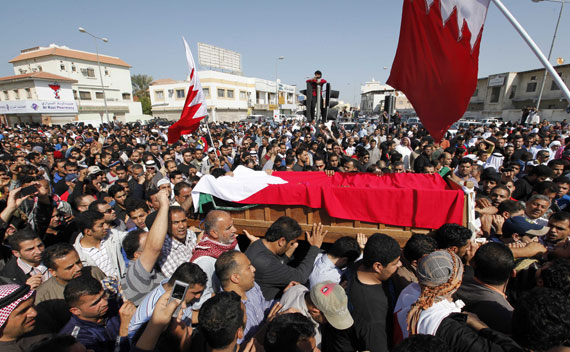
The Middle East has for decades seemed to be in permanent stasis, with little political change despite the statistics showing very young and frustrated populations. It was a commonplace that no regime had been overthrown in decades except by force of American arms and aging rulers could expect to die safely in bed.
Those years are over. Some thoughts about aspects of the current situation follow.
What should the U.S. do now? Just two thoughts for the moment. We should offer Egypt a free trade agreement, for the offer can be presented as a generous response to the advent of democracy and can also serve to push Egypt toward a freer market economy. Under the Mubarak regime this was discussed but the Bush Administration pulled back partly in protest against human rights abuses and partly because we believed Mubarak wasn’t serious about it. We thought he wanted a ceremony but would not sign up to a free market. It’s worth a try now. Second, we should be having serious conversations with rulers in friendly countries -–whether fake republics or monarchies-- about how they see the next few months and years and what reform plans they have. If we find that they have none, we should advise them to wise up fast. It will be hard for us to help them if they won’t help themselves. They might ask Hosni Mubarak or Zine el Abidine ben Ali about that.