China’s Politburo Rocked by Scandal: The Challenge Moving Forward
By experts and staff
- Published
 Elizabeth C. EconomyHoover Institution, Stanford University
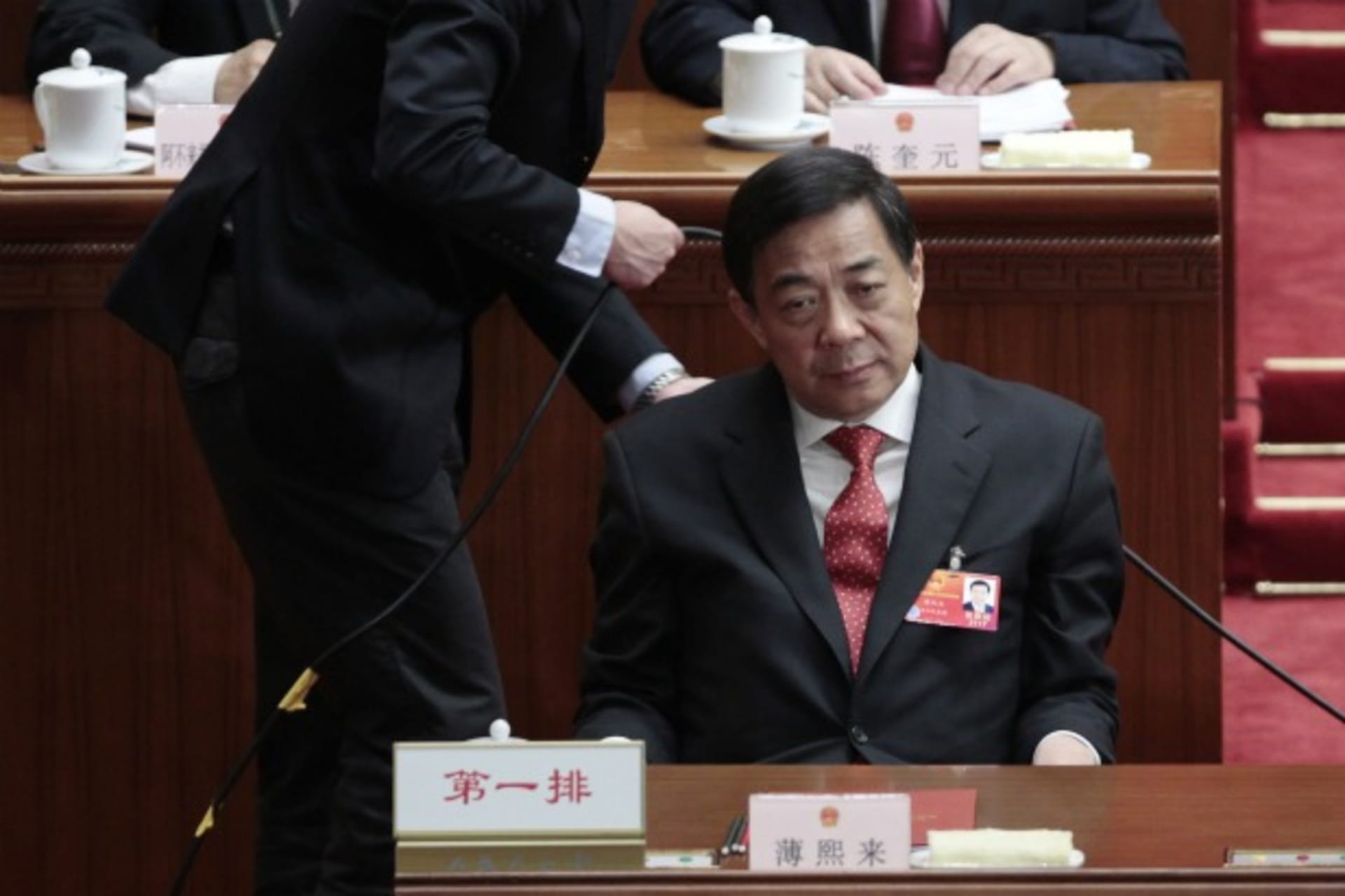
After a month of rumors and speculation, former Chongqing Party Secretary Bo Xilai has been ousted—or more accurately suspended—from all his formal political positions, including as member of the Politburo. Behind the scenes of Bo’s political downfall are apparently numerous issues regarding “violations of Party discipline,” the most dramatic and terrible of which appears to be a link between his wife and the death of British citizen Neil Heywood. The death of Heywood—who had personal and professional ties to Bo’s family—in mid-November 2011, was originally ascribed to natural causes. In the aftermath of Chongqing Vice-Mayor and Police Chief Wang Lijun’s flight to the U.S. consulate in nearby Chengdu, however, it became apparent that there was more to the story, and now Bo’s wife Gu Kailai is being investigated for her potential role in the murder.
While these events are political theater of the highest order, there are a number of larger issues at stake concerning China’s political future:
Global Times editor Hu Xijin and others stress that the Party has “full control” of the situation and the “18th People’s Congress will take place calmly and in an orderly fashion.” That may be. However, unless Wen Jiabao and the other reformers within the Chinese leadership push hard and fast for real political advances, the specter of Bo Xilai and everything he represented—the absolute corruption of one of the Party’s beacons of political rectitude, the uncertainty concerning the future political direction of the country, and the questionable legitimacy of the Chinese leadership writ large—will continue to haunt the next generation of Chinese leaders.