Democracies Are Scrambling to Respond as Transnational Repression Worsens
Authoritarian governments are reaching across borders to silence their critics—and increasingly doing it together. Democracies have started fighting back. They need to move faster.
By experts and staff
- Published
 Joshua KurlantzickCFR ExpertSenior Fellow for Southeast Asia and South Asia
In a world seemingly in chaos, where the rule of law often appears to be breaking down, it is hardly surprising that transnational repression is skyrocketing. The practice—when a government reaches beyond its own borders to silence, harass, harm, or kill critics, dissidents, and members of diaspora communities living abroad—is now documented in 107 countries. In a recent comprehensive report, the monitoring group Freedom House counted 126 new incidents of physical transnational repression in 2025, bringing the total in its database to 1,375 cases since 2014.
Those are only the cases that someone has actually confirmed physical incidents with paper trails. The true number of incidents is likely much higher. China, which has racked up 319 documented incidents since 2014, remains the world’s most prolific practitioner of transnational repression, and it is not close.
Democracies are struggling to respond to the rising tide of transnational repression. They are especially challenged as the Iran war has divided many leading democracies, and as other forms of collaboration between the United States and its partners are floundering.
The full dangerous reality posed by transnational repression runs deep. It includes digital surveillance, family intimidation, passport confiscation, and the grinding psychological pressure on diaspora communities. Indeed, from speaking with targets of these practices in Southeast Asia, Australia, Canada, the United States, and other countries, I would say there are ten times as many cases that go unreported for every one reported. Perhaps even higher. For instance, I hear stories every week of Chinese, Indian, Saudi, and other university students in the United States and United Kingdom who allege that officers from their countries’ embassies have approached and threatened them for posting mildly critical comments on social media.
Autocratic states are using the existing global legal system for transnational repression, and they are actively shaping these systems to work against dissidents, not just exiles. In at least eleven of the cases noted by Freedom House, governments gamed Interpol’s Red Notice system, which issues requests to global police forces for provisional arrests pending extradition, to get foreign police to do their arresting for them. Egypt, Kuwait, and Turkmenistan were among those that bent Interpol’s own rules to make it work, according to the Freedom House report.
China also frequently tries to game this system. Red Notice Monitor notes that “China is increasingly exploiting Interpol Red Notices [to try to get deportations of critics, not criminals] as part of a sophisticated campaign of transnational repression, posing a serious risk to individuals and international law enforcement alike.” Meanwhile, last fall, China and Russia pushed through a UN cybercrime convention filled with vague language—“extremism,” “incitement”—lifted directly from the domestic laws both countries use to criminalize political opposition. The goal, barely concealed, is to embed transnational repression into the architecture of international law itself.
The growing number of incidents, and the embedding of repression in international law, are worrying enough. Then there is the fact that the number of states trying to silence exiles is rising precipitously. At least fifty-four states—more than a quarter of the world—have tried to silence dissidents abroad, up from thirty-eight just a few years ago, according to Freedom House. In 2025 alone, six countries were caught doing it for the first time: Afghanistan, Benin, Georgia, Kenya, Tanzania, and Zimbabwe. Indeed, while transnational repression used to be the preserve of major global and regional powers—China, India, Iran, Russia, Saudi Arabia, Thailand, Turkey—less powerful states, such as Cambodia, Laos, and Vietnam, are engaging in the same practices because it has become easier to pull off.
Coordination among autocrats is making this targeting easier too. In facilitating transnational repression, collaborating autocrats have illustrated a prominent global trend: organized, comprehensive authoritarian collaboration across many economic, geopolitical, and strategic spheres. This is no longer just ad hoc or transactional. A broad group of authoritarian states now shares goals, coordinates methods, and is building institutions that would replace the post–World War II order, creating one in which democracies are weakened and dissidents can be silenced anywhere.
Of the 126 incidents recorded by Freedom House last year, 69 of them happened in just two regions: Southeast Asia and East Africa. While the statistic is a bit inexact given the number of unreported incidents, it is worth noting that multiple governments were actively working together in both cases.
In Southeast Asia, Thailand has become a kind of regional hub, apparently cooperating with Cambodian, Chinese, Lao, and Vietnamese authorities to detain and hand back minorities and dissidents—what Human Rights Watch aptly called a clearinghouse for dissident transfers. In return, those other states apparently allow Thailand to repress or even kill its dissidents in their countries. The ramifications for those on the receiving end of repression have been particularly horrific. In one gruesome example, Thai activists in exile in Laos were found dead in the Mekong River, handcuffed, disemboweled, and with concrete poured inside their bodies.
The reach of the Thai authorities may go beyond Southeast Asia, too. A close friend and regular collaborator of mine, Pavin Chachavalpongpun, a strong critic of the Thai monarchy and the repressive lèse-majesté laws that protect it, moved to Japan and became a professor at Kyoto University. Japan is one of the safest countries in the world, yet in July 2019 a man in a mask broke into his Kyoto apartment in the middle of the night and sprayed chemical substances on him and his partner, which Pavin told me burned all over his body.
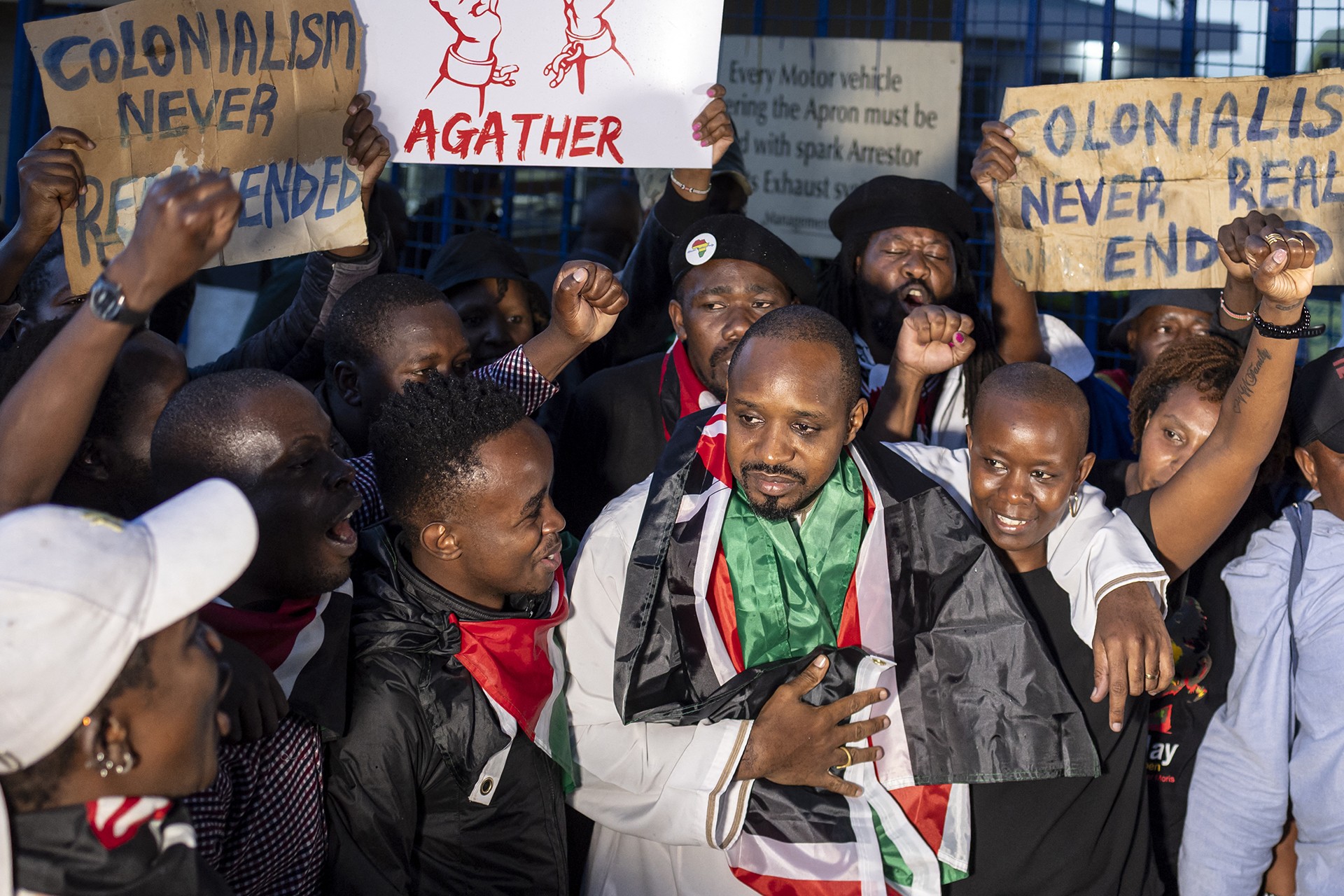
In East Africa, Kenya, Uganda, and Tanzania have developed something that looks a lot like a mutual transnational repression arrangement as well. Kenya’s abduction of Ugandan opposition leader Kizza Besigye from its own soil in late 2024—an operation Kenya’s foreign affairs minister eventually admitted to—illustrated how far the arrangement now extends.
Democracies are doing more to battle transnational repression than they were two or three years ago, even if progress is uneven. In June 2025, the Group of Seven (G7) issued its first formal statement on these operations—calling it a threat to human rights and national security—and went beyond the statement by releasing a practical Compendium of Counter-TNR Tools, a handbook laying out actual legislative, law enforcement, and diplomatic steps. Last fall, the European Parliament passed a resolution demanding European Union-wide sanctions, coordinated data collection, and incorporation of the issue into the bloc’s external relations. These actions add up.
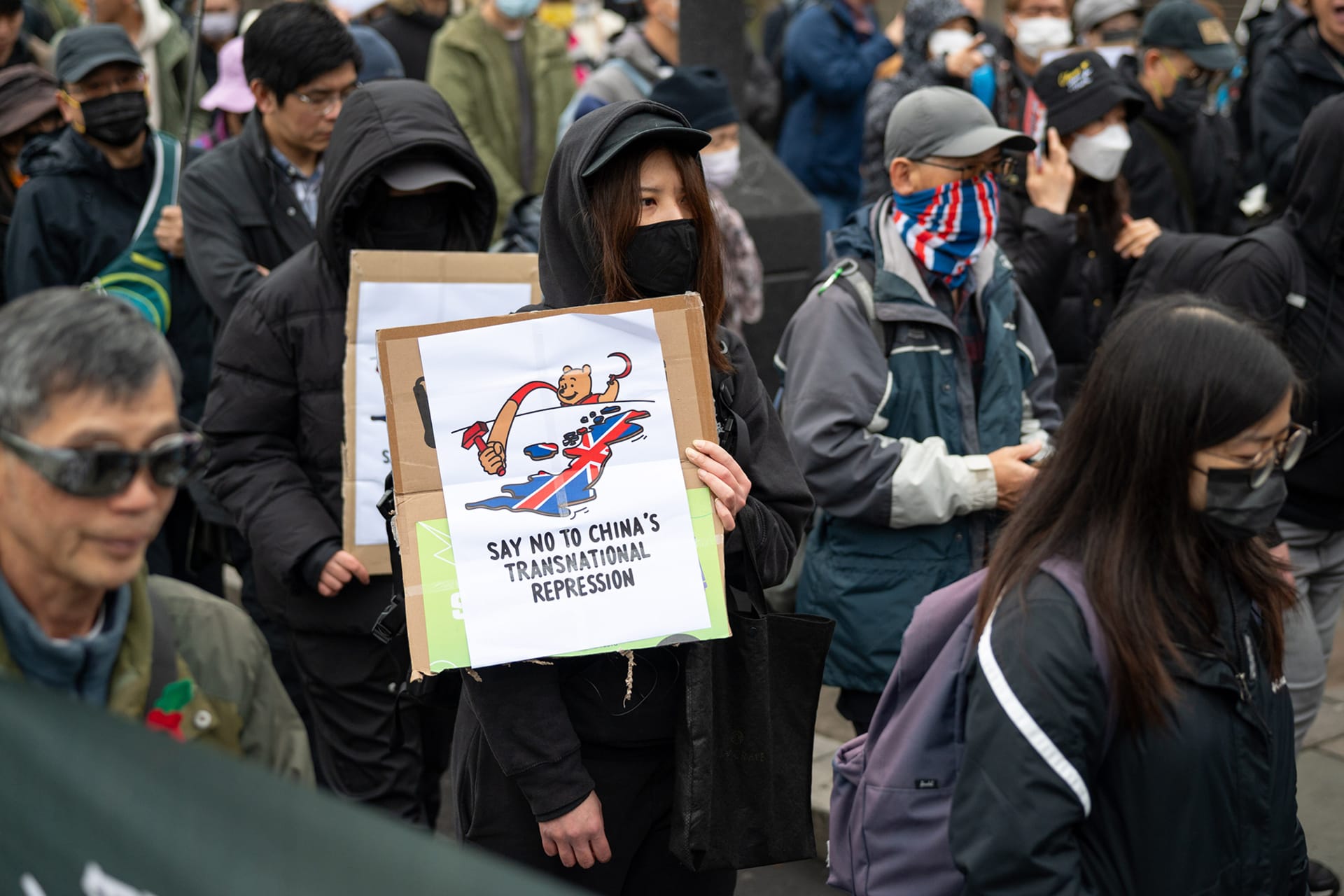
Individual governments are also taking action, and some of what happened in early May 2026 offered a rare moment of genuine democratic resolve. As Policy Director of Hong Kong Watch Megan Khoo noted in The Diplomat, on a single day—May 7—three democracies delivered significant blows against Chinese transnational repression. In London, Peter Wai, an official at the Hong Kong Economic and Trade Office, and Bill Yuen, a British immigration officer, were convicted under the United Kingdom’s National Security Act for their roles in a state-directed surveillance and intimidation operation targeting Hong Kong dissidents living in the United Kingdom (UK). Meanwhile, in New York, the trial of alleged Chinese foreign agent Lu Jianwang has continued. Lu is charged with managing a Chinese “police station” in Manhattan’s Chinatown, one of more than fifty such stations in North America, the UK, and Europe that are really ways for the Chinese government to surveil people in other countries. And in Norway, authorities arrested a Chinese national suspected of gathering intelligence near Andøya Spaceport, a facility central to Europe’s satellite infrastructure.
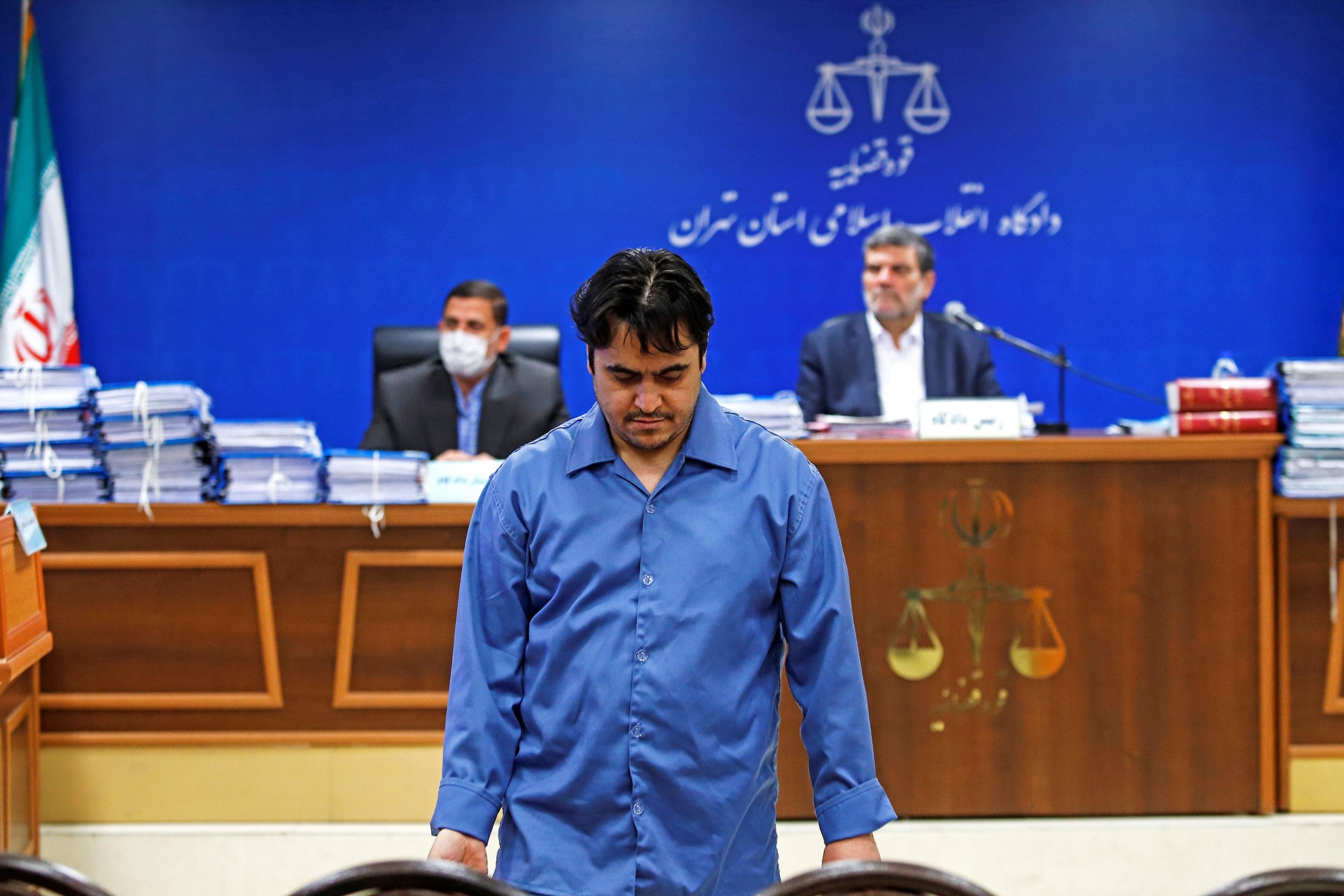
Other national-level actions have followed. When Hong Kong, now stripped of any pretense of autonomy, issued international arrest warrants and bounties against nineteen pro-democracy activists in July 2025, all G7 members plus Australia, the Netherlands, New Zealand, and Sweden responded with a joint condemnation within weeks. Canada has amended its Criminal Code to create offenses specifically targeting transnational repression. Germany’s new government included countering transnational repression in its governing coalition agreement—a first. Courts are producing results too: American prosecutors won twenty-five-year sentences for two Russian organized crime figures who ran a murder-for-hire operation against an Iranian journalist on Tehran’s behalf.
But the democratic response is still not coordinated enough, and it has too many loopholes. The United States is a leading figure in the fight against transnational repression. And yet, the White House has deported Russian dissidents and Iranian asylum seekers, in some cases after allowing Iranian consular officials into U.S. Immigration and Customs Enforcement (ICE) facilities to pressure detainees to agree to return. The UK, which has a parliamentary inquiry, a dedicated police task force, and training programs on exactly this issue, still saw Pakistani dissidents assaulted outside their homes in late 2025. Democracies often still protect only the most high-profile dissidents. The much larger number of diaspora members facing everyday surveillance, harassment, and intimidation have very few places to turn.
Getting serious about battling transnational repression means democracies have to start building collaborative responses. The most valuable thing they could create is a permanent multilateral mechanism—the G7 has already called for one—for sharing real-time intelligence on transnational repression networks, maintaining joint watchlists of known operatives, and coordinating diplomatic expulsions when state-backed harassment rings surface. They also could create a mutual legal assistance framework for transnational repression prosecutions—allowing evidence from one country’s investigation to be used in another’s courts.
Democracies also need to protect their immigration and asylum systems from helping autocrats’ transnational repression efforts. Asylum systems, which are increasingly shutting their doors to nearly all applicants across democracies (U.S. asylum grant rates fell to just 19 percent by August 2025, and Japan’s refugee acceptance rate dropped to 1.5 percent in 2024) are often just handing exiled dissidents back to the governments they fled. Even in a world where obtaining asylum is getting much harder, authorities in democracies could screen asylum cases explicitly for transnational repression risk, and avoid deporting anyone when there is credible evidence the receiving government could pose a danger to the individual.
The authoritarian coalition pursuing exiles across borders is not making it up as it goes. It has a strategy, it has resources, and it is getting more effective. The democratic response needs to be built to match.
This work represents the views and opinions solely of the author. The Council on Foreign Relations is an independent, nonpartisan membership organization, think tank, and publisher, and takes no institutional positions on matters of policy. The author consults for Freedom House on its annual Freedom in the World report but does not consult on its reports on transnational repression.