Global Summits to Watch in 2014
Global Memo by Author: Stewart M. Patrick, Senior Fellow and Director of the International Institutions and Global Governance Program, Council on Foreign Relations
By experts and staff
- Published
Global attention in 2014 will at times focus less on high politics than on high sport. All eyes will be on the Sochi Winter Olympics (February 7-23) and Brazil’s World Cup (June 12-July 13).
But beyond watching triple Salchows and bouncing brazucas, the world has a lot on its plate. Here’s a preview of the multilateral calendar for the coming year:
- World Conference of Indigenous Peoples (New York, September 22-24): On the sidelines of the Sixty-NinthGeneral Assembly, the United Nations will host a high-level plenary meeting to discuss the plight of indigenous peoples. This is the sort of UN gathering that elicits yawns from hard-boiled realists. But it is an issue of fundamental human rights that have repeatedly been trampled through dispossession of traditional lands, expropriation and denial of access to natural resources, and forced assimilation into alien societies. The UN Declaration of the Rights of Indigenous Peoples, adopted by majority vote in March 2008 as a nonbinding UNGA resolution, acknowledges the inherent right of indigenous peoples to political “self-determination,” cultural “autonomy,” non-discriminatory treatment, and access to official mechanisms to redress past and continuing wrongs. It is, to be sure, a flawed document, lacking even a cursory definition of “indigenous people,” and the administration of George W. Bush refused to sign it. President Obama reversed course in late December 2010, despite conservative fears that it would expose the United States to unending lawsuits. As a signatory, the United States has a chance to focus the WCIP on tangible steps that national governments can take, rather than a mere recitation of historic grievances.
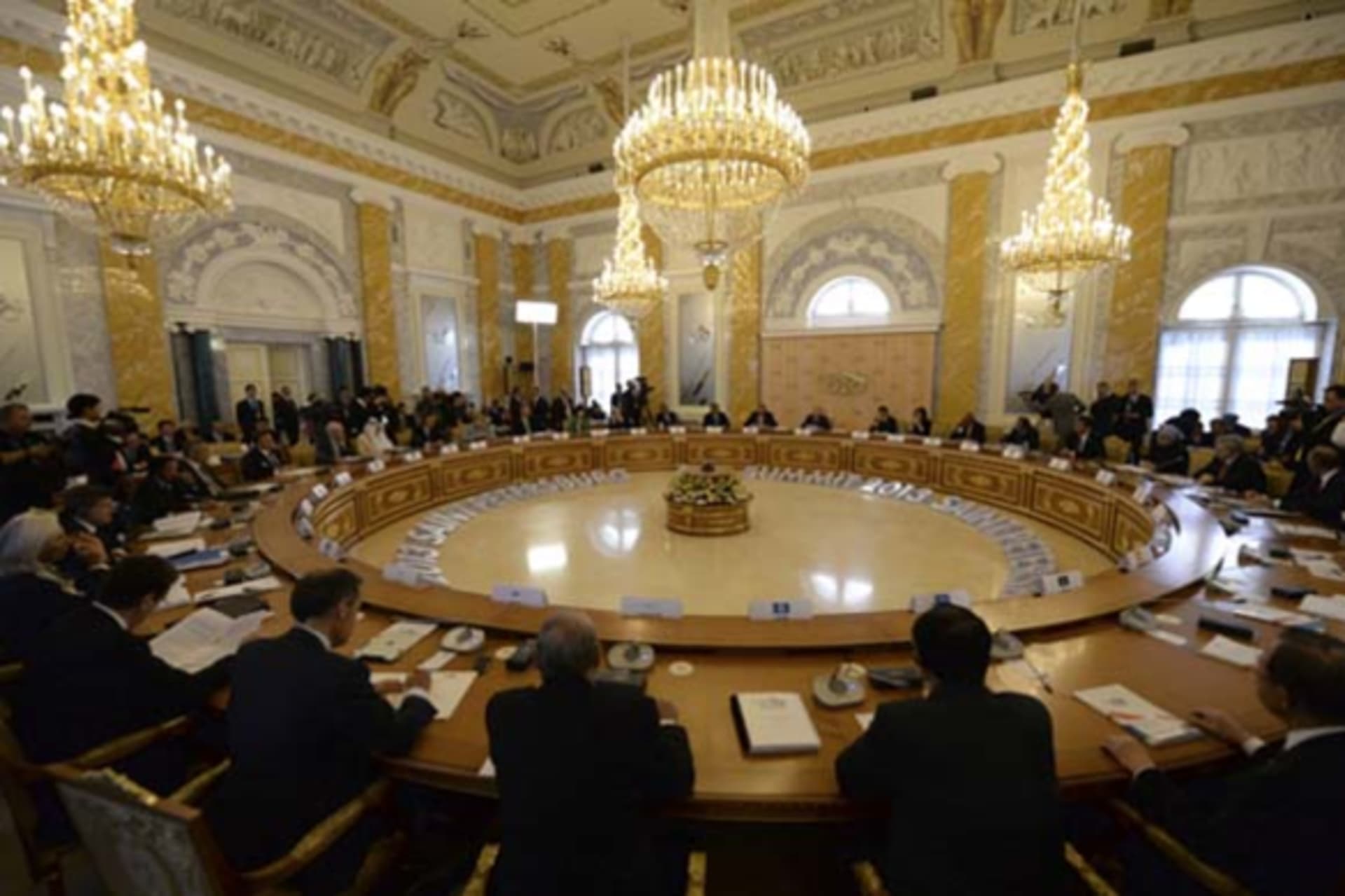
- The Group of Twenty Summit (Brisbane, November 15-16): Five years after it set sail in Washington, the G20 is adrift in the doldrums. Last September’s sprawling, unfocused summit in St. Petersburg was disappointing for an institution that not long ago saved the world from depression. The assembled leaders issued a bland, 27-page communiqué (backed by a 200-page annex) devoid of action items. Australia, which assumed the chair of the rudderless G20 on December 1, can revive the institution by focusing on five priorities: correcting chronic global imbalances; adding teeth to the G20’s Mutual Assessment Process, which evaluates negative spillovers into the global economy of countries’ national policy choices; lobbying the U.S. Congress to pass legislation implementing agreed IMF governance reforms; pressing the G20 to adopt a positive global trade agenda; and, not least, sponsoring a G20 Foreign Ministers’ forum to run parallel to meetings of G20 finance ministers.
- UN Climate Change Conference (Lima, December 1-12): The last major gathering on the 2014 global calendar will be a doozy—the twentieth conference of parties (COP-20) of the UN Framework Convention on Climate Change (UNFCCC). Last month in Warsaw, at COP-19, long-simmering disputes between developed and developing countries erupted yet again, nearly derailing agreement on a timeline for negotiating a “binding” successor treaty to the Kyoto Protocol, slated to be ratified at COP-21 in Paris in late 2015. The Lima conference will address a number of contentious issues that negotiators failed to tackle in Warsaw. These include firm schedules for implementing country pledges for domestic action; ensuring stable funding for and enforcement of the REDD+ program, which fights deforestation; and responding to pressure for assistance to poor countries that suffer “climate-linked losses” (such as November’s Typhoon Haiyan that hit the Philippines). The high-temperature Lima gathering offers a last-ditch opportunity for a breakthrough before the 2015 deadline.