Nvidia, Chinese Espionage, and the AI Race: Four Foreign Policy Issues to Watch
Reports that a suspected Chinese intelligence asset targeted Nvidia’s Jensen Huang raise questions about AI chip export enforcement, spying on U.S. companies, the U.S. relationship with China, and the stability of the AI boom.
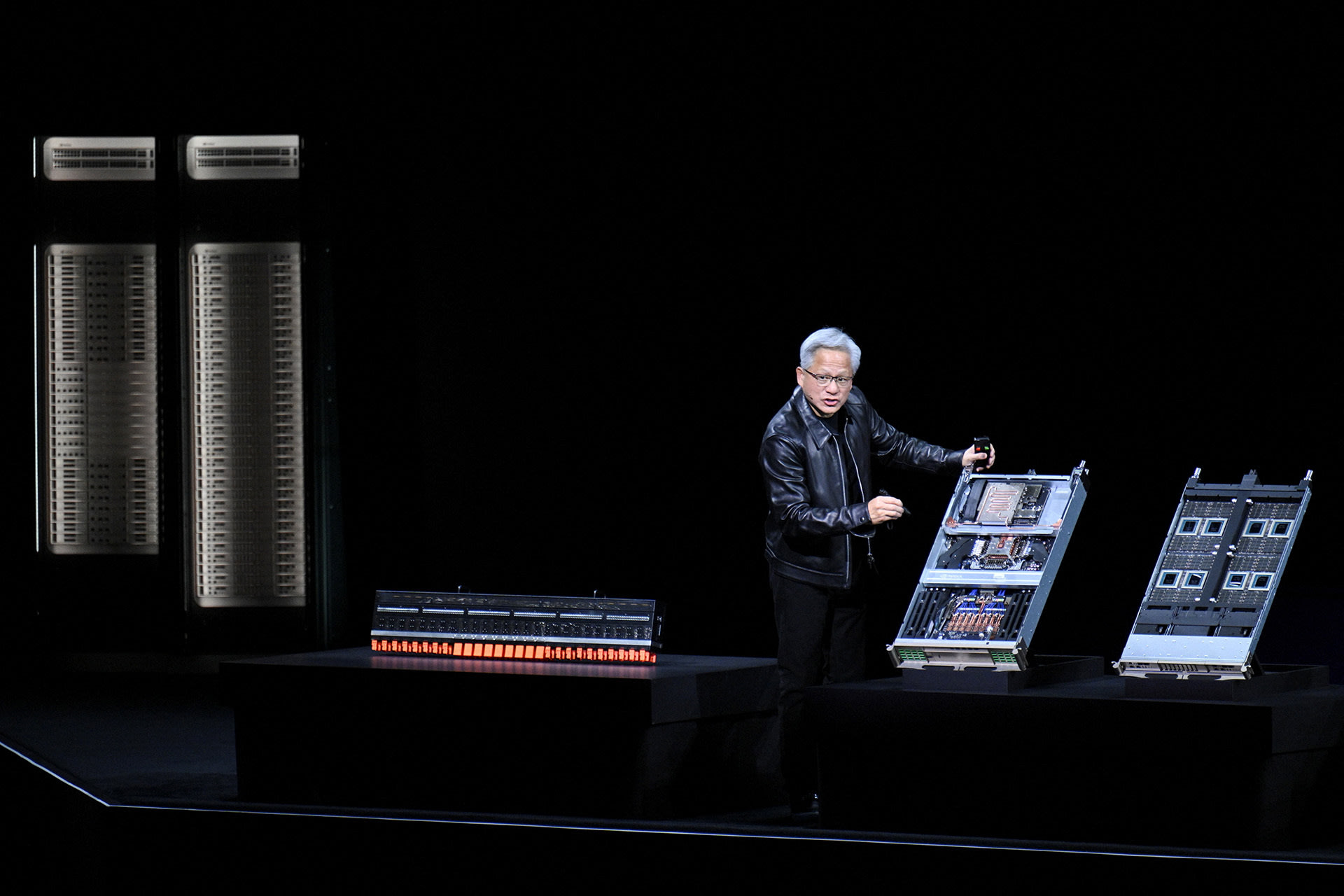
The U.S. chipmaking firm Nvidia, one of the most valuable companies in the world, announced on Sunday that it had launched an investigation into allegations that a Chinese espionage operation had targeted Jensen Huang, the company’s chief executive.
Multiple media outlets have reported that Jensen Huang had a relationship with a woman named Alice Huang (no relation), who allegedly gathered intelligence for Beijing while serving as an executive at the Singapore-based data center company Megaspeed. In a message to Nvidia employees, Jensen Huang admitted to having an affair, and he said he supported and would cooperate with the board’s probe into national security concerns raised by recent news reports. “I love our country and our company,” he wrote. “I am committed to protecting NVIDIA and supporting America’s national security.”
The Nvidia board said it had “no reason to believe” that national security or company secrets had been compromised, and it said it had “confidence in Jensen and his leadership team.” The Chinese foreign ministry called the reporting “groundless speculation.”
However, the Republican chairs of three House committees have asked Jensen Huang for a closed-door briefing on November 18, and there are growing bipartisan calls for a congressional probe.
Moreover, the episode raises significant foreign policy issues: the enforcement gaps in chip export controls, foreign intelligence targeting of U.S. businesses, the status of the U.S.-China relationship, and the artificial intelligence (AI) market’s effect on the broader U.S. economy.
Export controls and the Megaspeed question
U.S. experts believe that the United States has an edge in the AI race against China. To maintain that lead, the U.S. government has barred Nvidia from selling its most cutting-edge AI chips to China since 2022. Still, critics have noted that there have been gaps in enforcing that ban. Nvidia chips can be legally sold to non-Chinese customers in other countries, such as Malaysia or Singapore, and then illicitly resold or reexported to China. And Chinese companies can legally access the most advanced AI chips by renting remote access to them while they are hosted in a data center outside China, rather than buying them.
Last year, President Donald Trump allowed Nvidia to sell H20 chips to China in exchange for a cut of the revenue, a deal later extended to Nvidia’s H200 chips. However, the White House has barred the sale of Nvidia’s most advanced artificial intelligence chips—specifically its flagship Blackwell series—to China.
Jensen Huang has pushed the Trump administration to loosen U.S. export controls to China. He has said that the controls have backfired, causing Chinese companies to invest more heavily in their own AI development and blocking Nvidia from accessing the second-largest computer market in the world. The Nvidia executive has also argued that capping chip sales runs counter to the goal of having the rest of the world build on U.S. technology.
[Video: https://youtube.com/shorts/AuwKGWTWIUw?si=UAoWb_6gJ6k9Fluc]
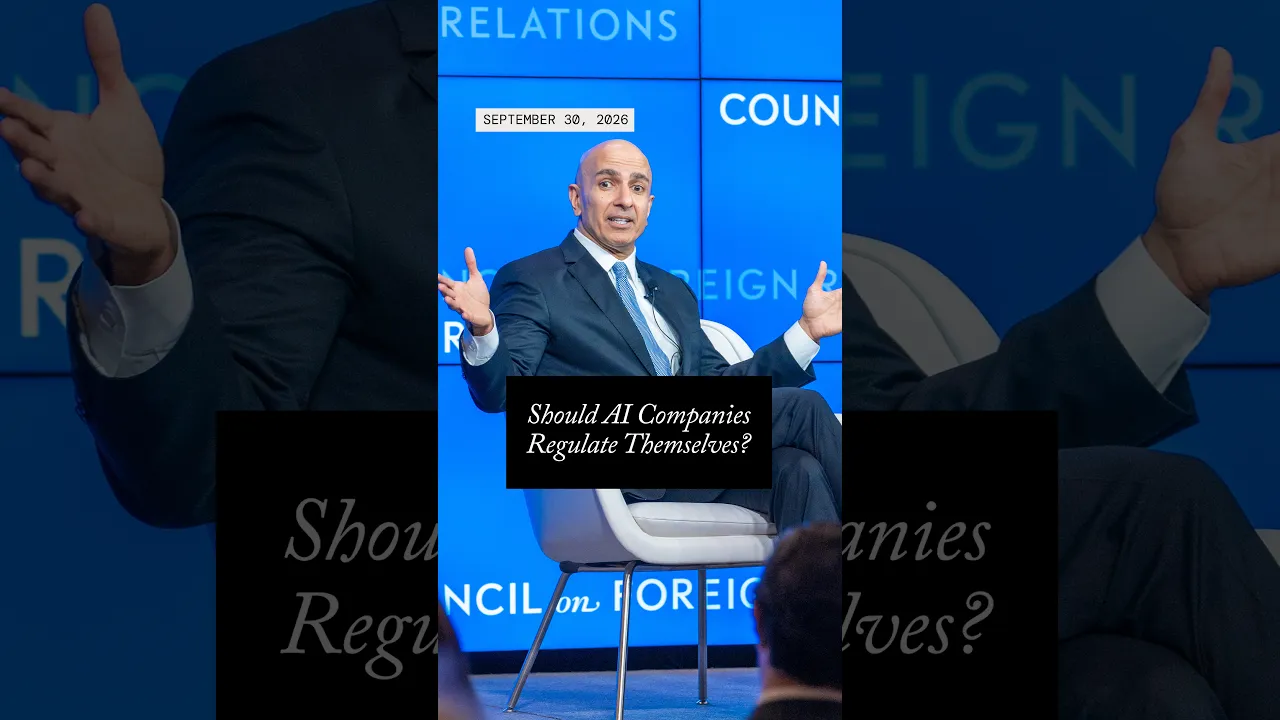
CFR Senior Fellow Chris McGuire, who served in the Trump and Biden administrations, said that policy changes that prevent the exploitation of export loopholes should be a priority for the administration. Southeast Asia, he noted, has become “a major hub for chip smuggling and export control circumvention, as it imports tens of billions of dollars of AI chips per year and the U.S. government currently has zero visibility into these sales.”
“Existing regulations would require nontrusted companies in Southeast Asia and other countries to apply for a license before ordering large numbers of AI chips, but the Department of Commerce is refusing to enforce them,” McGuire said. “It should enforce these regulations and also impose new controls that ban Chinese companies from renting remote access to the AI chips that they are currently prohibited from purchasing.”
The New York Times reported on Monday that the Department of Justice has taken over a probe started by the Department of Commerce into whether Megaspeed helped Chinese companies sidestep the U.S. government restrictions. The Singapore firm, which was originally spun out of a Chinese company, reportedly has bought more than $4.8 billion worth of Nvidia chips since June 2024. Reports indicate that Nvidia continued selling its products to Megaspeed after the inquiry was first reported—which McGuire called “a failure on multiple levels.”
“The Department of Commerce has effectively outsourced export control enforcement to the private sector, which is favoring short-term business interests over long-term U.S. national security,” McGuire said. “If the Department of Commerce is not willing to cut off organizations that are known to be working with Chinese intelligence services from the most advanced chips, it’s not clear why it is bothering to administer any export controls at all.”
Foreign intelligence targeting of U.S. businesses
China, the United States’ main rival in the AI race, has long been the most active foreign spy threat to U.S. companies, according to a report by the Center for Strategic and International Studies. The analysis counted 224 publicly reported instances of Chinese espionage against the United States between 2000 and 2023, with more than half aimed at U.S. commercial technology.
It is unknown whether former Megaspeed executive Alice Huang obtained any critical information from Jensen Huang or whether she shared any information about him with China, and the reports that she worked for Beijing have not been publicly confirmed. However, CFR Senior Fellow Jessica Brandt, who previously served as the director of the Foreign Malign Influence Center at the Office of the Director of National Intelligence, said the Chinese government would consider Nvidia an attractive target “for a number of reasons.”
“Information about how Nvidia designs its China-specific chips could be helpful for evading export controls,” she said. “Information about its conversations with policymakers could be helpful for anticipating where those controls and other policies are headed. Understanding where it disagrees with government could expose fault lines to exploit. And that’s before we get into anything touching R&D.”
Brandt also pointed to reporting that Jensen Huang had not received a defensive briefing from U.S. agencies to alert him that he was a potential target of foreign spying, though she noted that it is possible U.S. intelligence agencies were concerned that the briefing could tip off Beijing.
“Foreign intelligence services routinely target American tech executives, researchers, and firms using a mix of tactics—front companies, proxy investments, cyber operations, and as in this case, direct human approaches,” Brandt said. “Defensive briefings are a critical tool for undercutting their effectiveness.”
U.S.-China relations and the AI race
As investigations into this incident continue, Trump is expected to meet with Chinese President Xi Jinping at the Asia-Pacific Economic Cooperation summit in Shenzhen next week. It will be the two men’s fourth meeting since Trump returned to office. The two leaders met in Busan, South Korea, in October 2025, Beijing in May, and Washington in September. Jensen Huang accompanied Trump on the state visit to Beijing.
AI is a central contest between the two countries, putting companies like Nvidia in the middle. Despite this rivalry, the United States and China have maintained an uneasy truce over the past year after tensions spiked over the Trump administration’s tariff policy, which led to economic reprisals from China. After the Busan meeting, the United States cut some tariffs on China in exchange for steps on rare earths and fentanyl. The Washington meeting extended that truce to January, but it led to no other major breakthroughs.
Rush Doshi, the director of the China Strategy Initiative at CFR, said that the spying allegations—which he called “possibly one of the most important China stories in many years”—add a new dimension to the U.S.-China relationship.
“As President Trump gets ready to meet President Xi in Shenzhen, the question is what Beijing will take away from the U.S. response to this scandal,” Doshi said. “It is unlikely that these issues, which are embarrassing to both sides, will be raised at the summit itself. But they, together with slow erosion of the Busan agreement . . . may put a ceiling on what if anything can be accomplished and reduce President Trump’s maneuver room.” Nevertheless, it remains to be seen whether this episode will change the administration’s approach toward China or Nvidia, he said.
“Beijing has long understood that one of the best ways to shape American China policy is through businesses with a stake in the China market,” Doshi said. “If [Jensen] Huang joins Trump in Shenzhen next week, as President Trump suggested he might, Beijing will read it as a sign that this approach works just fine, and a Chinese intelligence operation against America’s most important AI company is simply business as usual.”
The AI market’s effect on the U.S. economy
Nvidia, valued at more than $4 trillion, makes the chips that underpin the large language models and data centers that have become pillars of U.S. economic growth. CFR Senior Fellow Rebecca Patterson said that Nvidia “is central to America’s AI efforts, both in terms of its size and weight in major equity indices, as well as its status as the so-called central bank for the AI ecosystem.”
For now, investors appear to see the risks from the incident as specific to Nvidia. The S&P 500 and the tech-focused Nasdaq each rose more than 2 percent on Monday, even as Nvidia’s shares closed down more than 4 percent following the disclosure of the affair and alleged spying. The stock extended its losses on Tuesday, falling more than 3 percent in morning trading.
[Video: https://www.youtube.com/watch?v=k4szbxPyre0&list=PL4THPMjF2nCJThWvLnZkNd4Bcz7BJ5AH1&index=11]

Could the AI Debt Problem Create the Next Financial Crisis? | The Spillover Podcast
“The potential spillovers from questions about [Nvidia’s] leadership are substantial,” Patterson said. Jensen Huang cofounded Nvidia in 1993, is its largest individual shareholder, and has become one of the most recognizable figures in the AI boom.
This episode “should underscore the importance of structuring and oversight for government intervention in private markets,” Patterson said. She asked what responsibility Washington has for “key man risk” and potential conflicts of interest given its revenue share from Nvidia’s China sales, whether “systemically important AI firms, like the largest banks,” should face different guardrails, and which entity should be responsible for their oversight.
“While the timing, at the cusp of a congressional transition and with two U.S.-China leadership meetings on tap, is not ideal, it’s also an opportunity to improve AI governance and public-private efforts that shouldn’t be wasted,” Patterson said. “Getting it wrong, with companies this large and critical for the broader economy, is too big a risk.”
This work represents the views solely of the author(s). The Council on Foreign Relations is an independent, nonpartisan membership organization, think tank, and publisher, and takes no institutional positions on matters of policy.