Robert M. La Follette and the “Willful Men” Who Defied Woodrow Wilson on the Eve of World War I
A Senate filibuster on the eve of World War I alienated a president, prompted a senator to bring a gun to the Senate floor, and led the Senate to change its rules to limit the filibuster.
By experts and staff
- Published
 James M. LindsayCFR ExpertMary and David Boies Distinguished Senior Fellow in U.S. Foreign Policy
Would you be willing to defy public opinion, your colleagues, and the president of the United States to be true to your beliefs? Would you stand strong even if you feared for your life?
The “little group of willful men” who defied their fellow senators and President Woodrow Wilson on the eve of World War I to kill a bill authorizing the arming of U.S. merchant ships did just that. Their bid to obstruct the majority so inflamed tempers that one senator brought a gun to the Senate floor for his personal protection, only to have his son, a future senator, take it away. The dissidents’ beleaguered stand succeeded in scuttling the armed ship bill but failed in its broader aim of keeping the United States out of World War I. The one legacy of the fight was the Senate’s decision to revise its rules to create a way for senators to end a filibuster.
Wilson Proposes Arming U.S. Merchant Vessels
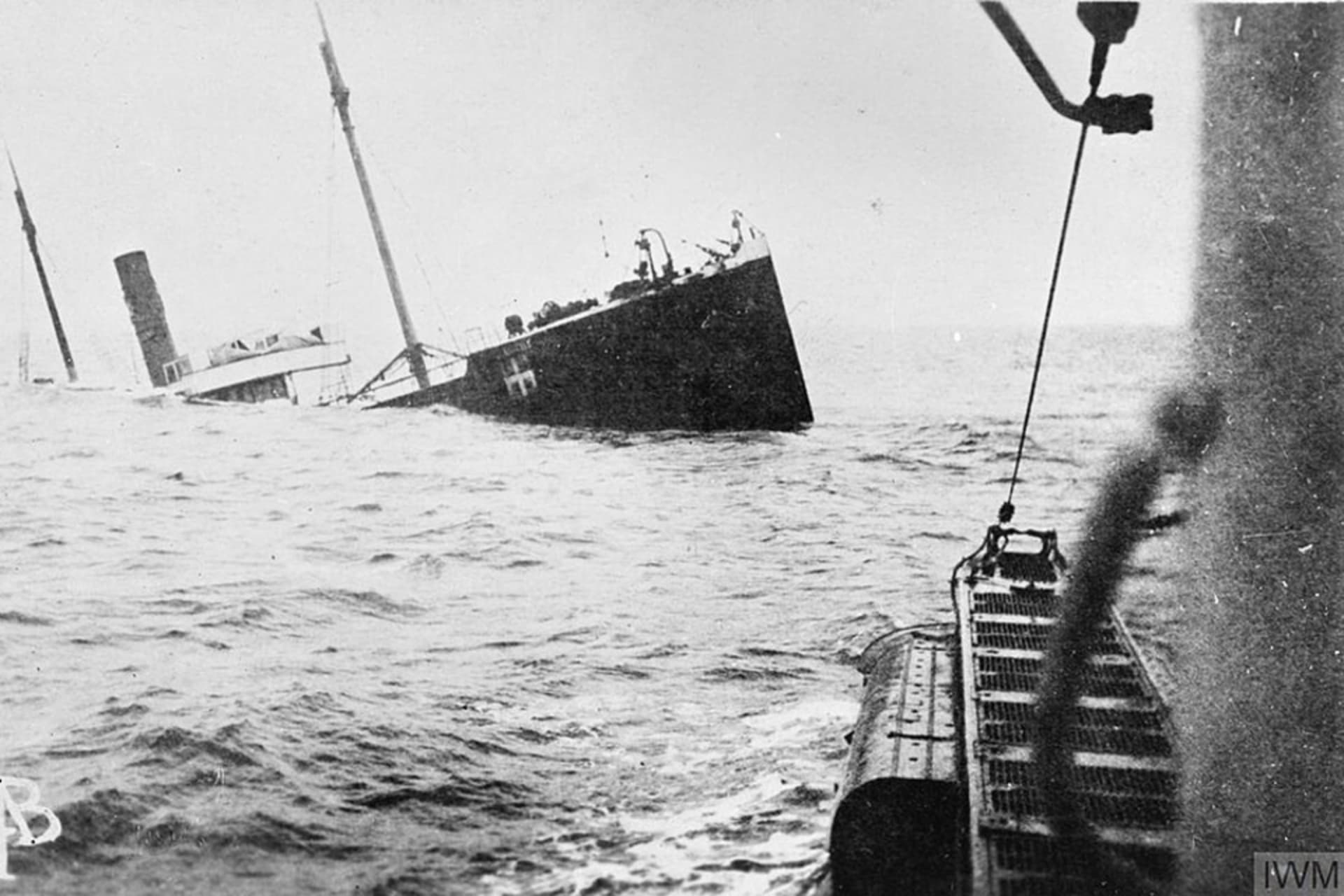
Wilson was a late convert to the idea that the United States should arm its merchant vessels against German submarine attacks. He had declared the United States neutral when the war began in August 1914. He clung to that view as German attacks on U.S. merchant ships mounted and sentiment grew in Congress and in his own cabinet that it was a mistake to leave them unprotected. Even Germany’s decision to resume unrestricted submarine warfare on February 1, 1917, did not immediately persuade Wilson to call for arming U.S. merchant vessels.
It would take nearly three weeks before Wilson finally asked Secretary of State Robert Lansing to prepare a memorandum on arming merchant ships. Even then, Wilson remained ambivalent about what to do. A cabinet meeting on February 23 turned heated as Wilson’s senior advisers pushed him to act. As Secretary of the Interior Franklin Knight Lane described it, “We couldn’t get the idea out of his head that we were bent on pushing the country into war.”
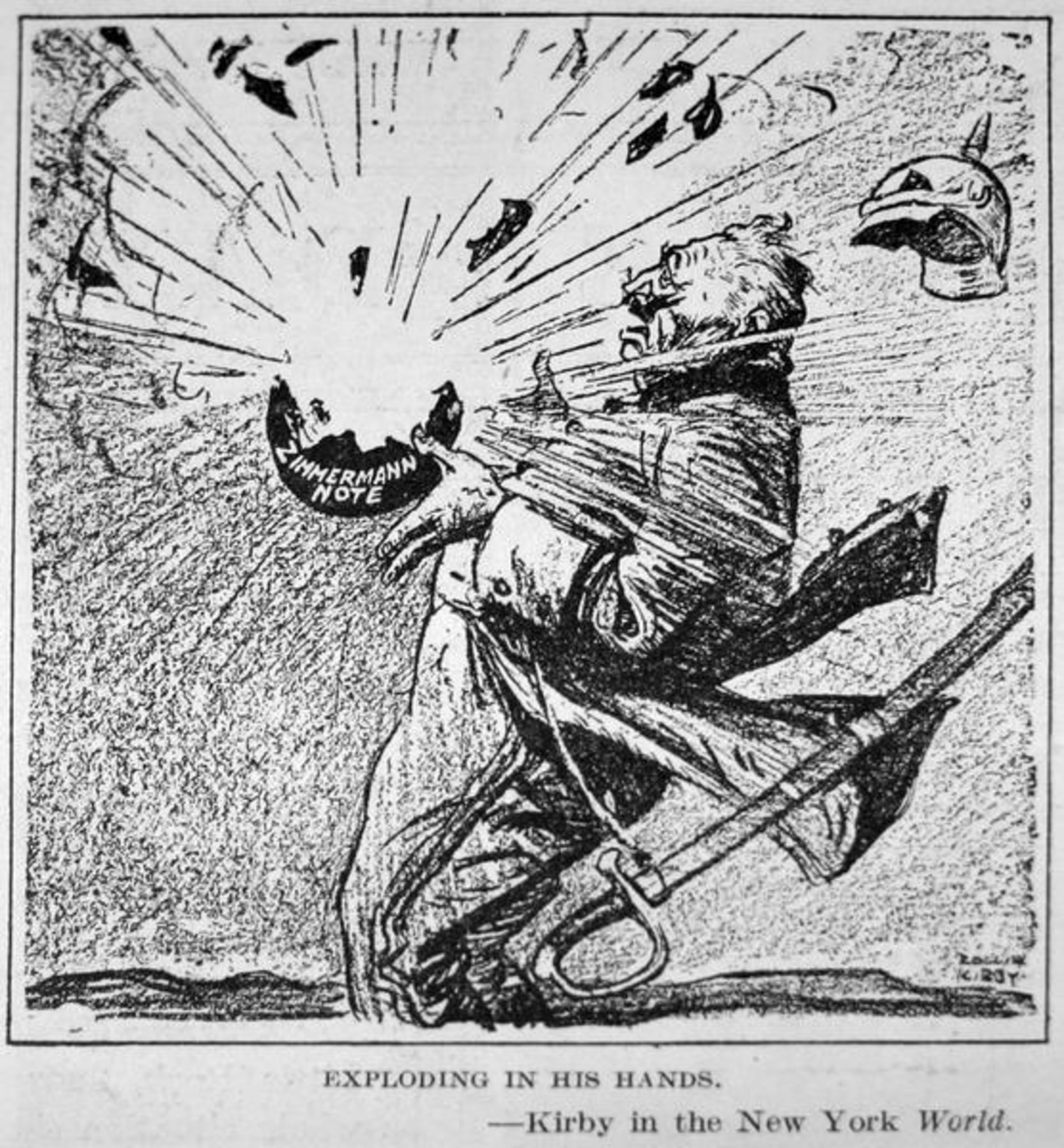
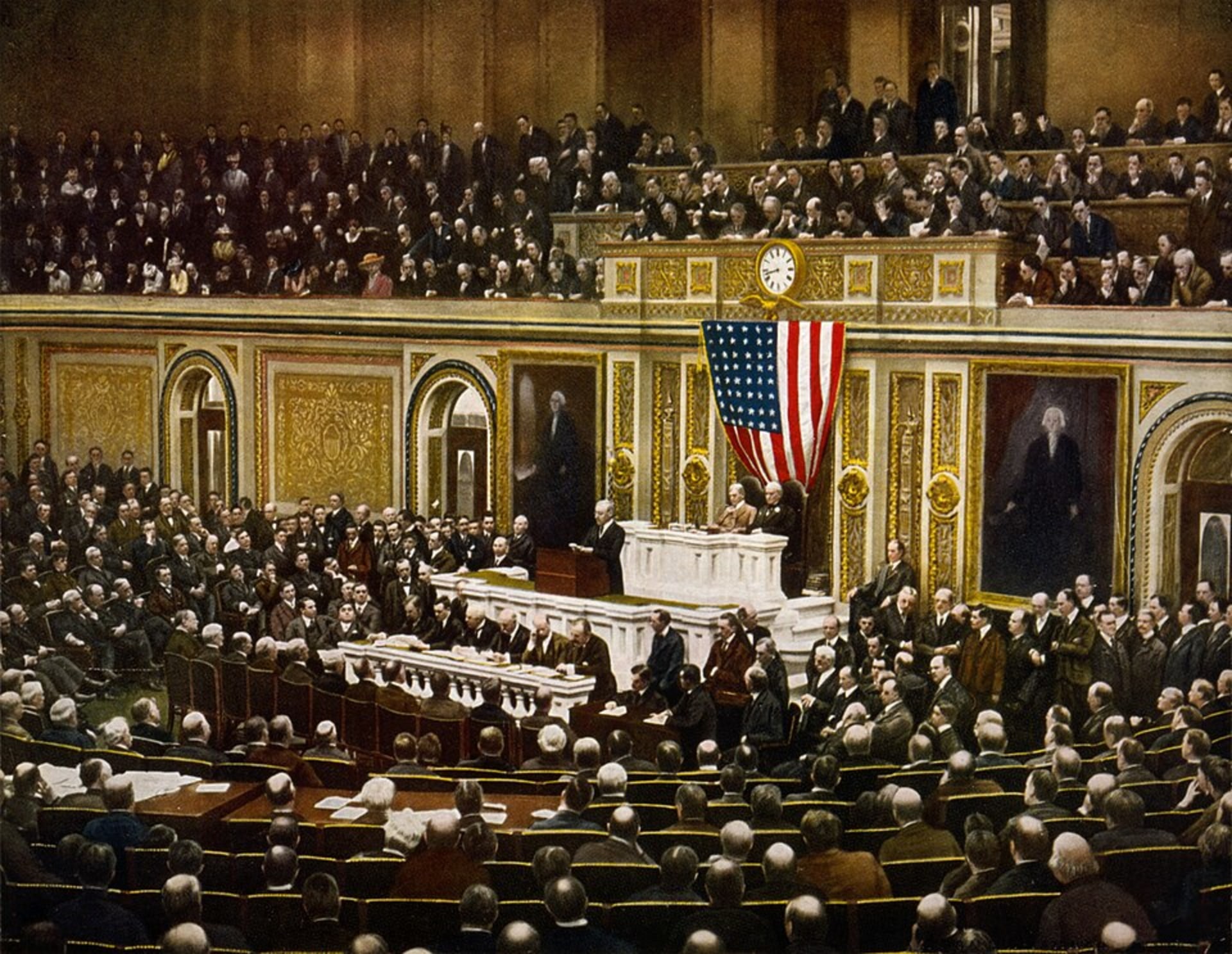
Wilson’s embrace of the armed ship bill only came on February 25. That was the day after he received news of the Zimmermann Telegram, the German effort to encourage Mexico to join an alliance in making war on the United States. On February 26, Wilson addressed a joint session of Congress to request authority to arm U.S. merchant vessels. He did not share the news of Zimmermann’s offer and argued that he “no doubt” had the authority under his “constitutional duties and powers” to order the arming of merchant ships. Nonetheless, he had come to Congress because:
I prefer, in the present circumstances, not to act upon general implication. I wish to feel that the authority and the power of the Congress are behind me in whatever it may become necessary for me to do. We are jointly the servants of the people and must act together and in their spirit, so far as we can divine and interpret it.
No one doubts what it is our duty to do. We must defend our commerce and the lives of our people in the midst of the present trying circumstances, with discretion but with clear and steadfast purpose. Only the method and the extent remain to be chosen, upon the occasion, if occasion should indeed arise. Since it has unhappily proved impossible to safeguard our neutral rights by diplomatic means against the unwarranted infringements they are suffering at the hands of Germany, there may be no recourse but to armed neutrality, which we shall know how to maintain and for which there is abundant American precedent.
He then authorized Lansing to give a copy of the Zimmermann Telegram to U.S. newspapers. Wilson hoped that the news would spur quick congressional action on the armed ship bill.
The House Acts, the Senate Argues
The House moved immediately on Wilson’s request, passing the armed ship bill on March 1 by a vote of 403 to 13. The House moved quickly in part because of the news of the Zimmermann Telegram but also because that session of Congress was set to end at noon on March 4, just as Wilson took the oath of office for his second term. (The practice of a new Congress being sworn in on January 3 and the president on January 20 did not begin until after the ratification of the Twentieth Amendment in 1933.)
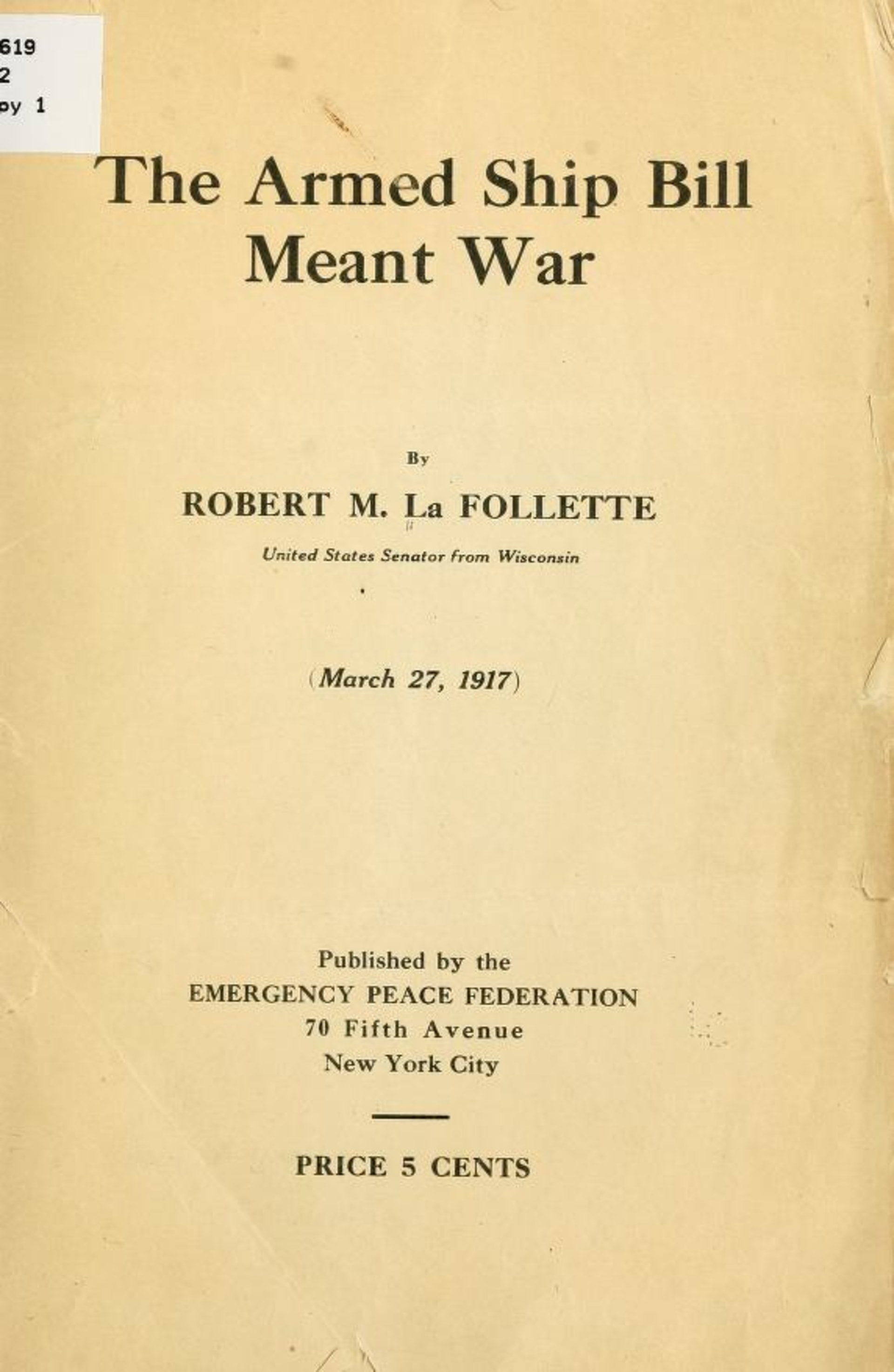
The expectation was that the Senate would move quickly on March 2 to pass the armed ship bill. However, Republican Senator Robert La Follette of Wisconsin blocked unanimous consent, forcing floor debate on the measure to wait a day. Over the next two days he would show why his nickname was “Fighting Bob.”
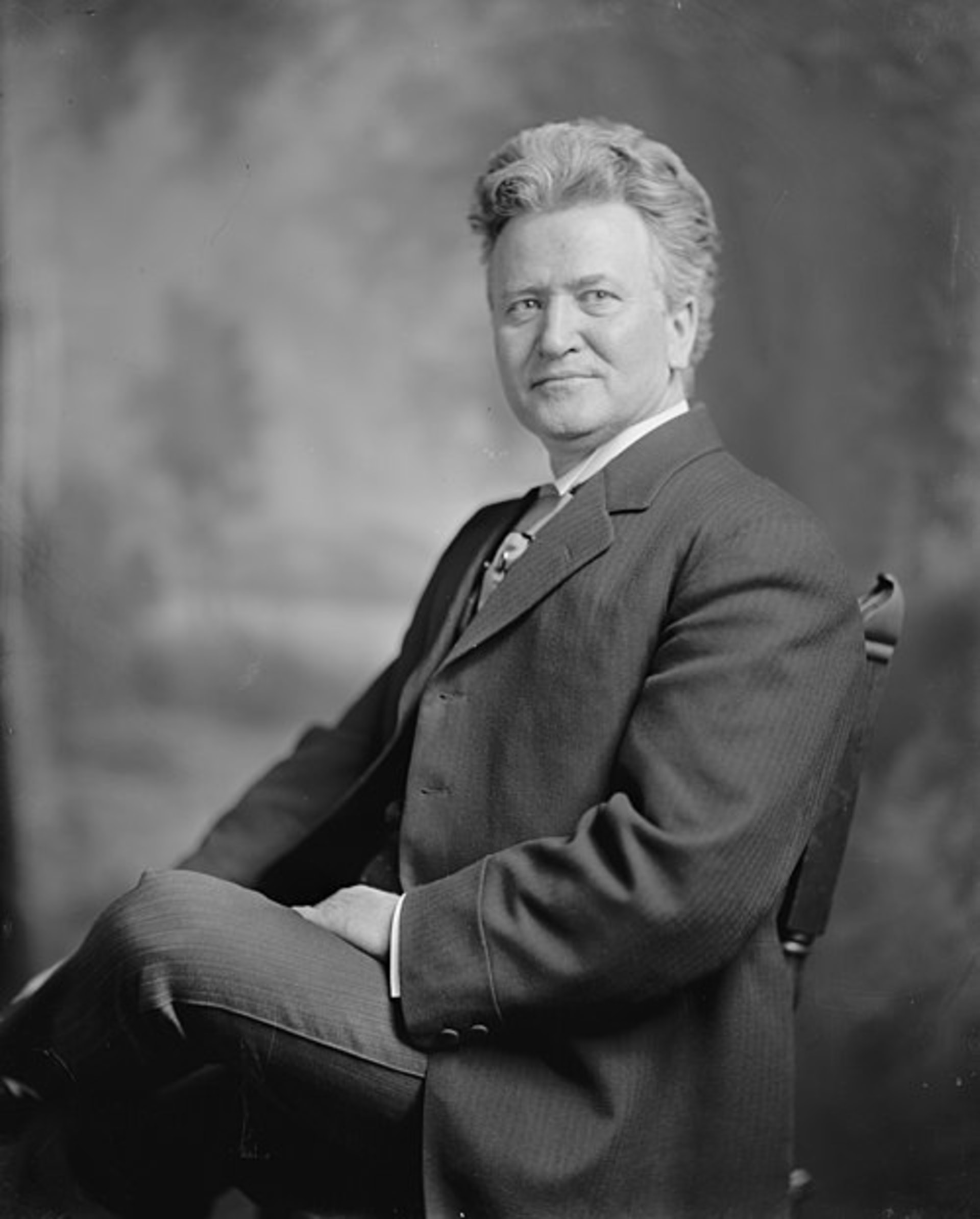
La Follette’s objections to the bill were partly constitutional. Allowing the president to arm commercial vessels would effectively give him the power to take the country to war. That, in his view, clearly violated the Constitution, “which expressly vests the war power in Congress—without which provision the Constitution could not have been adopted.”
But La Follette also had substantive objections. He believed, with good reason, that Wilson’s neutrality policy had effectively favored Britain and France, which, unlike Germany, had access to the high seas and U.S. ports. Wilson had also overlooked Britain’s infringements on U.S. rights, which included preventing U.S. trade with Germany, while highlighting Germany’s transgressions. And La Follette feared that the U.S. entry into World War I would only perpetuate abroad savagery abroad destroying democracy at home. “Shall we,” he asked, “to maintain the technical right of travel and the pursuit of commercial profits, hurl this country into the bottomless pit of the European horror?” Doing so, La Follette argued, violated George Washington’s injunction in the Farewell Address to stand apart from Europe’s political affairs.
The Senate Debate
The Senate began debate on the armed ship bill on March 3. Three other Midwestern Republicans joined La Follette in invoking various parliamentary maneuvers to block a vote. Fearing that the Republican Party would be blamed for blocking the armed ship bill, Sen. Henry Cabot Lodge of Massachusetts, whose hatred of Wilson was legendary, nonetheless introduced a so-called round-robin petition to allow senators to record how they would vote if they got the chance. Seventy-five senators signed it. Eleven did not: six Republicans and five Democrats, including the Democratic chair of the Senate Foreign Relations Committee.
The mood on the Senate floor grew more heated as the debate went into the night. At several points, it looked as if La Follette might come to blows with some of his colleagues. Fearing for his personal safety, he had brought a gun with him to the debate; his fellow dissident, Democratic Senator Harry Lane of Oregon, carried a file that he planned to use as a dagger if the need arose. When La Follette wasn’t looking, his son, Robert Junior, who would become a senator upon Fighting Bob’s death in 1925, took the gun from his father’s Senate desk. In its place, he left a note: “You are noticeably extremely excited. For God’s sake make your protest & prevent passage of the bill if you like but … do not try to fight the Senate physically.”
The Senate was still debating the armed ship bill on the morning of March 4 as Wilson arrived on Capitol Hill to take the oath of office for his second term. (The term started on a Sunday, and in a tradition that is still followed, Wilson was sworn in in a private session that day and publicly on Monday.) Even with Wilson sitting nearby, La Follette and his fellow dissidents refused to budge. The Senate session ended at noon. The bill was dead. But Fighting Bob’s victory would be fleeting.
Wilson Responds
Wilson seethed at the Senate’s failure to act. Believing that it would be inappropriate to mention the defeat in his inaugural address, he decided to write a statement that day denouncing what La Follette and his colleagues had done. The only president to hold a Ph.D., Wilson had written in his doctoral dissertation years earlier that “it is the proper duty of a representative body to look diligently into every affair of government and to talk much about what it sees.” Things looked different now that he was sitting in the Oval Office:
The Senate of the United States is the only legislative body in the world which cannot act when its majority is ready for action. A little group of willful men, representing no opinion but their own, have rendered the great government of the United States helpless and contemptible.
Wilson demanded that the Senate immediately revise its rules to prevent such filibusters in the future. On March 8, 1917, the newly inaugurated senators did just that. They adopted a rule allowing the Senate to invoke cloture and end debate upon a vote of two-thirds of the members present.
Wilson then ordered the arming of U.S. merchant vessels. He cited an 1819 anti-piracy law as the legal justification for the move. The Senate Foreign Relations Committee had previously concluded that the 1819 law did not support the arming of merchant vessels. The potential clash of legal interpretations became moot when the United States declared war on Germany a month later.
Epilogue
The backlash against La Follette’s role in blocking passage of the armed ship bill was fierce. Former President Theodore Roosevelt called him a “skunk who ought to be hanged.” A political cartoon showed Benedict Arnold looking down on La Follette and four of his colleagues with the caption: “And They Called Me Traitor.” His vote against U.S. entry into World War I only strengthened the public perception that he was betraying his country.
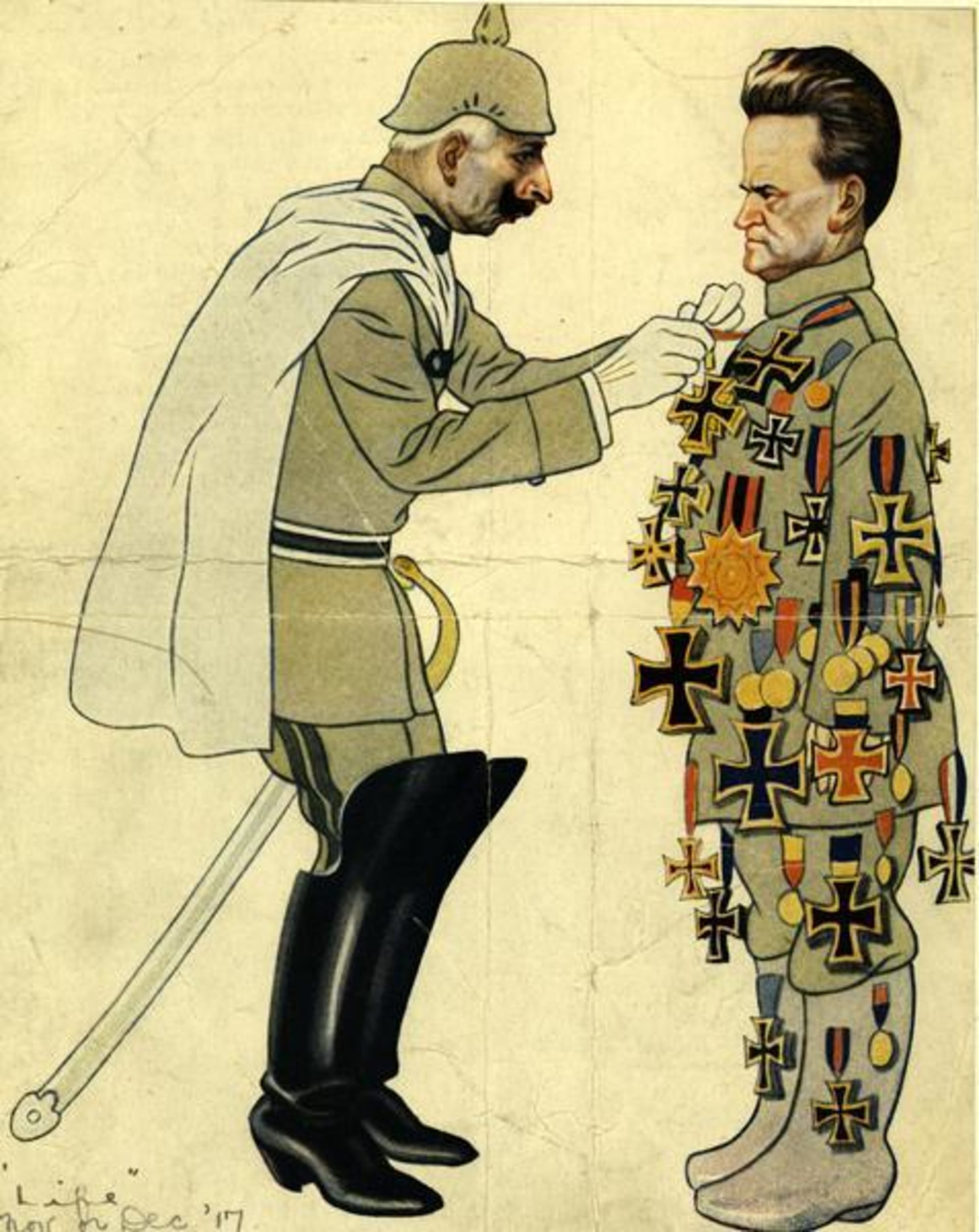
But La Follette’s troubles did not end there. On September 20, 1917, he gave an address in St. Paul, Minnesota. Newspapers covering the speech erroneously reported that he had argued that the United States had “no grievance” against Germany and had defended Germany’s 1915 sinking of the British passenger liner Lusitania. The Wisconsin state legislature accused him of treason, and the Senate considered a resolution to expel him.
With criticism mounting, La Follette on October 6 gave one of the great addresses in Senate history, passionately defending freedom of speech during wartime. His eloquent remarks e failed, however, to win over his harshest critics. One colleague responded by snapping that La Follette should ask Kaiser Wilhelm for a seat in the upper house of the German parliament.
The anger against La Follette eventually subsided, in part because he gave no more speeches on the war. He stayed away from the Senate for nearly a year to tend to his son, who nearly died of a strep infection. But the dimming passions also reflected practical politics. The 1918 midterm elections returned control of the Senate to Republicans. Republican leaders faced with just a two-seat margin over the Democrats suddenly saw virtue in mending fences with La Follette.
In January 1919, the Senate formally dismissed the resolution to expel La Follette. Three years later, the Senate awarded him $5,000 to pay for the legal bills he accumulated fighting his expulsion. In November 1922, Wisconsin voters rewarded him with 80 percent of their votes and a fourth Senate term. In 1955, a Senate committee chaired by then Senator John F. Kennedy names La Follette one of five senators to be honored with portraits in the Senate Reception Room.