The Alaska Purchase
A late-night knock on the door led to the second largest territorial acquisition in U.S. history.
By experts and staff
- Published
 James M. LindsayCFR ExpertMary and David Boies Distinguished Senior Fellow in U.S. Foreign Policy
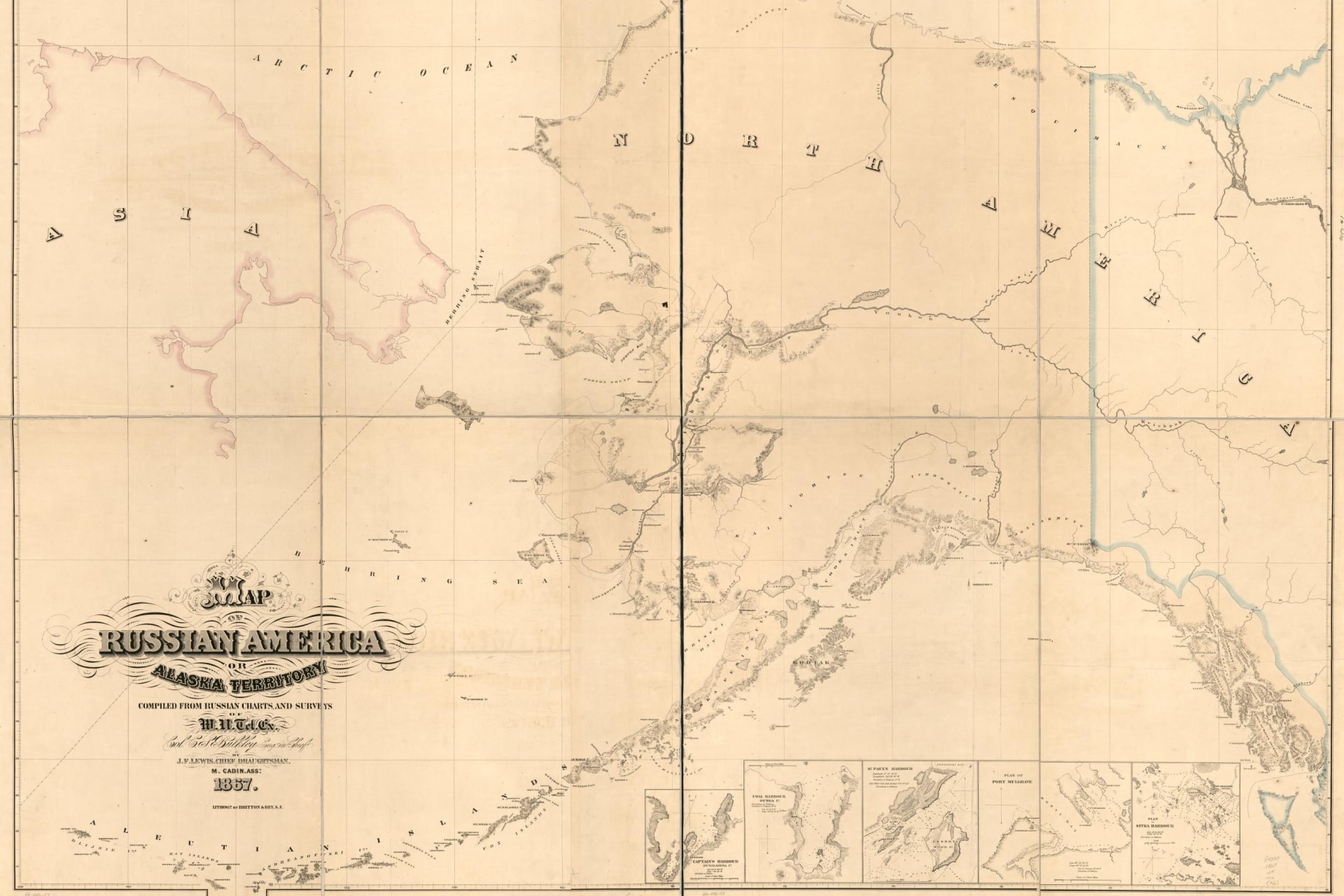
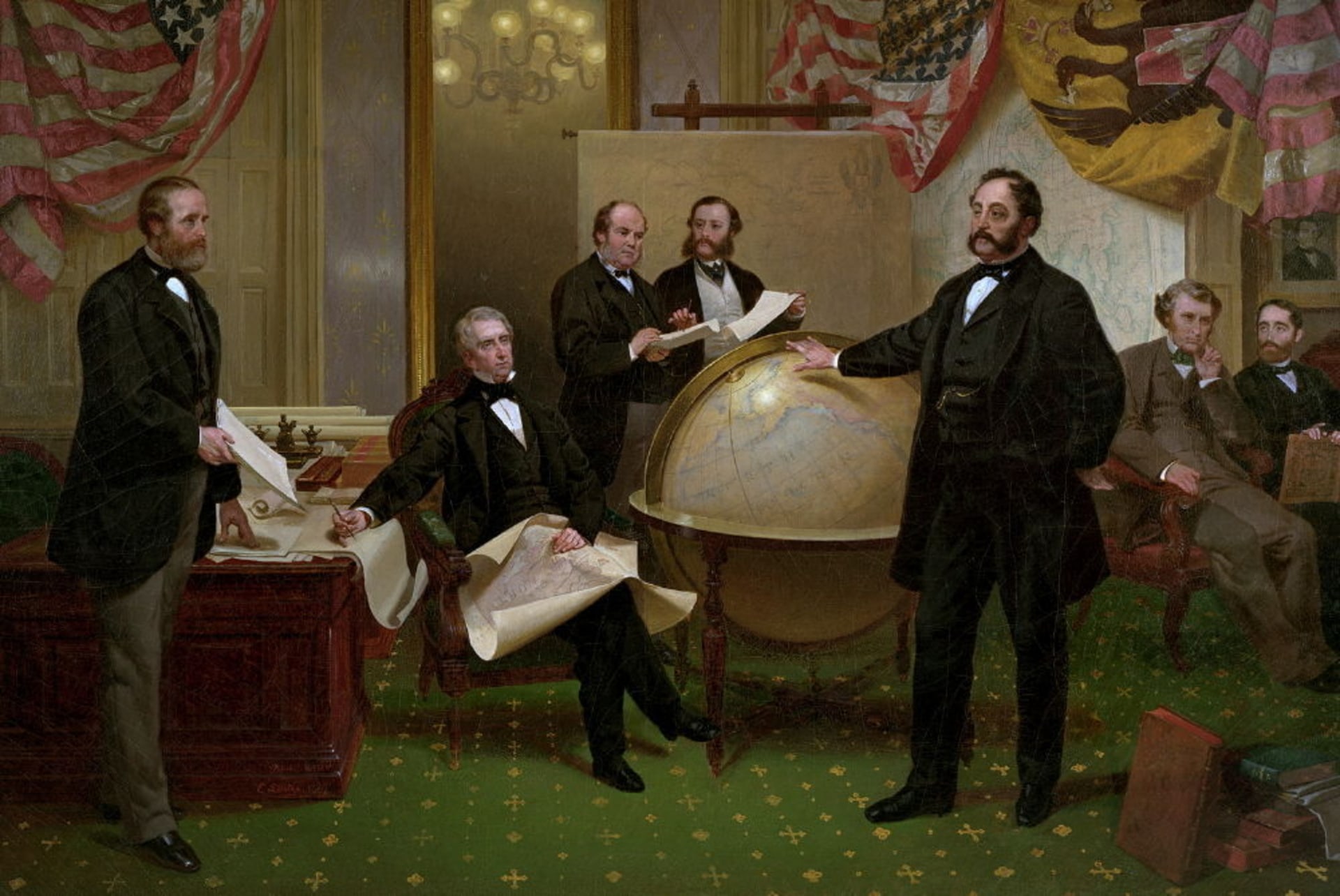
When opportunity knocks, open the door. For Secretary of State William H. Seward, opportunity literally arrived with a knock on the door. On the evening of March 29, 1867, the Russian minister to the United States, Baron Eduard de Stoeckl, showed up at Seward’s house in Washington, DC, as he was playing whist. The minister had a proposition: Moscow was willing to sell Russian America to the United States. Was Seward interested? He most certainly was. Rather than accepting Stoeckl’s offer to meet the next day, Seward answered: “Why wait until tomorrow?” Leaving the card game behind and working by candlelight, the two men negotiated through the night, finally reaching a deal at 4:00 a.m. The United States would pay $7.2 million for the second largest land acquisition in U.S. history.
The secretary of state’s decision, which critics at the time derided as “Seward’s Folly,” proved to be a stroke of genius. The land that opponents at the time dismissed as an empty icebox would pay for itself many times over once explorers found gold and then oil. In a recent survey that the Council on Foreign Relations conducted, members of the Society for Historians of American Foreign Relations ranked the Alaska Purchase as the twenty-sixth best decision in U.S. foreign policy history.
Manifest Destiny and Territorial Expansion
A former governor of New York and a two-time U.S. senator, Seward had long championed America’s Manifest Destiny. He envisioned the United States expanding across North America and into the Pacific, with new territories being gained by the power of attraction rather than at the point of a gun. In 1853, he forecast that one day
the borders of the federal republic … shall be extended so that it shall greet the sun when he touches the tropics, and when he sends his gleaming rays toward the polar circle, and shall include even distant islands in either ocean.
and he speculated that Mexico City might eventually become the capital of the United States.
With his eyes set on the White House, Seward saw himself leading this expansion. He entered the 1860 presidential race as the favorite to win the Republican Party’s nomination. He led after the first ballot but eventually lost the nomination to Abraham Lincoln. Seward swallowed his disappointment and actively campaigned for Lincoln. The victorious Lincoln rewarded Seward by naming him secretary of state.
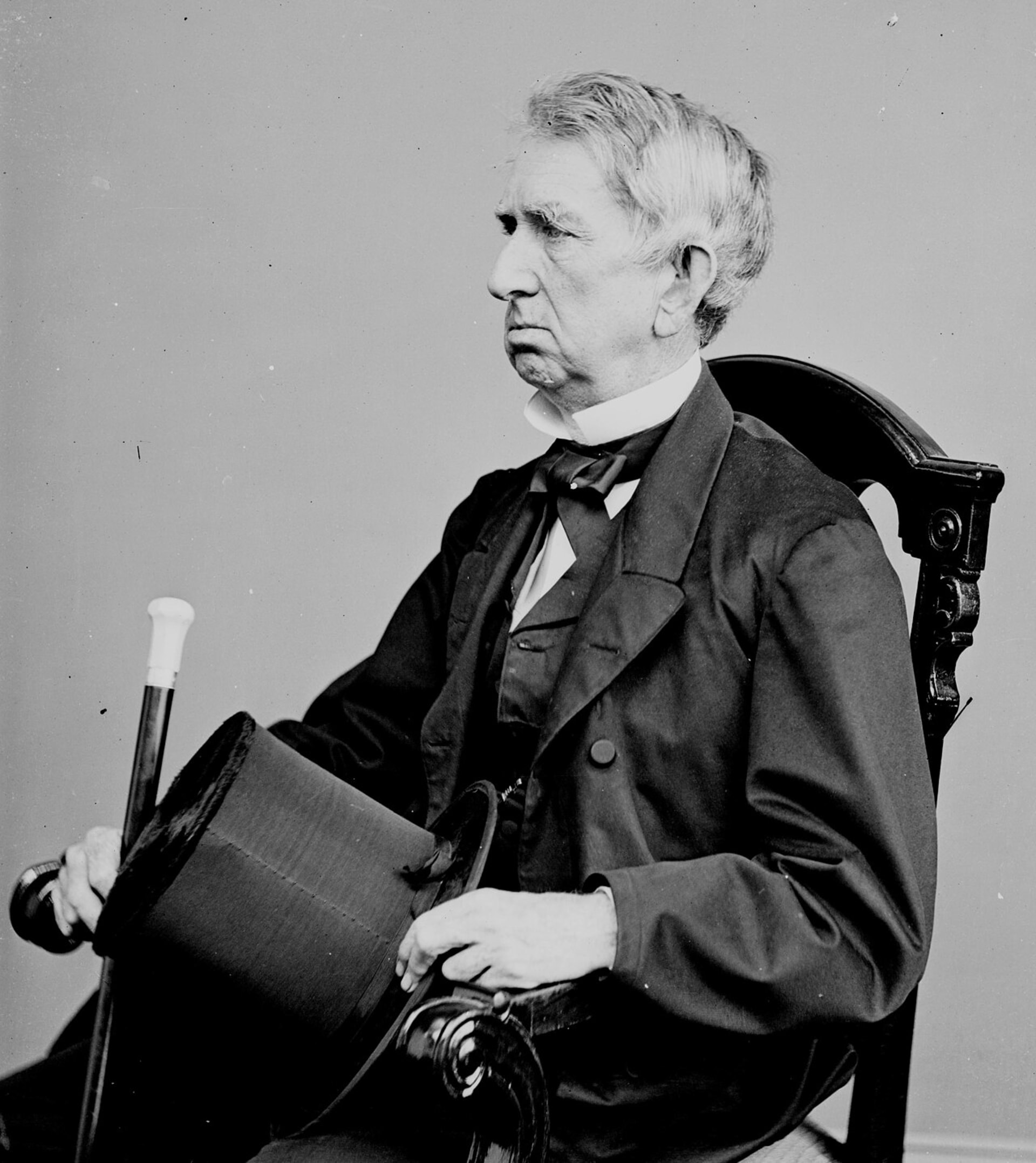
The Civil War shelved, but did not end, Seward’s ambitions for territorial expansion. He stayed on as secretary of state after Andrew Johnson became president upon Lincoln’s assassination. With the war over, Seward could once again entertain thoughts of expanding America’s reach. Canada, the Danish Virgin Islands, Greenland, Hawaii, Santo Domingo (now the Dominican Republic), and what was then known as Russian America were among the apples of his eye.
The Russian Offer
Danish explorer Vitus Bering, who gave his name to the Bering Strait, led the 1741 Russian expedition that became the first European exploration of Alaska. Russian hunters and fur traders periodically visited the region over the next four decades. It was not until 1784, however, that Russia established its first permanent colony in Russian America. Fifteen years later, Moscow granted the Russian American Company a monopoly over the territory. Russian exploration of the western coast of North American would reach as far south as Bodega Bay, just north of San Francisco.
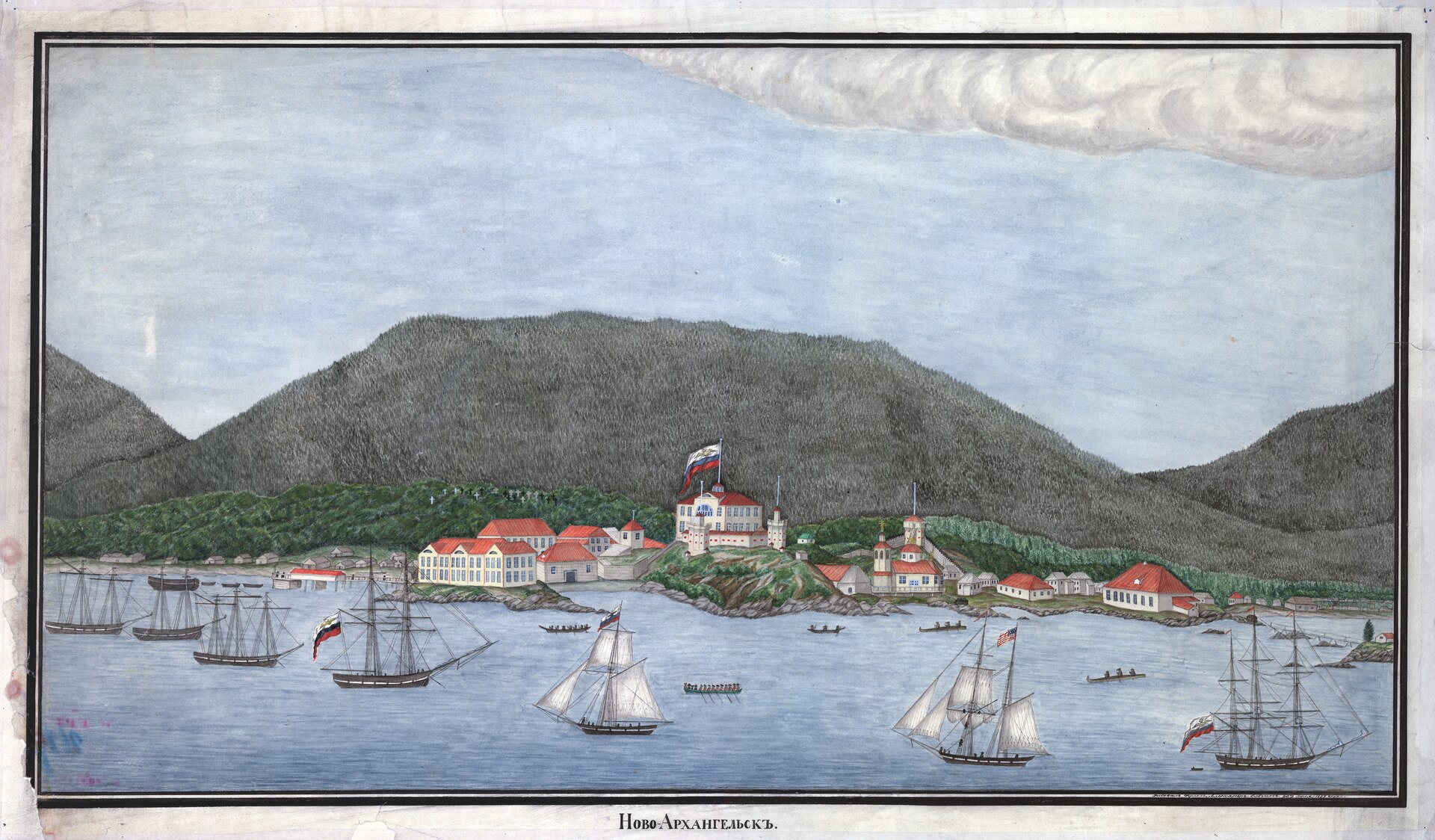
The fortunes of the Russian American Company eventually declined in the face of competition from American and British merchants and as the once abundant stocks of sea otters were plundered. Faced with the prospect of being saddled with a money-losing venture that was vulnerable to being seized by the British navy or overrun by American settlers, Moscow decide to get something for its colony rather than just forfeit control. A sale to Britain was unthinkable. It was a rival European power; indeed, the two countries fought each other in the Crimean War. That left the United States. Russia first broached the possibility of a sale during James Buchanan’s presidency. The looming prospect of the American Civil War derailed the idea.
Seward’s Folly
Seward saw the acquisition of Russian America less as an end than as a means. As critics of his deal repeatedly reminded him, the sparsely populated territory was a frozen wasteland. But one of the lessons he had drawn from Confederate attacks on Union shipping during the Civil War was that control of distant ports was critical to protecting U.S. commerce. He imagined that gaining control of Russian America would enable the United States to dominate the northern Pacific and protect potential trade routes to Asia. Control of the region would also pressure, if not entice, British Columbia into joining the United States and possibly paving the way to acquire more of British Canada.
Stoeckl’s guidance from Moscow was to get at least $5 million for the sale of Russian America. Eager to conclude a deal, Seward limited his haggling. The $7.2 million he agreed to pay for a territory larger than Texas, California, and Montana combined amounted to less than two cents per acre. He now had to convince Capitol Hill to approve a deal that would increase the size of the United States by one-sixth.
The Senate Acts
While many Americans shared Seward’s vision of Manifest Destiny, many did not. Even supporters of Manifest Destiny questioned the wisdom of spending scarce government revenue to buy a land of snow and ice. “Seward’s Folly” was one of the nicest insults that critics tossed Seward’s way. Russian America was derided as a “sucked orange,” a “polar bear’s garden,” and “Walrussia.” Claims that Seward was asking Americans to buy an icebox were not far-fetched. As historian George Herring has noted, the territory’s main export in the nineteenth century was in fact ice, which was “sold in large quantities to the bustling communities along the West Coast.”
Seward’s effort to persuade the Republican-dominated Congress of the need to acquire Russian America was further handicapped by Republicans’ hatred for Johnson, the Democrat who Lincoln had chosen as his running mate in 1864. Critics charged that Seward was using his deal to deflect attention from Johnson’s many domestic policy failings.
Seward got a boost from Senator Charles Sumner of Massachusetts, a leading Republican he had invited to his house once Stoeckl made his proposal. Sumner met briefly with the Russian minister but declined to stay for the actual negotiations. Sumner took to the floor of the Senate on April 8, 1867, to argue for Seward’s deal. During his three-and-a-half-hour speech, he gave the territory its name, “Alaska,” after the Aleut word meaning “the mainland” or “great land.” He also argued that the United States should honor Seward’s deal because Russia had been the European power most supportive of the United States during the Civil War. The very day, the Senate voted 37 to 2 to approve the treaty to purchase Alaska.
The House Delays
Things did not end with the treaty’s passage. Seward now had to persuade Congress to appropriate the funds to pay for the purchase. The House balked, however, at moving forward. Opponents questioned the merits of acquiring Alaska and expressed concerns about the expense. And as had happened before in U.S. history and would happen again, some representatives bristled that the House had not been consulted in advance about the purchase.
The appropriations request sat for more than a year. Meanwhile, Johnson’s political problems mounted—the House impeached him in February 1868, and the Senate came within one vote of removing him from office three months later. The House was in no mood to deliver him any victory.
The deal’s supporters continued to stress that it was essential to achieving America’s full potential. Nathaniel Banks of Massachusetts, a former House speaker and the chair of the House Foreign Affairs Committee, told his colleagues:
That [Pacific] Ocean will be the theatre of the triumphs of civilization in the future. It is there that the institutions of the world will be fashioned and tis destinies decided. If this transfer is successful, it will no longer be an European civilization or an European destiny that controls us. It will be a higher civilization and a nobler destiny. It may be an American civilization, and American destiny of six hundred million souls.
The call to fund the purchase was also helped by the fact that the U.S. flag had been raised in Sitka, Alaska, in October 1867 in anticipation that the deal would be completed. Representative Godlove Orth, Republican of Indiana, asked his colleagues:
Shall the flag which waves so proudly there now be taken down? Palsied be the hand that would dare to remove it! Our flag is there, and there it will remain. Our laws and our institutions are there, guaranteeing protection to its present inhabitants, and to the thousands who shall inhabit it hereafter.
Banks’s and Orth’s words may have moved some lawmakers. But cash may have been a stronger motive. Eager to consummate the deal, Stoeckl apparently passed money around Capitol Hill to make sure that the appropriation went through. The House voted on July 14, 1868, to fund the purchase of Alaska, and the appropriations act was enacted into law two weeks later.
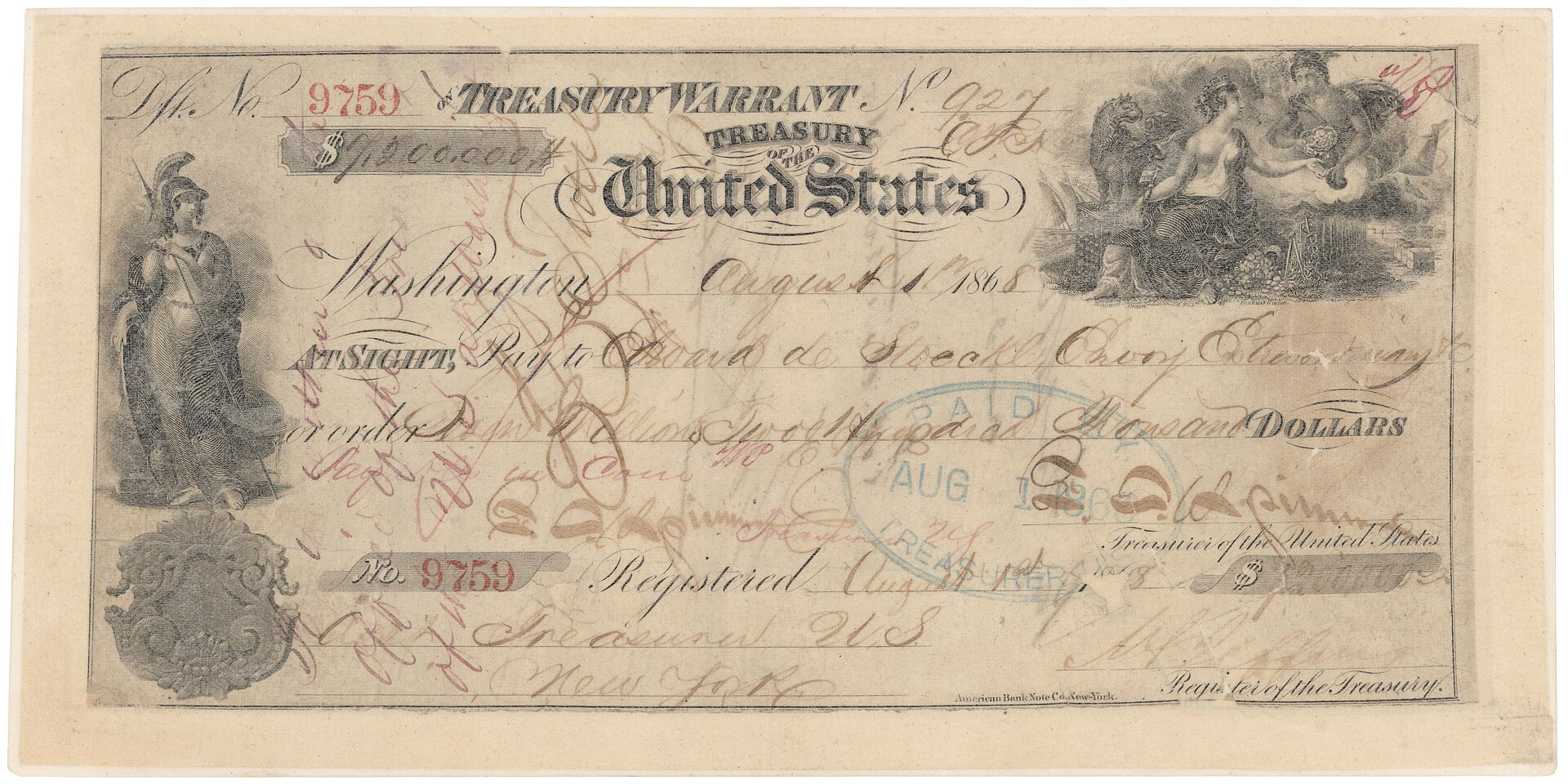
The Legacy of the Alaska Purchase
Seward’s success in concluding the Alaska Purchase did not create momentum for his other territorial ambitions. Congress had no interest in acquiring Greenland or Santo Domingo or the Danish Virgin Islands. (The United States purchased the latter, now known as the U.S. Virgin Islands, in 1917.) And rather than pressuring British Canada to join the United States, fears that the United States might acquire Russian America encouraged Britain to establish of the Dominion of Canada in July 1867. Four years later, British Columbia joined the new Canadian confederation.
Despite not fulfilling his ultimate ambitions, Seward’s Folly proved to be a strategic masterstroke. The deal pushed Russia out of North America, vastly expanded U.S. territory, and with the discovery first of gold and then of oil, generated enormous riches. Sometimes great accomplishments begin by answering the knock at the door.
Oscar Berry assisted in the preparation of this article.