Thanking America’s Veterans
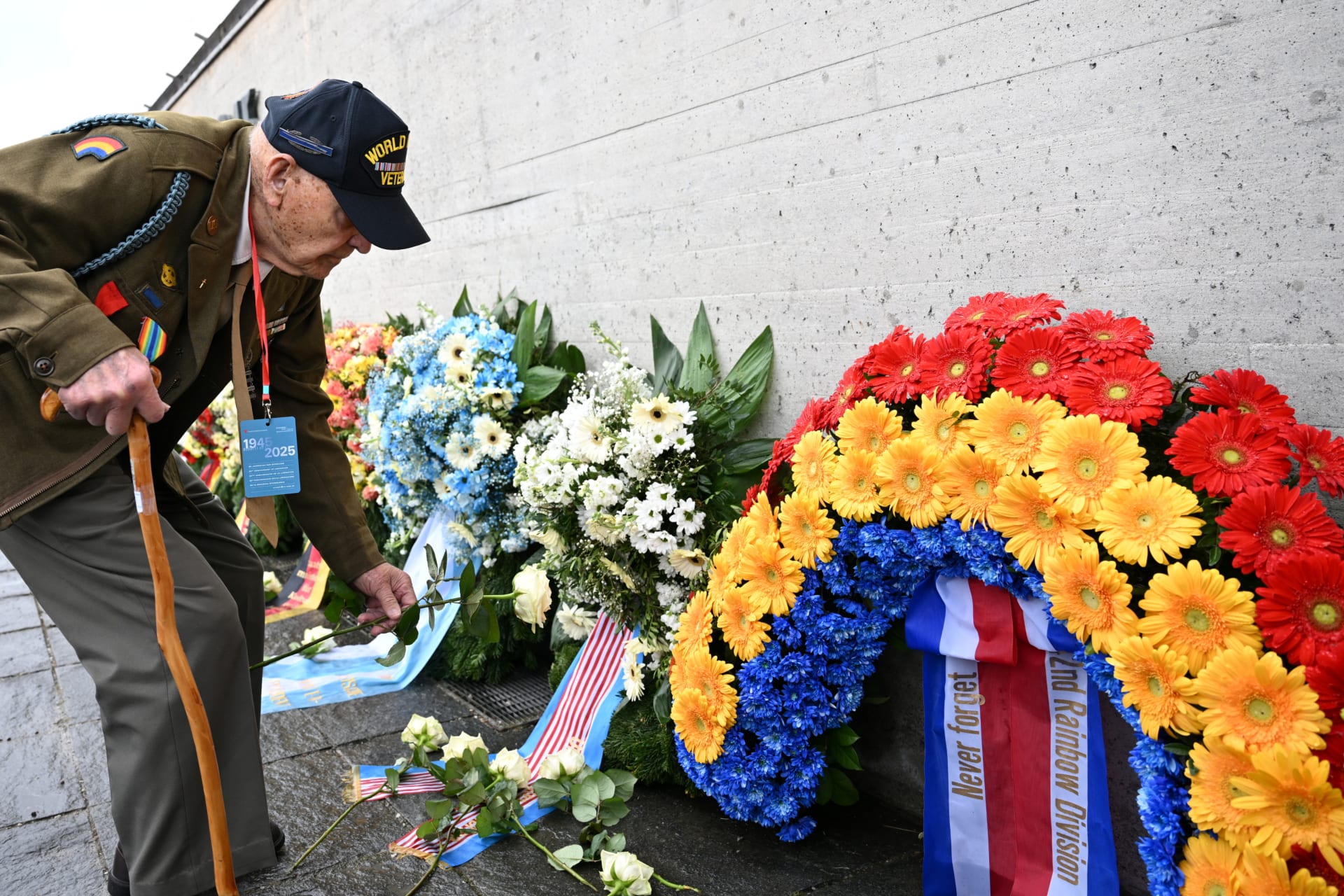
Veterans Day recognizes those who have served in the U.S. armed forces.
By experts and staff
- Published
 James M. LindsayCFR ExpertMary and David Boies Distinguished Senior Fellow in U.S. Foreign Policy
Today is Veterans Day. Americans first observed it on November 11, 1919, one year to the day after the end of the conflict they knew as the Great War and we (regrettably) know as World War I. President Woodrow Wilson issued a message proclaiming the first celebration of “Armistice Day.” The holiday was meant to show “gratitude for victory” in World War I and solemn pride “for those who died in the country’s service.” On that day, all business was suspended for two minutes starting at 11:00 a.m. while parades and public gatherings commemorated the war’s end. The choice of time was deliberate. The agreement ending World War I went into effect on the 11th hour of the 11th day of the 11th month of 1918.
Over the years, the practice of celebrating Armistice Day spread, and states began making it a legal holiday. Congress followed suit in 1938, declaring that the November 11 holiday was “dedicated to the cause of world peace and to be hereafter celebrated and known as ‘Armistice Day.’” In 1954, with World War II and the Korean War having greatly expanded the number of Americans who had fought overseas, Congress renamed Armistice Day as “Veterans Day.” In a proclamation announcing the renamed holiday, President Dwight D. Eisenhower said the change was intended to “expand the significance of the commemoration” by “paying homage to the veterans of all its wars.”
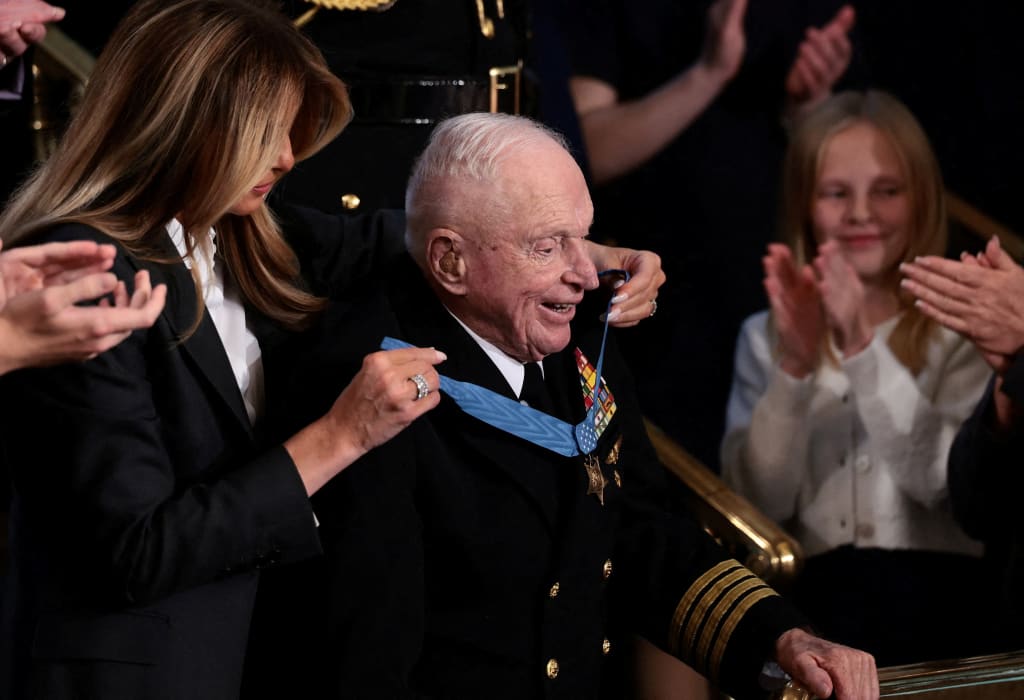
You might wonder why the holiday is spelled “Veterans Day” and not “Veteran’s Day.” The choice is deliberate. The Department of Veterans Affairs states that the apostrophe is unnecessary “because it is not a day that ‘belongs’ to veterans, it is a day for honoring all veterans.”
You might also wonder how Veterans Day differs from Memorial Day, other than coming in the fall rather than the late spring. Veterans Day honors everyone who has served in the U.S. armed forces. Memorial Day pays tribute to those men and women who died in military service.
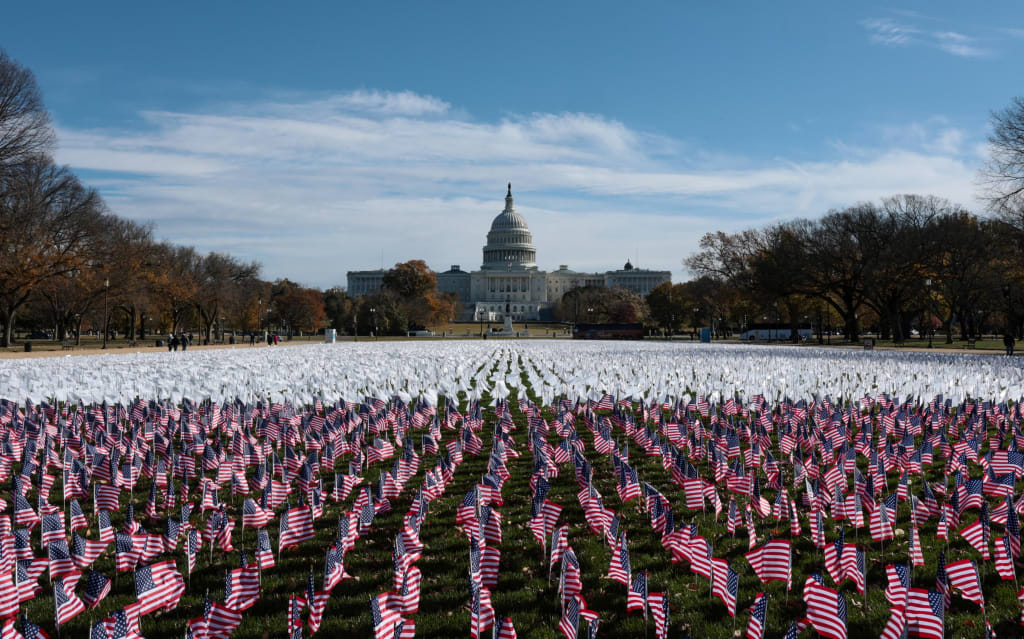
Roughly 15.7 million Americans today are veterans, representing 5.9 percent of the entire U.S. adult population. That number is down from 28 million in 1990. The decrease reflects the passing of the World War II, Korean War, and Vietnam generations, and the shift to a smaller all-volunteer military. Just 30,607 of the 16.1 million Americans who served in World War II are alive today. Nearly 7 million men and women served during the Korean War, and only 280,000 of them remain with us. Roughly 2.7 million Americans served in Vietnam between 1964 and 1975, of whom 600,000 are still alive. Not surprisingly, the biggest share of the veteran population today is post-9/11 veterans. They constitute 31.4 percent of all living veterans.
The number of veterans who will serve in the next Congress (the 120th) currently stands at eighty, though it could rise to eighty-six depending on the outcome of yet-to-be-called races. Whatever the final number, it will be down from the hundred veterans sworn into the 119th Congress on January 3, 2025. It is also below the ninety-one veterans who served in the 117th Congress, which was seated in 2021. That Congress had previously been the low-water mark in veteran representation on Capitol Hill dating back to the start of World War I.
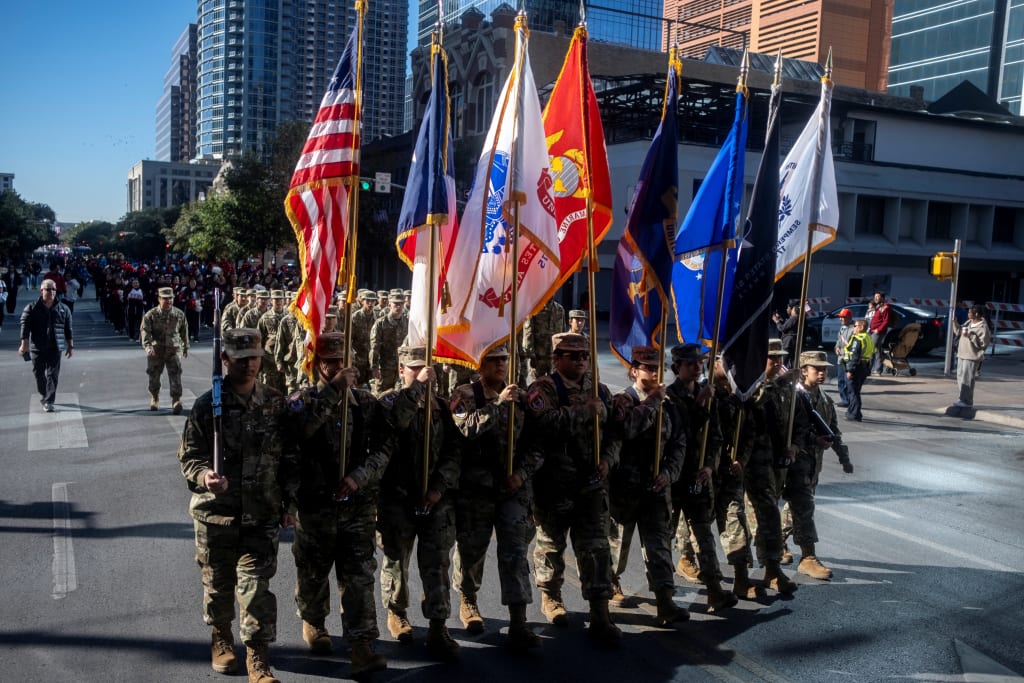
The price of service in the U.S. military can be high. More than 1.1 million service members have died in combat. The Civil War remains the deadliest of America’s wars, with an estimated death toll of 625,000. World War II is the second deadliest conflict, with 405,400 Americans killed. The wars in Afghanistan and Iraq left 7,088 servicemen and women dead. Some 6.9 million veterans today have a service-connected disability.
To all of America’s veterans, thank you for your service.
Oscar Berry assisted in the preparation of this post.
This work represents the views solely of the author(s). The Council on Foreign Relations is an independent, nonpartisan membership organization, think tank, and publisher, and takes no institutional positions on matters of policy.