The First U.S. Combat Troops Arrive in South Vietnam
What began as a small deployment of U.S. Marines to protect an airbase at Da Nang in Vietnam escalated into one of the most divisive wars in U.S. history.
By experts and staff
- Published
 James M. LindsayCFR ExpertMary and David Boies Distinguished Senior Fellow in U.S. Foreign Policy
Today marks the sixty-first anniversary of the arrival of the first U.S. combat troops in South Vietnam. The Council on Foreign recently surveyed members of the Society for Historians of American Foreign Relations (SHAFR) on the best and worst foreign policy decisions in U.S. history. SHAFR historians ranked the deployment of U.S. combat troops to Vietnam as the second worst.
[Video: https://www.youtube.com/shorts/BUR3aQpJoCo]
Smiles and Leis
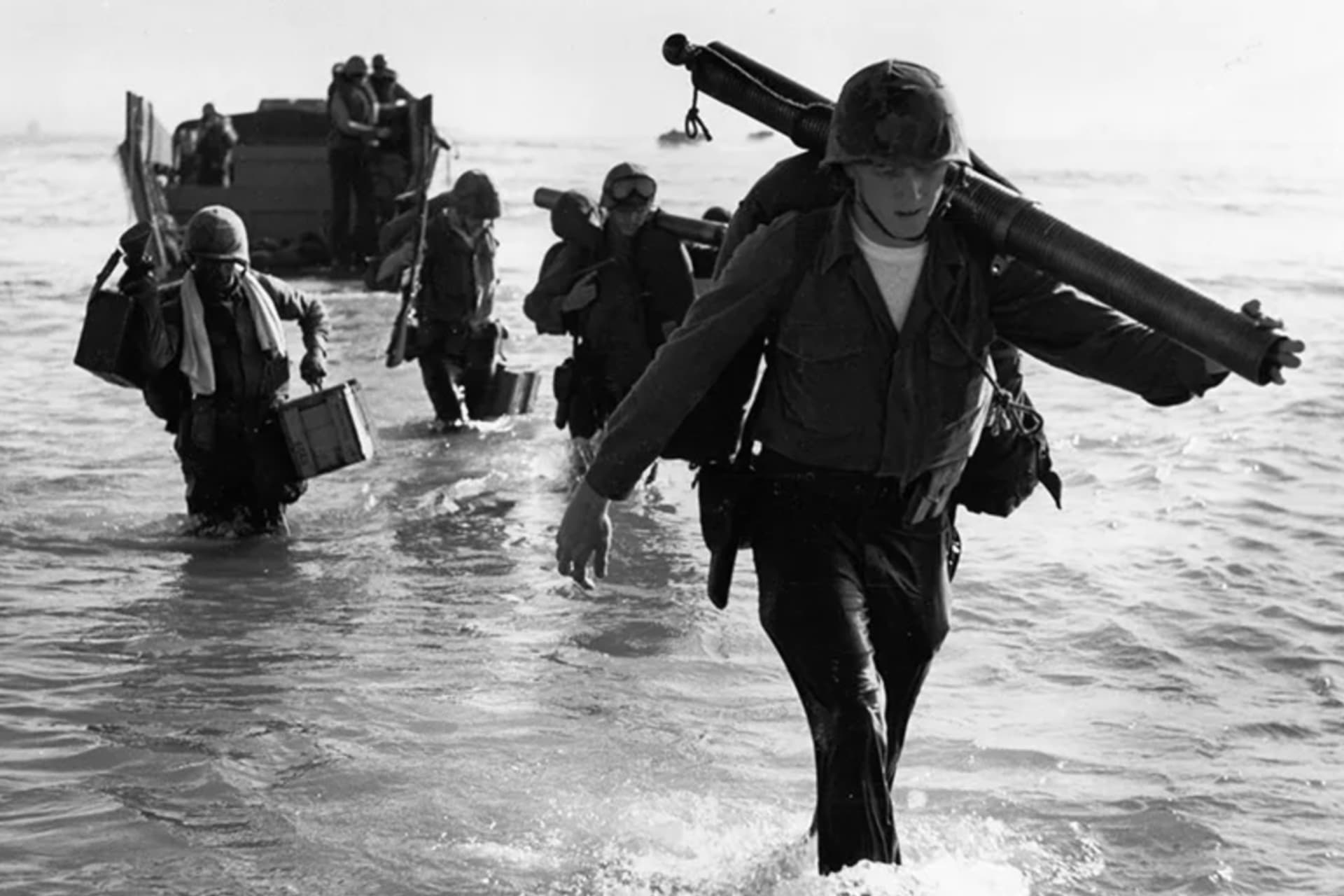
On March 8, 1965, 3,500 Marines of the 9th Marine Expeditionary Brigade arrived in Da Nang to protect the U.S. airbase there from Viet Cong attacks. Despite advance warning they were about to be deployed, many of the Marines were surprised when the order to ship out came down on Sunday, March 7. Based at Okinawa at the time, more than a few of them had been, in the words of Philip Caputo, the author of the acclaimed A Rumor of War and one of those 3,500 marines, “enjoying a weekend of I and I—intercourse and intoxication.” Less than twenty-four hours later they were in a combat zone.
The Marines’ arrival at Da Nang was uneventful. One of the planes was slightly damaged by anti-aircraft fire. But none of the marines were hurt. The 3rd Battalion, 9th Marines had an unusual introduction to Vietnam. As Caputo tells it:
Their entrance into the war zone had been the stuff of which comic operas are made. Like the marines in World War II newsreels, they had charged up the beach and were met, not by machine guns and shells, but by the mayor of Danang and a crowd of schoolgirls. The mayor made a brief welcoming speech and the girls placed flowered wreaths around the marines’ necks. Garlanded like ancient heroes, they then marched off to seize Hill 327, which turned out to be occupied only by rock apes—gorillas instead of guerrillas, as the joke went—who did not contest the intrusion of their upright and heavily armed cousins.
The idyllic part of their tour in Vietnam would not last long.
A New Chapter in an Evolving Story
The arrival of the 9th Marine Expeditionary Brigade provides as good a marker as any for the beginning of the Americanization of the Vietnam War. But it hardly marks the beginning of U.S. military involvement in South Vietnam. That had been going on for a decade.
The United States took responsibility for training the South Vietnamese army after the Geneva Accords were signed in 1954. An initial 352 U.S. military advisers grew to 3,200 by the end of 1961, 9,000 at the end of 1962, and some 23,000 by early 1965. Along the way, the dividing line between training South Vietnamese soldiers and leading them in battle eroded. In July 1959, the first U.S. military advisers were killed in Vietnam. By the time Lt. Caputo and his comrades landed at Da Nang, more than 400 U.S. servicemen had already fallen.
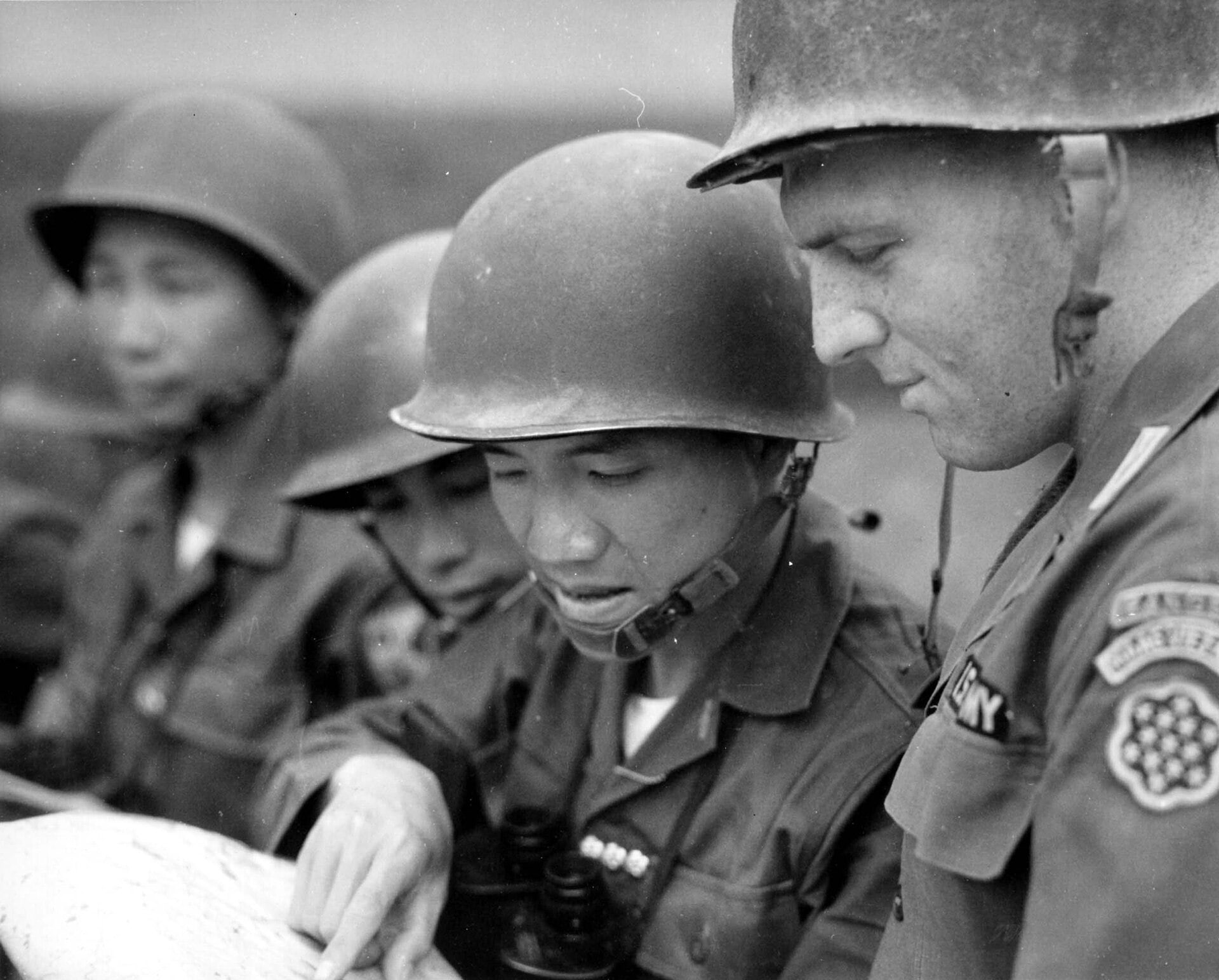
Not all U.S. officials favored the decision to dispatch the 9th Marine Expeditionary Brigade. Maxwell Taylor, the U.S. ambassador to Vietnam at the time and a former chairman of the Joint Chiefs of Staff, expressed grave reservations. He predicted that the demand for more combat troops would become irresistible. Rather than step back, the United States would rush head long into the same trap that had doomed the French in their failed attempt to keep their colonies in Indochina. Events proved Taylor right.
A Changing War
The marines who landed in Da Nang amidst garlands and speeches didn’t realize that the nature of the war in Vietnam was changing. Caputo recalls a commanding officer telling his men at a pre-departure briefing: “We’re going there to provide security and that’s all. We’re not going in to fight, but to free the ARVNs [South Vietnamese soldiers] to fight. It’s their war.”
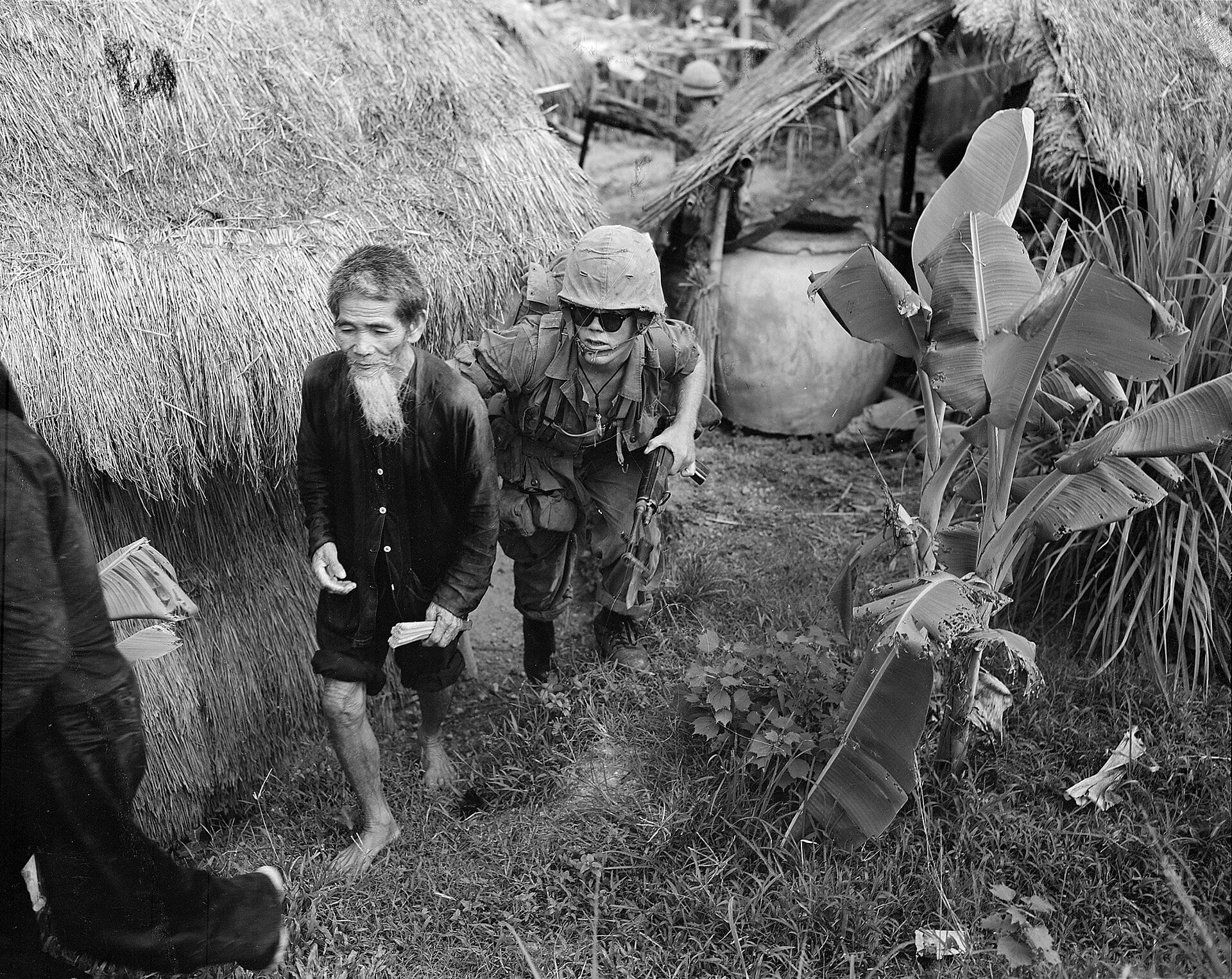
But it was no longer was South Vietnam’s war; it had become a U.S. war. By the end of 1965, 185,000 U.S. troops were in Vietnam. The number peaked in 1968 at nearly 550,000. More than 2.6 million U.S. servicemen and women eventually rotated through Vietnam. More than 58,000 of them died there. Their names are inscribed on the wall of the Vietnam Veterans Memorial in Washington, DC.
The United States celebrates its 250th anniversary in 2026. To mark that milestone, I am resurfacing essays I have written over the years about major events in U.S. foreign policy. A version of this essay was published on March 8, 2015.
Oscar Berry assisted in the preparation of this article.